
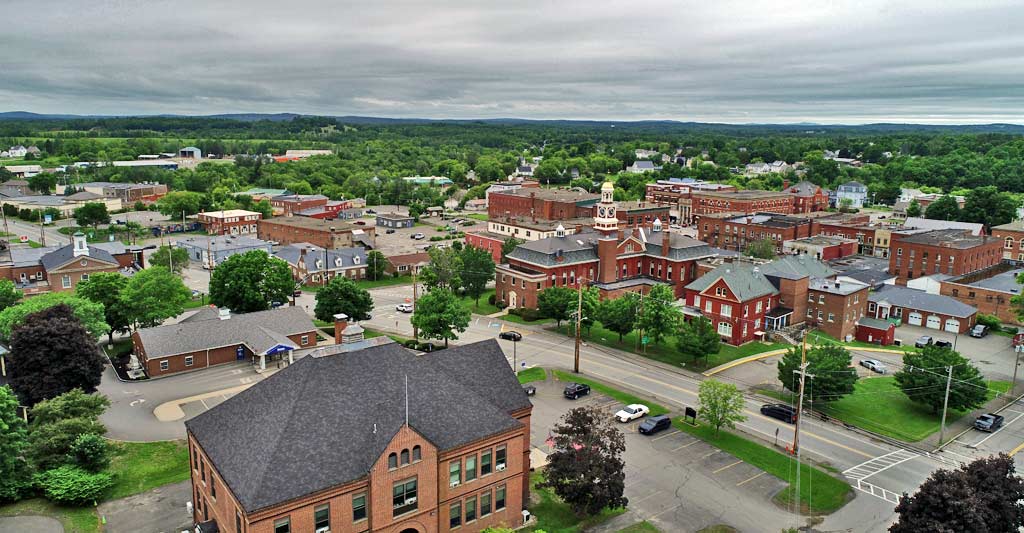
The town of Houlton, located in the heart of Aroostook County, serves as a poignant example of the shifting demographics across Northern Maine. Known affectionately as the Shire Town, this historic community is the gateway to the United States for those traveling from Canada. Despite its rich cultural heritage, stunning Victorian architecture, and deep-rooted agricultural traditions, the population has seen a steady decline over the past several decades. Understanding why people are moving away requires an insightful look at the intersection of local culture, economic shifts, and the evolving nature of tourism in the Pine Tree State.
The Cultural Landscape of the Shire Town
To understand the population trends of Houlton, one must first appreciate the cultural bedrock upon which the town was built. For generations, the identity of this region has been tied to the land and its proximity to the border of New Brunswick. The local culture is a blend of rugged New England self-reliance and a welcoming, community-oriented spirit that defines much of Aroostook County.
Agricultural Roots and the Potato Industry
Historically, Houlton was a powerhouse of the American potato industry. The fertile soil of the region made it one of the most productive agricultural hubs in the United States. This heritage is still celebrated today through events like the Maine Potato Blossom Festival, which draws visitors from across Maine and New England. However, as industrial farming techniques evolved and the economy diversified, the need for a large local labor force diminished. Many young people, raised on farms or in farm-adjacent businesses, have found themselves looking toward larger cities like Bangor or Portland for diverse career opportunities, leading to a natural thinning of the permanent population.
Victorian Architecture and Historic Market Square
One of the most significant draws for tourists and a point of pride for residents is Market Square. This historic district is a masterclass in Victorian architecture, featuring beautifully preserved brick buildings that harken back to the town’s late 19th-century prosperity. The Cary Library, an architectural gem in its own right, stands as a testament to the town’s long-standing commitment to education and literacy. Travelers often stop to admire the Boy with the Leaking Boot statue, a charming landmark that symbolizes the whimsical and enduring nature of the town’s spirit. While these landmarks remain well-maintained, the challenge lies in filling these historic spaces with modern commerce that can sustain a growing population.
Evolving Tourism Dynamics in Northern Maine
As the permanent resident count fluctuates, Houlton has increasingly leaned into its potential as a premier destination for slow tourism and outdoor recreation. The loss of population does not necessarily equate to a loss of vibrancy; rather, it indicates a shift in how the town interacts with the outside world.
Nature and the Meduxnekeag River
The Meduxnekeag River flows through the heart of the town, offering a serene backdrop for both residents and visitors. This waterway is not just a scenic asset but a vital part of the local ecology, supporting diverse wildlife and providing opportunities for canoeing and fishing. For those seeking an escape from the frantic pace of urban life in Massachusetts or New York, Houlton offers an authentic “off-the-beaten-path” experience. The nearby Lowrey’s Lodge and various local campsites provide a base for explorers looking to venture further into the wilderness of the North Maine Woods.
The Maine Solar System Model

An unusual but fascinating attraction that puts Houlton on the map is its role in the Maine Solar System Model. This is the largest 3D scale model of the solar system in the Western Hemisphere, stretching from the University of Maine at Presque Isle to the town of Houlton, where Pluto (the dwarf planet) is located. This landmark attracts science enthusiasts and families on road trips along I-95, proving that even as the population changes, the town remains a significant cultural and educational waypoint.
Challenges and Opportunities for Local Tourism
The population decline in Houlton is often attributed to the “brain drain” phenomenon, where educated youth seek specialized markets elsewhere. However, this creates a unique vacuum that is increasingly being filled by entrepreneurs in the tourism and hospitality sectors who see value in the town’s low cost of living and high quality of life.
Local Eateries and the Culinary Scene
Food is a central pillar of the Houlton experience. Establishments like the Houlton House of Pizza have become local institutions, serving as gathering spots for both longtime residents and weary travelers coming off the Trans-Canada Highway. The culinary scene here emphasizes comfort and local sourcing, often featuring the famous Maine potatoes in various forms. As the town looks to stabilize its economy, fostering a “foodie” culture that highlights Aroostook County produce is a key strategy for attracting seasonal visitors and new residents alike.
Proximity to the Canadian Border
Houlton sits directly on the border with Woodstock, New Brunswick. This geographic position makes it a critical port of entry. The flow of people across the border for shopping, dining, and festivals is a major economic driver. When the population within the town limits decreases, the cross-border community often steps in to sustain local businesses. Events like the Blackfly Brewfest celebrate the regional craft beer scene and draw significant crowds from both sides of the border, showcasing the town’s ability to host large-scale tourism events.
Looking Forward: Revitalizing the Houlton Experience
The narrative of population loss is often framed negatively, but for Houlton, it is also a period of reinvention. The town is focusing on its strengths: history, nature, and community. By positioning itself as a hub for “work from home” professionals and eco-tourists, Houlton is carving out a new niche in the 21st century.
Festivals and Community Engagement
Community spirit is perhaps Houlton’s greatest export. The Houlton Agricultural Fair, held annually at Community Park, remains a highlight of the summer season. These events are crucial for maintaining the social fabric of the town. They provide a reason for the diaspora of former residents to return home each year, bringing with them tourism dollars and a renewed interest in the town’s welfare. The Houlton Community Arts Center also plays a vital role, hosting performances and exhibits that reflect the creative talents of Northern Maine residents.
The Role of Outdoor Recreation
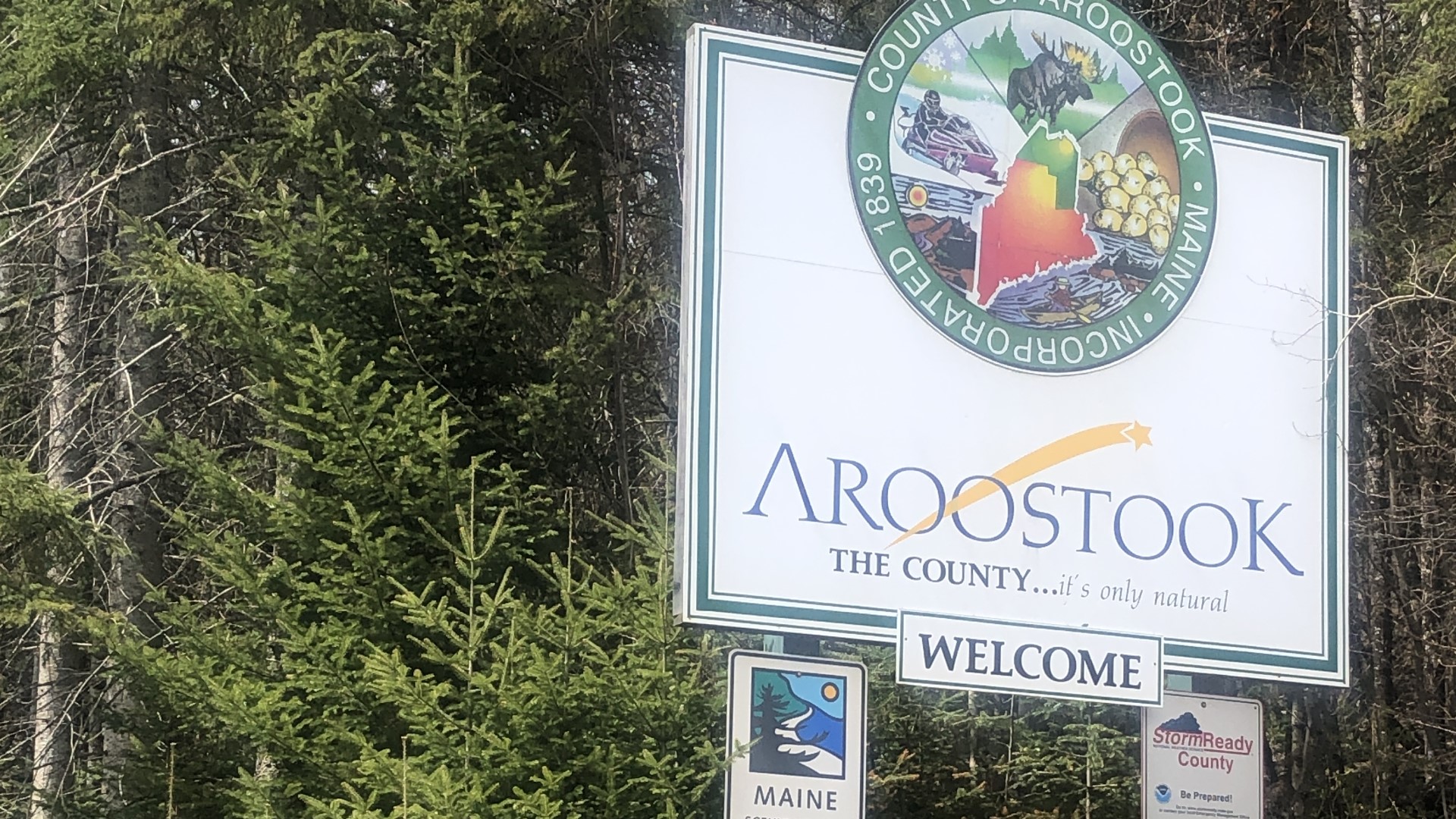
As more people seek outdoor adventures, Houlton’s proximity to Baxter State Park and Mount Katahdin becomes a significant asset. While these famous landmarks are a drive away, Houlton serves as an excellent northern base camp. The extensive network of snowmobile trails and ATV paths that crisscross Aroostook County brings in a steady stream of winter and summer sports enthusiasts. These visitors utilize local services, from the Northern Maine Regional Airport in nearby Presque Isle to the various bed and breakfasts in the Houlton area.
In conclusion, while the statistics show a town losing population, the reality on the ground in Houlton is one of transition and resilience. The factors driving people away—primarily economic centralization in southern cities—are being countered by a growing movement toward rural tourism and cultural preservation. For the traveler, Houlton offers a glimpse into the heart of Maine, where the history is etched into the brickwork of Market Square and the future is being built through a renewed appreciation for the local way of life. Whether you are visiting for the Aroostook County scenery or the historic landmarks, Houlton remains a vital, albeit changing, piece of the American landscape.
LifeOutOfTheBox is a participant in the Amazon Services LLC Associates Program, an affiliate advertising program designed to provide a means for sites to earn advertising fees by advertising and linking to Amazon.com. Amazon, the Amazon logo, AmazonSupply, and the AmazonSupply logo are trademarks of Amazon.com, Inc. or its affiliates. As an Amazon Associate we earn affiliate commissions from qualifying purchases.