
The global travel landscape has undergone a radical transformation over the last two decades, evolving from a reliance on traditional travel agents to a sophisticated digital marketplace. For the modern traveler, securing affordable accommodation is no longer a matter of luck, but a result of strategic navigation through various booking platforms, comparison tools, and loyalty frameworks. Understanding where to get cheap hotel rooms requires a deep dive into the mechanics of the accommodation industry, identifying the specific channels that offer the best value without compromising on quality or security.
Leveraging Online Travel Agencies (OTAs) for Competitive Pricing
Online Travel Agencies, or OTAs, have become the primary gateway for travelers seeking a wide variety of lodging options. These platforms act as intermediaries between the consumer and the service provider, often negotiating bulk rates or utilizing sophisticated algorithms to offer competitive pricing. While many assume that all sites offer the same rates, the reality is that different platforms often dominate specific geographical markets or price tiers.

The Giants of the Global Market
When searching for accommodation, platforms like Booking.com and Expedia are often the first stop. Booking.com is particularly renowned for its vast inventory across Europe, offering everything from luxury suites in Paris to budget-friendly guesthouses in Berlin. One of its primary advantages is the “Genius” loyalty program, which provides tiered discounts to frequent users.
Expedia, on the other hand, excels in the North American market. It often provides significant savings when users bundle their hotel stay with flights or car rentals. For those looking for stays in Asia, Agoda is frequently the most competitive option. Because Agoda has deep-rooted partnerships with local providers in countries like Thailand, Vietnam, and Japan, it often lists properties and rates that are unavailable on Western-centric platforms.
The Rise of Meta-Search Engines
To avoid the tedious task of checking every OTA individually, savvy travelers utilize meta-search engines. These tools, such as Trivago and Kayak, do not sell rooms directly. Instead, they crawl hundreds of booking sites to present a side-by-side comparison of prices for a single property.
Google Hotels has also emerged as a powerhouse in this sector. By integrating hotel search directly into Google Maps, it allows users to see price fluctuations based on location and dates. This is particularly useful for finding cheap rooms in high-demand cities like London or New York City, where a few blocks’ difference can result in a significant price drop.
Exploring Alternative Accommodation and Direct Booking Strategies
While OTAs provide convenience, they are not always the cheapest route. The accommodation industry is multifaceted, and sometimes the best deals are found by looking outside the traditional hotel model or by bypassing intermediaries entirely.
The Direct Booking Advantage
A growing trend in the accommodation sector is the “Direct Booking” movement. Many large hospitality groups, such as Marriott International, Hilton, and InterContinental Hotels Group, guarantee the lowest rates on their official websites. Since hotels must pay a commission (often 15% to 25%) to OTAs, they prefer guests to book directly. To incentivize this, they offer member-only rates and perks like free Wi-Fi or late check-outs.
For independent boutique hotels in places like Santorini or Kyoto, a simple phone call or a direct email can sometimes yield a better rate than what is listed online. Mentioning that you found a cheaper rate on a site like Priceline may prompt the manager to match the price while including a complimentary breakfast.
Apartment-Style Stays and Hostels
For travelers on a strict budget, traditional hotels may not be the most cost-effective choice. Airbnb and Vrbo have revolutionized long-term stays and group travel by providing residential apartments and houses. These options are often cheaper per night when staying for a week or more, especially in expensive hubs like San Francisco or Sydney.

Furthermore, the “Flashpacker” movement has seen the rise of high-end hostels. Chains like Generator Hostels or Selina offer private rooms that rival mid-range hotels in quality but at a fraction of the price. These are excellent for solo travelers or digital nomads looking for cheap accommodation in Central America or South America.
Membership Programs and Financial Tools for Discounts
One of the most overlooked methods for securing cheap hotel rooms involves leveraging professional, social, or financial memberships. The accommodation market is deeply integrated with the financial services industry, offering numerous avenues for price reductions.
Travel Credit Cards and Point Redemptions
Financial institutions like Chase and American Express offer premium travel cards that provide access to exclusive booking portals. Through the Chase Ultimate Rewards portal or American Express Travel, cardholders can often find discounted rates or use accumulated points to cover the entire cost of a stay. This is a primary strategy for frequent travelers visiting high-cost destinations like Dubai or Singapore.
Specialized Membership Organizations
In the United States, memberships like AAA (American Automobile Association) or AARP are famous for providing 10% to 15% discounts at major chains like Best Western and Wyndham. Similarly, students can use platforms like StudentBeans or UNiDAYS to find exclusive accommodation codes for brands like Hotels.com.
For those who are more adventurous and flexible, HotelTonight specializes in last-minute bookings. Hotels would rather sell a room at a steep discount than let it sit empty for the night. This app is perfect for finding luxury rooms at economy prices in cities like Las Vegas or Miami on the day of arrival.
Geographical and Seasonal Timing for Maximum Value
The price of a hotel room is rarely static; it is heavily influenced by the laws of supply and demand. Knowing where to go and when to book can be just as important as knowing which website to use.
Choosing Budget-Friendly Destinations
If the goal is to find high-quality accommodation for a low price, choosing the right destination is half the battle. Southeast Asia remains one of the most affordable regions for luxury accommodation. In Bali or Vietnam, one can often stay in a private villa for the same price as a budget motel in London.
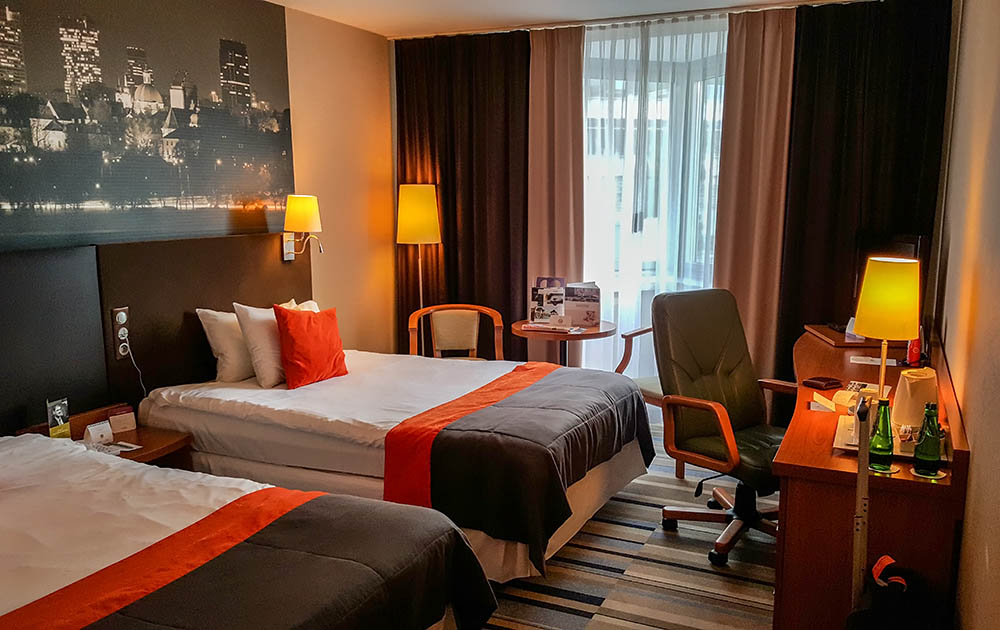
Eastern Europe also offers incredible value. Cities like Prague, Budapest, and Warsaw provide five-star experiences at a third of the cost of their Western counterparts like Zurich or Oslo. Exploring secondary cities, such as Porto instead of Lisbon, or Valencia instead of Barcelona, is another effective way to secure cheaper rooms.
Timing the Market: The Shoulder Season
The timing of your stay is the final piece of the puzzle. Booking during the “shoulder season”—the period between peak and off-peak seasons—is the sweet spot for accommodation deals. For example, visiting Italy in October or April offers pleasant weather and significantly lower hotel rates compared to the sweltering and crowded summer months.
Additionally, business-centric cities like Frankfurt or Brussels often have much cheaper hotel rooms on the weekends when corporate travelers return home. Conversely, resort destinations like Cancun or the Maldives often see price drops mid-week when the weekend vacationers have departed.
In conclusion, finding cheap hotel rooms is a multi-layered process that involves comparing OTAs like Booking.com, utilizing meta-search engines like Trivago, and taking advantage of direct booking benefits from brands like Marriott Bonvoy. By staying flexible with your destination—perhaps choosing Mexico City over Los Angeles—and leveraging financial tools from American Express, any traveler can find high-quality accommodation that fits within their budget. Whether you are looking for a luxury resort in the Philippines or a chic apartment in Buenos Aires, the tools for affordable travel are more accessible than ever before.
LifeOutOfTheBox is a participant in the Amazon Services LLC Associates Program, an affiliate advertising program designed to provide a means for sites to earn advertising fees by advertising and linking to Amazon.com. Amazon, the Amazon logo, AmazonSupply, and the AmazonSupply logo are trademarks of Amazon.com, Inc. or its affiliates. As an Amazon Associate we earn affiliate commissions from qualifying purchases.