
Embarking on a journey from the vibrant metropolis of Miami to the tranquil, sun-drenched archipelago of the Florida Keys is a quintessential American road trip experience. This route promises not just a change of scenery but a gradual immersion into a unique tropical paradise, famed for its azure waters, laid-back atmosphere, and spectacular sunsets. While the distance may seem modest on a map, the drive itself is an iconic adventure, weaving through a chain of islands connected by a remarkable feat of engineering. Understanding the precise distance, estimated travel times, and the myriad experiences along the way is crucial for planning an unforgettable Florida escape. This guide aims to provide a comprehensive overview for travelers eager to explore the path from Miami to the southernmost tip of the continental United States.
The Iconic Journey: Understanding the Distance and Drive Time
The stretch from Miami to the Florida Keys isn’t just a physical distance; it’s a transition from urban energy to island serenity. The journey officially begins as you leave the mainland and cross into Key Largo, the first of the Keys. However, depending on your exact starting point in Miami and your ultimate destination within the archipelago, the total distance and drive time can vary significantly.
Unveiling the Miles: From Mainland to Mile Marker 0
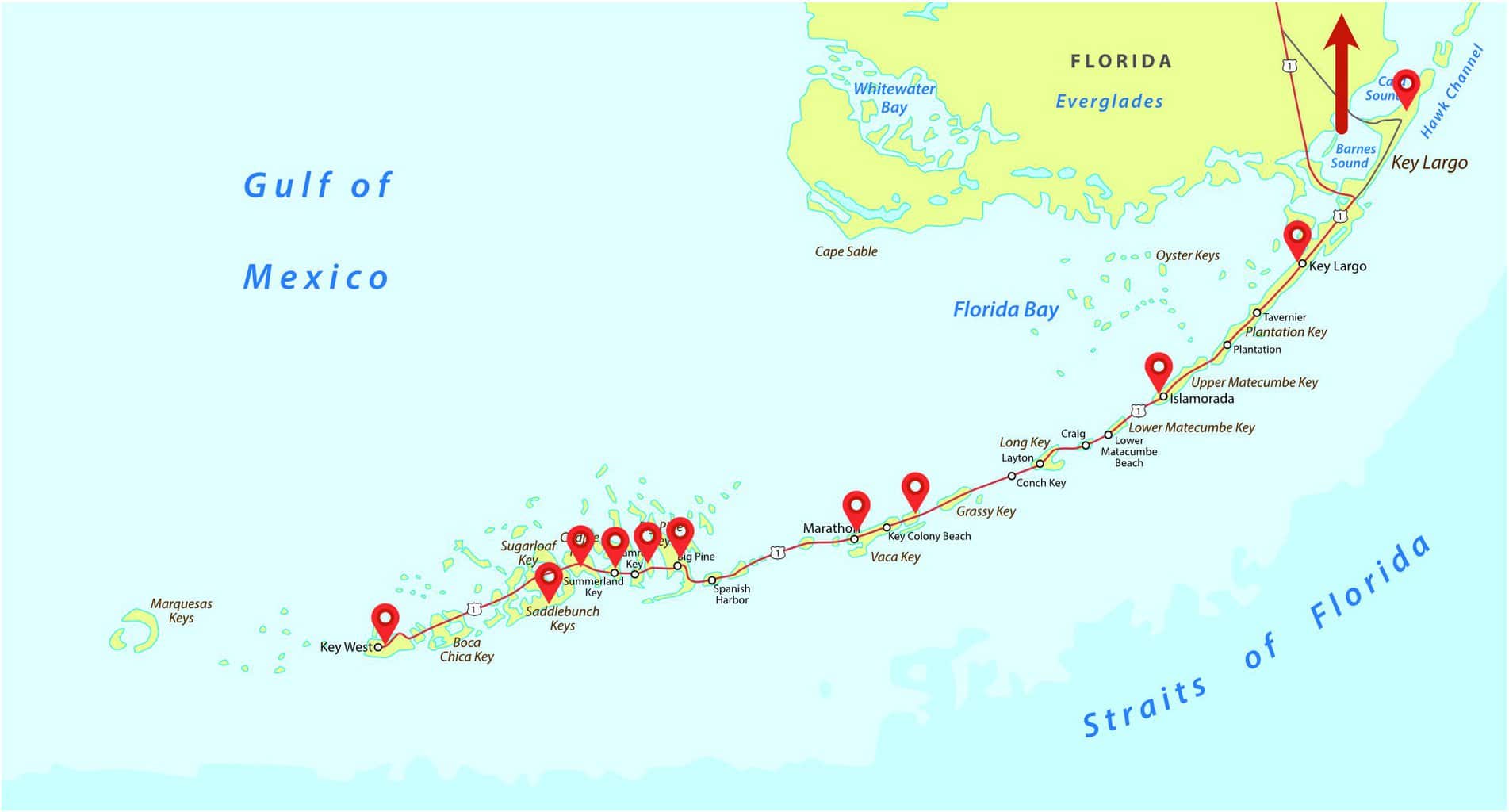
The distance from downtown Miami to Key Largo, the “Gateway to the Keys,” is approximately 60-70 miles (96-113 km). This initial segment typically takes about 1.5 to 2 hours, depending on traffic, especially during peak travel times or weekends. Once you enter Key Largo, you’re officially on the Overseas Highway (U.S. Route 1), which is famously marked by green mile markers counting down from 127 in Key Largo to Mile Marker 0 in Key West.
To provide a clearer picture:
- Miami to Key Largo (Upper Keys): Roughly 60-70 miles (1.5-2 hours)
- Miami to Islamorada (Middle Keys): Approximately 80-90 miles (2-2.5 hours)
- Miami to Marathon (Middle Keys): Around 100-110 miles (2.5-3 hours)
- Miami to Key West (Lower Keys, Mile Marker 0): About 160 miles (257 km). This full journey can take anywhere from 3.5 to 4.5 hours of pure driving time, not accounting for stops.
It’s important to remember that these are driving distances and times without factoring in the many enticing stops you’ll want to make along the way. The scenic nature of the route often encourages a slower pace, transforming a simple drive into a memorable experience.
Estimating Your Drive: Factors Influencing Travel Duration
While the distances are fixed, the time it takes to traverse them is highly variable. Several factors can significantly influence your overall travel duration:
- Traffic Conditions: Leaving Miami during rush hour can add considerable time to your journey. Similarly, weekends, especially holiday weekends, see a substantial increase in traffic on the Overseas Highway, potentially turning a 4-hour drive into a 6-hour ordeal. Planning your departure for off-peak hours (early morning or late evening) can save you considerable time.
- Speed Limits: The Overseas Highway has varying speed limits, generally ranging from 35 mph to 55 mph. Law enforcement is vigilant, so adhering to these limits is crucial not only for safety but also to avoid delays from traffic stops.
- Roadside Attractions and Pit Stops: The beauty of a Keys road trip lies in the journey itself. You’ll encounter numerous opportunities to stop for photos, grab a bite at a local eatery, explore a state park, or simply marvel at the ocean views. These planned (and unplanned) stops will naturally extend your travel time, but they are an integral part of the experience.
- Weather Conditions: Heavy rain, strong winds, or even tropical storms (especially during hurricane season from June to November) can impact driving conditions and lead to slower travel speeds or even road closures. Always check the weather forecast before you depart.
Navigating the Overseas Highway: A Scenic Route Unrivaled
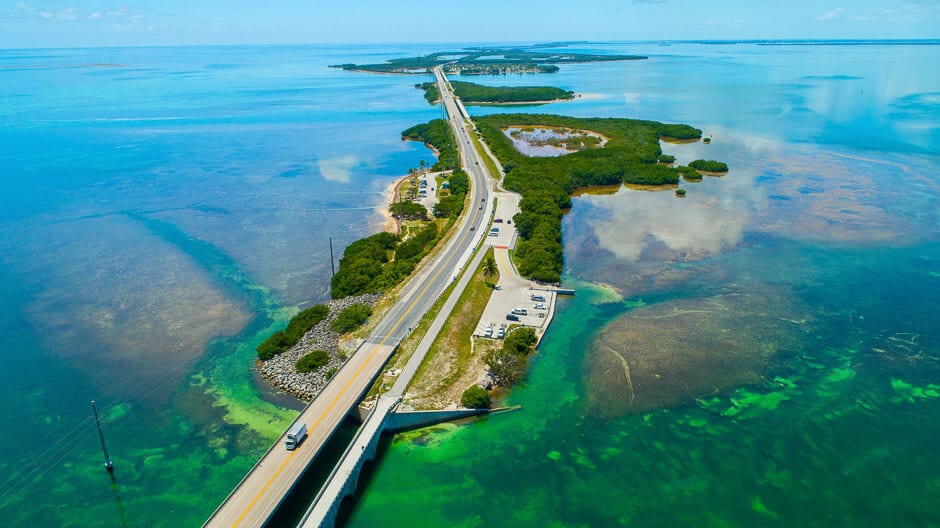
The Overseas Highway is more than just a road; it’s a destination in itself. This iconic artery stretches over 100 miles, connecting dozens of islands (or “keys”) via 42 bridges, offering unparalleled panoramic views of the Atlantic Ocean on one side and the Florida Bay or Gulf of Mexico on the other. Driving this highway is an experience that captures the essence of the Florida Keys lifestyle.
The Engineering Marvel: Bridges and Causeways
The crowning glory of the Overseas Highway is undoubtedly the Seven Mile Bridge, located in the Middle Keys. This historic bridge, actually 6.79 miles long, offers breathtaking views and is a testament to early 20th-century engineering. Driving across it, with water stretching endlessly on both sides, feels like gliding on the surface of the sea. There’s an older, decommissioned section of the bridge that runs parallel to the new one, offering unique photo opportunities and a glimpse into the past. Other notable bridges include the Long Key Bridge and the Bahia Honda Bridge, each contributing to the spectacular vista. These structures are not just functional; they are integral parts of the scenic beauty and historical narrative of the Florida Keys.
Key Stops Along the Way: Maximizing Your Road Trip Experience
To truly appreciate the journey, plan for several stops. Each Key offers its own unique charm and attractions.
- Key Largo (Mile Markers 100-90): Home to John Pennekamp Coral Reef State Park, the first underwater park in the U.S. It’s a prime spot for snorkeling, diving, or taking a glass-bottom boat tour to explore vibrant coral reefs.
- Islamorada (Mile Markers 90-70): Known as the “Sportfishing Capital of the World.” This stretch boasts fantastic restaurants, art galleries, and opportunities for fishing charters. Don’t miss feeding the tarpon at the Robbie’s of Islamorada marina or visiting the History of Diving Museum. The Islamorada Beer Company is also a popular stop for craft beer enthusiasts.
- Marathon (Mile Markers 60-40): Situated around the midpoint of the Keys, Marathon offers attractions like the Dolphin Research Center and the Turtle Hospital, where you can learn about conservation efforts. It’s also the location of the historic Pigeon Key accessible via a shuttle or by walking a portion of the old Seven Mile Bridge.
- Big Pine Key (Mile Markers 33-30): Famous for the National Key Deer Refuge, where you can spot the endangered miniature Key deer.
- Bahia Honda State Park (Mile Marker 30): Consistently ranked among the best beaches in the U.S., offering pristine sands, excellent snorkeling, and stunning views of the old Bahia Honda Bridge.
- Key West (Mile Marker 0): The grand finale. Explore the vibrant Duval Street, visit the Ernest Hemingway Home and Museum, snap a photo at the Southernmost Point buoy, and experience the sunset celebration at Mallory Square.
Planning Your Florida Keys Adventure: Beyond Just Driving
A successful trip to the Florida Keys involves more than just knowing the distance; it’s about tailoring the experience to your preferences and ensuring smooth logistics.
Choosing Your Key Destination: Upper, Middle, or Lower Keys
The Florida Keys are often divided into three main regions, each with its distinct character:
- Upper Keys (Key Largo, Islamorada): Closest to Miami, these keys are renowned for their incredible snorkeling and diving opportunities, vibrant reef ecosystems, and excellent fishing. They offer a slightly more upscale, yet still relaxed, atmosphere.
- Middle Keys (Marathon, Grassy Key, Duck Key): Characterized by longer stretches of land and a strong emphasis on boating, fishing, and family-friendly attractions. Marathon serves as a commercial hub with a good selection of amenities.
- Lower Keys (Big Pine Key, Key West): Wildest and most remote, featuring the unique Key deer and the bustling, historic party town of Key West. This is where you’ll find the iconic sunsets, quirky architecture, and vibrant nightlife.
Your choice of destination will dictate how far you need to drive and the specific activities you’ll focus on.
Ideal Times to Travel: Weather and Crowds
The Florida Keys enjoy a tropical climate, but there are distinct seasons that influence travel conditions:
- Peak Season (December to May): This is the dry season, offering comfortable temperatures (70s-80s F / 20s-27s C), low humidity, and minimal rain. It’s the most popular time to visit, meaning higher prices for accommodations and more crowds. Book well in advance.
- Off-Peak Season / Hurricane Season (June to November): Temperatures are hotter and more humid, with a higher chance of daily afternoon thunderstorms. This is also hurricane season, so travel insurance is highly recommended. However, you’ll find lower prices and fewer crowds, offering a more relaxed experience for budget-conscious travelers or those who prefer solitude.
- Shoulder Seasons (Late May, Early December): These periods can offer a good balance of pleasant weather and fewer crowds compared to the absolute peak.
Essential Packing and Preparation Tips
- Sun Protection: Sunscreen, hats, sunglasses, and rash guards are non-negotiable. The Florida sun is intense.
- Hydration: Always carry water, especially during stops and outdoor activities.
- Insect Repellent: Mosquitoes and no-see-ums can be present, particularly at dawn and dusk.
- Footwear: Water shoes, flip-flops, and comfortable walking shoes are all useful.
- Vehicle Check: Ensure your car is in good condition, especially tires and fluids, before embarking on the drive. Gas stations become less frequent as you go further south.
- Navigation: While the Overseas Highway is straightforward, a GPS or map app is helpful for pinpointing specific attractions and avoiding unexpected detours.
- Booking in Advance: Especially during peak season, securing accommodations, popular tours, and even dinner reservations in Key West is highly advisable.
Alternative Transportation Options
While the road trip is quintessential, not everyone prefers to drive, or perhaps they’re flying into Miami and seeking other modes of transport.
Bus Services: A Budget-Friendly Choice
Companies like Greyhound and local operators offer bus services from Miami to various points in the Florida Keys, including Key West. This can be a cost-effective option for solo travelers or those on a budget. However, bus schedules are less flexible, and travel times are generally longer due to multiple stops. It also limits your ability to explore the smaller, off-highway attractions.
Private Shuttles and Car Services: Convenience and Comfort
For those valuing convenience and comfort, private shuttle services and car hires are available. These services can pick you up directly from Miami International Airport or your hotel in Miami and transport you directly to your accommodation in the Keys. While more expensive than buses, they offer flexibility, comfort, and the ability to relax and enjoy the scenery without the stress of driving. This can be a good option for families or groups.
Flying Options: Connecting to Local Airports
While not a direct “how far” answer for ground travel, flying directly into the Florida Keys is an option. Key West International Airport (EYW) offers connections from several major U.S. cities, including some direct flights from Miami or Fort Lauderdale. This is the fastest way to reach Key West, drastically cutting down travel time. However, it bypasses the scenic road trip experience entirely and can be more expensive, especially if you then need to rent a car for local exploration.
Why the Journey Itself is a Destination
The journey from Miami to the Florida Keys is not merely about covering distance; it’s an adventure that unfolds with every mile. The transition from the bustling city to the laid-back island vibe is palpable, and the scenery is unlike anywhere else in the world.
Embracing the “Keys State of Mind”
As you drive further south, you’ll notice a distinct shift in pace and atmosphere. The “Keys state of mind” is real: a relaxed, unhurried approach to life where worries seem to dissolve with the salty air. This journey allows you to gradually shed urban stress and embrace the tranquil rhythm of island living. It’s about savoring the moment, whether it’s gazing at the endless horizon, enjoying fresh seafood at a roadside shack, or spotting a unique local bird.

Unforgettable Views and Photo Opportunities
From the vibrant turquoise waters flanking the Overseas Highway to the dense mangrove forests and the quaint, colorful architecture of the Keys’ towns, photo opportunities abound. The Seven Mile Bridge offers perhaps the most iconic views, but every turn presents a picturesque vista. Sunrises over the Atlantic Ocean and sunsets over the Gulf of Mexico are legendary, creating a stunning backdrop for your travel memories. Capturing these moments is a rewarding part of the Florida Keys experience.
In conclusion, the distance from Miami to the Florida Keys is quantifiable, but the journey offers an immeasurable richness. Whether you’re heading to Key Largo for a quick dive trip or to Key West for a full immersion into its unique culture, the drive itself is a significant part of the allure. Plan wisely, drive safely, and be prepared to be captivated by one of Florida’s most scenic and memorable routes.
LifeOutOfTheBox is a participant in the Amazon Services LLC Associates Program, an affiliate advertising program designed to provide a means for sites to earn advertising fees by advertising and linking to Amazon.com. Amazon, the Amazon logo, AmazonSupply, and the AmazonSupply logo are trademarks of Amazon.com, Inc. or its affiliates. As an Amazon Associate we earn affiliate commissions from qualifying purchases.