
Embarking on a road trip through the vast and diverse landscapes of Arizona promises an unforgettable experience, from the awe-inspiring depths of the Grand Canyon to the vibrant deserts surrounding Phoenix and Tucson. A common concern for many travelers planning their adventure across the Grand Canyon State is understanding the local road infrastructure, particularly the presence of toll roads. Navigating unfamiliar territories can be daunting, and the last thing anyone wants is an unexpected toll charge. This comprehensive guide aims to demystify Arizona’s approach to its roadways, ensuring your journey is as smooth and cost-effective as possible.
The Short Answer: Arizona’s Approach to Roadways
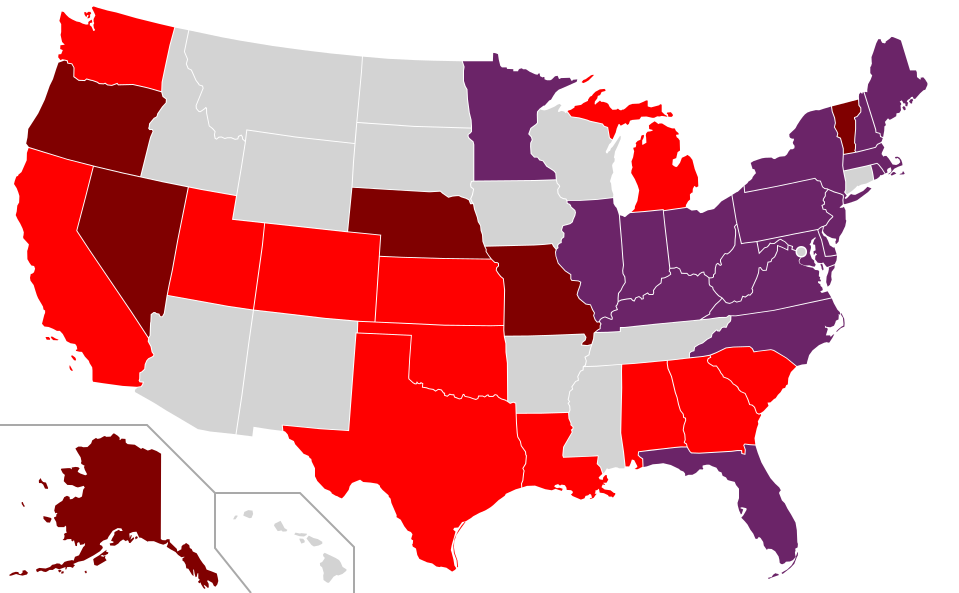
For travelers accustomed to navigating toll systems in other states or countries, the news regarding Arizona’s roads will likely be a welcome relief. The simple, direct answer to the question “Does Arizona have toll roads?” is no. As of the present, the state of Arizona does not operate any traditional toll roads, toll bridges, or toll tunnels for public use. This means that when you drive across the expansive network of interstates, state highways, and local roads, you will not encounter toll booths requiring payment, nor will you receive a bill in the mail for using specific roadways.
No Traditional Toll Roads
Unlike many other states within the United States that utilize tolls to fund infrastructure projects or manage traffic, Arizona has historically opted for different funding mechanisms. The state’s transportation infrastructure is primarily supported by state and federal fuel taxes, vehicle registration fees, and other general tax revenues. This long-standing policy simplifies travel significantly for both residents and visitors, removing the need to carry cash for tolls, purchase electronic toll transponders, or worry about navigating complex payment systems.
Funding Public Infrastructure in Arizona
The absence of toll roads in Arizona doesn’t mean a lack of investment in its road network. The Arizona Department of Transportation (ADOT) is responsible for maintaining and improving the state’s highways, bridges, and other transportation facilities. These crucial projects are funded through a combination of resources, primarily the state’s gasoline tax, which contributes significantly to the Highway User Revenue Fund (HURF). This fund is then distributed to various transportation projects across the state, ensuring that Arizona’s roads remain well-maintained and accessible without direct user fees in the form of tolls. This approach aligns with the state’s vision of fostering economic growth and facilitating seamless travel for its growing population and robust tourism industry.
Navigating Arizona: Understanding the Road Network
While you won’t encounter toll booths, understanding the structure of Arizona’s road network is still crucial for an efficient and enjoyable travel experience. The state boasts a well-developed system of interstates, state routes, and scenic byways that connect its major cities, natural wonders, and smaller towns.
Major Interstates and Highways
The backbone of Arizona’s transportation system comprises several key interstate highways that traverse the state, facilitating long-distance travel.
- Interstate 10 (I-10): This major east-west artery cuts through Phoenix and Tucson, connecting Arizona to California in the west and New Mexico in the east. It’s a critical route for commercial traffic and travelers alike.
- Interstate 17 (I-17): Running north-south, I-17 is the primary route connecting Phoenix to Flagstaff, serving as the gateway to the Grand Canyon and other northern Arizona attractions. This stretch offers a dramatic change in elevation and scenery, from desert floor to pine forests.
- Interstate 40 (I-40): This interstate crosses northern Arizona east-west, passing through cities like Flagstaff and Kingman. It largely follows the historic Route 66 corridor, offering access to iconic landmarks and towns along the way.
These interstates are generally well-maintained, multi-lane highways designed for efficient travel. While they are toll-free, be aware of speed limits, which can vary, and potential traffic congestion, especially in and around metropolitan areas during peak hours.
Scenic Byways and Backroads
Beyond the major interstates, Arizona is renowned for its numerous scenic byways and less-traveled backroads, which offer breathtaking views and access to remote natural beauty. These routes, like the Red Rock Scenic Byway near Sedona or portions of historic Route 66, are often the highlight of an Arizona road trip. They are also entirely toll-free, inviting travelers to explore at their own pace. When venturing onto these less-trafficked routes, especially in rural or wilderness areas, it’s wise to ensure your vehicle is prepared, and you have adequate fuel and supplies, as services can be sparse. Some remote areas might involve unpaved roads, so check conditions if planning to deviate from paved routes.
Planning Your Arizona Road Trip: Key Considerations
With the absence of tolls firmly established, you can focus on other essential aspects of planning your Arizona road trip. A well-planned itinerary will enhance your travel experience and ensure a hassle-free journey.
Fuel Costs and Availability
While tolls aren’t a concern, fuel costs certainly are. Arizona is a large state, and distances between towns, especially in rural areas, can be significant. It’s crucial to monitor your fuel gauge and fill up whenever possible, particularly before heading into national parks, forests, or remote desert regions. Fuel prices can fluctuate, and they tend to be higher in isolated areas. Planning your stops around major towns like Phoenix, Tucson, Flagstaff, or Yuma can help you find more competitive prices.
Vehicle Preparation and Maintenance
Given the vast distances and sometimes extreme climate conditions in Arizona, thorough vehicle preparation is paramount. Before setting out, ensure your car is in excellent working order.
- Tires: Check tire pressure and tread depth. Spare tire, jack, and lug wrench should be accessible and in good condition.
- Fluids: Top off engine oil, coolant, brake fluid, and windshield wiper fluid. Overheating can be a serious issue in Arizona’s summer heat.
- Air Conditioning: A functional AC system is essential for comfort and safety during warmer months.
- Emergency Kit: Pack an emergency kit including water, snacks, a first-aid kit, flashlight, blankets, jumper cables, and a fully charged cell phone.
Understanding Driving Laws and Conditions
Arizona driving laws are similar to those in other United States states, but specific conditions warrant attention. Speed limits are generally high on interstates (up to 75 mph in some areas) but drop significantly in urban and residential zones. Be aware of dust storms (haboobs) during monsoon season (typically July to September), which can severely reduce visibility. Always pull off the road and wait out a dust storm if visibility becomes too low. Additionally, watch out for wildlife, especially at dawn and dusk, in rural areas.
Beyond Tolls: Exploring Arizona’s Iconic Destinations
With the logistics of tolls out of the way, your Arizona road trip can fully focus on the incredible destinations awaiting discovery. The state is a treasure trove of natural wonders, vibrant cities, and rich cultural heritage.
The Grand Canyon National Park
No visit to Arizona is complete without witnessing the majestic Grand Canyon National Park. Accessible via scenic drives from Flagstaff (South Rim) or Kingman (North Rim, seasonally), the park offers unparalleled vistas, hiking trails, and a profound connection to nature. Entrance to the park does involve a fee, but this is a park entrance fee, not a road toll.
Sedona’s Red Rocks
South of Flagstaff lies Sedona, famous for its stunning red rock formations, spiritual vortexes, and thriving arts community. The drive into Sedona itself, particularly along Highway 89A through Oak Creek Canyon, is an attraction in itself, offering spectacular views at every turn—all without a single toll.
The Vibrant Cities of Phoenix and Tucson
Phoenix, the state capital, is a bustling metropolis nestled in the Sonoran Desert. It offers world-class dining, museums, desert botanical gardens, and access to outdoor activities like hiking in the Camelback Mountain area. Further south, Tucson boasts a rich blend of Native American, Spanish, Mexican, and Old West influences, evident in its historic architecture and vibrant culinary scene. Both cities are easily navigable by car, and their extensive road networks are entirely toll-free. Other notable cities like Scottsdale, Mesa, and Prescott also offer unique attractions and are part of Arizona’s toll-free road system.
Desert Landscapes and Outdoor Adventures
Beyond the famous landmarks, Arizona offers countless opportunities for outdoor adventure across its diverse landscapes. Explore the saguaro cactus forests of Saguaro National Park near Tucson, marvel at the petrified wood and painted desert of Petrified Forest National Park, or visit the iconic formations of Monument Valley on the Navajo Nation. For water-based activities, the Colorado River and its reservoirs, including Lake Havasu City and Lake Mead near the Hoover Dam, provide opportunities for boating, fishing, and swimming. All these adventures are accessible via Arizona’s extensive, toll-free road system.
Tips for a Smooth Drive Through the Grand Canyon State
Driving in Arizona is generally a pleasant experience, but a few additional tips can make your journey even smoother.
Staying Hydrated and Prepared
Always carry plenty of water, especially during the warmer months (April to October). Dehydration can occur quickly in the dry desert climate. Sunscreen, hats, and sunglasses are also essential. If hiking, inform someone of your plans and estimated return time.
Respecting Wildlife and Nature
Arizona’s diverse ecosystems are home to a wide array of wildlife. Drive cautiously, especially at dawn and dusk, to avoid collisions with deer, elk, or other animals. When visiting natural areas, practice Leave No Trace principles: pack out everything you pack in, stay on marked trails, and never disturb wildlife or natural features.
Utilizing Navigation Tools
While Arizona’s road signage is generally good, a reliable GPS or smartphone navigation app is invaluable, especially when exploring less-familiar areas or seeking specific attractions. Download offline maps if venturing into remote regions where cell service may be spotty.
Best Times to Visit
The shoulder seasons (spring and fall) are often considered the best times for an Arizona road trip, offering pleasant temperatures for exploring both the desert and higher elevations. Summers can be intensely hot in the lower deserts but are ideal for visiting the cooler northern parts of the state. Winters are mild in the south but can bring snow to the mountains and northern plateaus, adding a different kind of beauty to the landscape.
In conclusion, rest assured that your driving adventures across Arizona will be free from the complexities and costs associated with toll roads. This allows you to focus entirely on the breathtaking scenery, rich history, and countless attractions that make the Grand Canyon State a premier destination for road travelers. Pack your bags, fuel up your vehicle, and prepare for an unforgettable journey through one of America’s most spectacular states.
LifeOutOfTheBox is a participant in the Amazon Services LLC Associates Program, an affiliate advertising program designed to provide a means for sites to earn advertising fees by advertising and linking to Amazon.com. Amazon, the Amazon logo, AmazonSupply, and the AmazonSupply logo are trademarks of Amazon.com, Inc. or its affiliates. As an Amazon Associate we earn affiliate commissions from qualifying purchases.