
The journey from the vibrant, bustling streets of New York to the sun-drenched beaches and pulsating rhythm of Miami is one of the most popular air routes in the United States. Millions of travelers annually traverse this path, seeking everything from business opportunities to tropical getaways. Understanding the duration of this flight is often the first step in planning such a trip, influencing everything from meeting schedules to vacation itineraries. While the exact time can vary, the direct flight connecting these two iconic cities is remarkably swift, making a spontaneous escape or a quick business trip entirely feasible. This article delves into the specifics of flight times, the factors that influence them, and what to expect when embarking on this popular journey.
The Direct Answer: Flight Duration Explained
When considering a flight from New York to Miami, the most common query revolves around how quickly one can transition from skyscrapers to palm trees. For most travelers, the good news is that this is a relatively short haul, connecting two major East Coast hubs with efficiency.
Average Flight Time
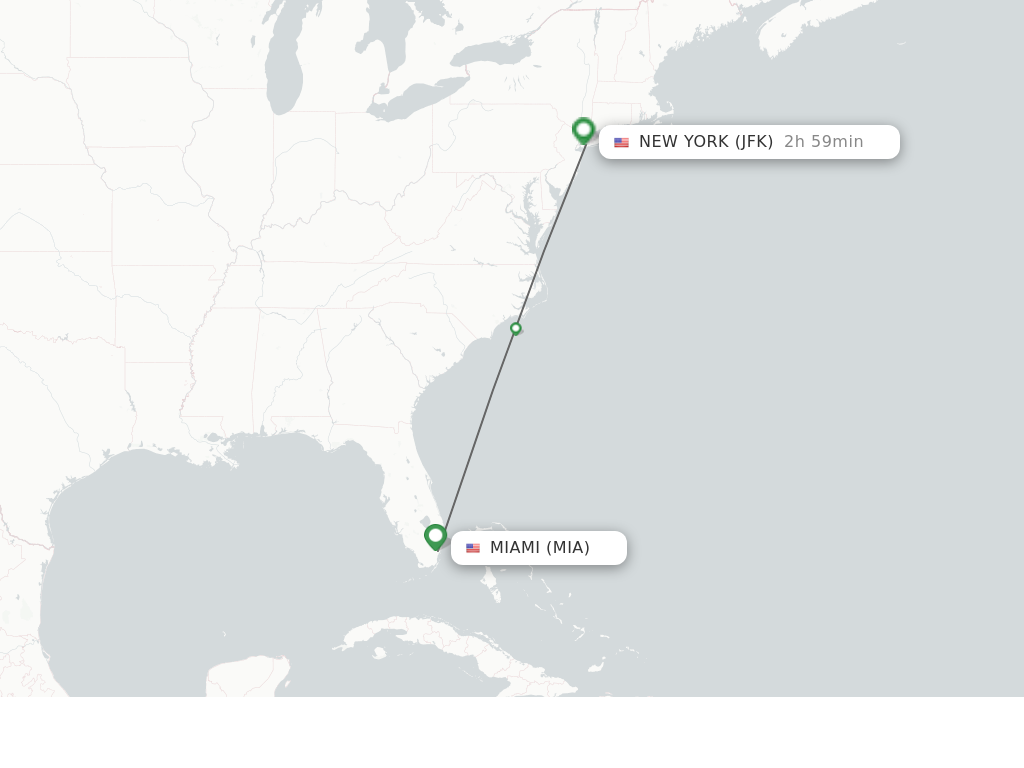
A direct, non-stop flight from New York to Miami typically clocks in at approximately 2 hours and 45 minutes to 3 hours and 15 minutes. This duration refers to the actual time spent airborne, from takeoff to landing. It’s crucial to distinguish this from the total travel time, which would include pre-flight check-ins, security screenings, boarding, taxiing, and post-landing procedures such as disembarkation and baggage claim. For context, this means you can enjoy a full breakfast in Manhattan and be sipping a cocktail on South Beach well before lunchtime. While this is the general range for direct flights, connecting flights, naturally, will extend your journey significantly depending on the layover city and duration. Given the high frequency of direct services, most travelers prioritize the convenience and speed of a non-stop option.
Factors Influencing Flight Duration
While the average flight time provides a solid estimate, several variables can subtly or significantly impact the actual duration of your journey. Being aware of these can help manage expectations and even influence booking decisions.
Aircraft Type and Cruising Speed
Different aircraft models possess varying cruising speeds and operational efficiencies. Larger, more modern jets like the Boeing 737 or Airbus A320 series, commonly used on this route by major carriers, are designed for efficient short-to-medium haul flights. While the differences in speed between these aircraft might only shave off a few minutes, they contribute to the overall flight scheduling and time estimates provided by airlines. Older models or smaller regional jets, if used on this route, might experience slightly longer flight times.
Air Traffic Control (ATC) and Congestion
The airspace around major metropolitan areas like New York and Miami is among the busiest in the world. Air Traffic Control (ATC) plays a critical role in managing the flow of aircraft, ensuring safety and efficiency. However, high volumes of traffic, especially during peak travel seasons or specific times of day, can lead to delays. This might manifest as holding patterns before landing, slower taxiing times on the ground, or slight deviations in the flight path to accommodate other aircraft. Such congestion can add anywhere from a few minutes to half an hour or more to the scheduled flight time.
Weather Conditions
Weather is an undeniable factor in aviation. Headwinds, where the aircraft flies against a strong current of air, can significantly increase flight duration by requiring more power and slowing ground speed. Conversely, tailwinds, where the aircraft is pushed by the wind, can shorten the flight. Major storm systems, fog, or heavy precipitation at either the departure or arrival airport can also lead to rerouting, delays, or even cancellations, impacting the overall journey length. Pilots constantly receive updated weather information to make real-time adjustments for safety and efficiency.
Flight Path and Route Optimization
Airlines and ATC continuously work to optimize flight paths for efficiency, fuel consumption, and safety. While there’s a general corridor for the New York to Miami route, minor adjustments are common. These might involve flying around restricted airspace, avoiding severe weather, or utilizing preferred air corridors. Such optimization is usually aimed at making the flight faster, but occasionally, a longer route might be necessary due to external factors.
Airports and Airlines Serving the Route
The popularity of the New York to Miami corridor means it is exceptionally well-serviced by numerous airlines and across multiple airports, offering travelers a wealth of choices in terms of convenience and price.
Major Departure Hubs in New York
Travelers departing from the New York metropolitan area have three primary international airports at their disposal, each with its own advantages.
John F. Kennedy International Airport (JFK)
John F. Kennedy International Airport (JFK) is one of the busiest international gateways in the United States and offers a vast array of direct flights to Miami. Known for its extensive international connections, JFK is often preferred by those connecting from other international flights or those residing in Queens or Long Island.
LaGuardia Airport (LGA)
LaGuardia Airport (LGA), recently undergoing significant renovations, primarily handles domestic flights. Its closer proximity to Manhattan makes it a convenient option for many city dwellers. LGA offers frequent direct services to Miami, especially with carriers focusing on domestic routes.
Newark Liberty International Airport (EWR)
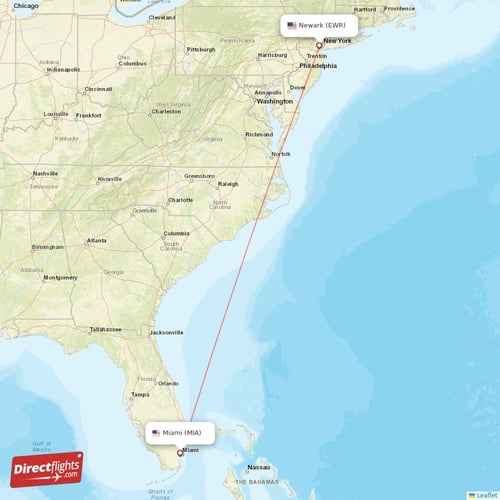
While technically located in Newark, New Jersey, Newark Liberty International Airport (EWR) serves the greater New York City area and is a major hub, particularly for United Airlines. EWR provides numerous direct flights to Miami and is often a good choice for those coming from New Jersey or the western parts of New York City.
Main Arrival Airport in Miami
The primary gateway to South Florida for flights from New York is Miami International Airport.
Miami International Airport (MIA)
Miami International Airport (MIA) is a bustling international hub and the direct point of arrival for the vast majority of New York flights. Situated just northwest of Downtown Miami, MIA offers extensive ground transportation options to various parts of the city and beyond.
Fort Lauderdale-Hollywood International Airport (FLL)
An alternative, especially for travelers heading north of Miami or looking for potentially lower fares, is Fort Lauderdale-Hollywood International Airport (FLL). While it requires an additional drive to reach Miami proper, it’s a viable option served by many of the same airlines.
Key Airlines Operating NYC-MIA Flights
The route between New York and Miami is highly competitive, serviced by a mix of full-service and budget carriers, each offering different amenities and price points.
- Major Carriers: American Airlines (with a major hub at MIA), Delta Air Lines, United Airlines, and JetBlue Airways are prominent players, offering numerous daily flights. They typically provide a higher level of service, including various fare classes and in-flight amenities.
- Budget Carriers: Spirit Airlines and Frontier Airlines also operate frequently on this route, often appealing to travelers seeking the lowest possible fares, though usually with additional costs for baggage, seat selection, and other services.
Optimizing Your Journey: Beyond Flight Time
While the flight duration is relatively short, a smooth travel experience involves more than just the time spent in the air. Strategic planning can significantly enhance your comfort and efficiency.
Booking Strategies for the Best Experience
Smart booking choices can make a substantial difference in your overall travel satisfaction.
When to Book and What to Consider
Generally, booking your flight in advance (typically 2-3 months out) can yield better prices, especially for popular routes like New York to Miami. However, last-minute deals can sometimes emerge, though they are less predictable. Consider travel during off-peak seasons (e.g., late spring or early fall) to find more availability and potentially lower fares. When selecting a flight, prioritize direct options for the quickest journey. Evaluate the reputation of the airline for on-time performance and customer service, as these can impact your overall experience. Also, consider the departure and arrival times—a very early morning flight might get you to Miami quickly, but requires an early start in New York.
Non-Stop vs. Connecting Flights
As highlighted earlier, non-stop flights are unequivocally the fastest. While connecting flights might sometimes be cheaper, they add significant travel time, not just due to the layover but also the increased risk of delays, missed connections, and baggage issues. For a route as well-serviced as New York to Miami, the incremental savings rarely justify the added hassle and time of a connecting journey unless your budget is extremely tight.
Pre-Flight and In-Flight Tips
Even for a short flight, a few proactive steps can ensure a more relaxed trip.
Arriving Early and Navigating Security
Always arrive at the airport with ample time, typically 1.5 to 2 hours before a domestic flight, especially when departing from busy New York area airports. This allows for potential delays at check-in, security, or when navigating large terminals. Consider enrolling in programs like TSA PreCheck or Clear to expedite security screenings, significantly reducing wait times and stress.
Staying Comfortable and Prepared
Despite the relatively short duration, comfort is key. Dress in layers, as cabin temperatures can fluctuate. Bring a good book, download movies or podcasts, or utilize the in-flight entertainment offered by some carriers. Staying hydrated is also important; while the flight is short, dehydration can contribute to fatigue. Ensure your electronic devices are fully charged and that you have any necessary chargers. Finally, manage your expectations regarding potential delays. While airlines strive for punctuality, unforeseen circumstances can arise, so build a small buffer into your post-arrival plans if they are time-sensitive.
What to Expect Upon Arrival in Miami
Stepping off the plane at MIA after a swift flight from New York immediately transports you to a different world. The subtropical climate, the vibrant energy, and the promise of South Florida adventures await.
Getting from the Airport to Your Destination
MIA is well-equipped with various transportation options to get you to your final destination efficiently.
- MIA Mover: This automated people mover connects the airport terminals to the Miami Intermodal Center (MIC), where you can access Metrorail (Miami’s elevated rapid transit system), Metrobus, and the rental car center.
- Taxis & Ride-Shares: Taxis are readily available outside baggage claim, and popular ride-sharing services like Uber and Lyft operate throughout the airport.
- Car Rentals: Miami is a city best explored by car for many, and the consolidated rental car center at MIA offers numerous options.
- Location Accessibility: Depending on your destination, travel times will vary. Downtown Miami and Brickell are typically a 15-20 minute drive, South Beach around 20-30 minutes, and picturesque areas like Coral Gables or Coconut Grove similar distances.

Embracing the Miami Vibe
Once you’ve settled in, Miami offers a wealth of experiences, a stark contrast to the New York you just left. Expect warm weather, a vibrant Latin American influence, stunning beaches, art deco architecture, and an energetic nightlife. From the art galleries of Wynwood to the culinary delights of Little Havana, there’s a dynamic atmosphere that beckons exploration and relaxation. The short flight time truly makes Miami feel like an easily accessible extension of the East Coast’s premier travel destinations.
In conclusion, the flight from New York to Miami is a quick and efficient journey, typically lasting under 3.5 hours for a direct service. With multiple airports and airlines serving this popular route, travelers have ample flexibility in planning their trips. By understanding the factors that influence flight duration and employing smart travel strategies, you can ensure a smooth transition from the urban intensity of New York to the sunny, leisurely pace of Miami, ready to embrace all that South Florida has to offer.
LifeOutOfTheBox is a participant in the Amazon Services LLC Associates Program, an affiliate advertising program designed to provide a means for sites to earn advertising fees by advertising and linking to Amazon.com. Amazon, the Amazon logo, AmazonSupply, and the AmazonSupply logo are trademarks of Amazon.com, Inc. or its affiliates. As an Amazon Associate we earn affiliate commissions from qualifying purchases.