
Embarking on a journey to the enchanting landscapes of Arizona often begins with a fundamental question: “How long will it take to get there?” While the allure of the Grand Canyon, the vibrant Sonoran Desert, or the artistic hubs of Sedona and Scottsdale might be the ultimate draw, understanding the intricacies of flight duration is crucial for planning a seamless and enjoyable travel experience. The answer, however, isn’t a single number but rather a dynamic calculation influenced by a multitude of factors, from your departure city to the type of flight you choose. This guide delves into these variables, offering a comprehensive overview to help you anticipate your travel time to the Grand Canyon State.

Understanding Flight Duration Factors
The perceived simplicity of a flight itinerary often belies the complex interplay of elements that determine its actual duration. For travelers heading to Arizona, grasping these factors is key to setting realistic expectations and planning accordingly.
Direct Flights Versus Connecting Journeys
The most significant differentiator in flight time is whether your journey is direct or involves one or more connections. A direct flight (also known as a non-stop flight) takes you from your origin to your destination without any intermediate stops, representing the most efficient use of time in the air. In contrast, connecting flights include layovers at one or more airports, significantly extending your overall travel time. While the actual “flight time” (wheels up to wheels down) might be similar across segments, the addition of waiting periods, gate transfers, and potential delays can easily add several hours or even a full day to your itinerary. Choosing a direct flight, when available, is almost always the quickest option, though it may sometimes come at a premium.
Origin City and Distance
Logically, the further your starting point is from Arizona, the longer your flight will be. A flight from Los Angeles on the West Coast will naturally be much shorter than one originating from New York City on the East Coast. This geographical reality is the primary determinant of in-air flight duration. Airlines calculate routes and estimated flight times based on the great-circle distance between two points, accounting for typical cruising speeds. Travelers should consult flight search engines or airline websites, inputting their specific departure city, for the most accurate estimates.
Aircraft Type and Speed
While passengers might not always consider it, the type of aircraft used for a flight can slightly influence its duration. Larger, more modern jets often have greater cruising speeds and can fly at higher altitudes, potentially shaving a few minutes off a longer journey compared to older or smaller regional jets. However, for most commercial flights on popular routes, these differences are usually minor and less impactful than factors like distance or weather. For the average traveler, focusing on direct versus connecting options will yield more significant time savings than scrutinizing aircraft models.
Weather Conditions and Air Traffic
Nature and human systems can conspire to alter even the most precisely planned flight schedules. Weather conditions, such as strong headwinds, can increase flight duration as the aircraft expends more energy to maintain speed against resistance. Conversely, tailwinds can shorten travel times. Severe weather at either the departure or arrival airport, or along the flight path, can lead to delays, diversions, or even cancellations, adding unpredictable amounts of time to your journey. Similarly, air traffic control (ATC) directives play a crucial role. Congested airspace around major hubs, unexpected runway closures, or national security restrictions can necessitate rerouting or holding patterns, extending the time an aircraft spends in the air or on the ground. While these factors are beyond a traveler’s control, being aware of their potential impact helps in managing expectations and planning for contingencies.
Common Departure Points and Estimated Flight Times to Arizona
Arizona is a popular destination, and its major airports are well-connected to cities across the United States and beyond. While specific times can vary due to the factors mentioned above, here are general estimates for direct flights from various regions. These estimates typically refer to flights landing at Phoenix Sky Harbor International Airport (PHX), the state’s largest and busiest airport.
East Coast Departures
Travelers originating from the East Coast will experience some of the longest domestic flight durations to Arizona. These routes often span the breadth of the country, crossing multiple time zones.
- New York City (JFK, LGA, EWR): Direct flights typically range from 5 to 6 hours.
- Boston (BOS): Expect a direct flight of approximately 5.5 to 6 hours.
- Miami (MIA): Flights usually take around 4.5 to 5 hours directly.
- Washington D.C. (IAD, DCA, BWI): Direct flights are generally in the 4.5 to 5.5-hour range.
- Orlando (MCO): Direct routes typically last 4 to 4.5 hours.
For those on the East Coast, connecting flights are common, especially from smaller airports, and can extend total travel time significantly, often ranging from 7 to 10+ hours including layovers.
Midwest Departures
Cities in the Midwest offer more moderate flight durations to Arizona, often falling into a comfortable middle ground for domestic travel.
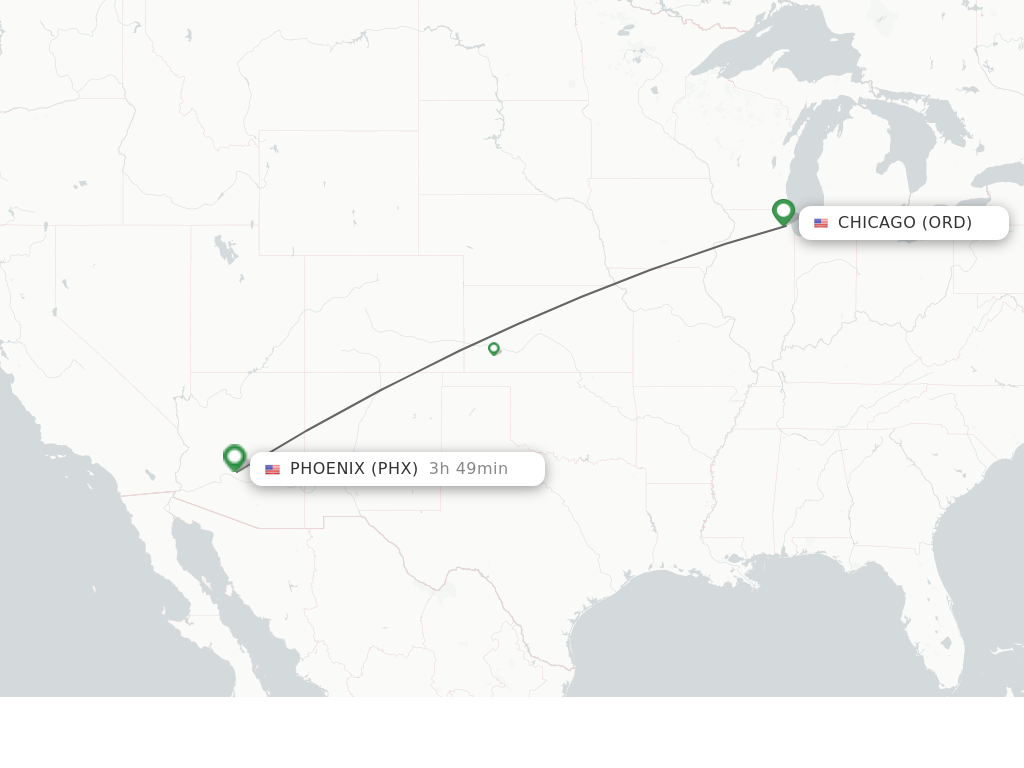
- Chicago (ORD, MDW): Direct flights are usually between 3 to 4 hours.
- Dallas (DFW, DAL): This relatively shorter route typically takes 2 to 2.5 hours directly.
- Denver (DEN): Due to its proximity, direct flights are quite short, often around 1.5 to 2 hours.
- Minneapolis (MSP): Expect direct flights of approximately 3.5 to 4 hours.
- St. Louis (STL): Direct service generally lasts around 3 hours.
Many Midwest cities offer frequent direct flights to Phoenix due to strong business and leisure travel ties, making travel relatively straightforward.
West Coast Departures
As the closest major population centers, West Coast cities enjoy the shortest flight times to Arizona. These routes are often comparable to commuter flights in length.
- Los Angeles (LAX, LGB, SNA, BUR): Direct flights are remarkably quick, typically just 1 to 1.5 hours.
- San Francisco (SFO, OAK, SJC): Direct travel usually spans 1.5 to 2 hours.
- Seattle (SEA): Flights from the Pacific Northwest are longer but still efficient, around 2.5 to 3 hours directly.
- Las Vegas (LAS): This is one of the shortest routes, often under 1 hour for a direct flight.
The high frequency of flights from the West Coast makes spontaneous trips to Arizona particularly feasible, with many daily direct options.
International Considerations
For travelers arriving from outside North America, a direct flight to Arizona is less common. Most international journeys will involve at least one connection at a major U.S. gateway airport (such as Los Angeles, Dallas, Chicago, or New York City) before continuing to Phoenix or Tucson. The total travel time, including international flight segments, customs, and layovers, can easily range from 10-12 hours for nearby countries like Canada or Mexico to 15-24+ hours for destinations in Europe, Asia, or Australia.
Major Airports in Arizona and Their Reach
Arizona is served by a network of airports, but two stand out as the primary gateways for commercial air travel, especially for visitors from outside the state. Understanding which airport best suits your final destination within Arizona can significantly impact your overall travel efficiency.
Phoenix Sky Harbor International Airport (PHX)
Without a doubt, Phoenix Sky Harbor International Airport is the largest and most well-connected airport in Arizona. Located just a few miles from downtown Phoenix, it serves as a major hub for several airlines and offers an extensive array of direct flights to destinations across the United States, Canada, and Mexico, as well as some direct routes to Europe. For most travelers, especially those heading to central Arizona locations like Phoenix, Scottsdale, Tempe, or even a short drive to Sedona and the Grand Canyon, PHX is the most convenient and offers the greatest flexibility in flight times and airline choices. Its robust infrastructure means a higher chance of finding direct flights and competitive pricing, often minimizing total travel duration.
Tucson International Airport (TUS)
Located approximately 60 miles south of Phoenix, Tucson International Airport is the second-largest airport in the state. While it offers a good selection of direct flights, its reach is not as extensive as PHX. TUS primarily serves cities in the western and central [United States](https://lifeoutofthebox.com/united states), with fewer direct options to the East Coast and international destinations. For travelers whose primary destination is Tucson itself, or the southern regions of Arizona like Kartchner Caverns or Bisbee, flying directly into TUS can save significant driving time and potentially hassle compared to flying into Phoenix and driving south. However, if a direct flight to TUS isn’t available from your origin, connecting through PHX or another major hub might be necessary.
Smaller Regional Airports
Beyond PHX and TUS, Arizona has several smaller regional airports that cater to specific areas, though these generally require connecting flights, often through Phoenix or another regional hub.
- Mesa Gateway Airport (AZA): Located in the East Valley of Phoenix, AZA is a smaller airport primarily served by budget airlines like Allegiant Air. It offers direct flights to a limited number of cities, often smaller or leisure-focused destinations. It can be a convenient option for those staying in the eastern suburbs of Phoenix or looking for specific low-cost routes.
- Flagstaff Pulliam Airport (FLG): Serving northern Arizona, FLG is an excellent choice for visitors heading directly to Flagstaff, Sedona, or the Grand Canyon region. However, most flights into FLG are regional connections, typically through Phoenix (PHX) or Dallas, adding a layover to your journey.
- Yuma International Airport (YUM): Located in southwestern Arizona, YUM primarily serves the Yuma area and is a popular entry point for winter visitors. Flights are generally regional connections, often through Phoenix or Dallas.
Choosing the right airport involves balancing direct flight availability, total travel time (including ground transportation), and overall cost. For most, PHX remains the most straightforward and time-efficient option.
Optimizing Your Flight Experience to Arizona
While the duration of your flight to Arizona is largely fixed once booked, there are strategies you can employ to make the journey as efficient and comfortable as possible. Focusing on smart booking choices and in-flight well-being can significantly enhance your travel experience.
Booking Strategies for Efficiency
When planning your trip, consider these tips to optimize your flight duration and overall travel time:
- Prioritize Direct Flights: If minimizing travel time is your goal, always look for direct or non-stop options first. Even if slightly more expensive, the time saved and reduced stress of avoiding connections often outweighs the cost difference.
- Be Flexible with Dates and Times: Flight durations don’t change, but available routes, layover times, and prices do. Flying on weekdays, during off-peak seasons, or at less popular times (e.g., very early morning or late evening) can sometimes open up better direct flight options or shorter connecting itineraries.
- Consider Layover Length: If a connecting flight is unavoidable, pay close attention to the layover duration. Too short a layover (under an hour for domestic flights) increases the risk of missing your connection due to delays. Too long a layover can add unnecessary hours to your travel day. Aim for a comfortable window of 1.5 to 3 hours for domestic connections.
- Check Different Airports: As discussed, Phoenix Sky Harbor is the primary hub, but checking Tucson International or even Mesa Gateway might reveal a more convenient or cost-effective route, especially if you’re willing to factor in ground transportation from a secondary airport.
In-Flight Comfort Tips
Even a relatively short 1-2 hour flight can feel long if you’re uncomfortable, let alone a 5-6 hour cross-country journey.
- Stay Hydrated: Air cabins are very dry. Drink plenty of water before, during, and after your flight to combat dehydration and reduce fatigue. Avoid excessive caffeine and alcohol, as they can contribute to dehydration.
- Move Regularly: For longer flights, getting up to stretch or walk the aisle every hour or two can help prevent stiffness and reduce the risk of deep vein thrombosis (DVT). If confined to your seat, perform simple stretches like ankle circles and knee raises.
- Dress Comfortably: Wear loose, layered clothing that allows for temperature adjustments. Compression socks can also be beneficial for circulation on longer flights.
- Bring Entertainment: Load up your devices with movies, TV shows, music, podcasts, or e-books. A good book or puzzle can make hours fly by. Noise-canceling headphones are a game-changer for reducing cabin noise.
- Pack Snacks: While airlines offer food and beverages, having your preferred healthy snacks on hand can prevent hunger pangs and keep you energized, especially if there are delays.
- Rest When Possible: If your flight is long enough, try to catch some sleep. An eye mask, neck pillow, and earplugs can significantly aid in getting quality rest.

Preparing for Arrival
Once your flight lands in Arizona, there are still a few considerations to ensure a smooth transition:
- Time Zone Adjustment: Arizona does not observe Daylight Saving Time. This means for much of the year (during DST), it aligns with Pacific Daylight Time (PDT). During Standard Time, it aligns with Mountain Standard Time (MST). Be aware of the time difference from your origin to avoid confusion and ensure you adjust to local time quickly.
- Ground Transportation: Plan your ground transportation from the airport in advance. Whether it’s a rental car, ride-share, taxi, or hotel shuttle, knowing your options will save time upon arrival, especially after a long flight.
- Accommodation Check-in: Confirm your accommodation’s check-in time and arrange for early or late check-in if your flight schedule dictates it.
A flight to Arizona varies in length depending on numerous factors, from your departure city to the presence of layovers and even the weather. While a journey from the West Coast might be a quick hop of 1-2 hours, travelers from the East Coast should anticipate a 5-6 hour flight. By understanding these variables, strategically planning your itinerary, and preparing for a comfortable journey, you can ensure that your travel to the stunning landscapes and vibrant cities of Arizona is as smooth and enjoyable as the destination itself. Safe travels!
LifeOutOfTheBox is a participant in the Amazon Services LLC Associates Program, an affiliate advertising program designed to provide a means for sites to earn advertising fees by advertising and linking to Amazon.com. Amazon, the Amazon logo, AmazonSupply, and the AmazonSupply logo are trademarks of Amazon.com, Inc. or its affiliates. As an Amazon Associate we earn affiliate commissions from qualifying purchases.