
When planning a trip to a bustling city like New York City or a historic destination such as Rome, travelers are often met with a dizzying array of accommodation options. Among the most common classifications found on booking platforms is the three-star hotel. While one-star and two-star properties focus on the bare essentials and four- or five-star establishments emphasize luxury, the three-star tier represents the “sweet spot” of the hospitality industry. It is designed to offer a balanced blend of comfort, service, and affordability, making it the most popular choice for both business travelers and vacationers globally.
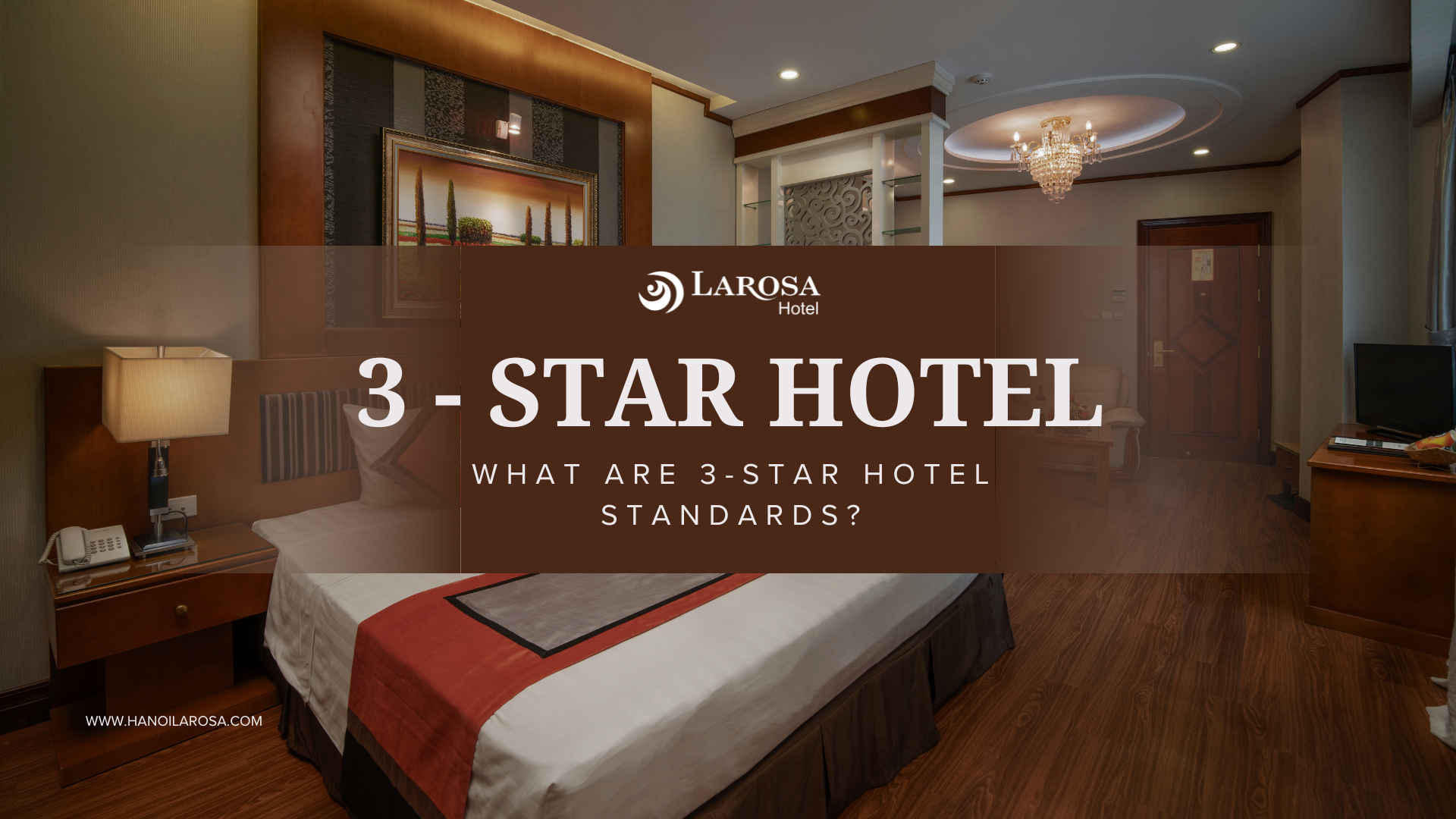
Understanding what defines a three-star hotel requires looking beyond just the number of lights in the lobby. It involves a specific set of standards regarding amenities, room size, and service quality that cater to a guest’s needs without the high-end price tag of a resort like the Four Seasons. In this guide, we will explore the nuances of the three-star classification, the amenities you can expect, and how these standards vary across different regions of the world.
Defining the Three-Star Standard: The Mid-Range Benchmark
The three-star designation is primarily defined by its commitment to “mid-scale” hospitality. Unlike budget motels that provide little more than a bed and a bathroom, a three-star hotel is expected to offer a comprehensive experience where the guest feels cared for but not pampered to the point of excess.
The Balance of Cost and Comfort
At its core, a three-star hotel aims to provide a reliable, standardized level of comfort. In countries like the United States and Canada, this often means spacious rooms with higher-quality linens, a dedicated work area, and an overall aesthetic that feels modern and professional. The pricing is reflective of this balance; it is accessible to the middle-class traveler while still providing a sense of “staying somewhere nice.” These hotels are often part of well-known global chains such as Courtyard by Marriott or Hilton Garden Inn, where brand consistency ensures that a traveler in London receives a similar experience to one in Tokyo.
Essential In-Room Amenities
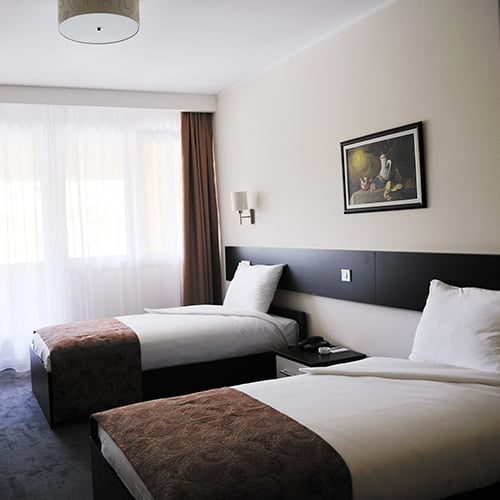
When you step into a three-star guest room, certain features are considered standard. Expect a private bathroom with a bathtub or high-pressure shower, often stocked with complimentary toiletries that go beyond basic soap. Climate control—specifically air conditioning and heating—is a mandatory requirement in most modern three-star properties in North America and Europe. Furthermore, these rooms usually feature a television with cable or satellite channels, a coffee maker or kettle, and an iron with an ironing board. For the modern professional, high-speed internet access is no longer a luxury but a baseline expectation in the three-star category, often included in the room rate.
Amenities and Services You Can Expect
One of the major differentiators between a two-star and a three-star hotel is the presence of facilities outside the guest room. Three-star hotels are designed to be “full-service” to a degree, meaning you don’t have to leave the premises to satisfy your basic needs for food, fitness, or business.
On-Site Dining and Facilities
While a two-star hotel might only offer a vending machine or a very basic continental breakfast in the lobby, a three-star hotel typically features an on-site restaurant. This restaurant often serves breakfast and dinner, and in many cases, it provides a limited room service menu during evening hours. In major hubs like Paris or Madrid, these hotels may also feature a bar or lounge area where guests can unwind after a day of sightseeing.
Beyond dining, you can expect a fitness center, even if it is small, and often a swimming pool—especially in warmer climates like Florida or Queensland. Business centers with printing and copying services are also staples, catering to those who are traveling for work and need a professional environment outside their room.
Guest Services and Staffing
Service in a three-star hotel is professional and efficient. While you may not have a personal concierge or a 24-hour doorman like you would at the Ritz-Carlton, the front desk is typically staffed 24 hours a day. Staff members are expected to be knowledgeable about the local area, assisting with directions to Central Park or recommending a local bistro. Many three-star properties also offer additional services such as laundry/dry cleaning, luggage storage, and occasionally a shuttle service to local airports or major Landmarks.
Three-Star vs. Other Star Ratings: Navigating the Hierarchy
To truly understand what a three-star hotel is, it helps to compare it to the tiers above and below it. The star rating system is not universally standardized, but most ranking bodies—like Forbes Travel Guide or various national tourism boards—follow a similar logic.
The Leap from Two Stars
The transition from two to three stars is often marked by the physical size of the property and the quality of the lobby. Two-star hotels, often referred to as “economy” or “budget” hotels like Ibis Budget, provide the bare necessities. They are often located near highways or transit hubs and lack a full-service restaurant or elevator. Moving up to three stars brings a significant upgrade in the “public space” experience. The lobby is usually larger and more decorated, and the staff-to-guest ratio is higher, ensuring more personalized attention.
The Difference from Four-Star Luxury
The gap between three and four stars is usually defined by “extras.” A four-star hotel, such as a Westin or an Omni Hotel, offers enhanced levels of service and physical luxury. This includes things like valet parking, a full-service spa, multiple dining options, and “turn-down” service. In a three-star hotel, you are paying for what you need; in a four-star hotel, you are paying for what you want. Three-star hotels focus on efficiency and comfort, whereas four-star hotels focus on the “guest experience” and aesthetic sophistication.
Global Variations in Three-Star Ratings
It is crucial for travelers to realize that a three-star rating in France might look very different from a three-star rating in Thailand. Local regulations and cultural expectations play a massive role in how these stars are awarded.
European Standards vs. North American Brands
In Europe, particularly in historic cities like Prague or Florence, three-star hotels are often located in older, refurbished buildings. This means rooms might be smaller than the American standard found at a Best Western in Chicago. However, these European hotels often make up for size with character and central locations. In contrast, the United States tends to have very strict space requirements for three-star ratings, resulting in larger rooms but often more “cookie-cutter” designs.
The Rise of Three-Star Boutique Properties
In recent years, the industry has seen a rise in “three-star boutique” hotels. These are properties that may not have the massive footprint of a Holiday Inn, but they offer high-end design and localized experiences at a mid-range price. In cities like Berlin or Mexico City, these hotels are becoming incredibly popular. They provide the essential three-star amenities—clean rooms, Wi-Fi, and breakfast—but with a style that rivals five-star institutions. They prove that a three-star rating is no longer synonymous with “boring” or “basic.”

Why Choose a Three-Star Hotel?
The three-star hotel remains the backbone of the travel industry for a reason. For the budget-conscious family visiting Disneyland or the business professional attending a conference in Dubai, these properties offer the most logical return on investment.
When you book a three-star hotel, you are essentially buying peace of mind. You know you will have a clean bed, a private bathroom, a reliable internet connection, and a safe environment. You aren’t paying for a gold-leafed ceiling or a celebrity chef, but you also aren’t sacrificing your comfort. Whether you are staying at a Hampton Inn in the United States or a local independent gem in Vietnam, the three-star hotel is the reliable middle ground that makes global travel accessible to everyone.
By understanding the specific amenities and service levels that define this category, you can better manage your expectations and ensure that your next stay—whether for work or play—is exactly what you need it to be. In the world of accommodation, three stars don’t represent a lack of quality; they represent the perfect balance of everything that matters.
LifeOutOfTheBox is a participant in the Amazon Services LLC Associates Program, an affiliate advertising program designed to provide a means for sites to earn advertising fees by advertising and linking to Amazon.com. Amazon, the Amazon logo, AmazonSupply, and the AmazonSupply logo are trademarks of Amazon.com, Inc. or its affiliates. As an Amazon Associate we earn affiliate commissions from qualifying purchases.