
Miami, Florida‘s vibrant coastal gem, is a destination synonymous with sunshine, turquoise waters, and a unique cultural flair. Yet, for any prospective traveler, the question “What’s the weather in Miami?” is paramount. Understanding Miami’s distinct subtropical climate isn’t just about packing the right attire; it’s about optimizing your entire travel experience, from selecting the best time to visit to planning your daily adventures. This guide delves into the nuances of Miami’s weather patterns, offering insights to help you harness its natural beauty and avoid any unexpected climatic challenges, ensuring your trip is as brilliant as the South Beach sun.

Understanding Miami’s Subtropical Climate
Miami enjoys a tropical monsoon climate, bordering on tropical savanna, which means hot, humid summers and warm, dry winters. This unique classification ensures a distinct seasonal rhythm that heavily influences the city’s appeal and the types of activities best suited for each period. Its proximity to the equator and the warm waters of the Atlantic Ocean and the Gulf Stream are key factors shaping its year-round warmth and occasional dramatic weather events.
The Warm Embrace of Summer
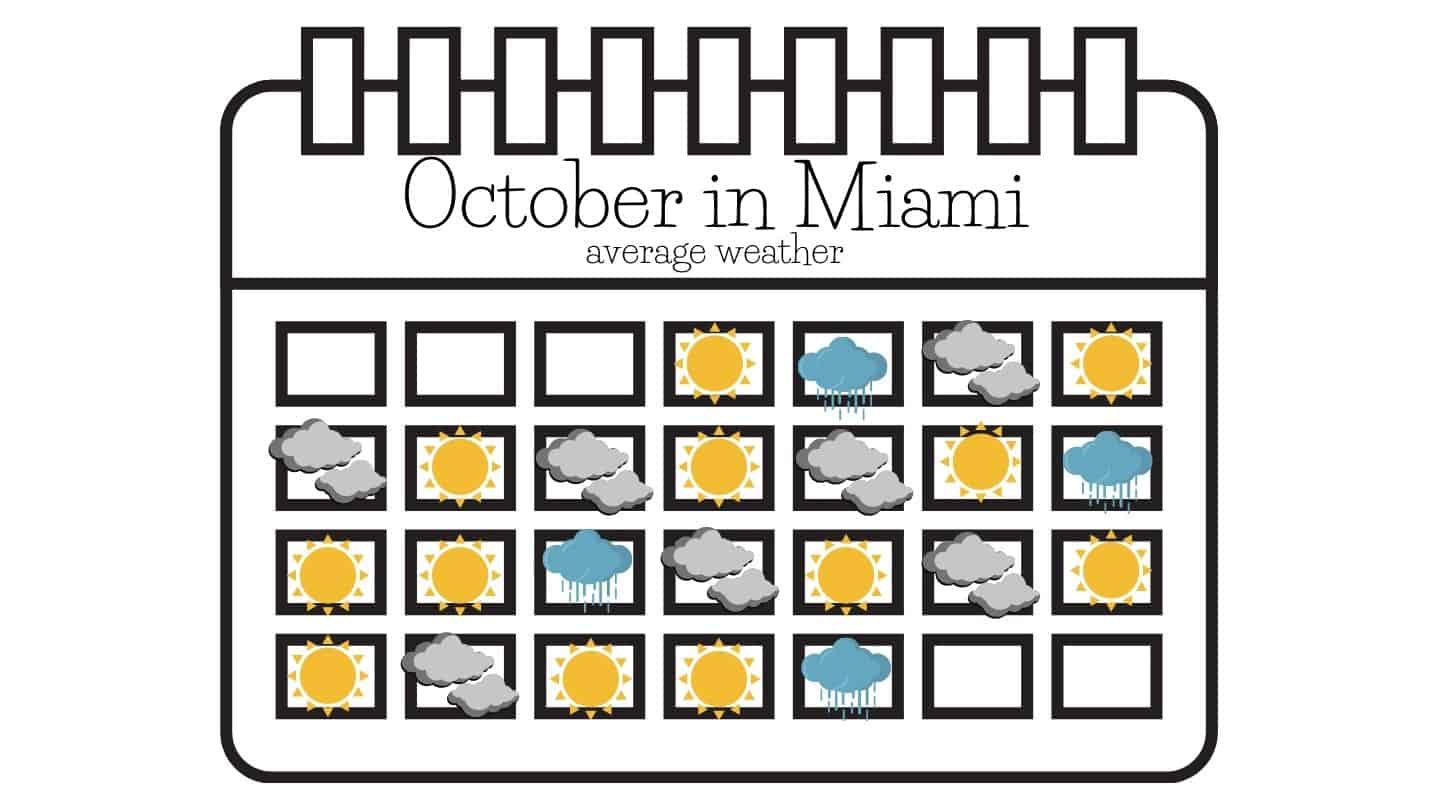
From June through October, Miami settles into its characteristic summer pattern: hot, humid, and punctuated by frequent, albeit often brief, afternoon thunderstorms. Daily temperatures typically hover in the high 80s to low 90s Fahrenheit (around 30-33°C), with humidity levels often making it feel even warmer. These months also coincide with hurricane season, which officially runs from June 1st to November 30th, with peak activity usually from August through October. While direct hurricane strikes are relatively rare, the possibility necessitates vigilance for travelers during this period.
The summer’s afternoon downpours are a daily ritual, often providing a welcome, if temporary, respite from the heat before the sun re-emerges. These storms are usually localized and pass quickly, rarely disrupting an entire day’s plans. However, they can lead to temporary street flooding in some areas. Despite the heat and rain, summer in Miami is a vibrant time, with fewer crowds than peak season and plenty of indoor attractions and water-based activities to enjoy. Travelers seeking a quieter, more budget-friendly experience might find this season appealing, provided they are prepared for the heat and potential for tropical weather.
Mild and Pleasant Winters
November to April marks Miami’s “dry season” and is widely considered the best time to visit. During these months, the weather is idyllic: low humidity, abundant sunshine, and comfortable temperatures ranging from the mid-60s to high 70s Fahrenheit (18-26°C). Evenings are pleasantly cool, sometimes dipping into the low 50s (10-12°C), perfect for al fresco dining or a leisurely stroll along Ocean Drive. Rainfall is minimal, and the risk of tropical storms is virtually nonexistent.
This period attracts tourists from colder climates, flocking to Miami for its guaranteed warmth and sunshine. The clear skies and gentle breezes create ideal conditions for all outdoor activities, from beach lounging to exploring Everglades National Park. However, this popularity comes with a caveat: higher prices for accommodation and flights, as well as larger crowds at popular attractions. Planning and booking well in advance are crucial if you intend to visit during this peak season, especially around holidays like Christmas, New Year’s, and Spring Break.
The Shoulder Seasons: Spring and Autumn Transitions
The months of May and October/early November act as transitional “shoulder seasons” in Miami, offering a unique balance between the peak season’s pleasantries and the summer’s quietude.
May, transitioning from the dry winter to the wet summer, sees temperatures gradually climb, and humidity starts to increase. While rain becomes more frequent, it hasn’t yet reached the intensity of mid-summer. This month can be a sweet spot: good weather, fewer crowds than winter, and more reasonable prices. It’s an excellent time for those who enjoy warmth but prefer to avoid the full intensity of summer’s heat and humidity.
October and early November, marking the transition from the wet summer to the dry winter, can be a bit more unpredictable due to the tail end of hurricane season. However, as November progresses, the weather typically stabilizes, offering increasingly pleasant conditions reminiscent of the dry season. Prices begin to rise as the peak season approaches, but you can still find good deals, especially in October. These shoulder months present opportunities for travelers seeking a compromise: favorable weather without the absolute peak season crowds and costs, provided they remain aware of potential tropical weather in the earlier part of autumn.
Navigating Miami’s Weather for Optimal Travel
Beyond simply knowing the seasonal averages, truly navigating Miami’s climate requires strategic planning and preparation. The city’s weather can be dynamic, and being ready for various scenarios will ensure a smoother, more enjoyable trip, regardless of when you choose to visit.
Planning Your Visit Around the Seasons
Deciding when to visit Miami largely depends on your priorities. If your ideal vacation involves endless beach days, minimal humidity, and a vibrant social scene, the winter dry season (November to April) is your best bet. Be prepared for higher costs and crowded attractions, and book well in advance. This is also the prime time for outdoor festivals and events.
For those on a tighter budget, or travelers who prefer fewer crowds and don’t mind the heat, the summer wet season (June to October) offers excellent value. Embrace the afternoon storms as part of the experience – they’re perfect for a quick siesta or a visit to an indoor museum. Focus on water activities in the mornings and evenings. Just ensure you monitor tropical weather forecasts, especially if traveling in late summer or early autumn.
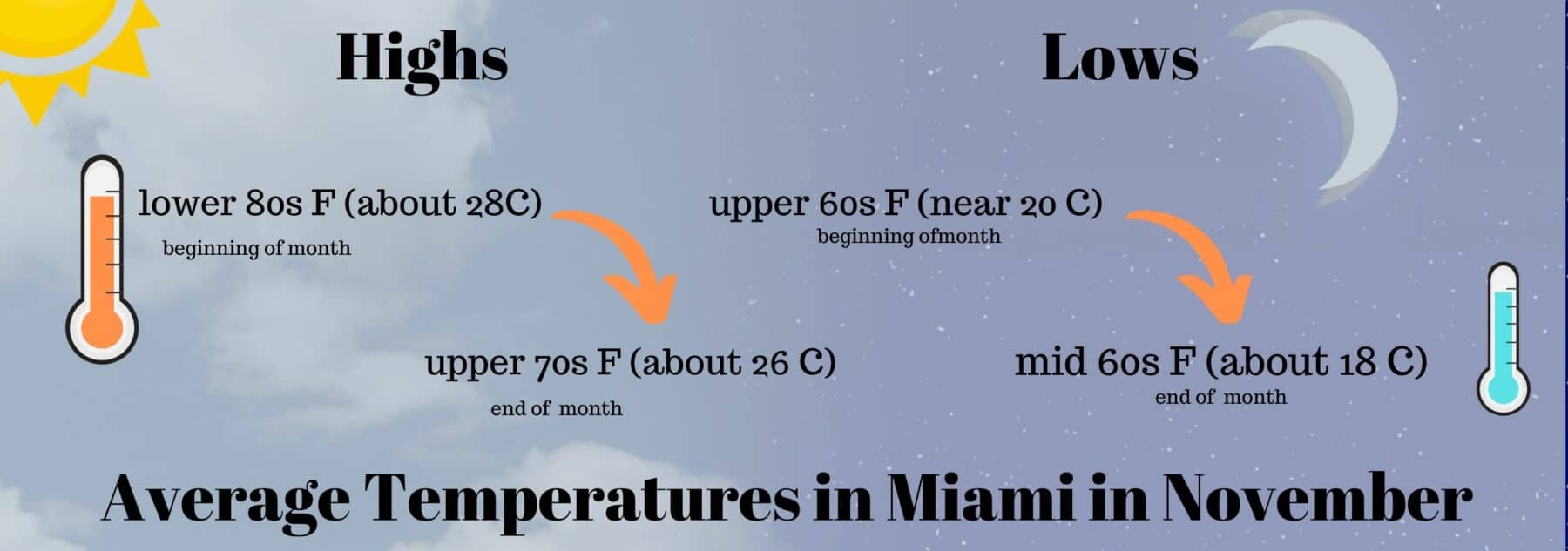
The shoulder seasons (May, and late October/early November) provide a comfortable middle ground. You’ll likely encounter pleasant weather, fewer tourists than in winter, and more attractive prices than during peak season. These periods are ideal for a mix of outdoor exploration and city life, offering a taste of Miami’s charm without the extremes.
Essential Packing for Every Miami Forecast
Regardless of the season, certain items are non-negotiable for a Miami trip:
- Lightweight, breathable clothing: Cotton, linen, and moisture-wicking fabrics are your best friends. Even in winter, days can be warm.
- Swimwear: Essential for the beaches, pools, and countless water activities.
- Sun protection: High-SPF sunscreen, wide-brimmed hats, and sunglasses are crucial. The Florida sun is intense year-round.
- Comfortable walking shoes: For exploring neighborhoods like Little Havana or the Art Deco Historic District.
- Rain gear (especially in summer): A light rain jacket or a compact umbrella will be invaluable for sudden showers.
- Light layers for evenings (especially in winter): While days are warm, evenings can get cool, particularly in the dry season. A light cardigan or jacket will come in handy.
- Reusable water bottle: Staying hydrated is key, especially with Miami’s humidity.
Safety First: Preparing for Tropical Weather Events
While severe weather is not an everyday occurrence, Miami’s location makes it susceptible to tropical storms and hurricanes. If traveling during hurricane season, it’s prudent to:
- Monitor official forecasts: Stay updated with the National Hurricane Center and local news.
- Have travel insurance: Ensure your policy covers weather-related cancellations or interruptions.
- Know your accommodation’s emergency plan: Inquire about evacuation procedures or shelter-in-place instructions.
- Stay hydrated: Regardless of storm risks, the heat and humidity require constant hydration.
- Seek shelter during thunderstorms: Lightning is a serious hazard during summer storms.
Activities and Experiences Tailored to Miami’s Climate
Miami’s diverse attractions can be enjoyed year-round, but understanding the weather helps in planning which activities to prioritize on any given day. The city offers an incredible array of choices, whether under brilliant sunshine or during a passing shower.
Sunshine-Ready Adventures
When the sun is shining, [Miami](https://lifeoutofthebox.com/miami truly comes alive with outdoor pursuits. Of course, the iconic beaches like South Beach and Crandon Park Beach are prime for sunbathing, swimming, and water sports. Beyond the sand, consider:
- Water sports: Jet skiing, paddleboarding, kayaking, and boating are popular ways to enjoy Biscayne Bay and the ocean.
- Exploring Everglades National Park: Airboat tours offer an exhilarating way to spot alligators and other wildlife in this unique ecosystem.
- Outdoor dining: Many restaurants offer delightful al fresco dining, particularly along Ocean Drive or in neighborhoods like Wynwood and the Design District.
- Visiting Vizcaya Museum & Gardens: The sprawling, meticulously maintained gardens are best enjoyed on a clear day.
- Strolling Lincoln Road Mall: This pedestrian-only promenade is perfect for a sunny afternoon of shopping and people-watching.
Rainy Day Riches: Indoor Alternatives
Even on those typical summer afternoons when the heavens open, Miami offers a wealth of indoor entertainment options that promise to keep your spirits high and your itinerary intact.
- Museums: Pérez Art Museum Miami (PAMM) and the Phillip and Patricia Frost Museum of Science offer world-class exhibits and interactive experiences, ideal for all ages.
- Shopping: From the luxury boutiques of the Design District to the vibrant atmosphere of Bayside Marketplace or the extensive Aventura Mall, Miami has a shopping experience for every taste.
- Art Galleries: Explore the eclectic art galleries in Wynwood, particularly around the famous Wynwood Walls, many of which are indoors or have covered areas.
- Culinary experiences: Indulge in a long lunch at one of Miami’s renowned restaurants, or take a cooking class focusing on Cuban or Latin American cuisine.
- Spa treatments: A rainy afternoon is the perfect excuse for pampering at one of Miami’s luxurious spas.
Embracing the Evening Breeze
As the sun sets, Miami’s climate often becomes even more appealing, especially during the dry season. The cooler temperatures and gentle breezes create an inviting atmosphere for evening activities.
- Rooftop bars: Enjoy panoramic city views and cocktails at establishments in Brickell or South Beach.
- Nightlife: Miami’s legendary nightlife, from South Beach clubs to live music venues, truly comes alive after dark.
- Outdoor concerts and events: Check local listings for evening performances or film screenings in parks or plazas.
- Strolls: A walk along the beach under the moonlight or a tour of the illuminated Art Deco Historic District offers a different perspective of the city’s charm.
Beyond the Forecast: Microclimates and Unexpected Shifts
While general forecasts provide a good overview, Miami’s weather can also be influenced by localized factors and swift changes, making it essential for travelers to remain adaptable.
Coastal vs. Inland Nuances
There can be subtle but noticeable differences in weather between Miami’s coastal areas (like South Beach) and inland regions (such as Doral or Homestead). Coastal areas often experience slightly milder temperatures due to the moderating effect of the ocean, with sea breezes providing relief from the heat, especially in summer. Humidity can sometimes feel more intense further inland, and afternoon thunderstorms might form and dissipate over inland areas before reaching the coast. While these differences are usually minor, they can affect comfort levels, particularly if you’re spending extended periods away from the immediate beachfront.
Rapid Changes: Be Prepared
One of the most characteristic aspects of Miami weather, especially during the wet season, is its unpredictability and speed. A clear, sunny morning can quickly give way to a dramatic, dark sky and a torrential downpour by early afternoon. Just as rapidly, the clouds can part, and the sun can reappear as if nothing happened. This rapid changeability means that relying solely on a morning forecast can be misleading. It’s always wise to:
- Check local radar: Many weather apps offer real-time radar, allowing you to see approaching rain cells.
- Pack versatile gear: Always have that light rain jacket or umbrella handy, even if the morning looks perfect.
- Have a backup plan: If you’re planning an outdoor activity, have an indoor alternative in mind, just in case a storm rolls in unexpectedly.
- Embrace the momentary disruption: Often, these quick storms are part of the Miami experience and simply offer a temporary pause before the fun resumes.
In conclusion, “What’s the weather in Miami?” is a question with a nuanced answer, evolving with the seasons and even within the course of a single day. By understanding its subtropical rhythms, packing intelligently, and staying adaptable, travelers can fully embrace all that this dynamic city has to offer, turning every forecast into an opportunity for an unforgettable Miami adventure.
LifeOutOfTheBox is a participant in the Amazon Services LLC Associates Program, an affiliate advertising program designed to provide a means for sites to earn advertising fees by advertising and linking to Amazon.com. Amazon, the Amazon logo, AmazonSupply, and the AmazonSupply logo are trademarks of Amazon.com, Inc. or its affiliates. As an Amazon Associate we earn affiliate commissions from qualifying purchases.