
When planning a vacation, particularly to popular tourist destinations like the Canary Islands or the vibrant coasts of Mexico, the name Riu Hotels & Resorts frequently surfaces. Known for its all-inclusive offerings, family-friendly resorts, and often stunning beachfront locations, Riu has carved a significant niche in the global hospitality industry. But who is behind this expansive hotel chain? Understanding the ownership of a hotel brand can offer insights into its philosophy, its commitment to specific markets, and its long-term vision for the travel and tourism sector.
The ownership of Riu Hotels & Resorts is a story rooted in family, tradition, and strategic expansion. Unlike many publicly traded hotel giants, Riu remains a predominantly family-owned and operated business. This structure often allows for a more personal touch in management and a steadfast adherence to core values that might be diluted in a corporate environment driven by quarterly shareholder reports. The family’s deep involvement ensures that the brand’s identity and guest experience remain consistent across its diverse portfolio.
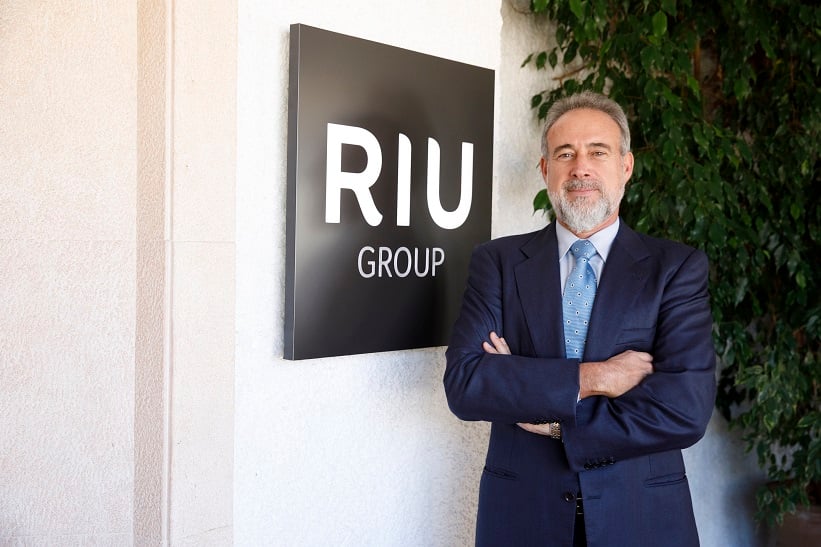
The Founding Family and Early Beginnings
The journey of Riu Hotels & Resorts began in 1953, not with a grand resort complex, but with a modest hotel in Palma de Mallorca, Spain. It was founded by the Riu family, specifically by **Don Juan](https://lifeoutofthebox.com/don-juan) Riu Bertrán, who purchased the small establishment. This humble beginning laid the groundwork for what would eventually become an international powerhouse in the hospitality sector.
The Vision of Don Juan Riu Bertrán
Don Juan Riu Bertrán’s vision was simple yet profound: to offer quality accommodation and excellent service at a reasonable price. This foundational principle guided the initial growth of the company. The early years were characterized by a focus on the domestic Spanish market, particularly on the popular islands of the Balearics and later the Canaries. The success in these initial ventures provided the capital and the confidence to dream bigger.
The family’s commitment to reinvesting profits back into the business was crucial. Instead of seeking external investment, they expanded organically, acquiring new properties and renovating existing ones to meet evolving traveler demands. This self-funded growth model fostered a strong sense of ownership and a pragmatic approach to business development. The name Riu became synonymous with reliable and enjoyable holidays for many Spanish families and a growing number of international tourists.
The Second Generation and International Expansion
The true transformative period for Riu Hotels & Resorts began in the late 20th century, under the leadership of the second generation of the Riu family. **Carmen Riu](https://lifeoutofthebox.com/carmen-riu) and Luis Riu took the reins and steered the company towards a bold international expansion strategy. Their understanding of global travel trends, coupled with their inherited business acumen, propelled Riu onto the world stage.
Embracing the All-Inclusive Model
A pivotal decision that defined Riu’s modern identity was its embrace of the all-inclusive concept. Recognizing the growing popularity of this model, particularly in resort destinations, Carmen and Luis strategically began converting and developing properties to offer comprehensive all-inclusive packages. This move proved to be incredibly successful, attracting a wide range of travelers looking for hassle-free and value-packed vacations.
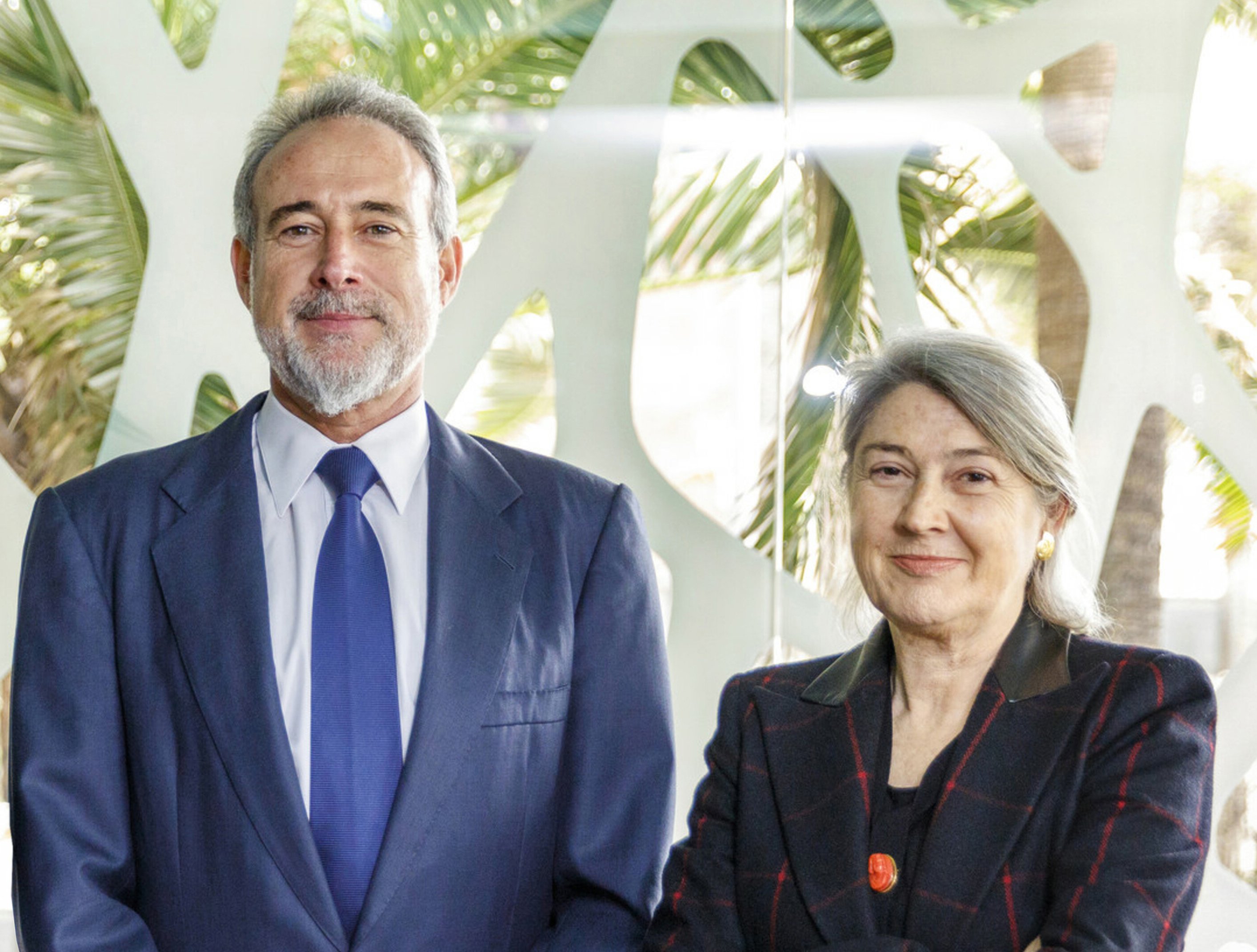
The Caribbean became a key focus for this expansion. Destinations like the Dominican Republic, with its stunning beaches and appeal to mass tourism, became home to numerous Riu resorts. Similarly, the vibrant shores of Cancun and the broader Riviera Maya in Mexico provided fertile ground for the brand’s growth. These international ventures were not just about acquiring real estate; they involved a deep understanding of local cultures, building strong relationships with local communities, and adapting the Riu service model to suit diverse guest expectations.
This period also saw the diversification of the Riu portfolio. While many resorts catered to families and couples seeking a lively atmosphere, the brand also began to develop more specialized offerings, including adults-only Riu Palace properties and Riu Plaza hotels in urban centers. This strategy allowed Riu to cater to a broader spectrum of the travel market, from luxury seekers to business travelers and families on extended stays.
Strategic Acquisitions and Development
The growth of Riu Hotels & Resorts has been a combination of strategic acquisitions and greenfield development. Rather than solely relying on purchasing existing hotels, Riu has also invested heavily in building new properties from the ground up. This allows them to design resorts that perfectly align with their brand standards and guest expectations, incorporating modern amenities and sustainable practices.
The company’s expansion has also extended beyond traditional beach destinations. Riu has ventured into city hotels, such as the Riu Plaza hotels found in major metropolitan areas like New York, Berlin, and London. These urban properties offer a different but equally compelling Riu experience, focusing on convenience, comfort, and accessibility for business and leisure travelers exploring city landmarks and cultural attractions. This diversification is a testament to the family’s ability to adapt and innovate within the ever-changing landscape of the tourism industry.
Current Ownership and Future Outlook
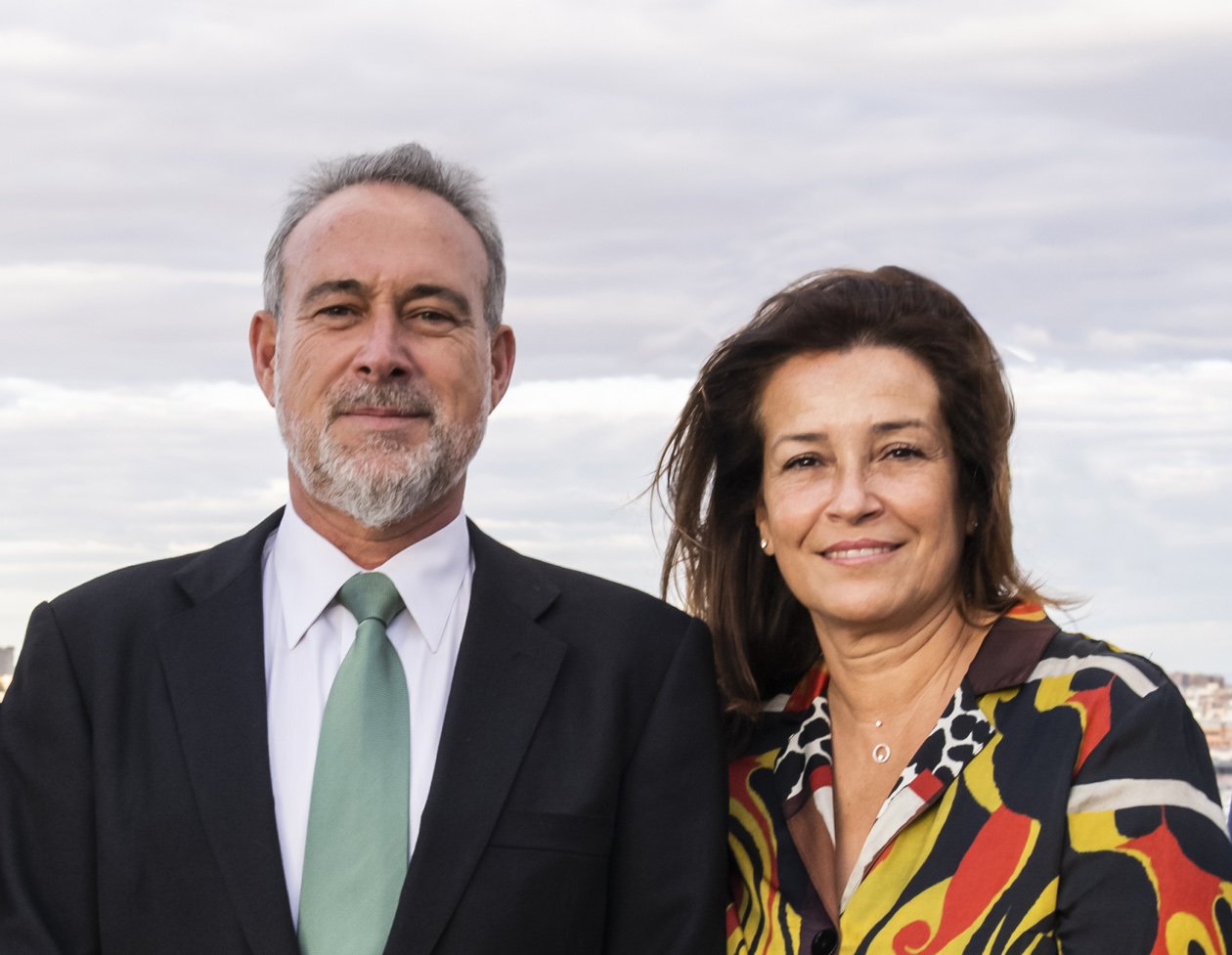
Today, Riu Hotels & Resorts is managed by the third generation of the Riu family, with Carmen Riu continuing as CEO and Luis Riu serving as Managing Director. This sustained family leadership is a key factor in the company’s enduring success and its consistent brand identity. The family remains the majority shareholder, ensuring that control and strategic direction are firmly in their hands.
A Commitment to Family Values and Guest Experience
The family ownership model fosters a deep sense of responsibility towards employees, guests, and the communities in which Riu operates. This translates into a strong emphasis on providing a welcoming and authentic experience for all guests, whether they are enjoying an all-inclusive beach holiday in the Maldives or a city break in Madrid. The commitment to quality service, diverse culinary options, and engaging entertainment is a direct reflection of the family’s dedication to exceeding guest expectations.
The company’s focus on sustainability and responsible tourism is also a growing priority, reflecting modern values and a commitment to preserving the natural beauty of its destinations. From energy efficiency initiatives in its resorts to supporting local conservation efforts, Riu is increasingly integrating environmentally conscious practices into its operations.
The Future of Riu Hotels
As Riu Hotels & Resorts continues to expand its global footprint, its family-owned structure provides a stable foundation for future growth. The company has shown an adeptness at navigating economic fluctuations, adapting to new travel trends, and consistently delivering value to its customers. With a clear vision and a dedicated leadership team, Riu is well-positioned to remain a leading player in the international hospitality market for years to come. Their continued investment in new destinations, property upgrades, and innovative guest experiences suggests a future as dynamic and exciting as the travel destinations they serve. The answer to “Who Owns Riu Hotels?” is clear: it is a legacy built and sustained by the Riu family, a testament to the power of family vision in the global tourism industry.
LifeOutOfTheBox is a participant in the Amazon Services LLC Associates Program, an affiliate advertising program designed to provide a means for sites to earn advertising fees by advertising and linking to Amazon.com. Amazon, the Amazon logo, AmazonSupply, and the AmazonSupply logo are trademarks of Amazon.com, Inc. or its affiliates. As an Amazon Associate we earn affiliate commissions from qualifying purchases.