
For many travelers, the allure of Miami is undeniable – its vibrant culture, stunning beaches, Art Deco architecture, and buzzing nightlife make it a premier global destination. However, a common question that arises for prospective visitors, particularly when planning their trip, revolves around the region’s hurricane season. Understanding the official dates, potential impacts, and best preparation strategies is crucial for anyone looking to experience the Magic City to its fullest, safely and without undue stress. This comprehensive guide aims to demystify Miami’s hurricane season, offering insights for informed travel planning and ensuring your visit is memorable for all the right reasons.

Demystifying Miami’s Hurricane Season
The official Atlantic hurricane season, which directly impacts Florida and its vibrant cities like Miami, runs annually from June 1st to November 30th. This six-month window is when tropical cyclones are most likely to form in the Atlantic Ocean, Caribbean Sea, and Gulf of Mexico. While this period covers a significant portion of the year, it’s important to understand the nuances of this season, rather than letting the entirety of it deter your travel plans.
Official Dates and Historical Context
The designation of June 1st to November 30th for hurricane season is based on historical weather patterns and the climatology of tropical storm formation in the aforementioned basins. Early season activity (June-July) often sees storms forming closer to the United States Gulf Coast or in the western Caribbean Sea. As the season progresses into late summer and early fall, the primary development region shifts eastward across the Atlantic Ocean, with storms potentially growing into formidable hurricanes over vast stretches of warm water before approaching the East Coast.
Peak Activity Months
While the season spans six months, not all months carry the same level of risk. Statistically, the peak of hurricane season for Miami and the wider Florida peninsula falls between mid-August and late October. During these months, ocean temperatures are at their highest, and atmospheric conditions are typically most conducive to the development and intensification of tropical systems. This is when the most powerful and numerous storms tend to form. However, it is crucial to remember that a hurricane can theoretically occur at any point within the official season.
Understanding Hurricane vs. Tropical Storm
It’s also important for travelers to differentiate between a tropical storm and a hurricane. A tropical depression has sustained winds of less than 39 mph. Once sustained winds reach 39-73 mph, it’s classified as a tropical storm. At 74 mph or higher, it becomes a hurricane. Furthermore, hurricanes are categorized from 1 to 5 on the Saffir-Simpson Hurricane Wind Scale, with Category 5 being the most intense. While a hurricane poses the most significant threat, even a tropical storm can bring considerable heavy rainfall, strong winds, and coastal flooding, which can disrupt travel plans and activities. The vast majority of systems impacting Florida are not major hurricanes, but understanding the spectrum of weather events is key to preparedness.
The Statistical Likelihood
Despite the official duration and peak months, the actual probability of Miami experiencing a direct hit from a major hurricane during any given visit is relatively low. Many storms track away from land, dissipate, or weaken considerably before reaching the coast. However, even a distant storm can generate strong rip currents, significant surf, and occasional squalls. The key takeaway is not to live in fear of hurricane season but to approach travel during these months with awareness, flexibility, and proper planning.
Planning Your Trip: Pros and Cons of Visiting During Hurricane Season
Deciding whether to visit Miami during hurricane season involves weighing potential risks against tangible benefits. For many, the advantages, especially for budget-conscious travelers, can make it an appealing option.
The Upside: Reduced Crowds and Better Deals
One of the most attractive aspects of traveling to Miami during hurricane season is the potential for significant savings and fewer crowds. As demand decreases, airlines and hotels often offer lower rates, providing opportunities for more luxurious stays at a fraction of the cost during peak season. This also applies to popular attractions. You might find fewer queues at the Vizcaya Museum & Gardens, more space to spread out on South Beach, and easier access to top restaurants and nightlife venues. Guided tours, such as those into Everglades National Park, may also have more availability. The slightly warmer ocean temperatures can also be a draw for swimmers and water sports enthusiasts, as long as conditions are calm.
The Downside: Weather Uncertainty and Travel Disruptions
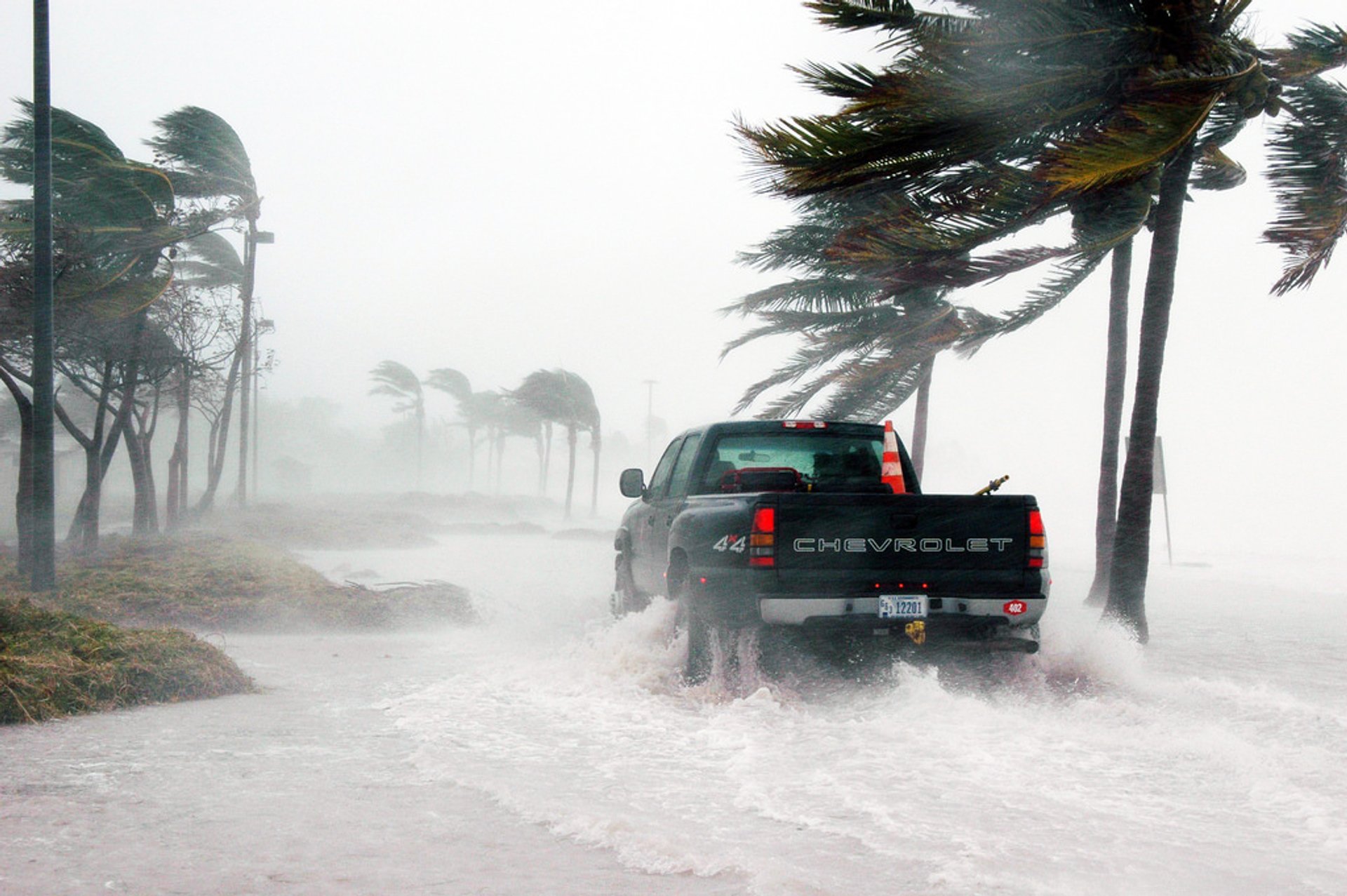
The most significant disadvantage, naturally, is the unpredictable nature of the weather. While a direct hurricane strike is rare, tropical storms or even just heavy rain and thunderstorms can significantly impact your vacation. Outdoor activities might be canceled, beaches could be temporarily closed, and flight delays or cancellations are more probable. This uncertainty requires a flexible mindset and an understanding that some aspects of your trip might need to change at short notice. Travel to nearby destinations like the Florida Keys (including Key West) can also be affected, as evacuation orders sometimes include these low-lying areas.
Flexibility and Preparedness are Key
If you choose to visit during hurricane season, flexibility is paramount. Be prepared for potential itinerary changes and have backup plans for indoor activities. Furthermore, investing in comprehensive travel insurance is highly recommended. Look for policies that cover trip cancellation, interruption, and delays due to weather events. Some “cancel for any reason” policies offer the ultimate peace of mind, though they typically come at a higher premium. Confirming your chosen accommodation’s hurricane policy – including cancellation options and potential refunds – is also a smart move.
Essential Preparation: Staying Safe and Informed
Traveling during hurricane season requires a proactive approach to safety and information gathering. Being prepared can alleviate stress and ensure you respond effectively to any developing weather situations.
Monitoring Weather Updates
The most critical step is to stay informed. Rely on official and reputable sources for weather information. The National Hurricane Center (NHC) is the primary authority for tracking tropical systems in the Atlantic basin, providing detailed forecasts, advisories, and watches/warnings. Local news channels and weather apps are also invaluable for real-time updates specific to Miami. Pay attention to any advisories issued for Miami-Dade County and heed any instructions from local authorities. Download a reliable weather app before you travel and check it daily.
Comprehensive Travel Insurance
As mentioned, travel insurance is your best friend during hurricane season. Ensure your policy specifically covers weather-related disruptions, including trip cancellation, interruption, and medical emergencies that might arise. Read the fine print carefully to understand what is and isn’t covered, especially regarding pre-existing conditions or policies purchased after a storm has been named. It could be the difference between losing your entire vacation cost and recouping your expenses.
Accommodation and Local Resources
Before booking, inquire about your hotel’s hurricane plan. Do they have generators? What is their policy on refunds or rebooking if an evacuation is ordered or the property is damaged? Most reputable hotels in Miami will have robust plans in place. Upon arrival, familiarize yourself with your accommodation’s emergency procedures and the location of exits. Keep important documents (passport, insurance details, booking confirmations) easily accessible. Identify local emergency contact numbers and have them stored in your phone. Most major airports serving the area, such as Miami International Airport (MIA) and Fort Lauderdale-Hollywood International Airport (FLL), also have their own emergency protocols that travelers should be aware of.
Staying Connected
Ensure your mobile phone is fully charged and consider carrying a portable power bank. This is crucial for receiving alerts and communicating with family or emergency services if needed. Let loved ones know your travel plans and how to reach you. Familiarize yourself with emergency services (911 in the United States) and local non-emergency contact numbers. While less likely for a typical tourist, understanding local evacuation routes can also be beneficial, particularly if you’re exploring areas outside the immediate city center.
Beyond Hurricane Season: The Best Times to Experience Miami
If the thought of hurricane season gives you pause, or if you prefer absolutely stable weather, Miami shines brightest during its dry, cooler months.
Winter Wonderland: The Ideal Weather
The period from December to May is widely considered the prime time to visit Miami. During these months, the weather is simply glorious: average temperatures hover in the 70s and low 80s Fahrenheit (20s Celsius), humidity is significantly lower, and sunny skies are the norm. This is when Miami truly comes alive with outdoor festivals, art shows like Art Basel Miami Beach, and major sporting events like the Miami Marathon. The ocean is still warm enough for swimming, and evenings are pleasantly cool, perfect for al fresco dining or strolling along Ocean Drive.
Spring Break Buzz and Shoulder Seasons
Late winter and early spring (March and April) bring the energetic buzz of Spring Break. While the weather remains excellent, expect larger crowds, higher prices, and a more vibrant (and sometimes boisterous) atmosphere, particularly in areas like South Beach.
For those seeking a balance of good weather and slightly fewer crowds than the absolute peak, the shoulder seasons of late November/early December and May offer a fantastic compromise. The weather is generally superb, but the intense holiday rush or post-winter crowds have yet to fully materialize or have started to thin out. These periods often represent excellent value, combining pleasant conditions with reasonable prices and a robust calendar of events, such as the Calle Ocho Music Festival in March.

Making the Most of Your Miami Travel, Anytime
Miami is a dynamic and enchanting destination that offers something for every traveler, regardless of the time of year. While hurricane season presents specific considerations, it shouldn’t deter you from experiencing the city’s unique charm. With proper planning, diligent monitoring of weather reports, and the right insurance, you can navigate the season with confidence.
Whether you’re exploring the colorful streets of Wynwood Walls, enjoying fresh seafood at Bayside Marketplace, or simply relaxing on its world-famous beaches, Miami promises an unforgettable experience. By understanding its hurricane season and adopting a proactive approach, you can ensure your trip to this dazzling Florida gem is safe, enjoyable, and filled with incredible memories.
LifeOutOfTheBox is a participant in the Amazon Services LLC Associates Program, an affiliate advertising program designed to provide a means for sites to earn advertising fees by advertising and linking to Amazon.com. Amazon, the Amazon logo, AmazonSupply, and the AmazonSupply logo are trademarks of Amazon.com, Inc. or its affiliates. As an Amazon Associate we earn affiliate commissions from qualifying purchases.