
For anyone considering a move to the Grand Canyon State, or long-time residents simply looking to better understand their annual expenses, the cost of vehicle registration in Arizona is a significant lifestyle consideration. Unlike a simple flat fee, Arizona vehicle registration is a multi-faceted calculation, primarily driven by the vehicle’s age and value, alongside various administrative and environmental charges. Understanding these components is crucial for effective budgeting and seamless integration into the Arizona way of life. This guide aims to demystify the process, providing insights into what influences your costs and how to navigate the system efficiently.
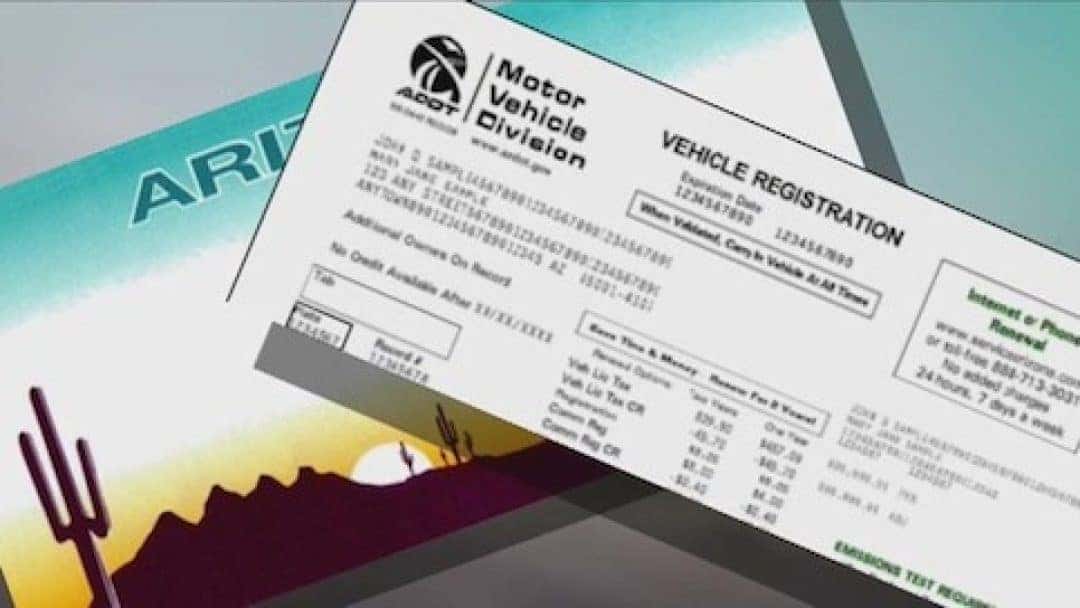
Understanding the Core Components of Arizona Vehicle Registration Fees
Vehicle registration in Arizona isn’t a straightforward, fixed payment. Instead, it’s an aggregation of several charges, with the most substantial often being the Vehicle License Tax (VLT). These fees collectively contribute to the state’s infrastructure, environmental initiatives, and administrative operations.
Vehicle License Tax (VLT)
The Vehicle License Tax (VLT) is the primary and often most substantial component of your annual vehicle registration bill in Arizona. It’s essentially a property tax levied on your vehicle, but instead of being based on current market value, its calculation is tied to the vehicle’s manufacturer’s suggested retail price (MSRP) and its age.
For the initial registration of a vehicle that is new to Arizona, the VLT is calculated based on 60% of the manufacturer’s suggested retail price (MSRP). This assessed value then depreciates by 16.25% each year thereafter. The actual tax rate applied to this depreciated assessed value is $4.12 per $100 for the first year. For subsequent renewals, the rate typically decreases to $4.12 per $100 of the reduced assessed value, continuing to depreciate annually. This means that newer and more expensive vehicles will incur a significantly higher VLT than older, less valuable ones. For example, a brand-new luxury sedan will command a much higher VLT than a decade-old compact car. This depreciation model means your VLT will decrease over time, which is a welcome relief for long-term vehicle owners.
Plate, Registration, and Air Quality Fees
Beyond the VLT, there are several other standard fees that contribute to the total cost of your Arizona vehicle registration:
- Registration Fee: A standard fee of $8.00 is typically charged for the vehicle registration itself. This is a fixed administrative cost.
- Plate Fee: If you are receiving new license plates or replacing existing ones, there is an additional fee, usually around $5.00. This covers the cost of manufacturing and issuing the physical plates.
- Air Quality Research Fee: This is a mandatory fee of $1.50, applied statewide, which helps fund research and initiatives aimed at improving air quality across Arizona.
- Emissions Test Fee: Crucially, if you reside in or primarily operate your vehicle within the greater Phoenix (encompassing most of Maricopa County) or Tucson (parts of Pima County) metropolitan areas, your vehicle will likely require an emissions test. The fee for this test is separate from your registration and is paid directly at the testing facility. While the exact cost can vary slightly, it typically ranges from $10 to $20. Failing to complete a required emissions test will prevent you from renewing your vehicle registration.
Other Miscellaneous Fees
Depending on specific circumstances, you might encounter other minor fees:
- Commercial Vehicle Fees: Vehicles registered for commercial purposes, or those exceeding certain weight thresholds, may be subject to additional weight fees or specific commercial registration charges. These are typically higher than standard passenger vehicle fees due to increased road usage and wear.
- Late Fees: It’s critical to renew your registration before its expiration date. The Arizona Department of Transportation (ADOT) imposes late fees for expired registrations, which can quickly add up. These fees are designed to encourage timely renewal and cover the administrative burden of processing overdue paperwork.
- Special Plate Fees: Opting for a personalized license plate or a special organizational plate (which often supports various charities or causes) will incur an additional annual fee. These fees vary widely depending on the plate chosen, with a portion typically going to the designated charity or program.
Factors Influencing Your Arizona Registration Cost
Several key variables directly impact the total amount you will pay for vehicle registration in Arizona. Being aware of these factors allows for better financial planning and helps avoid surprises.
Vehicle Age and Value
As previously discussed, the age and original MSRP of your vehicle are the most significant determinants of your Vehicle License Tax (VLT). A brand-new vehicle with a high MSRP will result in a considerably higher VLT in its first year. This VLT will then decrease annually as the vehicle depreciates. This means that if you own your vehicle for many years in Arizona, your registration costs will naturally decline over time, reflecting the reduced assessed value of your aging vehicle. For those looking to minimize registration costs, purchasing an older, more affordably priced used vehicle can lead to lower annual VLT payments from the outset.
Vehicle Type
The category of your vehicle also plays a role in its registration fees. While passenger cars follow the standard VLT and fee structure, other vehicle types may have different fee schedules:
- Motorcycles: Typically have lower VLT rates and sometimes different administrative fees compared to cars.
- Recreational Vehicles (RVs): Due to their size, weight, and sometimes luxury status, RVs can have a substantial VLT, calculated similarly to passenger vehicles but often starting from a higher MSRP.
- Commercial Vehicles: As mentioned, these are often subject to weight fees and specific commercial registration plates, which generally result in higher overall costs.
- Trailers: Small utility trailers usually have a very low, flat annual registration fee, often just a few dollars, as they do not have a VLT component based on MSRP.
County of Residence
Your specific county of residence in Arizona primarily impacts whether your vehicle is subject to mandatory emissions testing. The two major metropolitan areas with high population densities and corresponding air quality concerns are:
- Maricopa County: Vehicles primarily operated in the greater Phoenix area are required to undergo emissions testing. This includes most of Maricopa County.
- Pima County: Similarly, vehicles operated within parts of Pima County, particularly the Tucson metropolitan area, are also subject to emissions testing.
If you live in a rural county outside these designated areas, you are generally exempt from mandatory emissions testing, thereby saving you the test fee and the time required to complete it. However, it’s always wise to check the most current regulations on the Arizona Department of Transportation (ADOT) website, as rules can occasionally change.
Special Plates and Personalized Options
Arizona offers a wide array of specialty license plates, ranging from university plates to charitable organization plates and military veteran plates. While these plates allow drivers to express their personality or support a cause, they come with an additional annual fee, usually between $17 and $25, on top of the standard registration costs. A significant portion of this additional fee often goes directly to the organization or cause the plate represents. Personalized plates, which allow you to choose a unique combination of letters and numbers, also carry an extra annual fee. Choosing these options is a lifestyle choice that adds to the vehicle registration expense.
Navigating the Registration Process in Arizona
Whether you’re a new resident or renewing an existing registration, understanding the process is key to a smooth experience. The Arizona Department of Transportation (ADOT) Motor Vehicle Division (MVD) oversees all vehicle registration services.
Initial Registration for New Residents
If you’ve recently moved to Arizona, you typically have 30 days from the date you establish residency to title and register your vehicle. Failing to do so within this timeframe can result in penalties. The process involves several steps and requires specific documentation:
- Obtain an Arizona Driver’s License or ID: While not strictly required before registration, it’s often prudent to begin this process concurrently.
- Emissions Test (If Applicable): If you live in Maricopa County or Pima County, your vehicle must pass an emissions test before it can be registered.
- Gather Required Documents:
- Proof of Ownership: This is typically your out-of-state vehicle title. If you have a lien on your vehicle, you’ll need to contact your lienholder to have the title sent to ADOT.
- Proof of Arizona Insurance: You must have valid auto insurance from a company authorized to do business in Arizona.
- Identification: A valid government-issued photo ID.
- Lienholder Information: If applicable.
- Vehicle Inspection: Sometimes required for out-of-state vehicles to verify the VIN.
- Visit an MVD Office or Authorized Third-Party Provider: You’ll complete the application, present your documents, and pay the calculated fees. Authorized third-party providers can often offer faster service, though they may charge a small convenience fee.
Annual Renewals
For existing Arizona residents, vehicle registration renewals are an annual requirement. ADOT typically sends out renewal notices as a courtesy, but it remains the owner’s responsibility to renew on time.
- Online Renewal: This is the most convenient method. You can renew your registration online through the ADOT website, provided your vehicle does not require an emissions test or if it has already passed.
- Mail Renewal: You can mail in your renewal notice and payment.
- In-Person Renewal: Renewals can also be processed at MVD offices or authorized third-party providers.
- Emissions Test for Renewals: If your vehicle is subject to emissions testing, you must pass the test before you can renew your registration. The test results are electronically sent to ADOT.
Emissions Testing Requirements
Emissions testing is a critical component of vehicle registration in Arizona for designated areas.
- Who Needs It: Vehicles operated in the greater Phoenix metropolitan area (Maricopa County) and the greater Tucson metropolitan area (Pima County) generally require testing.
- Exemptions: Not all vehicles require testing. Common exemptions include:
- New vehicles (typically exempt for the first 5 years).
- Certain older vehicles (e.g., pre-1975 models).
- Electric vehicles and some alternative fuel vehicles.
- Vehicles not driven more than a certain limited mileage per year (must apply for a waiver).
- Motorcycles.
- Where to Test: Official Arizona Vehicle Emissions Inspection Program (VEIP) stations are located throughout the testing areas. You can find locations and hours on the ADOT website.
Tips for Managing Your Arizona Vehicle Registration Expenses
Navigating vehicle registration costs is an ongoing aspect of vehicle ownership in Arizona. Proactive management can help you budget effectively and avoid unnecessary expenses.
Budgeting for Annual Costs
Understanding that vehicle registration is an annual, recurring expense is fundamental to sound financial planning. Given the varying VLT based on vehicle age and value, it’s wise to:
- Estimate Your VLT: Use the ADOT online calculator or estimation tools to get a rough idea of your VLT, especially if you’re purchasing a new or new-to-Arizona vehicle.
- Factor in Depreciation: Remember that your VLT will decrease each year, so factor this into your long-term budget projections. The first few years will be the most expensive.
- Allocate Monthly Funds: Consider setting aside a small amount each month into a dedicated savings account so that the annual registration bill isn’t a surprise lump sum expense. This aligns with a mindful lifestyle approach to personal finance.
Exploring Exemptions and Discounts
While Arizona vehicle registration is quite uniform, certain situations may offer slight relief or specific considerations:
- Military Exemptions: Active duty military members who are non-residents but stationed in Arizona may have specific exemptions regarding their vehicle registration, often allowing them to maintain registration in their home state. Always check current ADOT guidelines for eligibility.
- Low Income Programs: While rare for the VLT itself, there might be specific programs related to emissions test waivers or assistance for very low-income individuals. These are highly specific and typically require stringent qualification.
- Vehicle Type Advantages: As noted, motorcycles and utility trailers often have lower overall registration costs compared to passenger cars, offering a budget-friendly option for certain transportation needs.

Staying Informed with ADOT
The landscape of fees and regulations can sometimes change. The most reliable source for current and accurate information is the official Arizona Department of Transportation (ADOT) website and its Motor Vehicle Division (MVD) pages.
- Check Regularly: Before purchasing a new vehicle or planning a move, consult the ADOT website for the latest fee schedules and policy updates.
- Use Online Tools: Leverage online calculators and information portals provided by ADOT to estimate costs and verify requirements.
- Sign Up for Reminders: Many MVD systems offer email or text reminders for registration renewals, helping you avoid late fees and ensuring compliance.
In conclusion, understanding “How Much Is Vehicle Registration In Arizona?” is more than just knowing a number; it’s about grasping a system that impacts your annual budget and lifestyle. By familiarizing yourself with the Vehicle License Tax, additional fees, and the factors influencing your specific costs, you can navigate the Arizona registration process with confidence, ensuring compliance and effective financial planning.
LifeOutOfTheBox is a participant in the Amazon Services LLC Associates Program, an affiliate advertising program designed to provide a means for sites to earn advertising fees by advertising and linking to Amazon.com. Amazon, the Amazon logo, AmazonSupply, and the AmazonSupply logo are trademarks of Amazon.com, Inc. or its affiliates. As an Amazon Associate we earn affiliate commissions from qualifying purchases.