
The question “Will Miami be underwater?” is not merely a sensational headline; it’s a profound query that touches the very heart of this vibrant global destination. Nestled at the southeastern tip of Florida, Miami has long captivated travelers with its unique blend of Latin flair, sun-drenched beaches, and burgeoning cultural scene. Yet, its low-lying topography and limestone foundation make it exceptionally vulnerable to the rising tides of climate change, sparking legitimate concerns about its long-term future. This article delves into the realities behind these environmental threats, explores the ambitious strategies Miami is employing to secure its future, and ultimately reassures travelers that the Magic City is not only open for business but actively innovating to remain a premier destination for generations to come.

The Allure of the Magic City: Why Miami Captivates Travelers
Miami is more than just a city; it’s an experience, a pulsating hub where diverse cultures converge against a backdrop of stunning natural beauty. Its magnetic charm draws millions of visitors annually, all eager to soak up its distinctive atmosphere.
A Vibrant Tapestry of Culture and Recreation
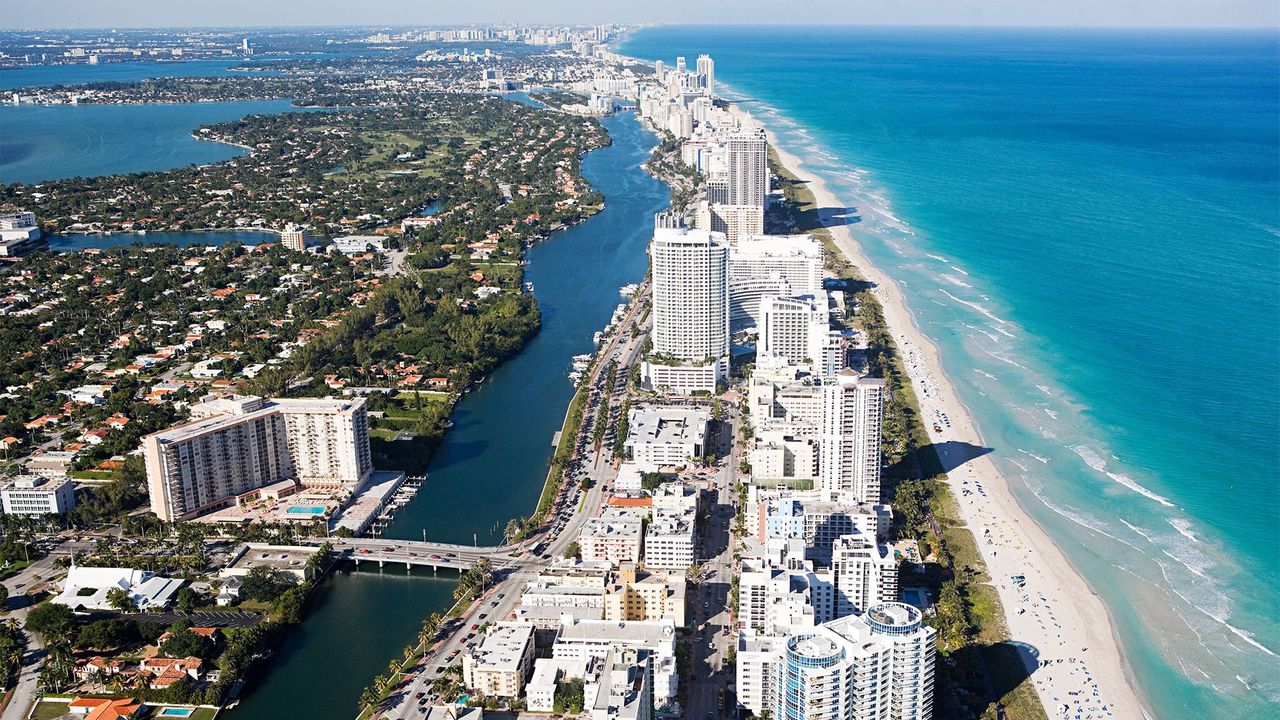
At the core of Miami’s appeal lies its unparalleled cultural richness and an endless array of recreational opportunities. South Beach, with its iconic pastel-hued Art Deco architecture, remains a timeless magnet for sun-seekers and revelers. Here, the soft sand meets the turquoise Atlantic, providing a picturesque setting for relaxation and people-watching. Beyond the sand, Ocean Drive pulses with energy, lined with trendy cafes, bars, and boutiques that invite leisurely strolls and vibrant nightlife.
The city’s culinary landscape is a testament to its multicultural heritage. From authentic Cuban eateries in Little Havana serving robust cafecitos and savory croquetas, to upscale Latin fusion restaurants, and fresh seafood shacks, Miami offers a gastronomic journey as diverse as its population. Visitors can indulge in everything from traditional stone crabs and fresh ceviche to innovative plant-based dishes, reflecting the city’s evolving palate.
Beyond the urban core, unique attractions punctuate the landscape. The majestic Vizcaya Museum & Gardens, a European-inspired estate boasting opulent interiors and breathtaking formal gardens, offers a glimpse into a bygone era of grandeur. For those seeking adventure and a connection with nature, a short drive west leads to the sprawling wilderness of Everglades National Park, a unique subtropical ecosystem where airboat tours reveal alligators, wading birds, and an incredible array of wildlife.
Beyond the Beaches: Arts, Fashion, and Innovation
While its beaches are world-renowned, Miami’s cultural depth extends far beyond the coastline. The city has blossomed into a global epicenter for arts, fashion, and cutting-edge innovation. The Wynwood Walls, an outdoor street art museum, transforms industrial warehouses into a vibrant canvas for international muralists, drawing art enthusiasts and Instagrammers alike. Nearby, the Design District showcases high-end fashion boutiques, luxury showrooms, and public art installations, establishing Miami as a serious contender in the global fashion and design arenas.
Furthermore, Miami has rapidly emerged as a burgeoning tech hub, attracting entrepreneurs and startups from around the world. This infusion of innovation brings with it a dynamic energy, fostering new businesses, creative spaces, and a forward-thinking atmosphere that complements its existing allure. The city’s annual Art Basel fair solidifies its status on the international art circuit, drawing collectors, artists, and celebrities from every corner of the globe, further cementing Miami’s reputation as a cultural powerhouse. This rich tapestry of experiences ensures that Miami remains a captivating and multifaceted destination for all types of travelers.
Facing the Tide: Miami’s Environmental Vulnerabilities
The very geographical features that lend Miami its tropical charm also present its greatest existential challenge. The city’s vulnerability to rising sea levels is a well-documented concern, shaping its urban development and long-term planning.
The Science Behind Sea-Level Rise
Miami sits on a porous limestone bedrock, a geological feature that significantly exacerbates its susceptibility to rising waters. Unlike areas with solid rock foundations, this permeable rock acts like a sponge, allowing saltwater to infiltrate from below, even far inland. This phenomenon, coupled with global climate change leading to thermal expansion of ocean water and melting ice sheets, results in accelerating sea-level rise.
The effects are already evident. “Sunny-day flooding,” where streets flood even without rain during high tides (often referred to as “king tides”), has become increasingly common. These nuisance floods disrupt daily life, impact traffic, and demonstrate the constant pressure Miami faces from the encroaching ocean. Saltwater intrusion also threatens the city’s freshwater supply, as rising seas push saltwater further into the aquifer. The scientific consensus is clear: sea levels will continue to rise, and Miami must adapt to this new reality.
Impact on Infrastructure and Tourism
The implications of rising sea levels for Miami’s extensive infrastructure are immense. Coastal properties, which represent a significant portion of the city’s economic value and tourist accommodations, are at direct risk. Roads, bridges, and essential services are vulnerable to regular inundation, leading to costly repairs and disruptions. Miami International Airport, a critical gateway for millions of international and domestic travelers, is situated at a relatively low elevation, making its long-term operational resilience a key concern.

For the tourism industry, the impacts could be profound. While beaches remain a prime draw, their erosion or regular submersion would diminish their appeal. The perception of a city constantly battling floods could deter visitors, impacting hotel occupancy, restaurant patronage, and the numerous businesses that thrive on tourism. The economic engine of Miami relies heavily on its ability to attract and accommodate travelers, making the challenge of sea-level rise an existential threat not just to its physical landscape but to its very economic fabric and identity as a global travel destination.
Rising Above: Miami’s Proactive Resilience Strategies
Far from succumbing to the inevitable, Miami has adopted a robust, multi-faceted approach to combat sea-level rise, demonstrating a commitment to safeguarding its future as a thriving metropolis and sought-after travel destination.
Engineering Solutions and Urban Planning
The city has invested hundreds of millions of dollars in comprehensive engineering solutions. One of the most visible efforts involves the installation of powerful pump stations throughout vulnerable areas like South Beach. These pumps actively remove floodwaters, directing them back into Biscayne Bay or the ocean, significantly mitigating the impact of king tides and heavy rainfall. Alongside pumps, elevated roads and seawalls are being constructed or reinforced, providing physical barriers and raising critical infrastructure above flood levels.
Urban planning is also undergoing a transformative shift. New building codes increasingly mandate higher elevation for ground floors, ensuring that future constructions are resilient to flooding. Green infrastructure initiatives, such as the restoration and planting of mangroves, are gaining traction. Mangroves act as natural buffers, absorbing storm surges and protecting coastlines from erosion, while also providing vital habitats for marine life. Comprehensive stormwater management plans aim to improve drainage and prevent standing water, integrating both engineered and natural solutions to create a more resilient urban environment. These proactive measures underscore Miami’s determination to physically adapt to its changing environment.
Innovation and Adaptation in Travel & Hospitality
The travel and hospitality sectors in Miami are also at the forefront of adaptation, integrating sustainable practices and resilient design into their operations. Hotels and resorts, particularly new developments, are incorporating flood-resistant materials, elevating critical mechanical systems, and designing ground levels that can withstand intermittent inundation. Elevated lobbies, rooftop amenities, and redesigned public spaces ensure that guest experiences remain seamless and luxurious, even in the face of environmental challenges.
Furthermore, there’s a growing emphasis on sustainable tourism initiatives. Many establishments are adopting eco-friendly practices, reducing their carbon footprint, and supporting local conservation efforts. Travel experiences themselves are evolving to highlight Miami’s natural beauty in a responsible manner, with eco-tours emphasizing the importance of preserving the Everglades and Biscayne Bay. The city’s commitment to resilience is becoming an integral part of its brand, showcasing innovation and responsible stewardship as key aspects of its appeal to conscious travelers.
What This Means for the Traveler: Planning Your Miami Experience
For travelers pondering a visit to Miami, the question of sea-level rise should not be a deterrent but rather an invitation to appreciate a city actively shaping its sustainable future.
Enjoying Miami Today and Tomorrow
The good news for travelers is that Miami remains as vibrant and welcoming as ever. Its famed beaches, bustling cultural districts, world-class dining, and electric nightlife continue to thrive. The city’s resilience efforts are largely behind the scenes, ensuring that visitors can enjoy its myriad attractions without disruption. From strolling through the Art Deco Historic District to exploring the galleries of Wynwood, the iconic Miami experience is intact and ready for exploration.
Moreover, visiting Miami today means supporting a city committed to a sustainable tomorrow. Every dollar spent on local businesses, accommodations, and attractions contributes to the economic vitality that fuels these critical resilience projects. Travelers can feel confident knowing that their presence helps sustain a destination that is not only beautiful but also forward-thinking in its environmental stewardship.
Sustainable Choices and Future Travel
As travelers, our choices have an impact. Opting for accommodations that prioritize sustainability, engaging in eco-friendly tours, and respecting local environmental initiatives are all ways to contribute positively to Miami’s long-term health. Future travel to Miami will likely see an increased emphasis on sustainable practices, with new attractions and experiences designed with resilience in mind. Expect more elevated boardwalks for enjoying coastal views, expanded green spaces, and a continued focus on protecting Miami’s unique ecosystems.
The city’s dedication to innovative solutions means that the essence of Miami – its energy, its beauty, its cultural fusion – will continue to evolve, offering new perspectives for repeat visitors. Far from being underwater, Miami is a dynamic testament to human ingenuity and adaptation, poised to remain a captivating and essential destination on the global travel map.
In conclusion, while the question “Will Miami be underwater?” acknowledges a genuine environmental challenge, it overlooks the monumental efforts underway to ensure the city’s future. Miami is not passively waiting for the tides to turn; it is actively, strategically, and innovatively building a more resilient tomorrow. For travelers, this means the Magic City will continue to offer its unparalleled blend of culture, recreation, and vibrant experiences, inviting visitors to be part of its ongoing story of adaptation and enduring allure. The future of Miami is not submerged, but rather, rising.
LifeOutOfTheBox is a participant in the Amazon Services LLC Associates Program, an affiliate advertising program designed to provide a means for sites to earn advertising fees by advertising and linking to Amazon.com. Amazon, the Amazon logo, AmazonSupply, and the AmazonSupply logo are trademarks of Amazon.com, Inc. or its affiliates. As an Amazon Associate we earn affiliate commissions from qualifying purchases.