
The question of a singular “founder” for a state as historically rich and complex as New Hampshire often leads to a nuanced exploration rather than a simple answer. Unlike some colonies established by a sole proprietor or a single charter, the Granite State’s origins are a tapestry woven from the ambitions of multiple individuals and the evolving political landscapes of early colonial America. Understanding its beginnings requires looking at the initial English claims, the establishment of distinct settlements, and the eventual consolidation of these territories into the province we recognize today.
Early English Claims and Motivations
The seeds of New Hampshire were sown in the early 17th century by English adventurers and entrepreneurs seeking economic opportunities and colonial expansion. The region, with its strategic coastline and potential for resources, quickly attracted attention.
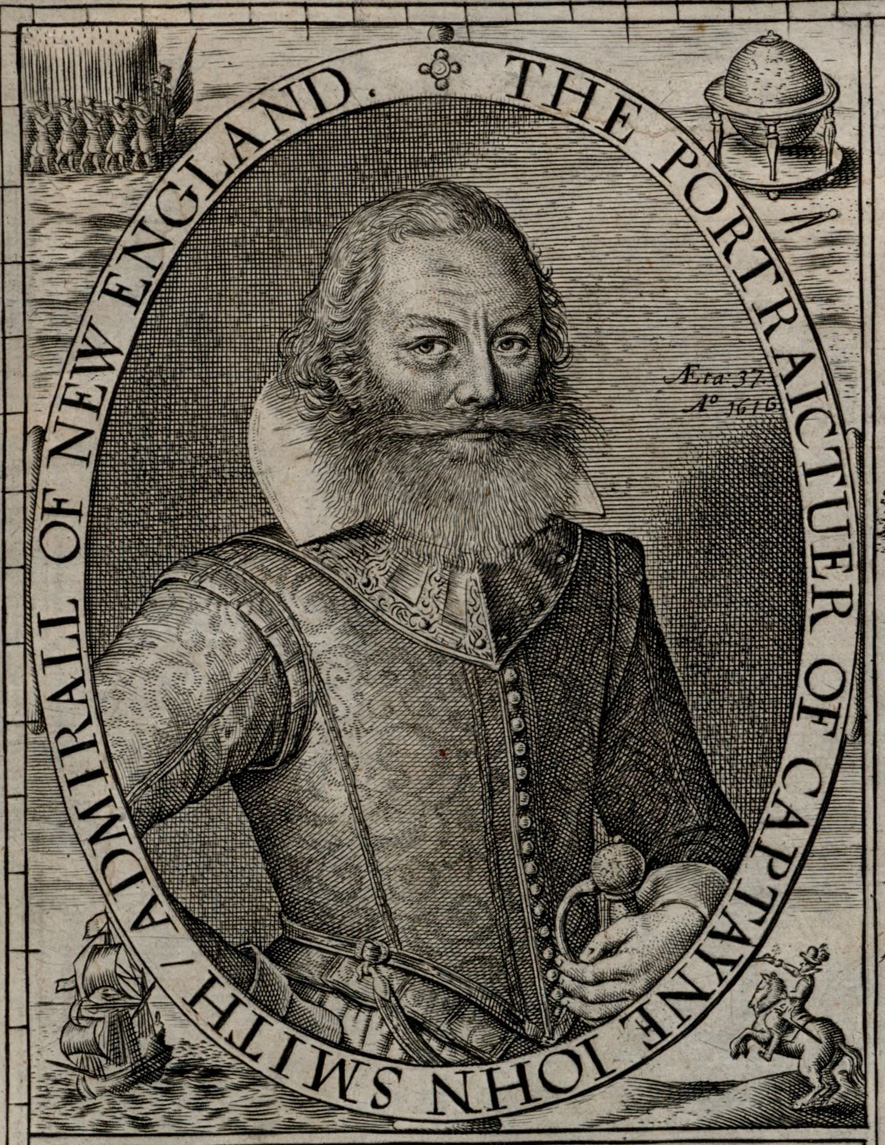
Sir Ferdinando Gorges and Captain John Mason: The Visionaries
The earliest significant English claim to the territory that would become New Hampshire is tied to two prominent figures: Sir Ferdinando Gorges and Captain John Mason. Both were influential figures involved in the early days of English colonization in North America.
Sir Ferdinando Gorges, a military leader and governor of Plymouth, England, held a deep interest in establishing English dominance across the Atlantic. He was instrumental in obtaining patents from the English Crown for vast tracts of land in what is now New England. His vision was often one of trade, military outposts, and expanding English influence.
Captain John Mason, a former governor of Newfoundland and a skilled mariner, partnered with Gorges and later pursued his own ambitions in the region. Mason was particularly drawn to the land north of the Massachusetts Bay Colony, seeing its potential for agriculture, fishing, and timber. He was granted a substantial patent in 1629 for the land between the Merrimack River and the Lamoine River, which he named “New Hampshire” in honor of his former home county in England. This act is often cited as the formal naming and one of the foundational moments for the territory.
The Piscataqua River Settlements: The First Footing
While Gorges and Mason envisioned and claimed the land, the actual establishment of permanent English settlements fell to others. The area around the Piscataqua River became the focal point of early colonization.
Dover: A Puritan Outpost
The first permanent English settlement in what would become New Hampshire was likely established at Dover around 1623. This settlement, initially driven by trade, particularly in furs, soon attracted Puritan settlers seeking religious and economic freedom, similar to their counterparts in neighboring Massachusetts Bay Colony. While not directly founded by Mason or Gorges, these early settlers laid the groundwork for future development under their broad claims.

Portsmouth: A Hub of Commerce
Simultaneously, settlements began to emerge at the mouth of the Piscataqua River, leading to the establishment of Portsmouth. This location, with its natural harbor, quickly became a vital center for shipbuilding, fishing, and trade. It was also within the territory claimed by Captain John Mason, and its growth was closely tied to his aspirations for the region.
The Interplay with Massachusetts Bay Colony
The early years of New Hampshire were marked by a complex and often contentious relationship with the powerful Massachusetts Bay Colony. The overlapping claims and differing political structures created a period of uncertainty.
Mason’s Heirs and the Royal Commission
After Captain John Mason’s death in 1635, his heirs struggled to assert their claims to New Hampshire. The original patents were sometimes vague, and the establishment of the more organized and populous Massachusetts Bay Colony often overshadowed the nascent settlements to the north. For a period, New Hampshire was effectively governed by the Massachusetts Bay Colony, as settlers sought the stability and protection that a larger, established government could provide.
However, Mason’s descendants continued to press their claims, and the English Crown eventually intervened. In 1679, a royal commission was established to settle the boundary dispute. This led to the separation of New Hampshire from Massachusetts and its establishment as a separate royal province. This decision, while resolving a territorial dispute, did not negate the foundational work of the settlers or the claims of early proprietors.
The Evolving Definition of “Founder”
Given this history, identifying a single “founder” of New Hampshire is an oversimplification. Instead, it is more accurate to consider several key individuals and entities that played pivotal roles in its establishment.

Proprietary Claims and Royal Province Status
Captain John Mason can be considered a foundational figure due to his patent and naming of the territory. His vision, though not fully realized by him personally, provided the initial legal basis for English claims. Sir Ferdinando Gorges also contributed significantly to the broader English claims in the region.
However, the actual establishment of persistent settlements was carried out by independent groups of colonists, often seeking religious and economic opportunities. The consolidation of these disparate settlements into a cohesive political entity was a process that involved both private enterprise and royal intervention.
The creation of New Hampshire as a separate royal province in 1679, under the direct authority of the English Crown, marked a crucial step in its formalization as a distinct political entity. While this did not involve a single “founder,” it was a significant turning point that solidified its identity and governance. Therefore, the “founding” of New Hampshire is best understood as an evolution, a culmination of proprietary ambitions, the pioneering spirit of early settlers, and the political decisions of the English Crown.
LifeOutOfTheBox is a participant in the Amazon Services LLC Associates Program, an affiliate advertising program designed to provide a means for sites to earn advertising fees by advertising and linking to Amazon.com. Amazon, the Amazon logo, AmazonSupply, and the AmazonSupply logo are trademarks of Amazon.com, Inc. or its affiliates. As an Amazon Associate we earn affiliate commissions from qualifying purchases.