
The idea of moving to a remote, wild landscape and receiving a payment for doing so sounds like a utopian dream for many. For years, a persistent whisper has circulated about Alaska, the “Last Frontier,” offering its residents an annual stipend. This intriguing notion often sparks curiosity, leading many to wonder if living in the vast wilderness of Alaska truly comes with a financial incentive. While the truth is more nuanced than a simple “yes” or “no,” it speaks to a unique facet of the Alaskan lifestyle that draws individuals seeking adventure, independence, and a distinct way of life. This article delves into the realities behind the myth, exploring the financial mechanisms at play, the true cost of living, and the profound lifestyle choices that define life in Alaska. It’s an exploration for those contemplating whether the untamed beauty of the 49th state offers not just breathtaking scenery, but also a sustainable path for a new chapter in their lives.
The Allure of the Alaskan Lifestyle: Beyond the Myths
Alaska holds a powerful mystique, conjuring images of majestic mountains, pristine wilderness, and a rugged, self-sufficient existence. For many, it represents an escape from the relentless pace of urban life, a return to nature, and an opportunity to forge a unique path. This romanticized view often intertwines with the practicalities of making a home in such an extreme environment, leading to questions about the viability of such a lifestyle, especially concerning financial support.
The Dream of a Wilderness Life
The draw to Alaska is profound for those yearning for a life less ordinary. It’s a land where one can truly feel connected to nature, where adventures are not just weekend plans but everyday possibilities. From salmon fishing in glacial rivers to hiking through vast national parks and witnessing the aurora borealis dance across the night sky, the experiences are unparalleled. This desire for an outdoor-centric, independent lifestyle is often the primary motivator for individuals and families considering a move. It’s about trading convenience for wilderness, crowds for solitude, and conventional careers for unique opportunities often tied to the state’s natural resources and seasonal industries. The dream often includes building a cabin, living off the grid, or simply enjoying unparalleled access to untouched nature, fundamentally shaping the daily routines and long-term aspirations of Alaskans.
Dispelling the “Free Money” Misconception
Amidst this allure, the myth of “getting paid to live in Alaska” persists. It’s crucial to clarify that this isn’t a federal program or a general handout for anyone who decides to move there. The concept largely stems from the Alaska Permanent Fund Dividend (PFD), a unique financial distribution that indeed provides an annual payment to eligible residents. However, this payment is neither “free money” nor designed as an incentive for new residents. It’s a benefit earned through a specific period of residency and adherence to certain criteria, funded by the state’s natural resource wealth. Understanding the PFD is central to grasping the financial landscape for those choosing an Alaskan lifestyle, as it plays a significant role in the state’s economy and its residents’ financial planning, albeit not as a primary draw for relocation, but rather as a unique aspect of long-term residency.
Understanding Alaska’s Permanent Fund Dividend (PFD)
The Permanent Fund Dividend is often the first, and sometimes only, piece of information people outside Alaska hear about financial benefits for residents. It’s a cornerstone of the Alaskan lifestyle, but its purpose and mechanics are frequently misunderstood.
What is the PFD and How Does it Work?
The Alaska Permanent Fund was established in 1976 through a constitutional amendment, setting aside a portion of the state’s oil revenues for future generations. The fund invests these revenues, and a portion of its earnings is distributed annually to eligible Alaskans as the Permanent Fund Dividend. This ingenious mechanism ensures that non-renewable resource wealth benefits current and future residents directly.
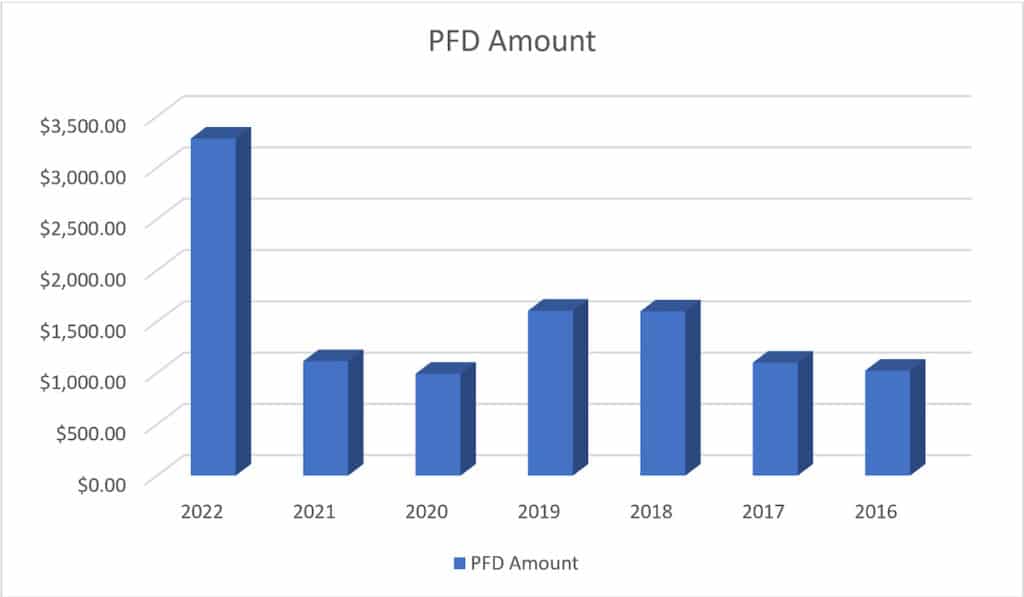
To be eligible for the PFD, an individual must be a resident of Alaska for a full calendar year preceding the application and intend to remain an Alaskan resident indefinitely. There are also specific rules regarding absences from the state and certain felony convictions or periods of incarceration that can disqualify an applicant. Each year, residents apply for the dividend, and after verification, a payment is issued, typically in the fall. The amount of the dividend fluctuates annually, depending on the Permanent Fund’s earnings, the number of eligible applicants, and legislative decisions. This variability means the PFD is not a fixed income source but rather a supplemental benefit that can vary significantly from one year to the next.
The Financial Impact on Alaskan Households
For many Alaskans, the PFD serves as a significant annual financial boost. It contributes directly to individual and household budgets, often used for everything from paying bills and buying school supplies to funding home repairs or even a small vacation. The collective distribution of the PFD also injects hundreds of millions of dollars into the local economy each year, stimulating consumer spending across the state. In remote villages, where economic opportunities can be scarce, the PFD can represent a vital lifeline, offering financial stability and improving the quality of life.
However, it’s crucial to contextualize the PFD within the broader economic reality of Alaska. While substantial, the dividend alone is generally not enough to sustain a household, especially given the state’s notoriously high cost of living. It functions more as a welcome bonus, an annual dividend from a shared resource, rather than a primary income stream that pays people to live there. The dividend is part of the unique social contract between the state and its residents, a tangible benefit of sharing in Alaska’s natural wealth, but it doesn’t negate the need for employment and careful financial planning.
Beyond the PFD: Other Financial Considerations for Alaskan Residents
While the PFD is a notable financial aspect of the Alaskan lifestyle, it’s far from the only one. A holistic understanding requires examining the broader economic landscape, including employment, industry, and the inherent costs associated with living in such a unique environment.
Employment Opportunities and Industry
Alaska’s economy is largely driven by its natural resources and strategic location. The oil and gas industry has historically been the largest contributor, providing high-paying jobs, though employment can fluctuate with global energy markets. The fishing industry, from commercial salmon harvests to crab fishing in the Bering Sea, also offers significant seasonal employment opportunities, often with intensive work periods and substantial earnings for those willing to endure the demanding conditions.
Tourism is another vital sector, especially during the summer months, creating jobs in hospitality, guiding, transportation, and retail in popular areas like Anchorage and Fairbanks. Additionally, the military maintains a strong presence, and state and federal government jobs provide stable employment. While wages in many sectors are often higher than the national average to compensate for the cost of living, the job market can be highly specialized or seasonal, requiring careful planning and adaptability from residents. The lifestyle often involves embracing diverse work experiences and adapting to the rhythm of the seasons.
The Cost of Living in the Last Frontier
One of the most significant factors influencing the Alaskan lifestyle is the elevated cost of living. Due to its remote location, vast distances, and reliance on air and sea transport for most goods, nearly everything from groceries to construction materials is more expensive than in the contiguous United States. Housing costs, particularly in urban centers like Anchorage and Fairbanks, can be comparable to, or even exceed, those in many major US cities. Heating costs during the long, cold winters are also a major budget consideration, as are transportation expenses, given the distances involved in daily life and travel.
Healthcare access and costs can also be challenging, particularly in rural and remote areas where specialists and facilities are scarce. For Alaskans, budgeting means accounting for these higher expenses, making financial resilience and often a dual-income household essential. The PFD helps to offset some of these costs, but it is rarely a solution to the overall higher expenditures. Embracing an Alaskan lifestyle often means adapting to a budget that prioritizes essentials and understanding that many conveniences available elsewhere come at a premium.
Embracing the Alaskan Lifestyle: Challenges and Rewards
Living in Alaska is more than just a place to reside; it’s a way of life that demands resilience, adaptability, and a deep appreciation for nature’s grandeur. The challenges are numerous, but so are the rewards for those who embrace them.
Adapting to Extreme Conditions
The most apparent challenge of the Alaskan lifestyle is adapting to its extreme climate. The long, dark winters, characterized by short daylight hours and frigid temperatures, can be physically and psychologically demanding. Conversely, the summers bring the “midnight sun,” with nearly 24 hours of daylight, which can disrupt sleep patterns but also provides endless opportunities for outdoor activities. Remote living, a reality for many Alaskans, can lead to feelings of isolation and limited access to amenities and services commonly found in more populated areas. This requires a strong sense of self-reliance and the ability to find contentment in solitude. Building a support network and actively engaging in community life become paramount for mental well-being in such conditions.
The Unique Social Fabric and Community
Despite the vastness of the land, Alaska is known for its strong, tight-knit communities. The shared experience of living in a challenging environment fosters a unique sense of camaraderie and mutual support. Neighbors often rely on each other, especially in more remote locales, creating a social fabric built on trust and cooperation. The lifestyle encourages participation in outdoor pursuits like hunting, fishing, skiing, and hiking, which often serve as focal points for social gatherings and community events. [Alaskans](https://lifeoutofthebox.com/alaska] share a distinct identity—a blend of frontier spirit, environmental stewardship, and rugged individualism. This communal aspect is a significant reward for those who might initially feel overwhelmed by the state’s isolation.
Is Living in Alaska Right for You?
Ultimately, the decision to live in Alaska is a profound lifestyle choice that extends far beyond the financial incentives. It is ideally suited for adventurers, nature enthusiasts, and individuals who thrive on independence and resilience. Those who cherish wide-open spaces, outdoor activities, and a sense of genuine community often find their true calling here. However, it requires a willingness to adapt to challenging conditions, embrace self-sufficiency, and accept a higher cost of living. The PFD, while a welcome annual benefit, should not be the sole or primary reason for considering a move. Instead, it represents a unique bonus in a life defined by unparalleled natural beauty, distinct challenges, and a vibrant, albeit demanding, way of existing.
Conclusion: A Lifestyle Investment, Not a Handout
The question of whether people get paid to live in Alaska is complex. While the Permanent Fund Dividend does provide an annual payment to eligible residents, it is a benefit derived from the state’s resource wealth, not a scheme to attract new inhabitants. Living in Alaska is fundamentally a lifestyle investment—an exchange of certain urban conveniences for an extraordinary connection to nature, a robust community spirit, and the unparalleled adventure of the Last Frontier. The financial incentives, while helpful, are part of a larger picture that includes a higher cost of living and the unique demands of an extreme environment. For those drawn to its wild beauty and rugged independence, the Alaskan lifestyle offers a richness of experience that far transcends any monetary compensation, embodying a profound commitment to a life lived on nature’s grandest stage.
LifeOutOfTheBox is a participant in the Amazon Services LLC Associates Program, an affiliate advertising program designed to provide a means for sites to earn advertising fees by advertising and linking to Amazon.com. Amazon, the Amazon logo, AmazonSupply, and the AmazonSupply logo are trademarks of Amazon.com, Inc. or its affiliates. As an Amazon Associate we earn affiliate commissions from qualifying purchases.