
Nestled on the banks of the Mississippi River and boasting a vibrant cultural scene, Minneapolis, Minnesota, stands as a beacon of urban sophistication and natural splendor. Often celebrated for its innovative spirit and friendly atmosphere, this Midwestern metropolis offers an abundance of attractions that cater to every type of traveler. From historic landmarks and world-class museums to picturesque parks and an acclaimed culinary landscape, Minneapolis promises an unforgettable experience.
This comprehensive guide unveils the must-see sights and experiences that define Minneapolis, ensuring your visit is filled with discovery and delight. Prepare to explore a city that masterfully blends its industrial heritage with a thriving contemporary arts scene, all set against a backdrop of stunning natural beauty.
Discovering Minneapolis’s Iconic Waterfront and Natural Beauty
The city’s relationship with water is undeniable, with the Mississippi River carving its way through downtown and an impressive network of lakes forming its “Chain of Lakes.” These aquatic features not only provide scenic beauty but also serve as focal points for recreation and relaxation, offering a tranquil escape within the urban environment.
The Majestic Mississippi Riverfront and Stone Arch Bridge
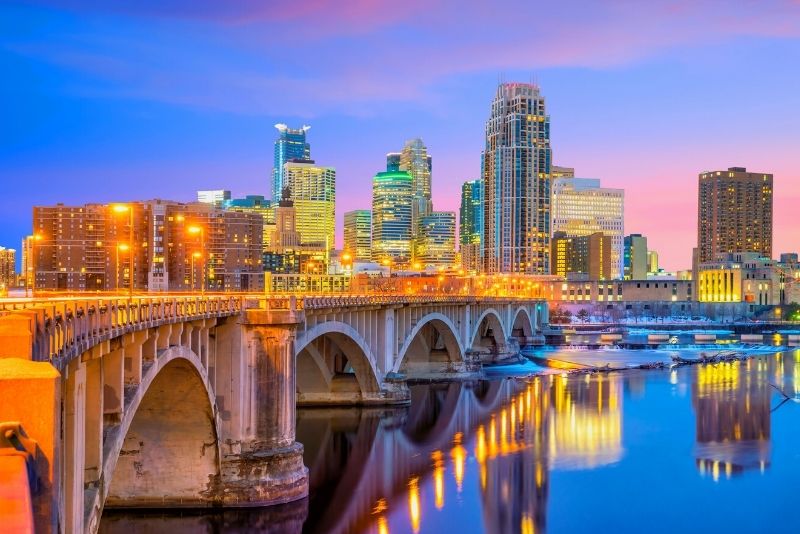
The Mississippi Riverfront is the historic heart of Minneapolis, once the industrial engine of the city powered by the mighty river’s falls. Today, it’s a vibrant recreational and cultural hub, epitomized by the iconic Stone Arch Bridge. This former railway bridge, now a pedestrian and bike path, offers breathtaking panoramic views of the downtown skyline, the St. Anthony Falls, and the historic mill ruins. Walking or biking across the Stone Arch Bridge is an essential Minneapolis experience, especially at sunset when the city lights begin to twinkle.
Adjacent to the bridge, the Mill Ruins Park preserves the remnants of the flour mills that once made Minneapolis the flour milling capital of the world. Interpretive signs weave tales of innovation and industry, allowing visitors to step back in time. The area around the riverfront is also home to charming cafes, restaurants, and the Guthrie Theater, making it a perfect place for an afternoon stroll followed by dinner and a show.
Minnehaha Park and Falls: An Urban Oasis
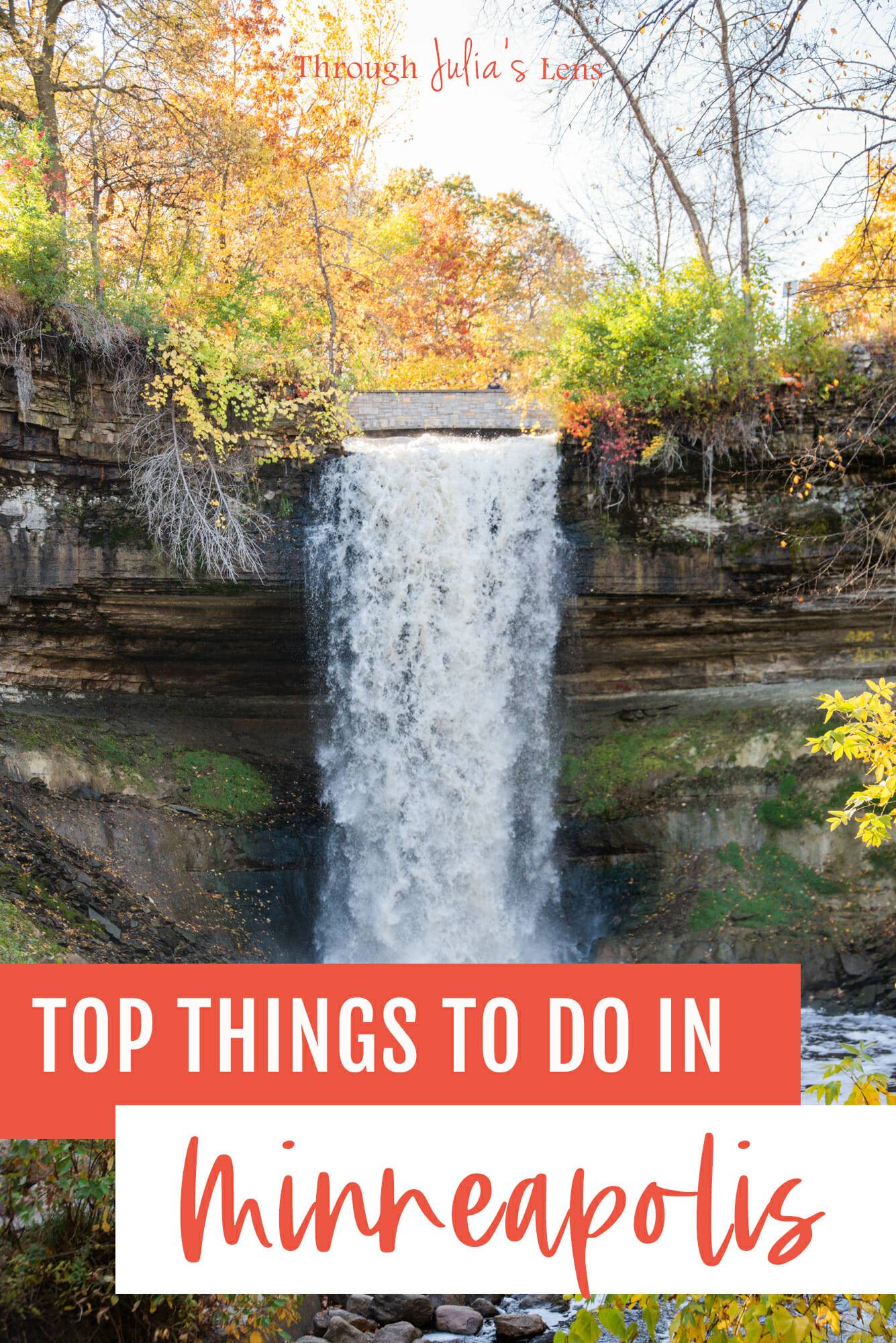
Just a short drive or bike ride from downtown, Minnehaha Park offers a spectacular natural retreat. Its centerpiece, the magnificent Minnehaha Falls, cascades 53 feet into a rocky gorge, a sight that has captivated visitors for generations. The park, immortalized in Henry Wadsworth Longfellow’s epic poem “The Song of Hiawatha,” provides miles of walking and biking trails that wind through lush woodlands, past limestone bluffs, and along the Minnehaha Creek as it flows towards the Mississippi River.
Beyond the falls, Minnehaha Park features beautiful gardens, a popular seafood restaurant (Sea Salt Eatery), and historical landmarks like the Longfellow House. It’s an ideal spot for picnics, leisurely walks, or simply soaking in the serene natural environment, demonstrating Minneapolis’s commitment to preserving green spaces for its residents and visitors.
The Chain of Lakes: Recreation and Serenity
The Chain of Lakes is a jewel in Minneapolis’s crown, comprising Lake Harriet, Lake Calhoun (officially Bde Maka Ska), Lake of the Isles, and Cedar Lake. These interconnected lakes offer a paradise for outdoor enthusiasts, featuring pristine waters for swimming, paddleboarding, and kayaking during warmer months, and ice skating or cross-country skiing in winter.
A 13-mile loop of scenic trails connects the lakes, providing perfect paths for walking, running, and biking. Each lake boasts its own distinct charm: Lake Harriet with its bandshell hosting free concerts and the Lake Harriet Rose Garden; Bde Maka Ska as the largest and most active for water sports; and Lake of the Isles known for its picturesque islands and elegant surrounding homes. Exploring the Chain of Lakes offers a quintessential Minneapolis experience, showcasing the city’s dedication to urban green spaces and active living.
A Hub of Arts, Culture, and History
Minneapolis has long been recognized as a thriving cultural center, home to an impressive array of museums, theaters, and historical sites. The city’s commitment to the arts is evident in its numerous institutions that house world-class collections and host groundbreaking performances, offering enriching experiences for all.
World-Class Museums: MIA and Walker Art Center
Art lovers will find themselves at home in Minneapolis, thanks to its distinguished art museums. The Minneapolis Institute of Arts (MIA) is a true gem, housing an encyclopedic collection that spans over 5,000 years of global art. With more than 90,000 objects, from ancient artifacts to contemporary masterpieces, MIA offers free general admission, making world-class art accessible to everyone. Its diverse exhibits and stunning architecture make it a must-visit.
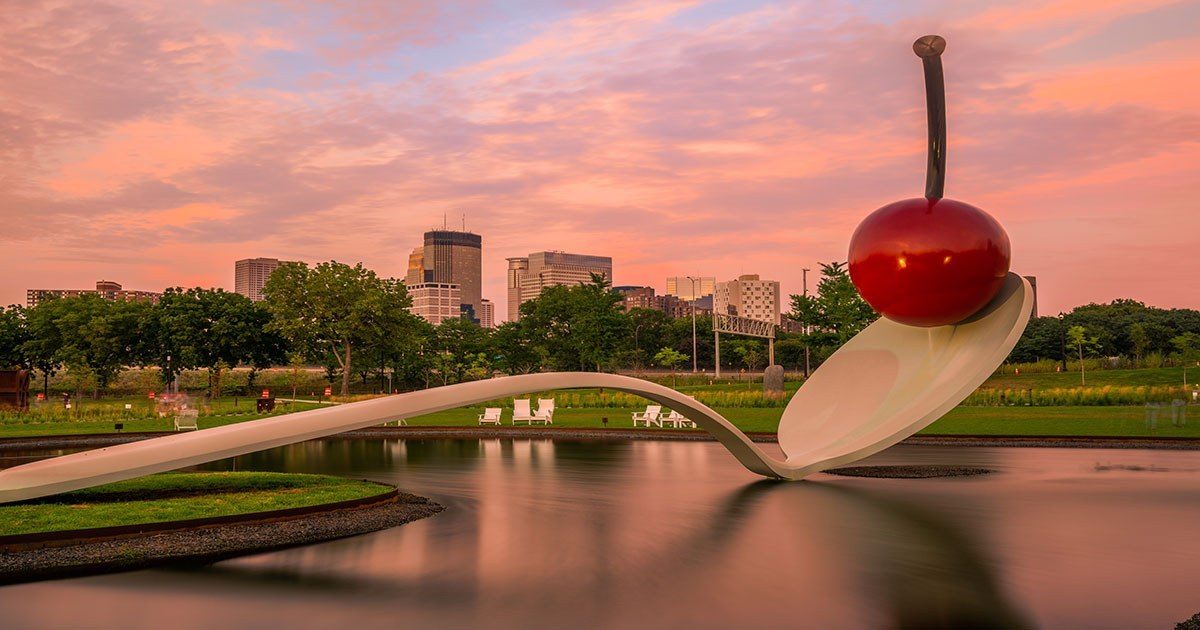
The Walker Art Center, on the other hand, is one of the nation’s “big five” contemporary art museums. Known for its avant-garde exhibitions and performing arts programs, the Walker pushes boundaries and challenges perceptions. Its adjacent Minneapolis Sculpture Garden is an iconic public space, famous for its “Spoonbridge and Cherry” sculpture and other large-scale works, providing a delightful outdoor art experience that perfectly complements the museum’s indoor offerings.
The Guthrie Theater: Architectural and Performing Arts Landmark
Perched dramatically on the Mississippi Riverfront, the Guthrie Theater is not only a premier performing arts venue but also an architectural marvel. Designed by French architect Jean Nouvel, its distinctive blue facade and cantilevered “Endless Bridge” extending 178 feet over West River Parkway make it instantly recognizable. Visitors can take a self-guided tour to admire its innovative design, enjoy stunning views of the river and city skyline from various public spaces, and, of course, catch a world-class theatrical production. The Guthrie is renowned for its diverse repertoire, from classical to contemporary plays, solidifying Minneapolis’s reputation as a theatrical powerhouse.
Mill City Museum: Echoes of an Industrial Past
Housed within the ruins of the former Washburn A Mill, once the world’s largest flour mill, the Mill City Museum offers a fascinating journey into Minneapolis’s industrial heritage. The museum vividly tells the story of the city’s flour milling industry, the power of the Mississippi River, and the innovations that shaped its growth. Through interactive exhibits, a “Flour Tower” multi-sensory elevator ride, and a working baking lab, visitors gain insight into the laborious yet revolutionary processes that made Minneapolis a global leader in flour production. The museum’s observation deck provides unparalleled views of the St. Anthony Falls and the Stone Arch Bridge, connecting its past with the present vibrant riverfront.
Architectural Marvels and Urban Explorations
Minneapolis’s urban landscape is a blend of historic charm and modern design, featuring unique architectural elements and vibrant neighborhoods. Exploring the city on foot or via its distinctive skyway system offers a different perspective on its dynamic character.
The Minneapolis Skyway System: A Unique Urban Walk
For a truly unique urban exploration, navigate the Minneapolis Skyway System. This interconnected network of enclosed, climate-controlled pedestrian bridges spans 11 miles over 80 city blocks, making it the longest continuous skyway system in the world. Originally designed to protect pedestrians from Minnesota’s harsh winters, the Skyway now provides a convenient and intriguing way to explore downtown Minneapolis, connecting offices, hotels, restaurants, shops, and entertainment venues. It offers a different vantage point of the city’s architecture and bustling street life, allowing visitors to traverse the urban core comfortably, regardless of the weather.
Exploring Diverse Neighborhoods and Their Charms
Beyond downtown, Minneapolis is a tapestry of distinct neighborhoods, each with its own character and attractions. The Uptown area, centered around the Chain of Lakes, is known for its trendy boutiques, independent shops, and vibrant nightlife, appealing to a younger, more bohemian crowd. Northeast Minneapolis, historically a hub for immigrants, has transformed into an arts district filled with studios, galleries, breweries, and unique eateries. The North Loop, once a warehouse district, is now a chic destination with loft apartments, high-end restaurants, and boutique hotels, reflecting the city’s ongoing revitalization. Wandering through these neighborhoods provides a deeper understanding of Minneapolis’s diverse culture and community spirit.
Historic Architecture Downtown
Downtown Minneapolis itself is a showcase of architectural styles, from the Beaux-Arts grandeur of the Hennepin County Government Center and the historic facades along Nicollet Mall to the striking modern designs of skyscrapers like the IDS Center and the Capella Tower. The Foshay Tower, inspired by the Washington Monument, offers an observation deck with panoramic views, giving visitors a chance to appreciate the city’s skyline and urban planning. Engaging with this blend of old and new offers a captivating look at Minneapolis’s evolution and architectural prowess.
Beyond the Mainstream: Unique Minneapolis Experiences
While the major landmarks offer ample exploration, Minneapolis also provides a wealth of less conventional yet equally rewarding experiences, from its passionate sports culture to its groundbreaking music legacy and abundant public art.
Sports Spectacles and Venues
For sports enthusiasts, Minneapolis is a dream destination. The city boasts state-of-the-art venues that host professional teams across major leagues. Catch a Minnesota Twins baseball game at the open-air Target Field, often cited as one of the best ballparks in the nation. Experience the roar of the crowd at U.S. Bank Stadium, home to the Minnesota Vikings (NFL) and host of Super Bowl LII. Basketball fans can cheer on the Minnesota Timberwolves (NBA) and Minnesota Lynx (WNBA) at the Target Center. Attending a game is not just about the sport; it’s about experiencing the vibrant local culture and the passionate community spirit of Minneapolis.
The Vibrant Music Scene
Minneapolis has an illustrious musical heritage, most famously as the birthplace of Prince. The city continues to foster a dynamic and diverse music scene, with venues ranging from intimate clubs to grand concert halls. Explore the historic First Avenue & 7th St Entry, an iconic venue that has hosted countless legendary acts and is famously featured in Prince’s “Purple Rain.” Other notable venues include the Dakota Jazz Club, the Varsity Theater, and larger arenas like the Xcel Energy Center in nearby St. Paul. Whether you’re into rock, jazz, indie, or classical, Minneapolis offers a rich auditory landscape.
Sculptural Wonders and Public Art
Beyond the renowned Minneapolis Sculpture Garden, public art is woven into the fabric of Minneapolis. The city embraces art in its public spaces, with numerous murals, sculptures, and installations dotting its parks, streets, and buildings. Take a walk through neighborhoods like Northeast Minneapolis or along the Mississippi Riverfront to discover unexpected artistic treasures. This widespread integration of art into the urban environment enriches the experience of simply moving through the city, making every corner a potential discovery for the curious traveler.
In conclusion, Minneapolis is a city of surprising depth and diversity, offering a captivating blend of natural beauty, cultural richness, and urban innovation. From its historic riverfront and tranquil lakes to its world-class museums and vibrant arts scene, there’s truly something for everyone to see and experience. Plan your visit to this dynamic Minnesota gem and discover why it remains one of the Midwest’s most compelling travel destinations.
LifeOutOfTheBox is a participant in the Amazon Services LLC Associates Program, an affiliate advertising program designed to provide a means for sites to earn advertising fees by advertising and linking to Amazon.com. Amazon, the Amazon logo, AmazonSupply, and the AmazonSupply logo are trademarks of Amazon.com, Inc. or its affiliates. As an Amazon Associate we earn affiliate commissions from qualifying purchases.