
While the title of this guide might initially conjure thoughts of business formation, for those exploring the vibrant landscape of Texas, understanding how to establish a Limited Liability Company (LLC) can surprisingly intersect with your travel and lifestyle aspirations. Whether you’re a budding entrepreneur looking to leverage Texas‘s favorable business climate to fund your next adventure, or you’re a seasoned traveler seeking to monetize your experiences in the Lone Star State, this guide will demystify the process of setting up an LLC in Texas, weaving in relevant insights from the world of travel, tourism, and lifestyle.
Setting the Stage: Why an LLC in Texas?
Texas is renowned for its business-friendly environment, making it an attractive destination for entrepreneurs. An LLC offers a flexible structure that separates your personal assets from your business debts, providing crucial liability protection. This protection can be particularly beneficial if your business activities involve customer interactions, property ownership, or any venture that could potentially expose you to legal claims. For travel enthusiasts, this could mean anything from operating a tour guide service in Austin to managing vacation rental properties near the Texas Coast.
Understanding the Benefits of an LLC for Your Texas Ventures
Before diving into the practical steps, it’s essential to grasp why an LLC is a smart choice for many in Texas:
- Limited Liability Protection: This is the cornerstone of an LLC. It means that if your business incurs debt or faces a lawsuit, your personal assets, such as your home or savings, are generally protected. This is a significant advantage over sole proprietorships or general partnerships, where personal assets are at risk. Imagine you run a small boutique hotel in San Antonio; if a guest were to sue over an incident on the property, your personal finances would remain secure.
- Pass-Through Taxation: By default, LLCs are taxed as a sole proprietorship or partnership. This means the business itself doesn’t pay income tax. Instead, profits and losses are “passed through” to the owners’ personal income tax returns. This avoids the “double taxation” that corporations often face, simplifying your tax obligations.
- Flexibility in Management: LLCs can be managed by their members (owners) or by appointed managers. This flexibility allows you to tailor the management structure to your specific needs, whether you’re a solo traveler documenting your adventures or a team organizing large-scale tours.
- Credibility and Professionalism: Operating as an LLC can lend an air of legitimacy and professionalism to your business. This can be particularly important when dealing with partners, investors, or clients, whether they are booking accommodations through your platform or seeking guided experiences in the Texas Hill Country.
- Ease of Formation and Maintenance: Compared to corporations, LLCs are generally simpler to set up and maintain, requiring fewer formalities. This ease of operation allows you to focus more on developing your travel experiences or hospitality ventures.
The Practical Steps to Forming Your Texas LLC
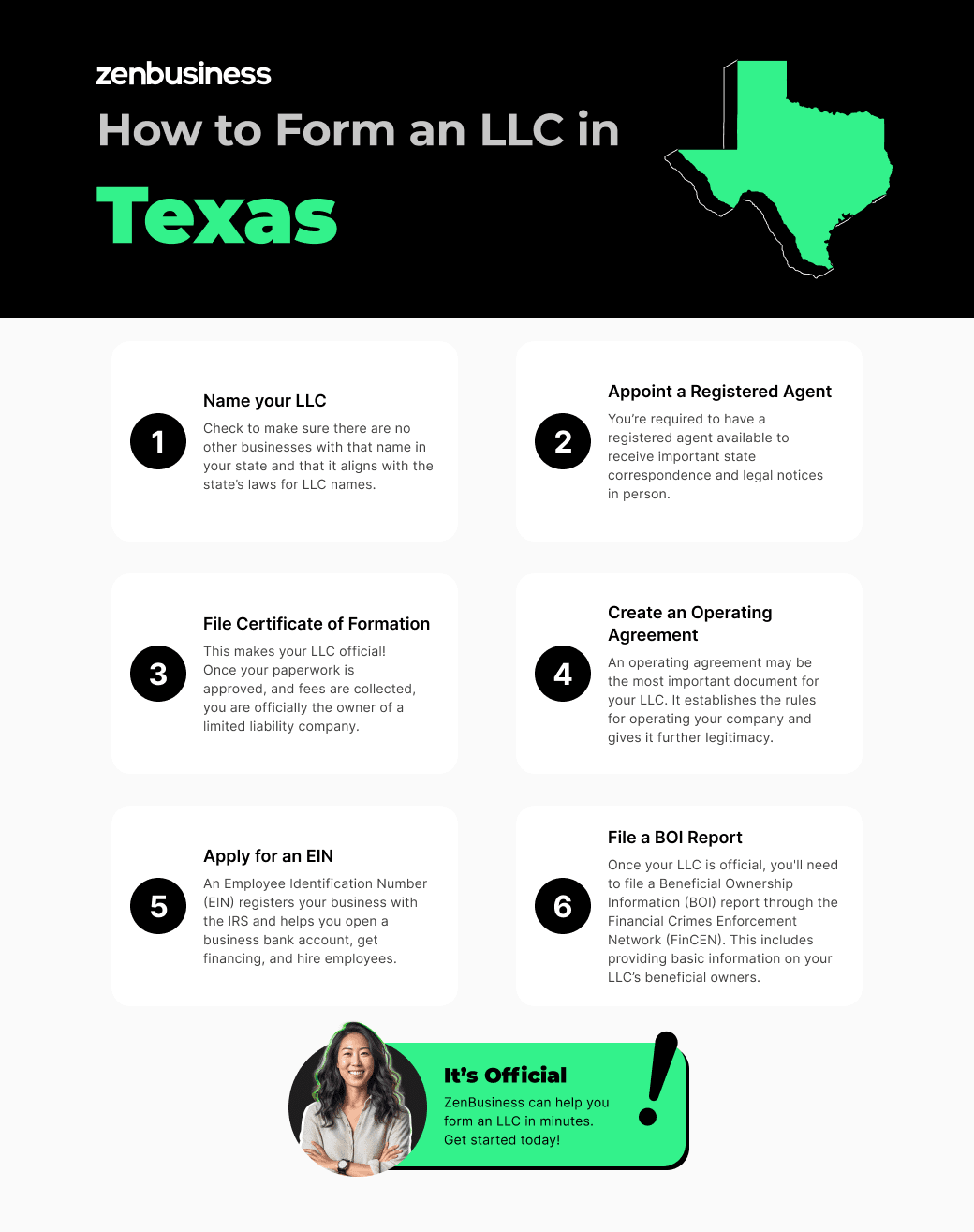
Now, let’s break down the actionable steps required to get your LLC up and running in Texas. The process is managed by the Texas Secretary of State.
Step 1: Choosing a Unique Business Name
Your LLC name is your brand’s first impression. It needs to be distinctive and comply with Texas naming requirements.
- Availability Check: Before you get too attached to a name, you must ensure it’s not already in use by another registered entity in Texas. You can perform a business name search on the Texas Secretary of State’s website. For example, if you plan to offer luxury travel packages focusing on Texas ranches, a name like “Lone Star Luxe Escapes” would need to be checked.
- Mandatory Designators: Your LLC name must include a designator that signifies it’s a limited liability company. Acceptable options include “Limited Liability Company,” “LLC,” or “L.L.C.”
- Prohibited Words: Certain words are restricted or prohibited. For instance, words that imply affiliation with government entities or specific professions (like “bank,” “insurance,” or “attorney”) may require special licensing or approval.
- Name Reservation (Optional): If you have a name you love but aren’t ready to file, you can reserve it for a fee for a period of 120 days. This is useful if you’re in the early stages of planning your business, perhaps scouting out unique accommodations in Galveston or developing a new culinary tour in Dallas.
Step 2: Appointing a Registered Agent
A registered agent is a person or entity designated to receive official legal and tax documents on behalf of your LLC. This individual or entity must have a physical street address in Texas (not a P.O. Box) and be available during normal business hours.
- Who Can Be a Registered Agent? You can appoint yourself, another member of your LLC, or a third-party registered agent service.
- Importance of the Role: The registered agent is the official point of contact for your business. This is crucial for receiving service of process (lawsuit notifications) and other important government correspondence. If you’re running a remote travel blog or managing properties from afar, a reliable registered agent is indispensable. Think of them as your reliable contact for official mail, ensuring you don’t miss critical communications, even if you’re exploring the Big Bend National Park.

Step 3: Filing the Certificate of Formation
This is the official document that establishes your LLC with the state of Texas.
- Content of the Certificate: The Certificate of Formation is relatively straightforward. It typically requires:
- The name of your LLC.
- The name and physical street address of your registered agent in Texas.
- The name and mailing address of the organizer (the person filing the document).
- The effective date of the LLC (which can be the date of filing or a future date).
- Filing Fee: There is a filing fee associated with the Certificate of Formation, which is subject to change by the Secretary of State. It’s best to check the official website for the most current fee schedule.
- How to File: You can file your Certificate of Formation online through the Texas Secretary of State’s website, by mail, or in person. Online filing is generally the fastest and most efficient method.
Navigating Post-Formation Essentials for Your Texas LLC
Once your LLC is officially formed, there are a few more crucial steps to ensure your business is compliant and ready to operate.
Step 4: Obtaining an EIN (Employer Identification Number)
An EIN, also known as a Federal Tax Identification Number, is issued by the Internal Revenue Service (IRS). While not always required for single-member LLCs with no employees, it’s highly recommended and often necessary for several reasons.
- Opening Business Bank Accounts: Most banks will require an EIN to open a business checking or savings account. This is vital for maintaining the separation between your personal and business finances, which is essential for maintaining your liability protection.
- Hiring Employees: If you plan to hire staff for your tour company or hospitality business, you will need an EIN to report wages and withhold taxes.
- Tax Filings: Certain tax filings, especially if you elect to be taxed as an S-corporation, will require an EIN.
- Applying for Business Licenses/Permits: Some local or state licenses and permits may require an EIN.
- How to Obtain an EIN: You can apply for an EIN for free directly from the IRS website. It’s a simple online process that usually provides you with your EIN immediately.
Step 5: Creating an LLC Operating Agreement
While Texas does not legally require an LLC to have an operating agreement, it is a highly recommended document. This internal document outlines the ownership, management, and operating procedures of your LLC.
- Key Components: An operating agreement typically details:
- The ownership structure (member percentages).
- The roles and responsibilities of members and managers.
- How profits and losses will be distributed.
- Procedures for admitting new members or the departure of existing ones.
- Rules for holding meetings and making decisions.
- Dissolution procedures.
- Why It’s Important: Even if you are the sole member of your LLC, an operating agreement helps solidify the separation between you and your business, further reinforcing your liability protection. It provides a clear framework for operations, preventing potential disputes among members and offering guidance in unexpected situations, whether you’re managing a chain of boutique hotels in Houston or running an adventure tour company across South Padre Island.

Step 6: Understanding Texas State and Local Licenses and Permits
Depending on the nature of your business and its location within Texas, you may need specific licenses and permits to operate legally.
- Business Activity: If you’re offering guided tours, you might need specific permits from local municipalities or tourism boards. If you’re operating a short-term rental near Austin, you’ll need to comply with city ordinances. If your business involves food service at a resort, health permits are essential.
- Research is Key: It’s crucial to research the licensing requirements at the state, county, and city levels where your business will operate. The Texas Business License Guide and the websites of local government agencies are excellent resources. For example, a luxury travel planner specializing in Texas wine tours will have different requirements than someone offering guided hikes in Enchanted Rock State Natural Area.
By diligently following these steps, you can successfully establish an LLC in Texas. This solid foundation will not only protect your personal assets but also position your business for growth, allowing you to confidently pursue your entrepreneurial dreams, whether they involve exploring the culinary scene of San Antonio or managing unique accommodations for travelers seeking the best of Texas hospitality. The journey of forming an LLC might seem like a bureaucratic hurdle, but it’s a vital step towards a secure and prosperous future for your business endeavors in the great state of Texas.
LifeOutOfTheBox is a participant in the Amazon Services LLC Associates Program, an affiliate advertising program designed to provide a means for sites to earn advertising fees by advertising and linking to Amazon.com. Amazon, the Amazon logo, AmazonSupply, and the AmazonSupply logo are trademarks of Amazon.com, Inc. or its affiliates. As an Amazon Associate we earn affiliate commissions from qualifying purchases.