
For many travelers exploring the vast and diverse landscapes of Texas, understanding local customs and regulations is key to a seamless and enjoyable experience. Among the myriad details a tourist might consider, the rules governing alcohol sales often come as a surprise, especially when it comes to convenience stores and gas stations. Texas, with its rich history and distinct cultural identity, has a set of alcohol laws that differ significantly from many other states. Navigating these can prevent unexpected inconveniences and ensure you’re always prepared, whether you’re heading to a campground, a lake house, or simply unwinding after a day of sightseeing in Dallas or Houston.
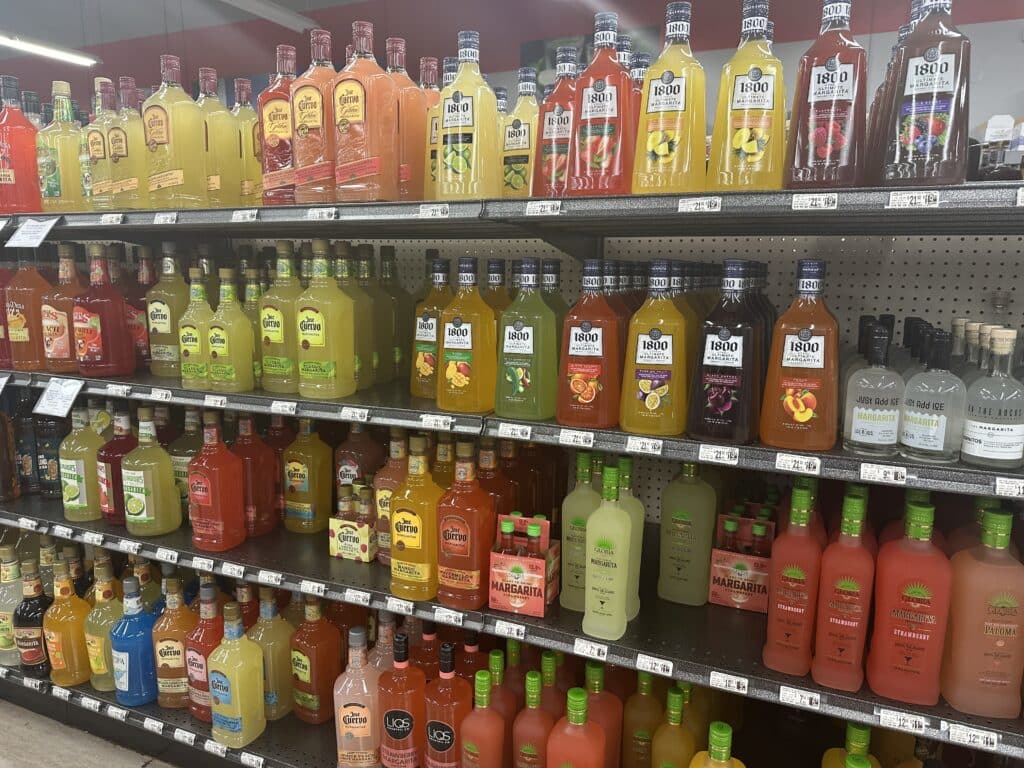
This guide aims to demystify the intricacies of alcohol sales at gas stations and convenience stores across the Lone Star State. We’ll delve into the specific timings, the types of alcohol available, and the historical and cultural context that shaped these laws. By the end, you’ll have a clear understanding of when and where you can purchase your preferred beverages, allowing you to fully immerse yourself in the unique Texas experience without any hiccups.
Navigating Texas Alcohol Laws: A Tourist’s Guide
Texas’s alcohol laws are governed primarily by the Texas Alcoholic Beverage Commission (TABC). While these regulations are statewide, there can be local variations, particularly concerning “dry” or “wet” areas. However, for most major cities and travel routes, the general rules for gas stations and convenience stores hold true, primarily dictating the sale of beer and wine.
The Basics of Beer and Wine Sales
At gas stations and convenience stores in Texas, the primary alcoholic beverages available are beer and wine. These establishments are generally permitted to sell these items for off-premise consumption within specific hours. Unlike some states where hard liquor might be found in grocery stores or convenience stores, Texas maintains a stricter separation.
- Weekday Sales (Monday-Friday): For most of the week, you can purchase beer and wine at gas stations and convenience stores starting at 7:00 AM. Sales continue until 12:00 AM (midnight). This provides a generous window for travelers to pick up beverages for their evening plans or to stock up before heading out on a road trip across the vast Texas landscape.
- Saturday Sales: Saturdays follow a similar pattern to weekdays, with sales beginning at 7:00 AM and extending until 1:00 AM on Sunday morning. This extended hour caters to weekend social activities and late-night gatherings, offering a bit more flexibility.
It’s important to remember that these hours apply to the sale of beer and wine only. Products like distilled spirits (liquor, whiskey, vodka, etc.) are subject to an entirely different set of rules and can only be purchased at dedicated liquor stores, which have much more restricted hours.
Understanding Sunday Restrictions
Sunday has historically been a day with more stringent alcohol sales regulations in Texas, often referred to as “blue laws” in a broader sense. While some of these restrictions have been relaxed over the years, specific rules still apply to gas stations and convenience stores.
- Sunday Sales (Before 10:00 AM): Prior to recent changes, beer and wine sales were significantly restricted on Sundays. However, as of recent legislative updates (specifically in 2021), gas stations and convenience stores can now begin selling beer and wine at 10:00 AM on Sundays. This is a welcome change for many tourists and locals, making Sunday brunch or afternoon gatherings easier to provision.
- Sunday Sales (After 10:00 AM): Once sales commence at 10:00 AM, they typically continue until 12:00 AM (midnight), aligning with the weekday closing time. This means that if you’re planning a Sunday outing to a park in Austin or a barbecue by a lake, you have ample time to pick up your beer or wine after 10 AM.
These Sunday hours are crucial for tourists to remember, especially if they are arriving in Texas on a Sunday or planning to host an event. Arriving at a gas station at 9:30 AM on a Sunday only to find beer and wine sales restricted can be an unexpected frustration. Planning ahead based on these updated rules will save you time and hassle.
Beyond Gas Stations: Liquor Stores and Other Venues
While gas stations are convenient for beer and wine, Texas tourism often involves more diverse needs. Understanding the limitations of gas stations means knowing where else to look for your alcoholic beverages.
Liquor Store Hours and Offerings
For travelers seeking spirits or a wider selection of wines and craft beers, liquor stores are the go-to destination. However, their hours are significantly more restrictive than convenience stores.
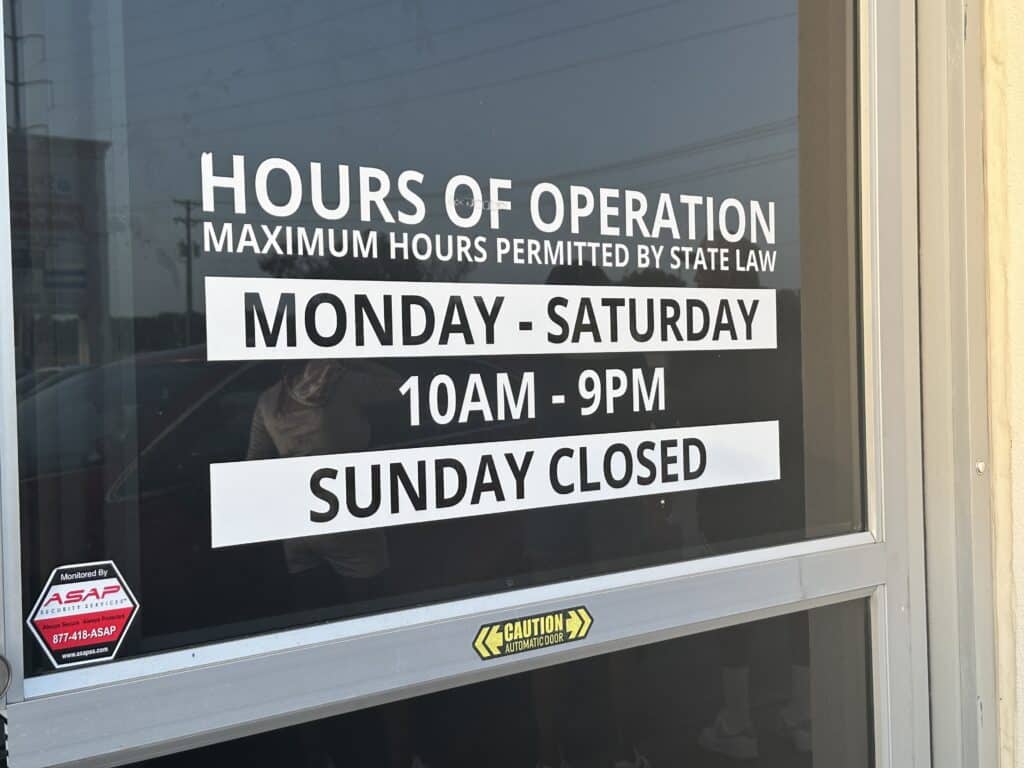
- Operating Hours: Liquor stores in Texas are generally open from 10:00 AM to 9:00 PM, Monday through Saturday.
- Sunday Closures: Crucially, liquor stores are closed all day on Sundays. This is a long-standing Texas law that remains unchanged and is one of the most important distinctions for tourists to remember. If you need liquor for a Sunday event, you must purchase it on Saturday.
- Holiday Closures: Liquor stores are also typically closed on major holidays such as New Year’s Day, Thanksgiving Day, and Christmas Day. Some local jurisdictions might add more, so it’s always wise to check if your visit coincides with a major holiday.
- Product Selection: These stores offer a comprehensive range of distilled spirits, fortified wines, and sometimes specialty beers not found in gas stations. This separation is a key aspect of Texas’s alcohol regulatory framework.
On-Premise Consumption: Bars and Restaurants
When it comes to enjoying a drink on-site, the rules for bars and restaurants are much more flexible, offering ample opportunities for tourists to experience Texas nightlife and culinary scenes.
- Standard Hours: Establishments licensed for on-premise consumption (bars, restaurants, pubs) can generally sell alcohol from 7:00 AM to 12:00 AM (midnight), Monday through Saturday.
- Sunday Hours: On Sundays, sales can begin at 10:00 AM.
- Late-Night Sales: In areas designated as “late-night hours” zones (common in larger cities like San Antonio or Fort Worth), bars can sell alcohol until 2:00 AM any day of the week, provided they hold the appropriate permits. This means that if you’re looking for a late-night cocktail or beer, a bar is your best bet, long after gas stations have stopped selling alcohol for off-premise consumption. This flexibility allows tourists to enjoy the vibrant social scenes found in many Texas cities.
Why Do These Rules Exist? Cultural and Legal Context
Understanding the “why” behind Texas’s alcohol laws provides valuable insight into the state’s culture and history, enriching a tourist’s appreciation for its unique character. These regulations are not arbitrary but are rooted in historical events, moral considerations, and public safety concerns.
Historical Roots of Texas Alcohol Regulations
The history of alcohol laws in Texas is deeply intertwined with the temperance movement and post-Prohibition era. After the repeal of Prohibition in 1933, states were granted the authority to regulate alcohol sales within their borders. Texas, like many Southern states, opted for a relatively conservative approach, influenced by strong moral and religious sentiments.
- Separation of Sales: The clear distinction between the sale of beer/wine and spirits, and their respective retail outlets, harks back to an era aimed at controlling access to stronger alcoholic beverages. This was believed to mitigate social problems associated with alcohol abuse.
- Sunday Restrictions (“Blue Laws”): The “blue laws” are a vestige of early American Puritanical traditions, designed to encourage church attendance and promote a day of rest. While many of these laws have been repealed or relaxed over the decades (including the recent changes to Sunday beer/wine sales), their remnants, like the Sunday closure of liquor stores, persist. These laws reflect a historical societal preference for regulating commerce, particularly alcohol sales, on the Sabbath.
These historical influences contribute to the unique retail landscape for alcohol in Texas today, shaping the experience for both residents and visitors.
Local Ordinances and Dry Counties
While the TABC sets statewide standards, Texas has a long tradition of local option elections, allowing counties and even smaller precincts to vote on whether to permit the sale of alcohol. This means that while most major urban and tourist-heavy areas are “wet” (allowing sales), you might occasionally encounter a “dry” county or precinct.
- Dry Counties: In a “dry” county, the sale of alcoholic beverages (including beer and wine) is prohibited entirely. While these are becoming less common, especially along major highways and in growing urban centers, they still exist. For a tourist, unknowingly entering a dry county can lead to unexpected difficulty in purchasing alcohol. It’s less common for gas stations in tourist corridors to be in completely dry areas, but it’s a possibility in more rural parts of Texas.
- Partially Wet Counties: Some areas might be “partially wet,” allowing the sale of beer and wine but prohibiting spirits, or only allowing on-premise consumption and not off-premise sales. These local nuances can be complex, but for the typical gas station scenario, statewide rules for beer and wine usually apply in “wet” or “partially wet” areas.
For practical purposes, when traveling through well-established tourist routes or cities like El Paso or Corpus Christi, you are unlikely to encounter dry areas at gas stations. However, it’s a good reminder that Texas is a vast state with significant local autonomy.
Practical Tips for Tourists
Armed with knowledge of Texas’s alcohol sales regulations, tourists can better plan their visits and avoid any inconveniences.
Planning Your Purchases
The key to a hassle-free experience is foresight.
- Check the Day: Always be mindful of the day of the week, especially Sundays. If you’re arriving on a Sunday and need beer or wine for the evening, remember the 10:00 AM start time. If you need liquor for a Sunday event, ensure you purchase it by Saturday evening at a liquor store.
- Stock Up on Saturdays: If you anticipate needing spirits on a Sunday, Saturday is your last chance to visit a liquor store. For beer and wine, Saturday offers extended hours until 1:00 AM on Sunday morning.
- Utilize On-Premise Sales: If you miss the cutoff for off-premise sales, remember that bars and restaurants often have later hours, especially in urban centers. This can be a good alternative for an immediate drink, although not for stocking up.
- Look for Signage: Gas stations and convenience stores that sell alcohol are usually clearly marked, and often have signs indicating their permitted sales hours. When in doubt, politely ask the store clerk.
Age Verification and Responsible Consumption
Like all states, Texas enforces strict age verification for alcohol purchases and promotes responsible consumption.
- Minimum Age: The legal drinking and purchase age in Texas is 21 years old. You will be asked for valid photo identification, regardless of how old you appear. This is non-negotiable, and store clerks face severe penalties for selling to minors. Ensure you carry an acceptable form of ID, such as a driver’s license, state ID card, or passport.
- Public Consumption: Open container laws are in effect in Texas. It is generally illegal to possess an open alcoholic beverage container in the passenger area of a motor vehicle on a public highway. Public consumption laws also vary by locality; it’s best to consume alcohol in designated areas, private property, or licensed establishments.
- Drinking and Driving: Texas has very strict laws against driving under the influence (DUI) or driving while intoxicated (DWI). Penalties are severe. Always designate a sober driver, use ride-sharing services, or take public transportation if you plan to drink.
By respecting these regulations and planning accordingly, tourists can enjoy the vibrant culture, delicious food, and diverse attractions that Texas has to offer, making their visit truly memorable. Knowing when gas stations stop selling alcohol is just one small but significant piece of the puzzle in navigating the wonderful world of Texas tourism.
LifeOutOfTheBox is a participant in the Amazon Services LLC Associates Program, an affiliate advertising program designed to provide a means for sites to earn advertising fees by advertising and linking to Amazon.com. Amazon, the Amazon logo, AmazonSupply, and the AmazonSupply logo are trademarks of Amazon.com, Inc. or its affiliates. As an Amazon Associate we earn affiliate commissions from qualifying purchases.