
For many travelers planning an adventure to the American South, the state of Mississippi evokes images of antebellum homes, soulful blues music, and delicious Southern cuisine. However, an increasingly relevant question for eco-tourists and nature enthusiasts is whether the state’s wild landscapes are also home to one of North America’s most iconic mammals: the bear. The answer, definitively, is yes. The American black bear, a symbol of wildness and ecological health, has made a remarkable comeback in the Magnolia State, offering a unique dimension to Mississippi’s burgeoning tourism profile. Understanding their presence, habitats, and how to interact responsibly with them is crucial for any visitor venturing into the state’s more natural settings.
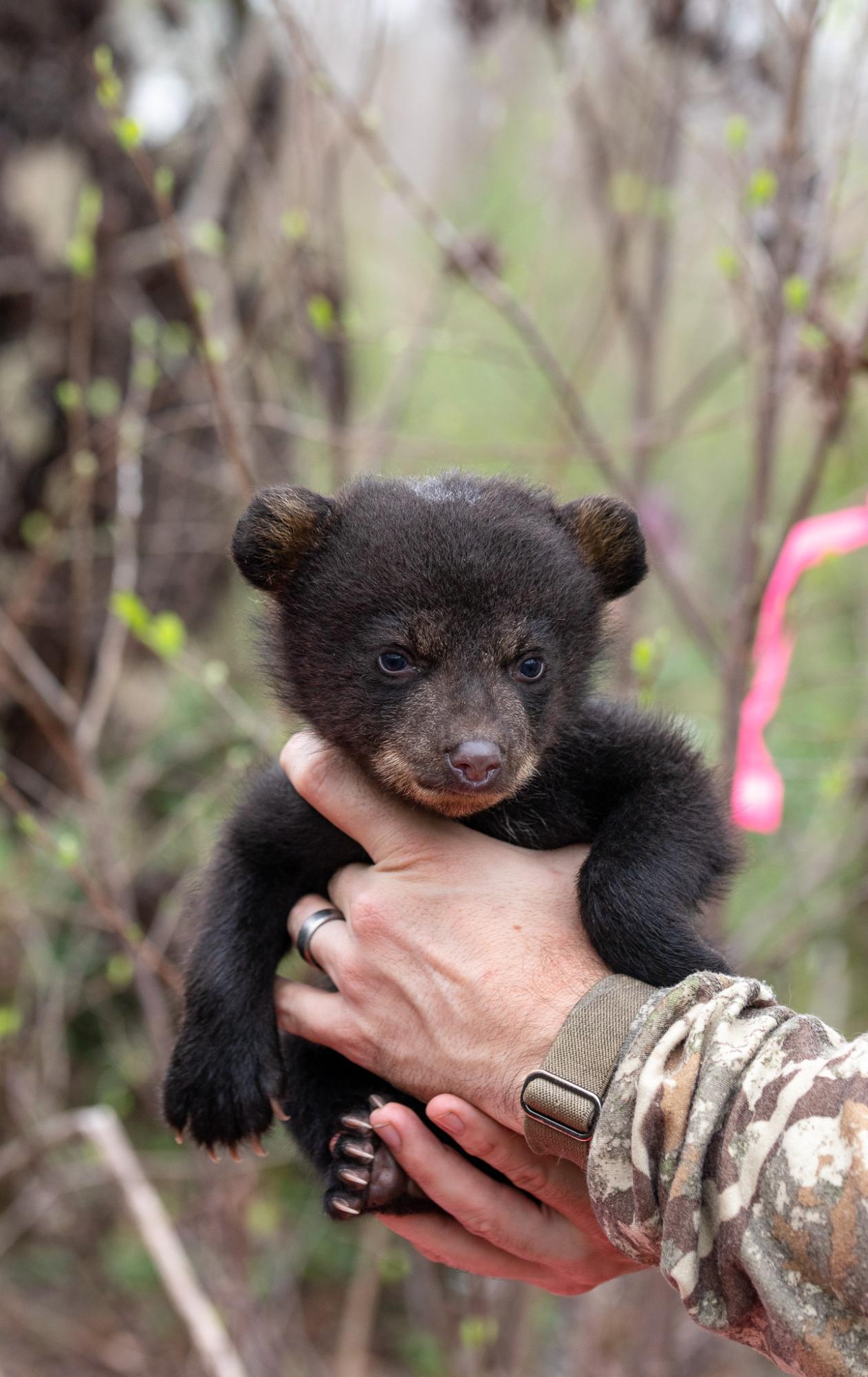
The Resurgence of Black Bears in the Magnolia State
The story of black bears in Mississippi is one of resilience, dedicated conservation, and a testament to nature’s ability to recover when given the chance. Once abundant, their populations dwindled drastically before a concerted effort brought them back from the brink.
Historical Presence and Decline
Historically, black bears roamed across much of Mississippi and the broader southeastern United States. These magnificent creatures were an integral part of the region’s diverse ecosystem, playing a vital role in forest health and biodiversity. However, intense habitat loss due to agricultural expansion, widespread logging, and unregulated hunting throughout the 19th and early 20th centuries led to a catastrophic decline in their numbers. By the mid-20th century, black bears were considered nearly extirpated from the state, with only fragmented, isolated populations clinging to existence in the most remote swamps and dense bottomland forests. The few bears remaining were primarily found along the Mississippi River floodplain, often considered spillover populations from neighboring Louisiana and Arkansas.
Conservation Efforts and Recovery
The tide began to turn in the latter half of the 20th century, thanks to increased environmental awareness and the implementation of robust conservation strategies. Key players, including the Mississippi Department of Wildlife, Fisheries, and Parks (MDWFP) and organizations like the Black Bear Conservation Committee (BBCC), spearheaded efforts to protect remaining habitats, educate the public, and manage populations. Reforestation projects, the establishment of wildlife management areas, and strict hunting regulations (including a complete ban on bear hunting) were instrumental. Crucially, natural migration from neighboring states, coupled with these protective measures, allowed the black bear population to slowly but surely re-establish itself. Today, the black bear is officially listed as a protected species in Mississippi, and its numbers continue to grow, making it a significant conservation success story for the state.
Where Bears Are Found Today
While black bears are still not universally distributed across Mississippi, their presence is becoming more widespread, particularly in areas with extensive forest cover and suitable habitat. The primary bear populations are concentrated in several key regions:
- The Delta and Mississippi River Floodplain: This region, especially the bottomland hardwood forests along the Mississippi River and its tributaries, serves as a crucial corridor for bears. Areas near Vicksburg and further north are known hotspots.
- The Gulf Coastal Plain: The pine forests and swamps of southern Mississippi, including parts of the De Soto National Forest, also support a growing bear population.
- Central Mississippi: The Bienville National Forest and surrounding timberlands have seen increasing bear activity.
- Northeast Mississippi: Even in the northeastern corner, in areas like the Holly Springs National Forest, bears are making a return.
These areas, characterized by dense vegetation, ample food sources (like acorns, berries, and insects), and access to water, provide ideal conditions for bears to thrive. For tourists, this means that while sightings are rare and should never be sought actively, awareness is paramount when visiting these natural landscapes.
Understanding Bear Encounters and Safety for Tourists
For tourists eager to explore Mississippi’s natural attractions, understanding the presence of black bears is not about fear, but about preparedness and respect for wildlife. A responsible approach ensures both visitor safety and the continued well-being of the bears.
Identifying Bear Habitats
When planning outdoor activities like hiking, camping, or kayaking in Mississippi, it’s wise to be aware of typical bear habitats. Black bears prefer dense forests, especially those with thick undergrowth, swampy areas, and proximity to water sources. They are most active during dawn and dusk but can be encountered at any time. Look for signs of bear activity, such as scat (droppings), claw marks on trees, overturned rocks or logs (from foraging), and tracks. If you notice these signs, you are in bear country and should heighten your awareness. Parks and wildlife management areas often post warnings or provide information if bears are known to be active in the vicinity.
Essential Safety Guidelines for Visitors
Preventing a negative bear encounter is always the best strategy. Here are crucial guidelines for tourists:
- Store Food Properly: If camping or picnicking, never leave food, scented items (like toiletries), or trash unattended. Use bear-resistant containers or hang food from a tree, away from your tent.
- Keep a Clean Camp/Picnic Area: Dispose of all garbage properly in bear-proof receptacles or pack it out. Clean grills and cooking utensils thoroughly.
- Make Noise on Trails: Bears generally prefer to avoid humans. Announce your presence by talking, singing, or clapping, especially in areas with limited visibility or dense cover. This helps prevent surprise encounters.
- Hike in Groups: Hiking with companions makes you appear larger and more intimidating to a bear, reducing the likelihood of an encounter.
- Keep Dogs Leashed: Unleashed dogs can provoke bears, leading to dangerous situations for both the pet and the owner.

What to Do if You Encounter a Bear
While rare, a direct bear encounter can happen. Knowing how to react calmly and appropriately is vital:
- Stay Calm: Do not run. Running can trigger a chase response in the bear.
- Identify Yourself: Let the bear know you are human. Talk in a calm, assertive voice. Wave your arms slowly above your head to appear larger.
- Back Away Slowly: Give the bear space. Slowly back away while continuing to face the bear. Do not turn your back.
- Do Not Make Eye Contact: Direct eye contact can be perceived as a challenge.
- Do Not Feed Bears: Never, under any circumstances, feed a bear. This habituates them to humans and often leads to aggressive behavior and potential euthanasia for the bear.
- If a Bear Charges: Black bear charges are often bluffs. Stand your ground. If the bear makes contact, fight back vigorously using anything at your disposal (rocks, sticks, fists). Aim for the face and snout. This differs from grizzly bears, where playing dead is often recommended; for black bears, fighting back is the preferred defense if an attack turns physical.
Experiencing Mississippi’s Wild Side Responsibly
The presence of black bears adds an exciting, albeit cautious, dimension to Mississippi’s tourism offerings. Engaging with the state’s natural beauty, including its wildlife, should always be done with respect for the environment and its inhabitants.
Bear-Watching Opportunities and Ethics
While dedicated bear-watching tours are not as formalized as in other states with larger populations, the possibility of spotting a bear in Mississippi’s wilderness areas is a growing attraction for avid wildlife photographers and nature enthusiasts. If you are fortunate enough to spot a bear, remember to observe from a safe distance using binoculars or a telephoto lens. Never approach a bear, especially a sow with cubs, as they are highly protective. Minimize your disturbance; move quietly and avoid sudden movements or loud noises. The goal is to witness nature undisturbed, not to interfere with it. Remember that the thrill of a wild encounter comes from its spontaneity and the bear’s natural behavior, not from provocation.
Supporting Local Conservation
Tourists can play a significant role in supporting the continued recovery of black bears and other wildlife in Mississippi. This includes:
- Adhering to Park and Wildlife Area Regulations: Follow all rules regarding waste disposal, trail usage, and wildlife viewing.
- Supporting Conservation Organizations: Consider donating to organizations like the MDWFP or the BBCC which are actively involved in bear research, habitat preservation, and public education.
- Purchasing Conservation Licenses: If you engage in activities requiring permits (like fishing or hunting), a portion of your license fee often goes directly to wildlife management and conservation efforts.
- Practicing Leave No Trace Principles: Pack out everything you pack in, stay on marked trails, and minimize your impact on the natural environment.
Respecting the Ecosystem
The return of black bears signifies a healthier, more balanced ecosystem in Mississippi. As tourists, our interaction with these environments must be guided by a profound respect for the delicate balance of nature. Understanding that we are visitors in their home, and acting accordingly, ensures that future generations of both humans and bears can continue to coexist and thrive. This responsible approach enriches the tourism experience, moving it beyond mere sightseeing to a meaningful engagement with the natural world.
Broader Tourism Appeal: Beyond the Bears
While the presence of black bears adds an exciting layer for adventure tourism, Mississippi’s allure extends far beyond its wildlife. The state offers a rich tapestry of experiences that cater to a wide range of interests, making it a compelling destination for diverse travelers.
Exploring Mississippi’s Natural Beauty
Beyond the potential of spotting a bear, Mississippi boasts a stunning array of natural landscapes that are ripe for exploration. The state is crisscrossed by scenic waterways, including the majestic Mississippi River, ideal for boating, fishing, and kayaking. Its numerous state parks, such as Tishomingo State Park with its unique rock formations and waterfalls, or the sandy beaches of the Gulf Coast near Gulfport and Biloxi, offer opportunities for hiking, birdwatching, and simply enjoying serene outdoor environments. National Forests like De Soto, Bienville, and Homochitto National Forest provide extensive trail systems and wilderness areas for immersive experiences in diverse ecosystems, from dense pine forests to ancient cypress swamps. These natural spaces are integral to the state’s eco-tourism appeal, offering tranquility and adventure in equal measure.
Connecting with Local Culture and Heritage
Mississippi’s cultural and historical heritage is as rich and diverse as its natural landscapes. Visitors can explore the birthplace of American music along the Mississippi Blues Trail, visiting iconic sites in towns like Clarksdale and Greenwood. History buffs can delve into the Civil Rights movement, tour Civil War battlefields and historic homes in Vicksburg or Natchez, or explore the charming town of Jackson, the state capital, with its museums and vibrant arts scene. The culinary scene, famous for its Southern comfort food, fresh seafood, and unique regional dishes, offers another avenue for cultural immersion. Engaging with the local communities, attending festivals, and sampling regional delicacies provide a deeper understanding of the state’s soul.

Planning Your Eco-Tourism Adventure
Integrating an awareness of black bears into your Mississippi travel plans enriches the overall experience, fostering a deeper appreciation for the state’s wild heart. Whether you are an experienced outdoor enthusiast or a family looking for a unique educational vacation, Mississippi offers a wealth of opportunities. Begin by researching your chosen destination within the state, checking local park regulations, and understanding the specific wildlife you might encounter. Embrace the chance to connect with nature, knowing that you are also supporting the remarkable recovery of the American black bear. By combining responsible outdoor practices with an exploration of its rich culture and history, a trip to Mississippi promises an unforgettable and genuinely insightful tourism experience.
LifeOutOfTheBox is a participant in the Amazon Services LLC Associates Program, an affiliate advertising program designed to provide a means for sites to earn advertising fees by advertising and linking to Amazon.com. Amazon, the Amazon logo, AmazonSupply, and the AmazonSupply logo are trademarks of Amazon.com, Inc. or its affiliates. As an Amazon Associate we earn affiliate commissions from qualifying purchases.