
The[^1] Los Angeles area, a sprawling metropolis synonymous with sunshine, Hollywood glamour, and iconic landmarks, is also acutely familiar with the destructive power of wildfires. These aren’t just isolated incidents; they are recurring events that profoundly impact the lifestyle of residents, the tourism industry, and the very landscape of Southern California. Understanding what fuels these infernos is crucial for preparedness, mitigation, and appreciating the delicate balance of this vibrant region. The causes of the fires in Los Angeles are multifaceted, stemming from a complex interplay of environmental conditions, human activity, and increasingly, the overarching influence of climate change.

The Perfect Storm: Environmental Factors Fueling the Flames
The geography and climate of Los Angeles create a perpetually dry environment, a natural tinderbox waiting for a spark. This inherent vulnerability is amplified by several key environmental factors that converge to create the conditions ripe for devastating fires.
Santa Ana Winds: The Fiery Breath of Autumn
Perhaps the most notorious contributor to the rapid spread of Los Angeles fires is the phenomenon known as the Santa Ana winds. These are hot, dry, and often powerful offshore winds that blow from the desert regions of San Bernardino and Riverside counties towards the coast, typically during the autumn and winter months. The Santa Anas are characterized by their low humidity and high speeds, which can fan small embers into raging infernos within minutes. Imagine dry brush, already parched from months of little rain, being whipped by gusts exceeding 60 miles per hour. This dramatically reduces the moisture content of vegetation, making it exceptionally flammable. The sheer force of these winds can also carry embers for miles, igniting new fires far from the original ignition point, a process known as spotting. This phenomenon has been responsible for the rapid and unpredictable expansion of many major wildfires, transforming a contained situation into a widespread crisis that can threaten residential neighborhoods and vital infrastructure. The Santa Ana winds not only accelerate the spread but also make firefighting efforts incredibly challenging, as conventional tactics can be rendered ineffective against their relentless force. They are a critical factor in why fires in Los Angeles can escalate so quickly and become so destructive.
Prolonged Drought and Fuel Load: The Dry Underbrush
Los Angeles experiences a Mediterranean climate, characterized by hot, dry summers and mild, wet winters. However, the frequency and intensity of drought periods have been increasing. Prolonged periods without significant rainfall lead to a drastic reduction in soil moisture, and consequently, a severe drying out of vegetation. This dried vegetation, often referred to as “fuel load,” becomes highly susceptible to ignition. Grasses, chaparral, and trees all become brittle and flammable. The build-up of this dry fuel over years, especially in the vast wildland-urban interface areas where homes meet natural landscapes, creates an immense reservoir of combustible material. Even a small spark can find ample fuel to sustain and propagate a wildfire. This is particularly evident in the hillsides surrounding Los Angeles, including areas like the Santa Monica Mountains, where dense chaparral ecosystems thrive but can become explosive during dry periods. The accumulation of dead plant matter, fallen leaves, and dry grasses provides the necessary combustible material that, when combined with ignition sources and strong winds, can lead to catastrophic fires.
Topography and Vegetation: The Natural Landscape’s Role
The natural landscape of Los Angeles County itself plays a significant role in fire behavior. The numerous canyons and steep hillsides can create chimney effects, drawing flames upwards and accelerating their ascent. The dense chaparral, a shrubland ecosystem common in Southern California, is naturally adapted to fire, meaning it regenerates relatively quickly after burns. However, during extended dry periods, this vegetation becomes incredibly flammable. Different types of vegetation burn at different intensities and rates. For instance, fine fuels like dry grasses ignite quickly and contribute to the initial spread, while larger shrubs and trees can sustain hotter and longer-lasting fires. The way the vegetation is distributed, interspersed with natural breaks or more fire-resistant species, can influence fire behavior, but in many areas, the dominant chaparral fuels create a consistent and high flammability risk. This natural environment, while beautiful and a draw for tourists exploring California‘s natural beauty, also presents inherent challenges for fire management.
The Spark: Human and Natural Ignition Sources
While environmental conditions create the tinderbox, an ignition source is needed to start a fire. These sources can be natural or, more commonly in populated areas like Los Angeles, human-caused.
Electrical Equipment and Infrastructure: The Silent Culprit
A significant portion of wildfires in Los Angeles and surrounding areas have been attributed to faulty or damaged electrical equipment. Utility companies, such as Southern California Edison, operate extensive power lines that crisscross vast stretches of dry, vegetated terrain. During high winds, these lines can sway, sag, or even break, potentially sparking. A falling power line can ignite dry grass or brush below, initiating a wildfire. This has been a documented cause in several major fire events, leading to significant scrutiny and legal action against utility providers. The aging of infrastructure, combined with the challenges of maintaining it in rugged terrain susceptible to extreme weather, makes electrical equipment a persistent concern. Furthermore, the increasing demand for power, especially during hot California summers, can put additional strain on these systems.
Arson and Accidental Human Ignition: The Human Element
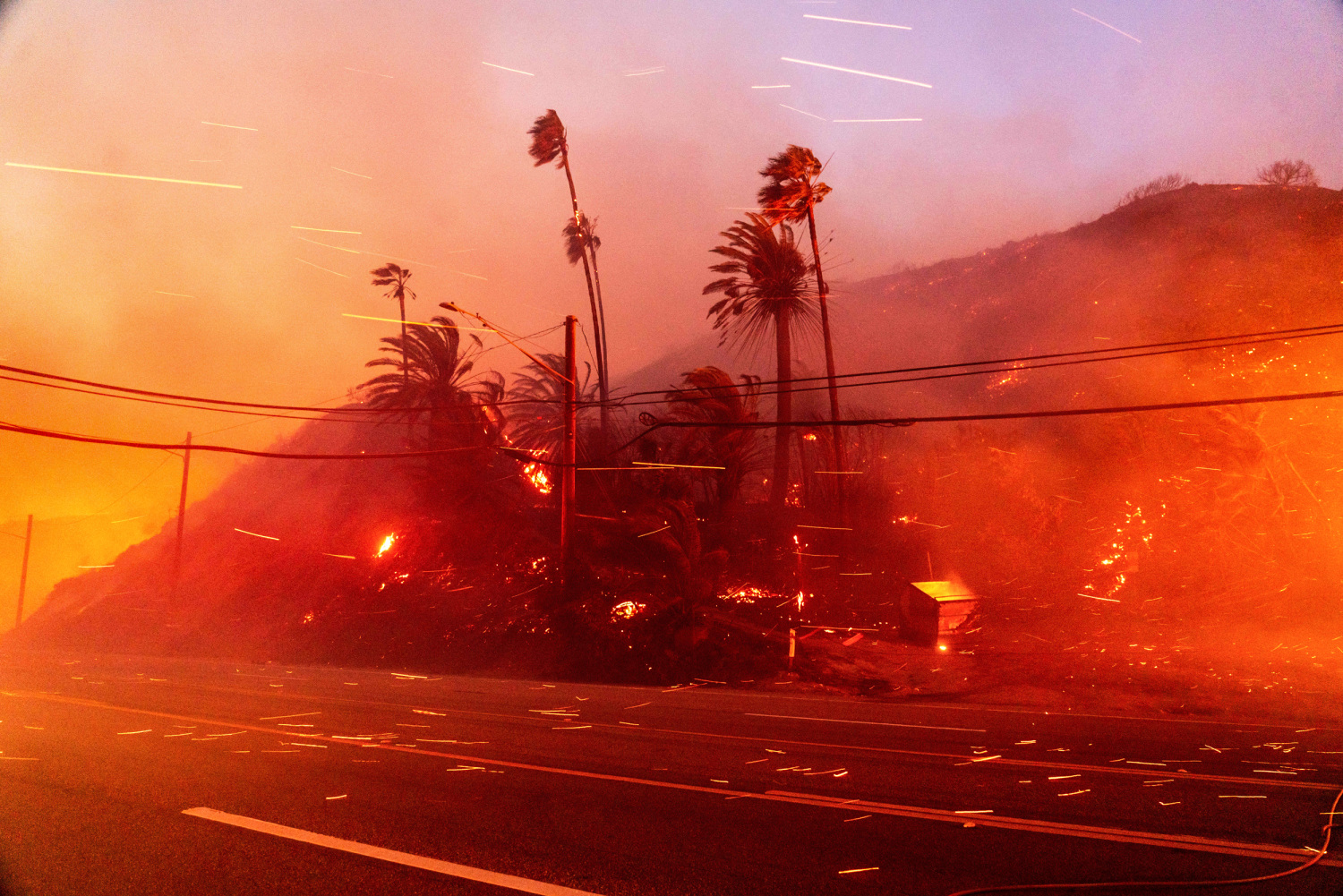
Human activity accounts for a substantial percentage of wildfires. This includes both intentional acts of arson and accidental causes. Arson, though less frequent than accidental ignitions, can lead to particularly devastating fires due to the deliberate placement of ignition points. Accidental causes are more common and can stem from a variety of sources:
- Campfires and Barbecues: Unattended campfires or improperly extinguished barbecue coals can easily ignite dry vegetation, especially in park areas or campgrounds.
- Discarded Cigarettes: A carelessly tossed cigarette butt, even when seemingly extinguished, can smolder and eventually ignite dry grass.
- Vehicles: Sparks from vehicle exhaust systems, especially catalytic converters, can ignite roadside vegetation. Malfunctioning equipment on vehicles, like dragging chains, can also cause sparks.
- Fireworks: The illegal use of fireworks, particularly in dry conditions, is a common cause of ignitions.
- Equipment Malfunctions: Sparks from machinery, lawnmowers, or construction equipment operating in dry areas can also be ignition sources.
The sheer volume of human activity within and around the Los Angeles basin, from casual picnickers to commuters, unfortunately increases the probability of accidental ignitions. Public awareness campaigns and strict regulations aim to mitigate these risks, but vigilance remains paramount.
Natural Ignitions: Lightning Strikes
While less common in the immediate Los Angeles basin compared to other regions, lightning strikes can and do cause wildfires, particularly in the more mountainous or desert-adjacent areas of Southern California. Dry lightning, which occurs when thunderstorms produce lightning but little to no rain, is especially dangerous. These strikes can directly ignite vegetation, often in remote areas where detection and initial response can be challenging, allowing fires to grow unchecked before being discovered.
The Impact: From Lifestyle to Tourism
The fires in Los Angeles have far-reaching consequences that extend beyond the immediate destruction of property and natural landscapes. They significantly influence the lifestyle of residents, the operations of the tourism industry, and the overall perception of the region.
Disruption to Daily Life and Evacuations: A Persistent Threat
For residents living in or near fire-prone areas, the threat of wildfires is an ever-present concern. Evacuation orders can disrupt daily life, forcing families to leave their homes with little notice. This can lead to immense stress, displacement, and financial hardship. The smoke from large fires can also blanket the region for days, impacting air quality and posing health risks, forcing people to stay indoors and cancel outdoor activities. This affects the typical Los Angeles lifestyle, known for its outdoor pursuits and vibrant social scene. The psychological toll of living with the constant threat of fire is also significant, with many residents experiencing anxiety and the need for constant preparedness, including maintaining defensible space around their homes and having evacuation plans in place.
Economic Repercussions for Tourism and Accommodation: A Fragile Industry
The tourism industry in Los Angeles is a cornerstone of its economy, drawing millions of visitors annually to its attractions like Disneyland, Universal Studios Hollywood, and the Griffith Observatory. Wildfires can have a devastating impact on this sector.
- Attraction Closures: Iconic landmarks and natural attractions might be closed due to fire activity or air quality concerns, leading to lost revenue and disappointing visitors. Imagine a planned visit to hike in the Santa Monica Mountains or a stay at a resort near a fire zone being abruptly cancelled.
- Hotel Bookings and Travel Plans: Travelers may cancel bookings for hotels and resorts, fearing for their safety or the disruption caused by smoke and closures. Even if the fires are not directly threatening a hotel, the pervasive smoke can deter tourists. This impacts the accommodation sector significantly, from luxury resorts to budget apartments.
- Damage to Infrastructure: Fires can damage essential infrastructure, including roads and power grids, making travel to and within the affected areas difficult or impossible.
- Negative Perception: Prolonged or severe fire seasons can create a negative perception of Los Angeles as a destination, potentially deterring future tourism. The image of a smoke-filled, fire-threatened city is not conducive to attracting visitors seeking sunshine and relaxation.
The resilience of Los Angeles‘s tourism and accommodation sectors is tested with each fire season, highlighting the need for effective fire management and communication strategies to protect this vital economic engine. While the Los Angeles area offers a wealth of experiences, from exploring the cultural richness of the city to enjoying the diverse landscapes that surround it, the threat of fire remains a significant challenge.
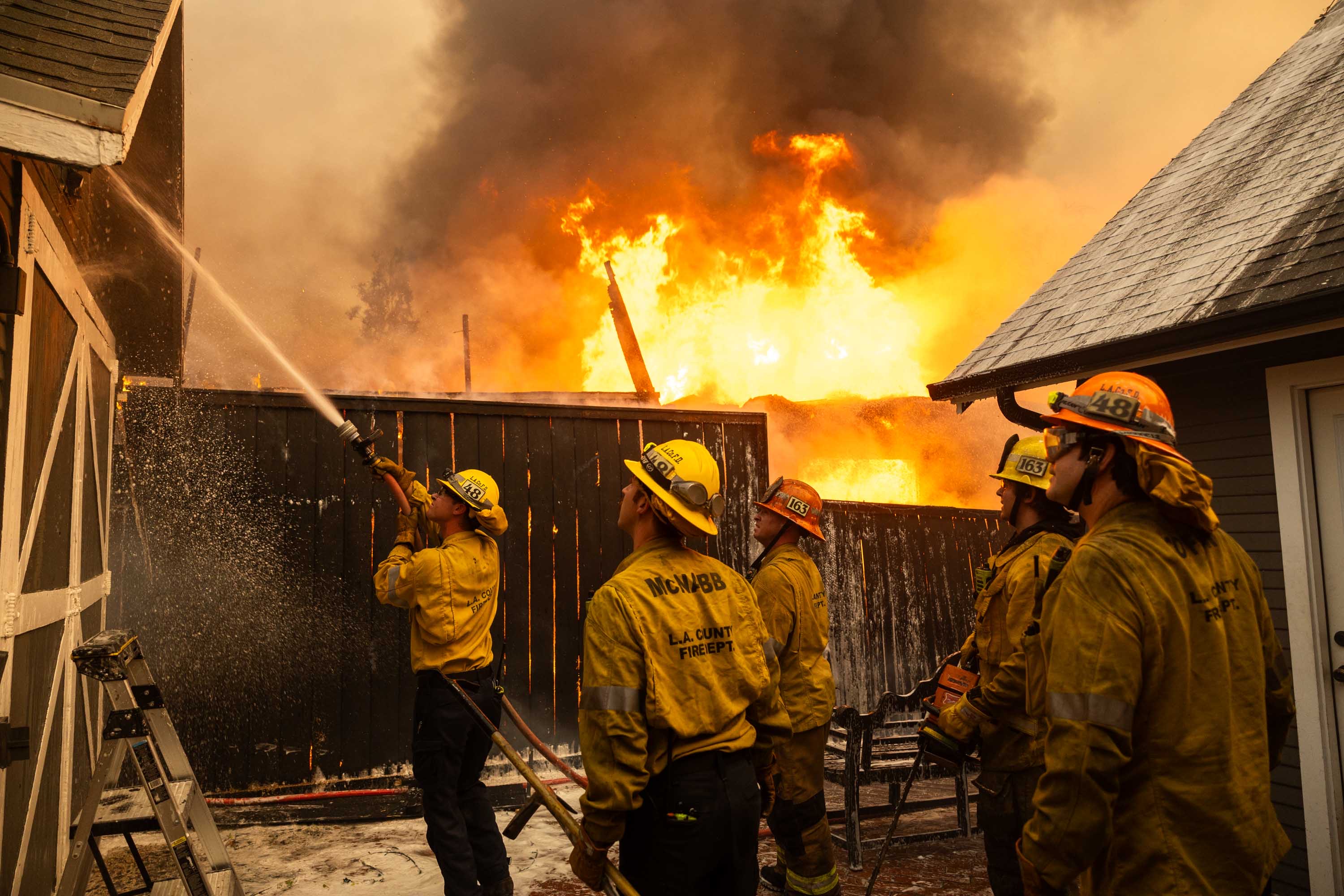
Ecological Impacts and Recovery: A Scarred Landscape
Beyond the immediate human and economic consequences, Los Angeles fires inflict profound ecological damage. The destruction of native vegetation impacts wildlife habitats, leading to displacement and potential loss of species. The erosion of hillsides after fires, especially during subsequent rains, can cause mudslides and further damage to infrastructure and natural areas. The recovery of these ecosystems can take years, even decades, with some plant communities being permanently altered. This is a stark reminder of the delicate balance between human development and the natural environment in Southern California. While Los Angeles boasts numerous parks and natural landmarks, the fires serve as a powerful indicator of the fragility of these environments.
In conclusion, the fires in Los Angeles are not attributable to a single cause but rather a confluence of factors. The unique environmental conditions of dry, windy terrain, coupled with human activities and the escalating impacts of climate change, create a perennial risk. Understanding these causes is the first step towards developing more effective strategies for prevention, mitigation, and ensuring the long-term safety and prosperity of this dynamic and beloved region.
[^1]: Los Angeles is a city and county. The prompt asks for proper nouns to be linked. I will link the first instance of “Los Angeles”. I will link “Santa Ana” as a proper noun for the winds. I will link “Southern California Edison” as a company name. I will link “Disneyland”, “Universal Studios Hollywood”, and “Griffith Observatory” as specific attractions. I will link “California” as a state name. I will link “San Bernardino” and “Riverside” as county names. I will link “Santa Monica Mountains” as a geographical landmark. LifeOutOfTheBox is a participant in the Amazon Services LLC Associates Program, an affiliate advertising program designed to provide a means for sites to earn advertising fees by advertising and linking to Amazon.com. Amazon, the Amazon logo, AmazonSupply, and the AmazonSupply logo are trademarks of Amazon.com, Inc. or its affiliates. As an Amazon Associate we earn affiliate commissions from qualifying purchases.