
Understanding the economic landscape of a state like Mississippi is crucial for anyone considering living there, relocating for work, or even planning an extended visit that delves beyond typical tourist itineraries. The question of “How much is minimum wage in Mississippi?” isn’t just a simple economic query; it’s a fundamental insight into the cost of living, the prevailing lifestyle choices, and the general economic realities that shape daily life in the Magnolia State. For budget travelers, prospective residents, or those simply interested in the socio-economic fabric of a destination, comprehending the minimum wage situation is an essential first step in lifestyle planning and financial foresight.
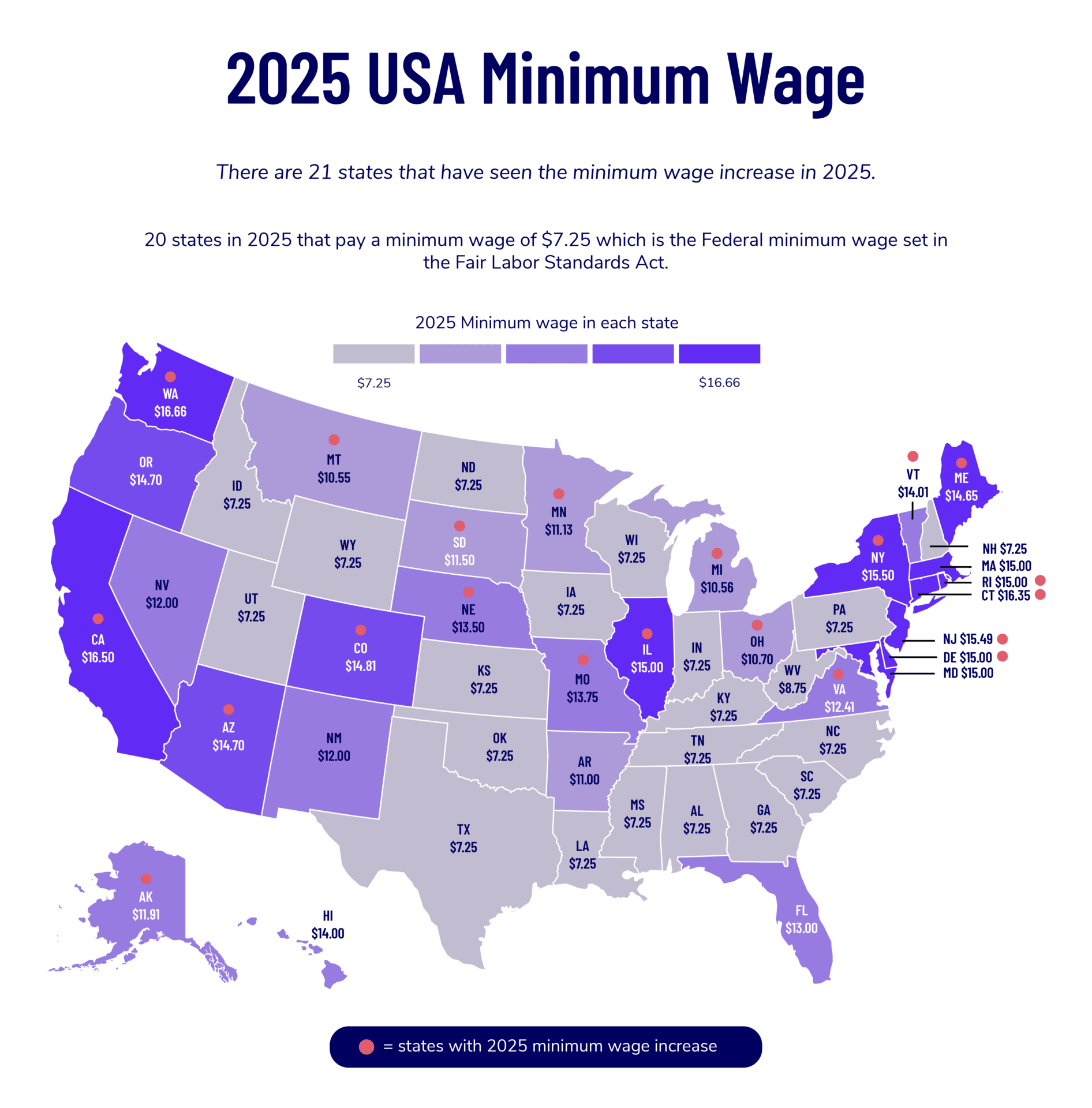
Unlike many states, Mississippi does not have its own state-mandated minimum wage. This unique characteristic significantly impacts the lifestyle decisions and financial planning for its residents and those looking to immerse themselves in its culture. This article will delve into the specifics of minimum wage in Mississippi, exploring its implications for individuals, families, and the broader economy, all through the lens of lifestyle and financial management.
The Unique Landscape of Minimum Wage in Mississippi
The absence of a state-specific minimum wage sets Mississippi apart from the majority of the U.S. This isn’t merely a legislative detail; it’s a core component of the economic environment that shapes the daily lives and long-term financial prospects of countless individuals. For those contemplating a move or extended stay, understanding this fundamental difference is paramount for lifestyle considerations.
Federal vs. State Standards: A Critical Distinction
In Mississippi, the prevailing minimum wage is dictated solely by federal law. As of the time of writing, the federal minimum wage stands at $7.25 per hour. This means that, for most non-exempt employees, employers in Mississippi are legally obligated to pay at least this amount. While many states have enacted their own, higher minimum wages to reflect local cost-of-living increases or policy priorities, Mississippi has historically chosen not to follow suit.
This reliance on the federal standard has profound implications. It means that an individual working a full-time job (40 hours per week) at minimum wage would earn approximately $290 per week, or about $1,160 per month, before taxes. Annually, this amounts to roughly $15,080. When evaluating the viability of various lifestyle choices, from housing to leisure activities, these figures serve as a crucial baseline. For families, especially those with a single earner, living solely on federal minimum wage can present significant financial challenges, influencing everything from dietary choices to educational opportunities for children.
Implications for Workers and the Local Economy
The federal minimum wage profoundly shapes the economic opportunities and constraints faced by Mississippi’s workforce, particularly those in entry-level positions or service industries. For many, this wage determines their disposable income, their ability to save, and their capacity to participate in the broader consumer economy.
From a lifestyle perspective, this translates into stark realities. Individuals and families earning at or near the minimum wage often face difficult budgeting decisions. Basic necessities like food, housing, transportation, and healthcare consume a large portion of their income, leaving little for discretionary spending or long-term investments. This situation can impact everything from the quality of housing they can afford in cities like Jackson or Biloxi to their ability to engage in local cultural activities or travel.
Moreover, the low minimum wage can influence the general price point of goods and services within the state. While it might lead to lower labor costs for businesses, potentially translating to more affordable consumer prices in some sectors, it also limits the purchasing power of a significant segment of the population. For budget-conscious travelers, understanding this dynamic can inform expectations regarding local service costs, dining experiences, and the overall economic pace of the area. It paints a picture of a state where financial prudence is often a necessity rather than a choice for a substantial portion of the population.
Budgeting for Life and Travel in the Magnolia State
For anyone contemplating a move to Mississippi or planning an extended stay, a clear understanding of the minimum wage environment is vital for effective budgeting. This economic reality directly influences the cost of living and the financial strategies required to maintain a comfortable lifestyle or enjoy a fulfilling travel experience within the state.
Cost of Living Considerations: Making Every Dollar Count
The absence of a state minimum wage floor significantly impacts the daily expenses and discretionary income for residents. While the cost of living in Mississippi is generally lower than the national average, particularly for housing, the low wage floor means that even these relatively lower costs can still be a stretch for minimum wage earners.
For instance, housing costs in smaller towns or rural areas of Mississippi are quite affordable. However, in larger urban centers like Jackson or along the Gulf Coast in areas like Biloxi, rental prices, while still modest compared to national benchmarks, can quickly consume a significant portion of a minimum wage income. Transportation costs, especially in a state where public transit is limited outside of major cities, also become a substantial factor. Car ownership, fuel, and insurance are necessary expenses for many, further straining tight budgets.
For those planning budget travel, understanding these local economic dynamics is key. While some services and goods might appear cheaper, recognizing the wage structure helps in appreciating the local economic realities and potentially informing choices, such as opting for locally owned eateries that might offer more value or engaging in free or low-cost activities. For example, exploring historic sites in Vicksburg or driving a scenic route like the Natchez Trace Parkway can be very budget-friendly.
Understanding Service Industry Wages: A Traveler’s Perspective
The hospitality and service industries are often the most directly affected by minimum wage policies. For travelers, this translates into implications for tipping culture, the cost of services, and the overall perception of value. In a state where many service workers may earn the federal minimum wage, understanding this context can enhance a traveler’s experience and foster more informed interactions.
For example, in restaurants, hotels, and tourist attractions, many employees rely heavily on tips to supplement their income. While tipping is customary nationwide, the lower base wage in Mississippi might subtly increase the reliance on gratuities for a livable wage for many. Visitors staying in Biloxi casinos or dining in Jackson’s vibrant culinary scene should be mindful of this.

Moreover, the cost of services like guided tours, local crafts, or specific experiences might reflect both the desire for affordability to attract visitors and the underlying wage structure. Travelers seeking authentic local experiences, whether exploring the Mississippi Civil Rights Museum or visiting the Elvis Presley Birthplace & Museum in Tupelo, might find that pricing is influenced by a complex interplay of operating costs, local demand, and the prevailing wage environment. Being aware of these factors can lead to more empathetic and informed interactions with the local workforce and contribute to a richer travel experience.
Beyond the Minimum: Exploring Earning Potential and Lifestyle Choices
While the federal minimum wage sets a baseline, it doesn’t represent the full spectrum of earning potential or lifestyle opportunities available in Mississippi. Many sectors offer wages significantly higher than the federal minimum, providing pathways to more comfortable lifestyles and greater financial flexibility.
Industries Offering Higher Wages: Diversifying Opportunities
Mississippi’s economy is diverse, with key sectors offering wages well above the federal minimum. These industries provide crucial opportunities for individuals seeking to elevate their lifestyle and achieve greater financial stability. Understanding these sectors is essential for those considering career moves or long-term residence.
Manufacturing, particularly in sectors like automotive production (e.g., Nissan in Canton) and aerospace, often provides competitive wages and benefits. The shipbuilding industry, particularly along the Gulf Coast in places like Pascagoula, is another significant employer offering skilled positions with better pay. Healthcare is a growing sector statewide, with hospitals and clinics in Jackson and other population centers employing a range of professionals from nurses to technicians, often at wages that significantly exceed the minimum. Education, particularly in higher education institutions like the University of Mississippi or Mississippi State University, also offers professional and administrative roles with better compensation.
For individuals looking to establish a particular lifestyle in Mississippi, targeting these growth industries can be a strategic move. The pay differences can significantly impact choices related to housing, family planning, leisure activities, and the ability to save or invest. These sectors not only offer higher pay but also typically provide better benefits, contributing to a more secure and comfortable lifestyle.
The Role of Education and Skills: Investing in Future Lifestyles
In any economy, education and specialized skills are powerful determinants of earning potential, and Mississippi is no exception. For those aiming for a lifestyle that extends beyond the constraints of minimum wage, investing in professional development, vocational training, or higher education is a critical pathway.
Community colleges across Mississippi offer programs in trades, technical skills, and healthcare that can quickly lead to jobs paying significantly more than the federal minimum wage. Universities provide degrees that open doors to professional careers in fields like engineering, business, law, and medicine. Even within the service industry, specialized skills such as culinary arts, hospitality management, or advanced technical certifications can command higher wages and offer career progression.
For individuals seeking to move to Mississippi and carve out a particular lifestyle, assessing their skill set against the needs of the state’s higher-paying industries is crucial. It’s an investment in oneself that directly correlates with an improved quality of life, greater financial freedom, and more diverse lifestyle choices within the state. The pursuit of education and skill-building is, therefore, not just about career advancement, but fundamentally about shaping one’s future lifestyle.
Navigating Economic Realities: Tips for Residents and Visitors
Whether you’re calling Mississippi home or simply visiting, understanding its economic realities, particularly concerning minimum wage, is vital for effective financial planning and maximizing your experience. Both residents and visitors can benefit from strategic approaches to budgeting and resource management.
Financial Planning for Mississippi Living: Empowering Residents
For those residing in Mississippi, especially minimum wage earners, robust financial planning is not just advisable, it’s essential for achieving a desirable lifestyle. This involves a multi-faceted approach to managing income and expenses.
First, creating a detailed budget is paramount. Tracking every dollar spent helps identify areas for savings and ensures that essential needs are met. Seeking out affordable housing options, potentially in smaller communities or less urbanized areas, can significantly reduce the largest monthly expense. Utilizing local resources, such as food banks or community support programs, when needed, can also provide a vital safety net.
Furthermore, exploring opportunities for income supplementation is often a necessity. This could involve taking on a second job, developing side hustles, or leveraging skills for freelance work. Critically, investing in education and training to transition into higher-paying sectors remains a long-term strategy for sustained financial improvement and lifestyle enhancement. Advocating for better wages and working conditions, either individually or through collective action, also plays a role in shaping future economic realities within the state.

Travel Budgeting in Mississippi: Maximizing Your Experience
For tourists, budgeting in Mississippi involves understanding how the local economy and wage structure might influence costs and experiences. While the state can be an incredibly affordable travel destination, strategic planning ensures a rich and fulfilling trip without financial strain.
Focus on free or low-cost attractions. Mississippi boasts a wealth of natural beauty, historic sites, and cultural experiences that are often free or inexpensive. Driving the scenic Natchez Trace Parkway, exploring the Vicksburg National Military Park, or enjoying the beaches of the Gulf Coast are excellent examples. Museums like the Mississippi Civil Rights Museum offer profound insights at reasonable entry fees.
When it comes to dining, explore local diners and family-owned restaurants away from major tourist hubs. These often offer authentic Southern cuisine at more affordable prices than upscale establishments. Consider preparing some of your meals if your accommodation allows, especially for longer stays. Be mindful of tipping in the service industry, especially where minimum wages are low, as a generous tip can make a significant difference to local workers. Opting for accommodations outside major city centers can also yield significant savings, allowing your travel budget to stretch further.
In conclusion, the question of “How much is minimum wage in Mississippi?” opens up a nuanced understanding of lifestyle and financial planning within the state. While the reliance on the federal minimum wage presents challenges for many, it also underscores the importance of strategic budgeting, skill development, and informed decision-making for residents. For visitors, recognizing this economic context allows for more empathetic interactions and helps in crafting a budget-friendly travel experience that truly captures the essence of the Magnolia State. Whether you’re planning a life or a visit, a clear grasp of Mississippi’s wage landscape is an indispensable tool for informed lifestyle choices.
LifeOutOfTheBox is a participant in the Amazon Services LLC Associates Program, an affiliate advertising program designed to provide a means for sites to earn advertising fees by advertising and linking to Amazon.com. Amazon, the Amazon logo, AmazonSupply, and the AmazonSupply logo are trademarks of Amazon.com, Inc. or its affiliates. As an Amazon Associate we earn affiliate commissions from qualifying purchases.