
The allure of Hawaii, with its pristine beaches, volcanic landscapes, and vibrant culture, often evokes images of an exotic, far-flung destination. For many prospective travelers, especially those residing on the U.S. mainland, a fundamental question arises: is a flight to Hawaii considered domestic or international? The unequivocal answer, for U.S. citizens and residents, is that travel to Hawaii is indeed a domestic flight. This distinction is crucial, shaping everything from required documentation to customs procedures and the overall ease of planning your tropical getaway. Despite its profound geographical isolation in the Pacific Ocean, Hawaii is an integral part of the United States, enjoying the same constitutional protections and operational frameworks as any other state. Understanding this status is the first step toward unlocking a seamless travel experience to America’s only island state, offering the exotic appeal of international travel with the convenient simplicity of a domestic journey. This article will delve into the reasons behind Hawaii’s domestic classification, its practical implications for travelers, and essential tips for planning your trip to this extraordinary destination.
Understanding Hawaii’s Unique Status within the U.S.
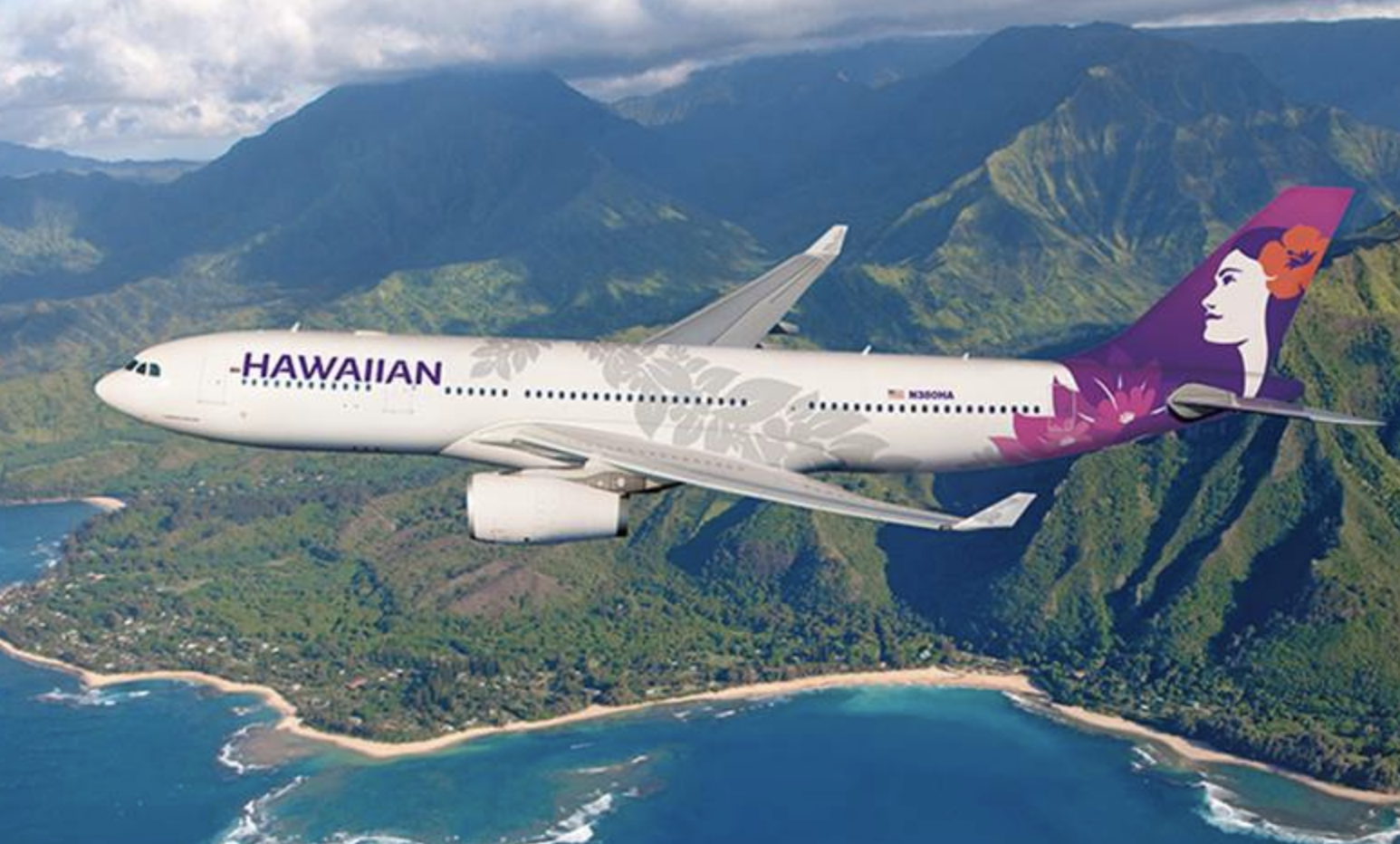
The perception that Hawaii might be an international destination stems largely from its remote location, thousands of miles from the North American mainland. However, its political and legal integration into the United States is absolute, classifying all flights originating from and destined for the U.S. mainland as domestic. This status is the result of a rich history and a clear legal definition of what constitutes a domestic flight.
A Brief History: From Kingdom to Statehood
The journey of Hawaii from an independent monarchy to the 50th U.S. state is a compelling narrative that underpins its current status. Prior to the late 19th century, Hawaii existed as a sovereign nation, the Kingdom of Hawaii, with its own monarchs, culture, and diplomatic relations. However, significant political and economic pressures, largely driven by American business interests, led to the overthrow of the monarchy in 1893. Following a brief period as a republic, Hawaii was annexed by the United States in 1898, becoming a U.S. territory.
For over 60 years, Hawaii operated as a territory, its residents U.S. citizens but without full voting representation in Congress. The aspiration for statehood grew over decades, finally culminating on August 21, 1959, when Hawaii was admitted to the Union. This act formalized its political integration, making it an equal state alongside the other 49. This historical trajectory means that from a legal and governmental standpoint, Hawaii is not just an American outpost but a full-fledged, indispensable part of the country.
Geographical Isolation vs. Political Integration
The geographical reality of Hawaii starkly contrasts with its political integration. Situated approximately 2,400 miles southwest of California, it is the most isolated population center on Earth. This vast expanse of ocean between the islands and the mainland is undoubtedly a primary source of confusion for travelers, making the journey feel undeniably “international” in scope. However, this physical distance does not alter its domestic classification.
Flights to Hawaii traverse solely U.S. airspace and land on U.S. soil, never touching down in or passing through the sovereign territory of another nation. This fundamental distinction is key. While the flight might be lengthy and the destination culturally distinct, the entire journey remains under the jurisdiction and laws of the United States. This unique juxtaposition of geographical remoteness and political allegiance is what makes Hawaii such a fascinating case study in travel logistics.
The Definition of a Domestic Flight
To further clarify, a domestic flight within the United States is defined as any flight where both the point of departure and the point of arrival are within the sovereign territory of the United States. This includes all 50 states, as well as U.S. territories and commonwealths such as Puerto Rico, the U.S. Virgin Islands, Guam, and American Samoa.
For U.S. citizens and legal permanent residents, this means no passport is needed for travel to these destinations. There are no Customs and Immigration checks upon arrival or departure from Hawaii when traveling from the mainland. The procedures you follow are identical to flying from, say, New York to California, albeit with a significantly longer flight time and a more pronounced cultural shift upon arrival. This domestic classification is a boon for travelers, streamlining the preparation process and eliminating many of the complexities associated with international journeys.
Practical Implications for Travelers: What “Domestic” Means for Your Trip
The domestic status of flights to Hawaii simplifies travel planning for U.S. citizens and residents significantly. Knowing what to expect regarding documentation, security, and local customs can help alleviate pre-trip anxieties and ensure a smoother journey.
No Passport Required for U.S. Citizens
One of the most significant advantages of Hawaii’s domestic status is that U.S. citizens do not need a passport to travel there. This is a common misconception, often fueled by the perception of Hawaii as an exotic, distant land. Instead, a valid government-issued photo ID is sufficient. This includes a state-issued driver’s license, a Real ID-compliant ID card, or other acceptable forms of identification listed by the Transportation Security Administration (TSA).
For families, this means children typically do not need separate identification when traveling with an adult on a domestic flight, though airlines might have their own policies for unaccompanied minors. The absence of passport requirements removes a major hurdle for many, especially those who might not have an updated passport or prefer not to carry one. It streamlines the check-in process and eliminates the need for any international travel forms.
Security Screening and Documentation
While no passport is needed, standard TSA security protocols apply to all flights to and from Hawaii, just as they would for any other domestic flight within the United States. Travelers will go through security checkpoints, where they must present their valid photo identification and adhere to baggage and personal screening procedures.
Beginning May 7, 2025, all adult passengers 18 years and older will need a Real ID-compliant driver’s license or identification card, or another acceptable form of ID, to fly within the United States. This upcoming change is important to note for travelers planning future trips. Beyond the standard TSA checkpoints, there are no additional Customs and Immigration processes upon arrival in Hawaii from the mainland or upon return. This absence of border control procedures further underscores the domestic nature of the journey, making the arrival and departure experience familiar and efficient.
Currency, Language, and Legal System
Another reassuring aspect of Hawaii’s domestic status is the consistency of practical elements. The official currency is the U.S. dollar, eliminating the need for currency exchange. While Hawaiian is an official state language, English is universally spoken and understood, especially in all tourist areas and businesses. Road signs, menus, and official documents are all in English.
Furthermore, the legal system in Hawaii is based on U.S. laws and regulations. This means travelers are operating within a familiar legal framework, from traffic laws to consumer protections. This consistency in currency, language, and law significantly reduces the cognitive load and potential anxieties often associated with international travel, allowing visitors to focus more on enjoying the unique beauty and culture of the islands.
Planning Your Domestic Flight to Paradise
While the flight to Hawaii is domestic, its considerable distance and unique characteristics warrant specific planning considerations. Understanding the logistics, from airport choices to flight duration, is essential for a smooth and enjoyable trip.
Major Airports Serving Hawaii
Hawaii is served by several international and regional airports, though for mainland U.S. domestic flights, most travelers arrive at one of the larger hubs. The primary gateway is Daniel K. Inouye International Airport (HNL) in Honolulu, Oahu. This airport offers the most direct flights from various cities across the United States and is usually the most affordable entry point.
Other popular entry airports for direct mainland flights include Kahului Airport (OGG) on Maui, Kona International Airport (KOA) on Hawaii Island, and Lihue Airport (LIH) on Kauai. The choice of arrival airport often depends on which island a traveler wishes to visit first, as direct flights to smaller islands can save time but sometimes come at a premium. Researching direct flight options to your preferred island can help simplify inter-island travel upon arrival.
Flight Duration and Time Zones
The sheer distance to Hawaii means long flight durations. From the West Coast of the U.S. (e.g., Los Angeles, San Francisco, Seattle), flights typically range from 5 to 6 hours. From the Midwest or East Coast, direct flights can be significantly longer, often ranging from 8 to 11 hours. These are considerable travel times, comparable to many international flights, and passengers should plan accordingly for comfort and entertainment.
Another crucial aspect is the time zone difference. Hawaii observes Hawaii Standard Time (HST), which does not use daylight saving time. This means Hawaii is typically 2 or 3 hours behind Pacific Standard Time (PST/PDT) and 5 or 6 hours behind Eastern Standard Time (EST/EDT). Travelers should prepare for potential jet lag, especially when flying west, and factor this into their initial days on the islands. Hydration, light meals, and adjusting sleep schedules before departure can help mitigate its effects.
Inter-Island Travel
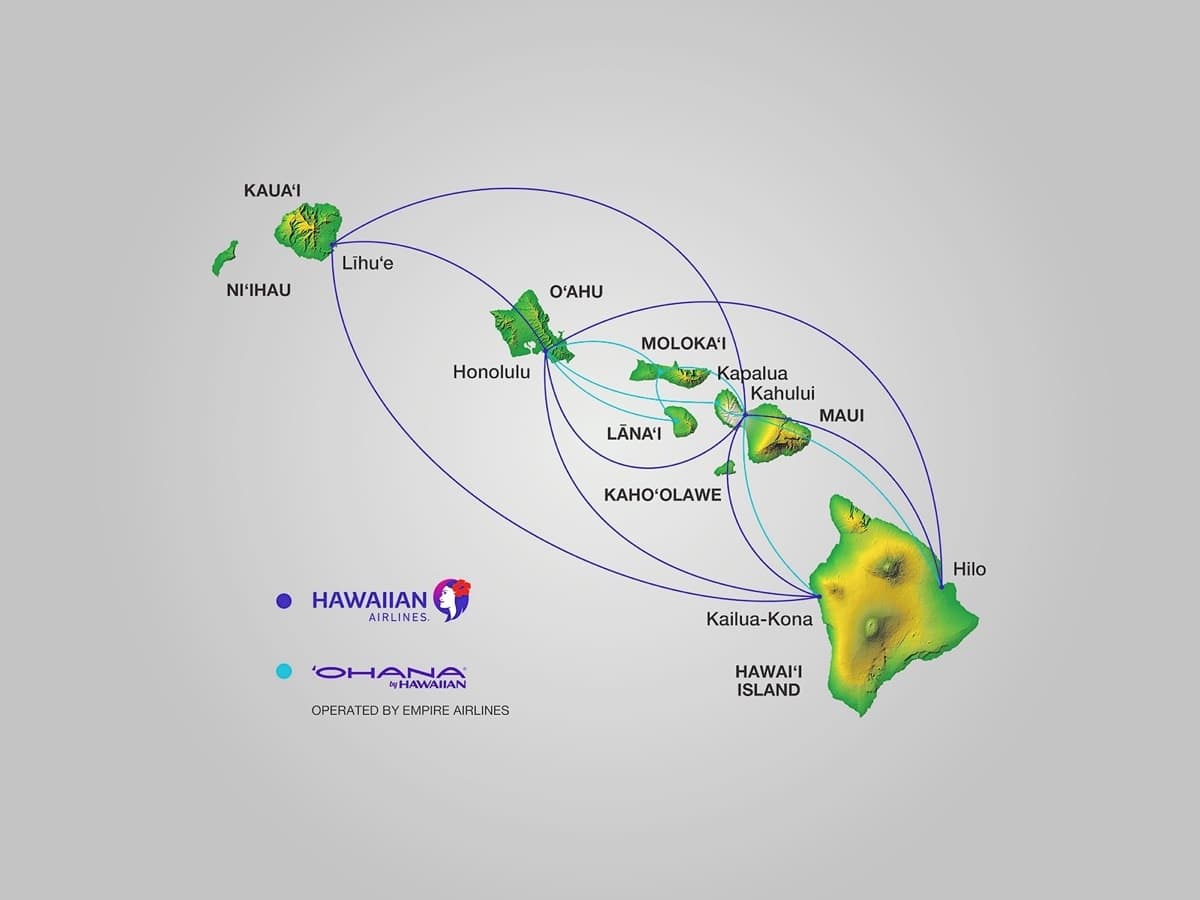
For many visitors, exploring multiple Hawaiian islands is a key part of the experience. Flights between islands are also domestic and incredibly common, forming a vital transportation network. Major carriers like Hawaiian Airlines and Southwest Airlines operate frequent services between the main islands, with flight durations often as short as 20 to 45 minutes.
These inter-island flights often feel more like bus rides due to their frequency and brevity. Booking these flights in advance is advisable, especially during peak season, to ensure availability and better pricing. When planning inter-island travel, remember that each flight requires going through security again, so allot sufficient time for check-in and screening. Despite the multiple short flights, the ease of domestic travel means there are no complex international border crossings, making island hopping an accessible and rewarding adventure.
Dispelling Common Misconceptions and Preparing for Your Trip
While the domestic classification simplifies many aspects of travel to Hawaii, certain characteristics can still lead to common misunderstandings. Addressing these proactively can help travelers prepare more effectively for their unique Hawaiian adventure.
The “International Feel” vs. Domestic Reality
It’s entirely understandable why many first-time visitors might perceive their trip to Hawaii as having an “international feel.” The long flight, the dramatic change in scenery and climate, the distinct Polynesian culture, and the presence of the Hawaiian language all contribute to an experience that feels profoundly different from a trip to another mainland state. This unique blend of familiarity and exoticism is, in fact, one of Hawaii’s greatest appeals.
Travelers should embrace this “international feel” while still benefiting from the practicalities of domestic travel. It’s an opportunity to immerse oneself in a culture rich in history and tradition, explore breathtaking natural wonders unlike anything on the mainland, and enjoy a tropical paradise without the added complexities of passports, visas, or foreign currency exchange for U.S. citizens. The domestic reality simply means less red tape, not a less extraordinary experience.
Packing and Agricultural Inspections
While there are no Customs and Immigration checks, Hawaii has stringent agricultural inspection policies both for incoming and outgoing travelers. This is vital to protect the islands’ delicate ecosystem and agricultural industries from invasive species and diseases. Upon arrival, passengers are generally not required to declare anything, but federal and state agriculture laws strictly prohibit bringing certain fruits, vegetables, plants, and animals into Hawaii from the mainland. Airlines usually provide detailed information on prohibited items.
When departing Hawaii for the mainland, all checked and carry-on luggage is subject to agricultural inspection at the airport before being allowed to board. This is to prevent the spread of Hawaiian pests and diseases to the mainland. Travelers cannot take most fruits, vegetables, flowers, or plants back with them unless they have been inspected and certified for export by the U.S. Department of Agriculture. Items purchased from approved vendors at the airport, often pre-inspected, are usually exempt. This domestic “customs-like” procedure is a crucial step in preserving [Hawaii](https://lifeoutofthebox.com/hawaii]’s unique environment and is a significant point of difference from other domestic travel within the United States.
Booking and Travel Insurance Considerations
Booking flights to Hawaii involves the same process as any other domestic flight, typically through airline websites, online travel agencies, or travel agents. Given the popularity of the destination, especially during peak seasons (winter holidays, summer, spring break), it’s advisable to book well in advance for the best prices and availability. Flights can be expensive due to the distance, so flexibility with travel dates can yield significant savings.
Even though it’s a domestic trip, considering travel insurance is often a wise decision for a Hawaiian vacation, much like it would be for an international journey. The long travel distance, significant cost of flights and accommodation, and the potential for unexpected events like weather delays (hurricanes, volcanic activity), illness, or trip cancellations make insurance a valuable safeguard. Policies can cover trip interruptions, medical emergencies, lost luggage, and more, offering peace of mind for a substantial investment. While not legally required for domestic travel, the practical benefits of travel insurance for a trip to Hawaii are considerable.
In conclusion, for U.S. citizens and residents, a flight to Hawaii is unequivocally domestic. This means a passport is not required, standard TSA procedures apply, and the journey is conducted entirely within the familiar framework of U.S. laws and currency. Despite the long flight times and the profoundly unique cultural and geographical experience, the administrative ease of domestic travel remains a significant advantage. By understanding these nuances, travelers can fully embrace the planning and anticipation of a visit to this truly remarkable American paradise, enjoying all the exotic allure without the common complexities of international borders.
LifeOutOfTheBox is a participant in the Amazon Services LLC Associates Program, an affiliate advertising program designed to provide a means for sites to earn advertising fees by advertising and linking to Amazon.com. Amazon, the Amazon logo, AmazonSupply, and the AmazonSupply logo are trademarks of Amazon.com, Inc. or its affiliates. As an Amazon Associate we earn affiliate commissions from qualifying purchases.