
Navigating the legal landscape of any new travel destination is a crucial aspect of responsible tourism. For visitors to the United States, understanding local laws, particularly those concerning interactions with law enforcement, can significantly enhance peace of mind and ensure a smoother trip. One common question travelers often have revolves around “stop and ID” laws: Do police have the right to stop you and demand identification without specific cause? And if so, what are your rights and responsibilities? This guide delves into the specifics for Mississippi, providing insightful and practical advice for anyone planning to explore the rich history and vibrant culture of the Magnolia State.

Understanding “Stop and ID” Laws in the United States
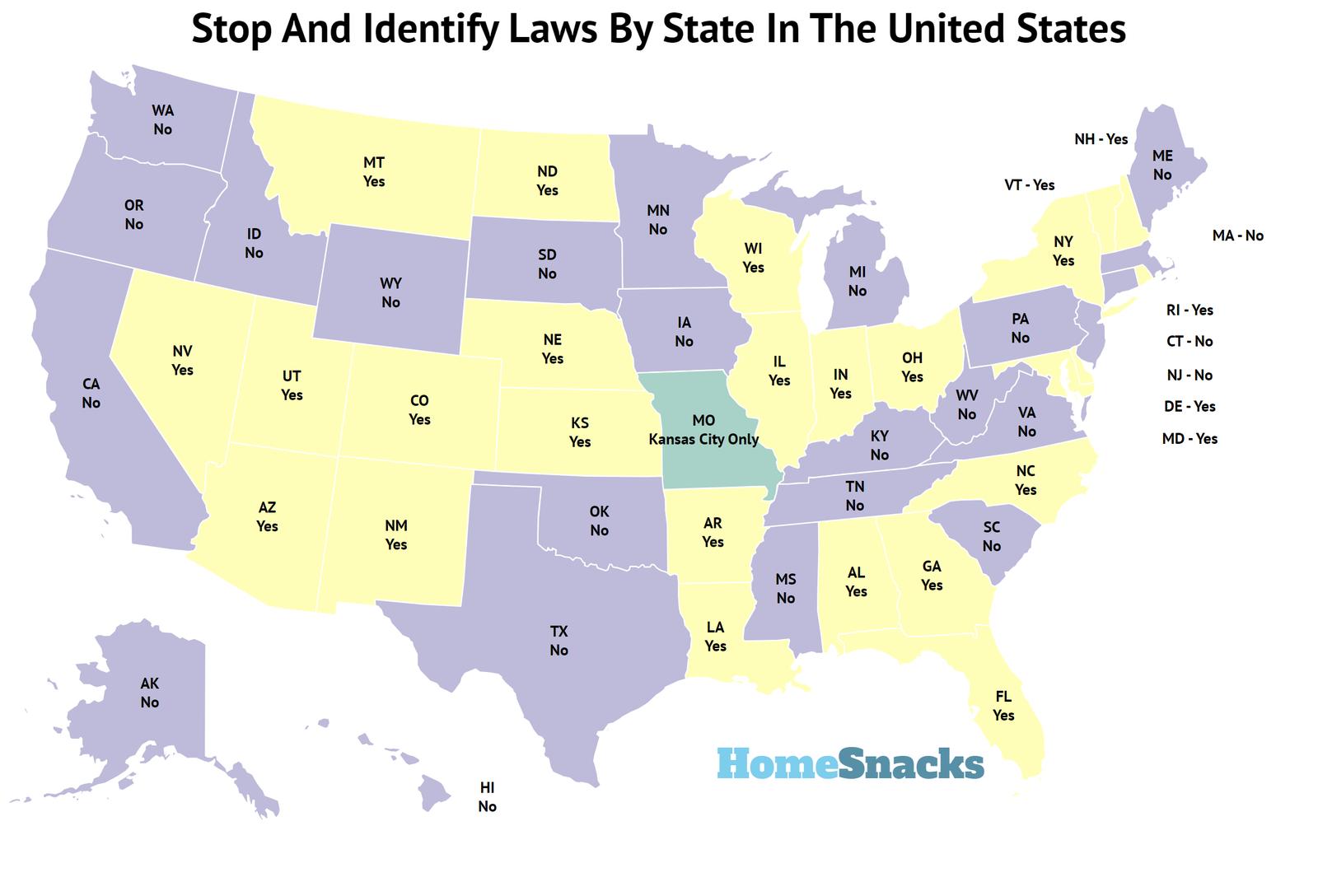
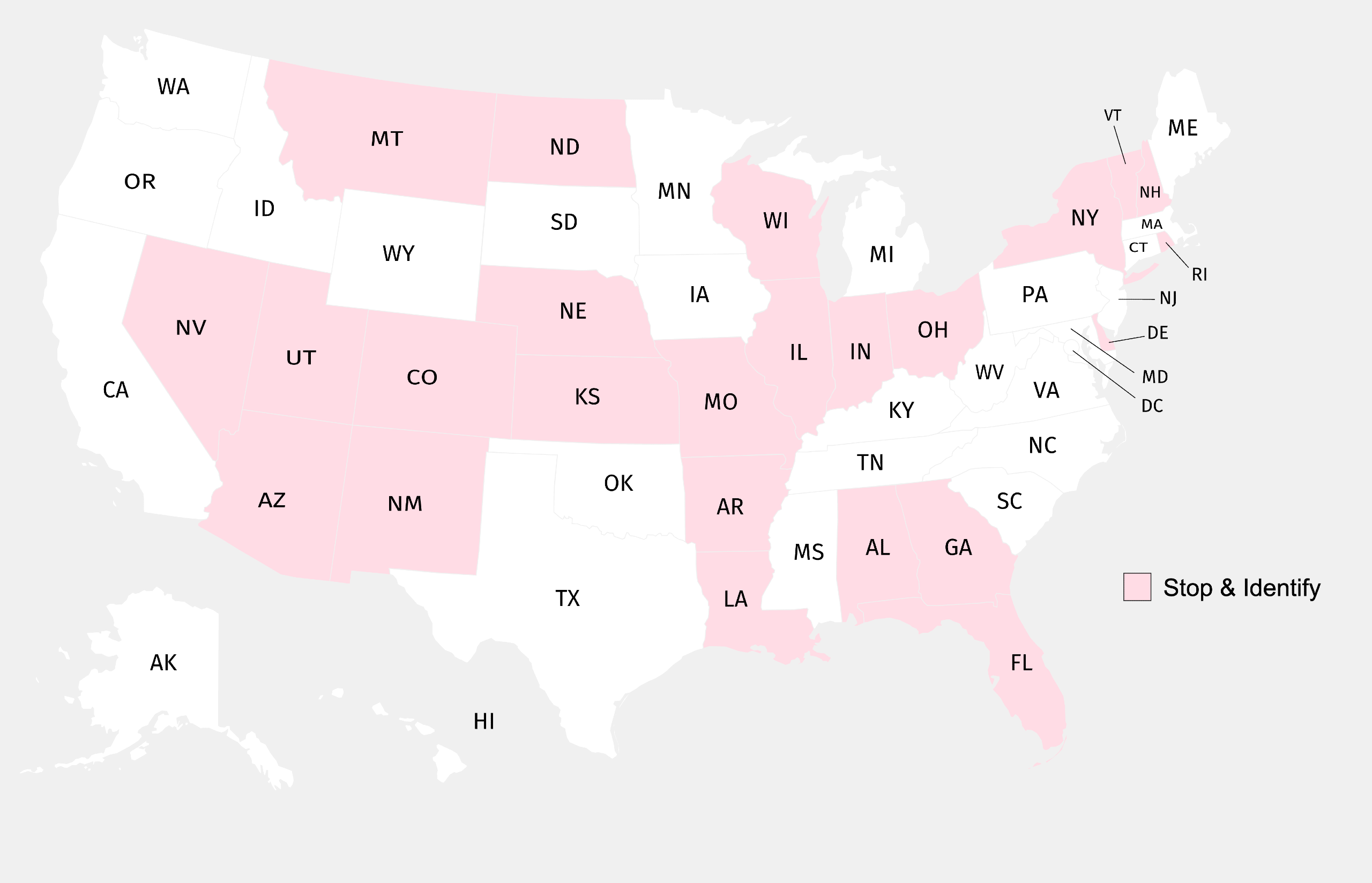
Before focusing on Mississippi, it’s important to grasp the general framework of “stop and ID” laws across the United States. These laws vary significantly from state to state, reflecting the complex interplay between individual constitutional rights and public safety concerns.
The Fourth Amendment and Reasonable Suspicion
At the heart of any discussion about police stops is the Fourth Amendment of the U.S. Constitution, which protects individuals from unreasonable searches and seizures. This means that law enforcement officers generally cannot stop you without a legitimate reason. For a brief, investigatory stop (often called a “Terry stop,” after the Supreme Court case Terry v. Ohio), an officer must have “reasonable suspicion” that you are involved in criminal activity. Reasonable suspicion is a lower standard than “probable cause” (needed for an arrest) but still requires more than a mere hunch.
During a lawful Terry stop, an officer may ask for your identification and inquire about your activities. However, whether you are legally obligated to provide identification without further cause depends heavily on state law. Some states have “stop and identify” statutes that explicitly require individuals to provide identification if an officer has reasonable suspicion. Other states do not have such statutes, meaning that while an officer can ask for ID, you may not be legally compelled to provide it unless you are being arrested or driving a vehicle.
Distinguishing State Laws: “Stop and Identify” vs. “Refusal to Identify”
It’s crucial to distinguish between states with explicit “stop and identify” statutes and those without. In states with such laws, refusing to identify yourself during a lawful investigatory stop can lead to arrest for obstruction or failure to identify. In states without these statutes, simply refusing to identify yourself, without any other suspicious or unlawful behavior, generally cannot be the sole basis for an arrest. This distinction is paramount for travelers, as they might assume national uniformity when none exists.
Mississippi’s Legal Framework for Identification
Now, let’s narrow our focus to Mississippi specifically. Does the state have a “stop and identify” statute that compels individuals to provide identification when reasonably suspected of criminal activity?
No General “Stop and Identify” Statute
As of the current understanding of Mississippi law, there is no general “stop and identify” statute that requires a person to verbally identify themselves or produce identification documents merely upon an officer’s request during a lawful investigatory stop, provided the person is not driving a vehicle. This means that if an officer stops you on foot based on reasonable suspicion, while they can ask for your name and ID, you are not generally legally obligated to provide it under a specific “stop and identify” law that makes refusal a crime.
However, this does not mean you can simply ignore an officer or obstruct their investigation. While you may not be required to identify yourself, you are generally required to comply with lawful orders and not interfere with the officer’s duties. The right to remain silent is distinct from the right to refuse identification in all circumstances.
When Identification May Be Required
Despite the absence of a general “stop and identify” statute, there are several common scenarios where you are legally required to provide identification in Mississippi:
- Driving a Vehicle: This is the most common situation. When operating a motor vehicle, you are legally required to possess a valid driver’s license and produce it upon the request of a law enforcement officer during a traffic stop. Refusal to do so will almost certainly result in a citation or arrest. This applies to visitors driving rental cars or their own vehicles from other states or countries.
- Alcohol and Tobacco Purchases/Consumption: If you are buying or consuming alcoholic beverages or tobacco products, retailers and law enforcement officers may ask for identification to verify your age. Mississippi’s legal drinking age is 21, and the legal age for tobacco and vaping products is also 21.
- Arrest: If you are lawfully arrested, officers will require your identification as part of the booking process. Refusing to identify yourself after a lawful arrest can lead to additional charges.
- Specific Public Safety Scenarios: While not a general “stop and ID” law, in certain specific circumstances related to public safety or specific investigations, an officer might have additional grounds to compel identification. However, these are typically tied to more specific statutory requirements or probable cause.
- Entering Certain Establishments: Many bars, clubs, or venues (especially in cities like Jackson, Biloxi, or Oxford) will require a valid ID to verify age before entry, regardless of whether law enforcement is involved.
Consequences of Non-Compliance (When Applicable)
In situations where identification is legally required (e.g., during a traffic stop, after arrest, or for age verification), failing to comply can lead to various legal repercussions:
- Traffic Stops: Fines, citations for driving without a license or failure to produce identification.
- Post-Arrest: Obstruction of justice charges, or other charges related to providing false information.
- Age Verification: Denial of service, confiscation of alcohol/tobacco, or even minors facing charges for possession.
It’s important to understand that while Mississippi may not have a general “stop and identify” statute for pedestrians, an officer can still detain you for a reasonable amount of time if they have reasonable suspicion of criminal activity. During this detention, while you are not generally required to identify yourself, you should not resist or obstruct the officer.
Your Rights as a Traveler in Mississippi
Understanding your rights is empowering, especially when traveling. While you should always be respectful and cooperative with law enforcement, knowing the boundaries of their authority and your individual liberties is key.
The Right to Remain Silent
The Fifth Amendment grants everyone the right to remain silent. If an officer stops you and begins asking questions, you have the right to decline to answer, beyond providing identification when legally required (e.g., during a traffic stop). You can politely state, “I choose to remain silent.” This right applies whether you are a citizen of the United States or a foreign visitor.
Refusal to Consent to Searches
You also have the right to refuse consent to searches of your person, belongings, or vehicle. Unless an officer has a warrant, probable cause, or your consent, they generally cannot search you or your property. If an officer asks to search, you can politely but firmly say, “I do not consent to a search.” If they proceed with a search without your consent, do not resist physically, but clearly state that you are not consenting to the search. Remember, there are exceptions, such as “plain view” (items visible and obviously illegal) or “exigent circumstances” (an emergency situation).
Documenting Interactions
While not a right to obstruct, you generally have the right to record police officers in public places, as long as you do not interfere with their duties. This can be a valuable tool for accountability. However, be aware that officers may still issue lawful commands, and you must comply with those. If you feel your rights are being violated, recording the interaction can provide crucial evidence.
Practical Advice for Travelers
To ensure a smooth and enjoyable trip through Mississippi, consider the following practical advice regarding interactions with law enforcement.
Carrying Identification
Even though Mississippi does not have a general “stop and ID” statute for pedestrians, it is always a wise practice to carry some form of valid government-issued identification, such as a driver’s license, state ID card, or passport. This can expedite interactions with law enforcement and prevent misunderstandings, even if you are not legally compelled to produce it in every situation. If you are stopped and choose to provide ID, it can quickly resolve any questions about your identity and lawful presence. For international travelers, always carry your passport and visa (if applicable). Make photocopies or have digital copies stored securely, separate from your physical documents.
Remaining Calm and Respectful
Regardless of the situation, maintaining a calm and respectful demeanor is paramount. Arguing, becoming aggressive, or resisting an officer’s lawful commands can escalate a situation unnecessarily and lead to further legal trouble. Even if you believe your rights are being violated, it is often best to comply physically in the moment and address the legal issues later through appropriate channels. Clearly state your objections or refusal to consent, but do so politely and without physical resistance.
Knowing When to Seek Legal Counsel
If you are arrested, detained for an extended period, or believe your rights have been violated, request to speak with an attorney. You have the right to legal counsel, and exercising this right is crucial for protecting your interests. Many organizations offer legal aid or referral services for travelers.
Key Takeaways for a Smooth Mississippi Trip
Traveling through Mississippi offers an incredible opportunity to immerse yourself in Southern hospitality, rich musical heritage, and historical landmarks. From the blues trails of the Mississippi Delta to the antebellum homes of Natchez and the vibrant Gulf Coast beaches, there’s much to explore.
Be Prepared, Not Paranoid
While it’s essential to be informed about the laws, there’s no need for undue anxiety. Mississippi is a welcoming state, and most interactions with law enforcement, if they occur, will be routine. By understanding the nuances of its laws, particularly regarding identification, you empower yourself to navigate your journey confidently. Remember that the absence of a “stop and identify” statute doesn’t mean you can disregard all requests; context, especially if you are driving, is critical.
Enjoying the Magnolia State Responsibly
Armed with this knowledge, you are better prepared to enjoy all that the Magnolia State has to offer responsibly. Carry your identification, understand your rights (especially the right to remain silent and refuse searches), and maintain a respectful attitude in all interactions. By doing so, you can focus on creating unforgettable memories, whether you’re savoring the local cuisine in Jackson, exploring the casinos of Biloxi, or tracing civil rights history. Safe travels!
LifeOutOfTheBox is a participant in the Amazon Services LLC Associates Program, an affiliate advertising program designed to provide a means for sites to earn advertising fees by advertising and linking to Amazon.com. Amazon, the Amazon logo, AmazonSupply, and the AmazonSupply logo are trademarks of Amazon.com, Inc. or its affiliates. As an Amazon Associate we earn affiliate commissions from qualifying purchases.