
Understanding the eviction process in Florida is crucial for both landlords and tenants involved in long-term accommodation agreements. It’s a legal procedure governed by state statutes, primarily Chapter 83 of the Florida Statutes, which outlines the rights and responsibilities of both parties. While the law aims for an efficient resolution, the actual duration of an eviction can vary significantly based on numerous factors, ranging from the specific grounds for eviction to the tenant’s response and the particular court’s caseload. This guide aims to demystify the timeline, stages, and potential complexities of eviction in the Sunshine State, providing a professional and insightful overview for anyone navigating this challenging legal landscape.

Understanding the Florida Eviction Process: Key Stages
An eviction in Florida is not an instantaneous event; it follows a structured legal pathway that involves several distinct stages. Each stage has its own set of requirements and potential timelines, contributing to the overall duration of the process.
The Notice Period: Initial Steps
Before a landlord can even think about filing an eviction lawsuit, they must provide the tenant with a formal written notice. This notice serves to inform the tenant of the lease violation and gives them an opportunity to remedy the situation or vacate the property. The type of notice and its required duration depend entirely on the reason for the eviction:
- 3-Day Notice to Pay Rent or Quit: This is the most common notice, used when a tenant fails to pay rent on time. It gives the tenant three business days (excluding weekends and legal holidays) to either pay the overdue rent in full or vacate the premises. If the tenant complies, the landlord cannot proceed with eviction for that specific non-payment. This is codified under Florida Statute 83.56(3).
- 7-Day Notice to Cure (or Vacate): This notice is for non-monetary breaches of the lease agreement. If the breach is curable (e.g., unauthorized pets, excessive noise, minor property damage), the tenant has seven days to correct the violation. If the breach is not curable (e.g., severe property damage, repeated violations, criminal activity), the notice instructs the tenant to vacate within seven days without an option to cure. This falls under Florida Statute 83.56(2).
- 15-Day Notice of Termination (Month-to-Month Lease): For tenants on a month-to-month lease, a landlord can terminate the tenancy without cause by providing at least 15 days’ notice before the end of any monthly period. This does not involve a breach but simply the termination of the agreement.
Proper service of this initial notice is paramount. It must be delivered by mail, hand-delivery, or posted conspicuously on the premises. Any defect in the notice or its service can lead to delays or even dismissal of the eviction case.
Filing the Lawsuit: Unlawful Detainer Action
If the tenant fails to comply with the initial notice (e.g., doesn’t pay rent, doesn’t cure the breach, or doesn’t vacate), the landlord can then proceed to file an “unlawful detainer” lawsuit in the appropriate county court. This stage involves:
- Complaint Filing: The landlord (or their attorney) files a formal complaint with the clerk of the county court. This document outlines the basis for the eviction, provides details of the lease, the notice served, and requests possession of the property.
- Summons Issuance: Once the complaint is filed, the court issues a summons. This document formally notifies the tenant of the lawsuit and instructs them on how to respond.
- Service of Process: A critical step is serving the tenant with the summons and complaint. This must be done by a sheriff’s deputy or a certified private process server. Proper service is legally required to ensure the tenant is aware of the proceedings and has an opportunity to respond.
- Costs Involved: Landlords typically incur filing fees (which vary by county), service of process fees, and potentially attorney fees, all of which can add up.
Tenant’s Response and Court Proceedings
Upon receiving the summons and complaint, the tenant has a limited window to respond to the court. The tenant’s actions at this stage significantly impact the eviction timeline.
- Tenant’s 5-Day Period to Respond (Non-Payment): In cases of eviction for non-payment of rent, Florida law requires the tenant to file an answer with the court within five business days of being served the summons. If the tenant wishes to defend against the eviction based on the landlord’s failure to maintain the property or other issues, they must also deposit the disputed rent into the court registry at the time of filing their answer. Failure to respond or deposit the rent can lead to a default judgment for the landlord.
- Tenant’s 20-Day Period to Respond (Other Breaches): For evictions based on non-monetary lease violations, the tenant typically has 20 calendar days to file an answer.
- Defenses: Tenants may raise various defenses, such as improper notice, retaliatory eviction, discrimination, or the landlord’s failure to maintain the premises in accordance with Florida Statute 83.51.
- Mediation or Settlement: Before a formal trial, some courts may offer or require mediation, or the parties may negotiate a settlement. This can sometimes resolve the issue faster than a trial but can also add time if negotiations are protracted.
- Court Hearing/Trial: If the tenant files an answer and a settlement isn’t reached, a court hearing or trial will be scheduled. Here, both sides present their arguments and evidence to a judge, who then makes a ruling.
Factors Influencing Eviction Timelines
The theoretical legal timeline can diverge significantly from the actual time it takes to complete an eviction due to a multitude of real-world variables.
Type of Eviction
- Non-Payment of Rent: These are generally the fastest evictions because of the short 3-day notice period and the 5-day tenant response time. If the tenant doesn’t pay or respond, the process moves quickly to a default judgment.
- Lease Violations (Non-Monetary): These can take longer due to the 7-day notice period and potentially more complex factual disputes that require more court time to prove.
- Holdover Tenants: If a tenant remains after a lease expires, the process can involve notice of termination (e.g., 15-day for month-to-month) and then the unlawful detainer action, similar to other non-monetary breaches.
Tenant’s Actions and Defenses
The tenant’s engagement in the legal process is a major determinant of duration:
- Contesting the Eviction: If a tenant files an answer, raises valid defenses, requests discovery, or demands a jury trial, the process will be considerably longer. Each of these actions adds days or weeks to the timeline.
- Depositing Rent into Court Registry: If a tenant deposits the disputed rent into the court registry, it prevents the landlord from getting an immediate default judgment for non-payment and mandates a hearing, thus extending the process.
- Seeking Legal Aid: Tenants with legal representation are more likely to identify and pursue defenses, potentially drawing out the case.
Court Docket Congestion and Judicial Discretion
The sheer volume of cases handled by Florida county courts can significantly impact scheduling.
- Varies by County: Larger, more populated counties like Miami-Dade, Broward, or Orange County often have busier dockets, meaning longer waits for hearings or trials. Rural counties might have faster turnaround times.
- Judicial Discretion: Judges have some discretion in managing their caseloads and scheduling, which can affect when a case is heard.
Service of Process Issues
Delays in serving the initial notice or the court summons can prolong the process. If a tenant is difficult to locate or evades service, additional steps (like “substitute service” or “constructive service” via posting on the property) may be required, which can add time and cost.
The Final Judgment and Writ of Possession

Assuming the landlord prevails, the final stages involve obtaining the court’s order for possession and enforcing it.
Obtaining a Judgment
- Default Judgment: If the tenant fails to respond to the summons within the legally mandated timeframe, the landlord can file a motion for a default judgment. This is typically granted quickly, often within a few days of the tenant’s response deadline passing.
- Judgment After Hearing/Trial: If the tenant contests the eviction, a judge will issue a final judgment after reviewing all evidence and testimony. This may happen immediately after the hearing or a few days later. The judgment will typically award possession of the property to the landlord and may also include a monetary judgment for unpaid rent and damages.
The Writ of Possession
Once the landlord obtains a favorable judgment for possession, the next step is to request a “Writ of Possession” from the court clerk.
- Issuance and Delivery to Sheriff: The court clerk issues the writ, which is then delivered to the local sheriff’s office.
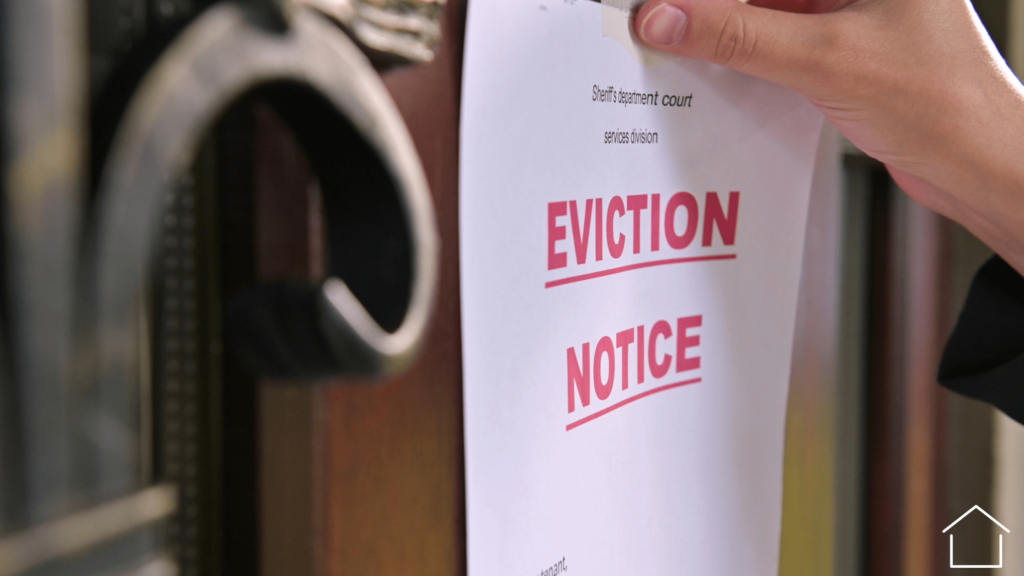
- Sheriff’s 24-Hour Notice: The sheriff is responsible for executing the writ. Upon receiving it, a deputy will visit the property and post a “24-hour notice to vacate” conspicuously on the tenant’s door. This notice informs the tenant that they have precisely 24 hours (excluding weekends and legal holidays) to leave the premises.
- Physical Removal: If the tenant has not vacated within the 24-hour period, the sheriff’s deputy will return to physically remove the tenant and any remaining belongings. The landlord must be present at this time to change the locks and take possession of the property.
Property Management After Eviction
After the sheriff has executed the writ and the landlord has regained possession, there are still responsibilities concerning any property left behind by the tenant. Florida law dictates how abandoned property must be handled, typically requiring landlords to store the property for a certain period and provide notice to the tenant before disposing of it.
Estimated Timelines and Potential Delays
Bringing all these stages together, here’s a realistic look at the overall eviction timeline in Florida.
Best-Case Scenario (Uncontested Eviction)
For a straightforward eviction for non-payment of rent where the tenant does not respond or contest, the process can be relatively swift:
- Notice Period: 3 business days (3-day notice).
- Filing & Service: 3-7 days (filing complaint, issuing summons, service of process).
- Tenant Response Period: 5 business days (after service).
- Default Judgment & Writ: 3-5 days (request for default, court ruling, issuance of writ).
- Sheriff’s Execution: 24-48 hours (posting and enforcing writ).
Total Best-Case: Roughly 2-4 weeks from the initial 3-day notice to the tenant’s physical removal. This is the ideal, but not always typical, scenario.
Contested Eviction (Tenant Fights Back)
When a tenant contests the eviction, the timeline extends significantly:
- Notice Period: Varies (3, 7, or 15 days).
- Filing & Service: 3-7 days.
- Tenant Response: 5 or 20 days.
- Court Hearings/Trial Prep: If an answer is filed, scheduling a hearing can take weeks to months, depending on court availability and the complexity of the case (e.g., discovery, motions).
- Mediation: If required or pursued, can add weeks.
- Trial: The trial itself might be short, but getting on the docket takes time.
- Judgment & Writ: A few days post-trial.
- Sheriff’s Execution: 24-48 hours.
Total Contested Case: Typically 1-3 months, but can easily extend to 4-6 months or longer if there are significant legal challenges, multiple hearings, or appeals.
Common Delays
Several common issues can push an eviction beyond even the contested timeline:
- Improper Notice: Errors in the initial notice (incorrect dates, wrong amount, improper wording, faulty service) can lead to dismissal, forcing the landlord to restart the process.
- Service Issues: Difficulty locating or serving the tenant can add days or weeks.
- Tenant Defenses: Complex legal defenses, especially those requiring expert testimony or extensive documentation, can drag out proceedings.
- Court Backlogs: High caseloads in courts, especially after events like economic downturns or pandemics, can create significant delays in scheduling.
- Holidays: Legal holidays and court closures do not count towards statutory notice periods and can delay court proceedings.
Navigating the Process: Advice for Landlords and Tenants
Given the complexities and potential for delays, both landlords and tenants benefit from understanding their roles and seeking appropriate guidance.
For Landlords
- Clear Lease Agreements: A well-drafted lease agreement is your first line of defense. It should clearly outline rent due dates, late fees, maintenance responsibilities, and rules regarding property use.
- Document Everything: Maintain meticulous records of all communications (emails, letters, texts), rent payments, maintenance requests, property inspections, and any notices served. Photographs and videos are also invaluable.
- Seek Legal Counsel: Eviction law can be intricate. Consulting an attorney specializing in landlord-tenant law can save time, money, and frustration by ensuring all procedures are followed correctly, reducing the risk of costly errors and delays.
- Avoid Self-Help Evictions: Never attempt to evict a tenant by changing locks, shutting off utilities, removing property, or using intimidation. These “self-help” measures are illegal in Florida and can result in severe penalties and lawsuits against the landlord.
For Tenants
- Understand Your Rights and Responsibilities: Familiarize yourself with your lease agreement and Florida tenant laws. Knowing your rights can help you identify if a landlord is acting improperly.
- Respond Promptly: If you receive any eviction notice or court summons, do not ignore it. Time is of the essence, especially with the 3-day and 5-day response periods.
- Seek Legal Aid: If facing eviction, contact a legal aid organization, a tenant advocacy group, or a private attorney immediately. They can help you understand your options, raise appropriate defenses, and navigate the court system.
- Communicate with Your Landlord: While not always possible or advisable, sometimes open communication can resolve issues before they escalate to a formal eviction lawsuit. If you’re experiencing financial hardship, discussing it with your landlord might lead to a payment plan or other arrangement.
In conclusion, while Florida law provides a framework for eviction that, in theory, can be as short as a few weeks, the reality is often more protracted. An uncontested eviction for non-payment might conclude within a month, but a contested case can stretch for several months, especially in busy jurisdictions or when complex legal issues arise. Both landlords and tenants must approach the process with a thorough understanding of their rights and obligations, and often, with the guidance of legal professionals, to navigate it effectively and achieve the best possible outcome.
LifeOutOfTheBox is a participant in the Amazon Services LLC Associates Program, an affiliate advertising program designed to provide a means for sites to earn advertising fees by advertising and linking to Amazon.com. Amazon, the Amazon logo, AmazonSupply, and the AmazonSupply logo are trademarks of Amazon.com, Inc. or its affiliates. As an Amazon Associate we earn affiliate commissions from qualifying purchases.