
For many, the mention of Montana conjures images of majestic mountains, sweeping plains, and untamed wilderness. Central to this iconic image, and a significant draw for travelers, is the legendary grizzly bear. The answer to whether these magnificent creatures inhabit the Treasure State is a resounding yes. Montana is one of the last strongholds for grizzly bears in the Lower 48, offering intrepid travelers a rare opportunity to experience true wild country. Understanding their presence, habitats, and how to safely and respectfully share their domain is paramount for any visitor planning an adventure in Montana. This guide delves into the world of Montana’s grizzlies, providing essential insights for a memorable and safe travel experience.
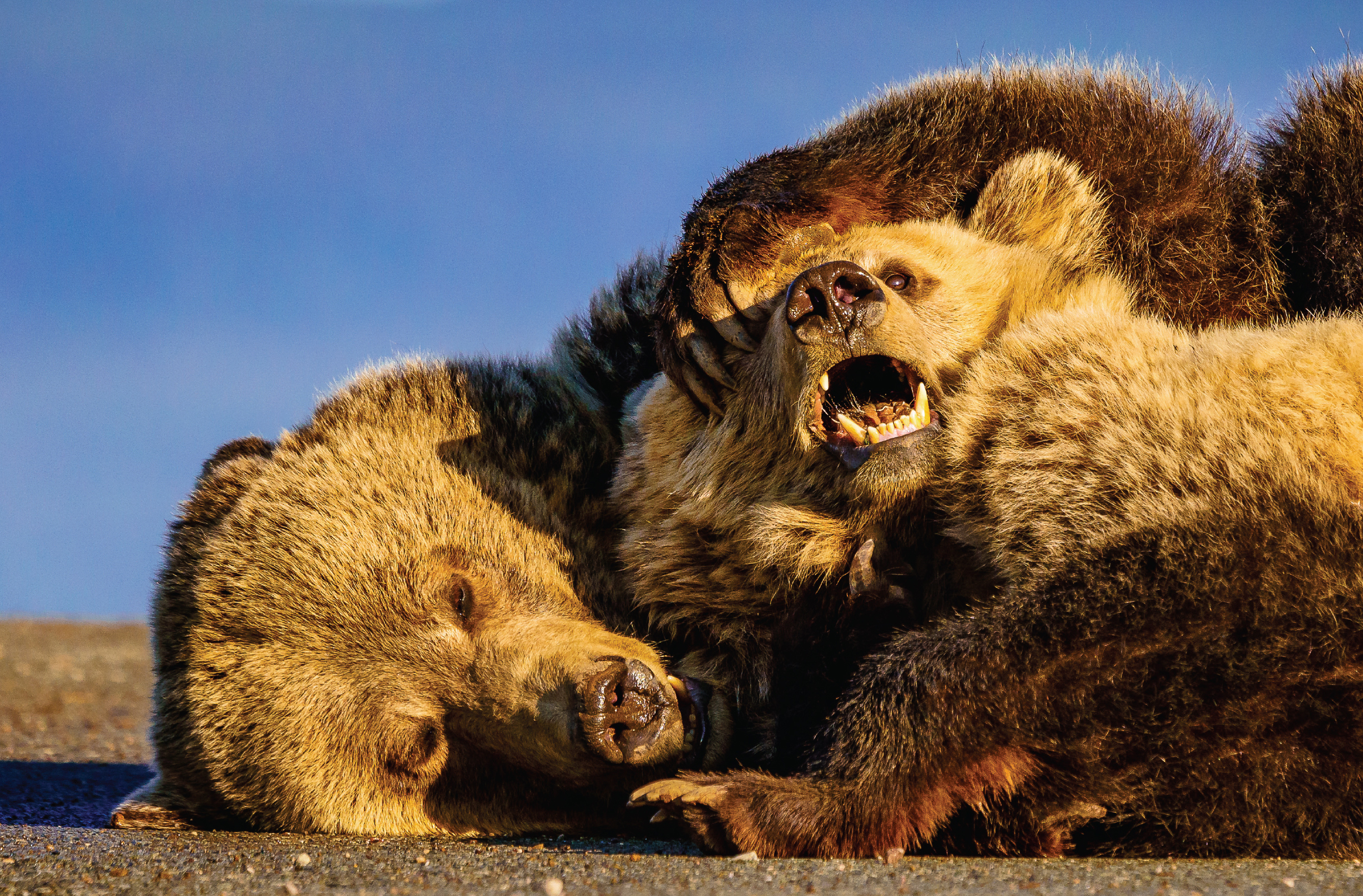
The Resurgence of Grizzlies in Big Sky Country
The story of the grizzly bear in Montana is one of both historical decline and remarkable conservation success. Once roaming vast swaths of western North America, grizzly populations dwindled dramatically by the mid-20th century due to habitat loss and human conflict. Montana, however, remained a critical refuge.
Historical Context and Conservation Success
Grizzly bears (Ursus arctos horribilis) are an umbrella species, meaning their protection benefits numerous other species and the health of the entire ecosystem. Recognizing their precarious status, the grizzly bear was listed as threatened under the Endangered Species Act in 1975. This designation catalyzed concerted conservation efforts across various federal, state, and tribal agencies, including the U.S. Fish and Wildlife Service, the National Park Service, and tribal nations like the Confederated Salish and Kootenai Tribes. These efforts focused on habitat protection, reducing human-bear conflicts, and educating the public. Decades of diligent work have slowly but steadily led to a resurgence of grizzly populations in key ecosystems within Montana and neighboring states.
Current Population and Distribution
Today, approximately 1,800 grizzly bears are estimated to live in the Lower 48, with a significant portion residing in Montana. Their population is concentrated in six designated recovery zones, two of which are predominantly within Montana: the Northern Continental Divide Ecosystem (NCDE) and the Greater Yellowstone Ecosystem (GYE). While their numbers are increasing, grizzlies still occupy a fraction of their historical range. Their presence is a testament to the wildness that still defines much of Montana, making the state a premier destination for travelers seeking authentic wilderness experiences and wildlife encounters.
Prime Habitats: Exploring Montana’s Grizzly Country
For travelers hoping to catch a glimpse of a grizzly bear, or simply to immerse themselves in true bear country, understanding their preferred habitats is key. These areas are characterized by vast, undisturbed wilderness, abundant food sources, and minimal human development.
Glacier National Park – A Grizzly Stronghold
Glacier National Park, often referred to as the “Crown of the Continent,” is perhaps the most iconic grizzly habitat in Montana. This sprawling wilderness, part of the Northern Continental Divide Ecosystem, boasts a healthy and robust grizzly population. The park’s rugged mountains, deep forests, and alpine meadows provide ideal conditions for grizzlies to thrive. Travelers to Glacier National Park are very likely to encounter grizzlies, particularly in areas like Many Glacier, Two Medicine, and along the scenic Going-to-the-Sun Road. It’s crucial for all visitors to be bear-aware and follow park regulations diligently.
Yellowstone National Park and the Greater Yellowstone Ecosystem
While Yellowstone National Park primarily lies in Wyoming, a significant portion of its northern range extends into southern Montana, contributing to the Greater Yellowstone Ecosystem (GYE). This vast ecosystem supports another thriving grizzly population. Areas in Montana adjacent to Yellowstone National Park, such as the Absaroka-Beartooth Wilderness and parts of the Gallatin National Forest, are also prime grizzly country. Travelers exploring these regions should be equally prepared for potential bear encounters, understanding that the boundaries of national parks are fluid for wildlife.
Bob Marshall Wilderness Complex and Other Remote Areas
Beyond the national parks, Montana offers vast wilderness areas that are less frequented but equally important for grizzly populations. The Bob Marshall Wilderness Complex, encompassing the Bob Marshall Wilderness, Great Bear Wilderness, and Scapegoat Wilderness, is a million-acre expanse of untouched wilderness west of the Rocky Mountains. This area, along with the Mission Mountains Wilderness and numerous national forests, forms critical habitat and corridors for grizzlies. These remote areas offer a more solitary and rugged travel experience, where bear encounters are a real possibility, emphasizing the need for advanced wilderness skills and comprehensive bear safety knowledge.
Essential Bear Safety for Travelers in Montana
Traveling in bear country requires preparedness, awareness, and respect for wildlife. While encounters are rare, knowing how to minimize risk and react appropriately can make all the difference.
Bear Spray: Your First Line of Defense
Perhaps the most crucial piece of equipment for anyone venturing into Montana’s wilderness is bear spray. This non-lethal deterrent is proven effective in deterring aggressive bears and should be carried by all individuals, readily accessible, and everyone in the group should know how to use it. Familiarize yourself with how to deploy it before you need it. Bear spray can be purchased or rented in many Montana towns and national park visitor centers.
Hiking Smart: Group Travel and Noise
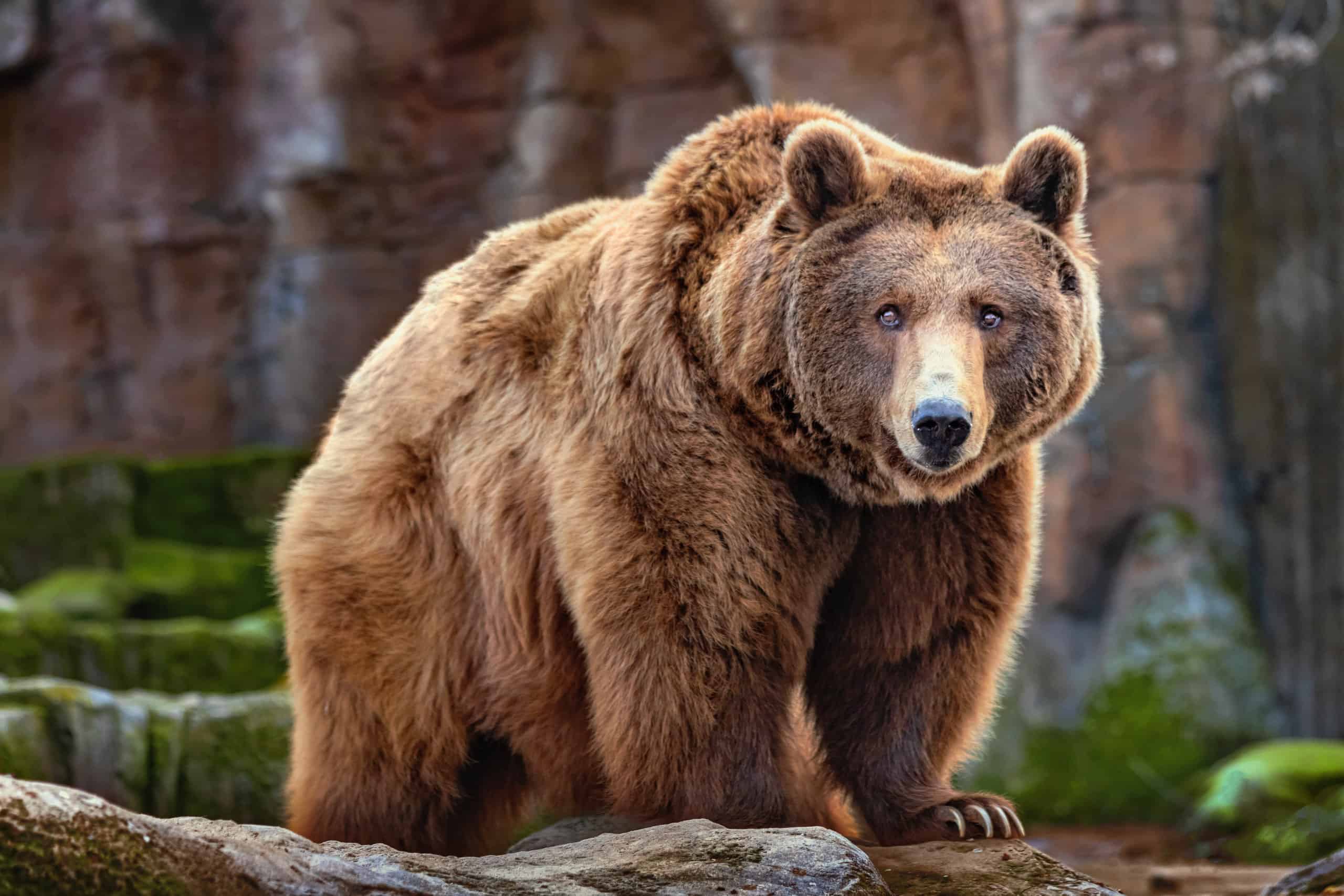
When hiking, travel in groups, as larger groups tend to be noisier and less likely to surprise a bear. Make noise, especially in areas with limited visibility (dense brush, blind corners, near streams), to alert any bears to your presence. Singing, talking loudly, or calling out “hey bear!” can prevent a surprise encounter. Stay on marked trails, and avoid hiking at dawn, dusk, or night when bears are most active.
Food Storage and Campsite Etiquette
Proper food storage is paramount to prevent bears from associating humans with food. Never leave food unattended. Use bear-resistant containers, food lockers, or hang food from a tree limb at least 10 feet off the ground and 4 feet from the tree trunk. The same applies to scented items like toiletries. Cook away from your tent and store all attractants away from your sleeping area. Dispose of garbage properly in bear-resistant receptacles or pack it out.
What to Do in a Bear Encounter
If you encounter a bear, remain calm. Identify yourself by talking in a low, calm voice and slowly wave your arms. This helps the bear recognize you as a human. Do not run; running can trigger a chase response. Make yourself look as large as possible. If the bear approaches, stand your ground and be prepared to use your bear spray. In the rare event of a physical attack, the appropriate response depends on the bear’s behavior:
- Defensive Attack (bear sees you as a threat to cubs or food): Play dead. Lie on your stomach, protect your neck with your hands, and spread your legs to prevent the bear from rolling you over.
- Predatory Attack (very rare, bear views you as prey): Fight back aggressively. Aim for the bear’s face and eyes.
Encountering Grizzlies: A Unique Montana Travel Experience
The possibility of seeing a grizzly bear is a profound aspect of traveling to Montana. It speaks to the wildness of the landscape and offers an unparalleled connection to nature.
Respecting Wildlife from a Distance
While thrilling, wildlife encounters demand respect and maintaining a safe distance. The National Park Service recommends staying at least 100 yards (91 meters) from bears. Use binoculars or a telephoto lens for viewing and photography. Never approach a bear, even if it appears docile or accustomed to humans. Bears are wild animals whose behavior can be unpredictable.
Photography and Observation Guidelines
Capturing the essence of Montana’s grizzlies through photography is a cherished goal for many. However, always prioritize the bear’s well-being and your safety. Avoid using flash photography, which can startle animals. Do not use drones near wildlife, as they can cause undue stress and disturbance. Be patient, observe from a safe distance, and allow bears to exhibit natural behaviors without your interference.
The Awe-Inspiring Reality
Witnessing a grizzly bear in its natural habitat is an awe-inspiring experience that few places in the world can offer. It’s a powerful reminder of the importance of wilderness and the delicate balance of ecosystems. For many, this encounter is the highlight of their Montana adventure, deepening their appreciation for conservation and the wild heart of the Rocky Mountains.
Supporting Grizzly Conservation Through Responsible Travel
As travelers, our choices have a direct impact on the environments we visit. Responsible tourism is essential for the continued recovery and health of grizzly bear populations in Montana.
Adhering to Park Regulations
Whether in national parks, national forests, or state lands, always abide by posted regulations. These rules are designed for your safety and the protection of wildlife. This includes speed limits on park roads, trail closures (especially for bear management), and restrictions on off-leash pets. Violating these rules can disturb wildlife, endanger yourself, and potentially lead to fines.
Educating Yourself and Others
Knowledge is power when it comes to living and traveling in bear country. Take the time to learn about grizzly behavior, identification (knowing the difference between a grizzly and a black bear can be crucial), and ecology. Share this knowledge with your travel companions and educate children on bear safety from a young age. Many visitor centers offer educational programs and resources.

Contributing to Conservation Efforts
Travelers can further support grizzly conservation by contributing to organizations dedicated to wildlife research, habitat protection, and human-bear conflict resolution. Many non-profits work directly with federal agencies and local communities to ensure the long-term survival of grizzlies. Your visit to Montana, combined with responsible practices and support for conservation, helps ensure that future generations can also ask, and confidently answer, “Are there grizzly bears in Montana?” with a resounding yes.
In conclusion, grizzly bears are indeed a vibrant, integral part of Montana’s wild landscape. Their presence defines a significant aspect of the state’s travel appeal, inviting visitors to explore some of the most pristine wilderness remaining in North America. By embracing preparedness, respect, and a commitment to responsible travel, every journey into Montana’s bear country can be a safe, enriching, and unforgettable experience.
LifeOutOfTheBox is a participant in the Amazon Services LLC Associates Program, an affiliate advertising program designed to provide a means for sites to earn advertising fees by advertising and linking to Amazon.com. Amazon, the Amazon logo, AmazonSupply, and the AmazonSupply logo are trademarks of Amazon.com, Inc. or its affiliates. As an Amazon Associate we earn affiliate commissions from qualifying purchases.