
For those dreaming of exploring the untamed wilderness and iconic geothermal wonders of Yellowstone, the vibrant city of Bozeman, Montana, often emerges as a primary gateway. Its convenient location, coupled with an abundance of amenities and attractions, makes it a preferred base for many travelers. But the crucial question for any itinerary planner is: exactly how far is Bozeman from Yellowstone, and what does the journey entail?
The direct answer depends on which entrance to the sprawling Yellowstone National Park you intend to reach. Generally, Bozeman is approximately 80 to 90 miles from the park’s closest entrances, which translates to a scenic drive of about 1.5 to 2 hours without significant stops or traffic. However, this simple calculation only scratches the surface of what makes Bozeman such an integral part of the Yellowstone travel experience. This guide will delve into the precise distances, drive times, popular routes, and why Bozeman stands out as an exceptional starting point for your adventure into one of the United States’ most treasured national parks.

The Proximity Factor: Distance and Drive Time to Yellowstone
Understanding the geographical relationship between Bozeman and Yellowstone is the first step in planning an efficient and enjoyable trip. The park is vast, covering nearly 3,500 square miles, and has multiple entrances. From Bozeman, two primary entrances are most accessible: the West Entrance near West Yellowstone, Montana, and the North Entrance in Gardiner, Montana.
Direct Route Breakdown: West vs. North Entrances
The most popular and often fastest route from Bozeman leads to the West Entrance of Yellowstone. This journey typically covers about 90 miles (approximately 145 kilometers) and takes roughly 1 hour and 45 minutes to 2 hours of driving time. Travelers will primarily take U.S. Route 191 South, a picturesque highway that winds through Gallatin Canyon, following the scenic Gallatin River (though I haven’t listed Gallatin River for linking, so I’ll omit it from the link list). This route is known for its stunning scenery but can experience heavier traffic during peak summer months, especially in the canyon stretch.
Alternatively, the North Entrance in Gardiner offers a slightly different experience. This route is approximately 80 miles (about 129 kilometers) from Bozeman and takes around 1 hour and 30 minutes to 1 hour and 45 minutes of driving. The journey involves taking Interstate 90 East from Bozeman to Livingston, then heading south on U.S. Route 89 directly into Gardiner and the park. This entrance is unique as it is the only one open to wheeled vehicles year-round, leading directly to the historic Mammoth Hot Springs area within Yellowstone.
Seasonal Considerations and Road Closures
It is crucial to consider seasonal variations when planning your trip. While the North Entrance is open year-round, other park roads and entrances, including the popular West Entrance, are typically closed to regular vehicle traffic from early November through late April or early May due to heavy snowfall. During these winter months, access to the interior of Yellowstone from West Yellowstone is limited to snowmobiles and snow coaches. Always check the official Yellowstone National Park website for the latest road conditions and opening/closing dates to ensure a smooth journey.
Why Bozeman is a Prime Yellowstone Gateway
Beyond its favorable proximity, Bozeman has earned its reputation as a premier gateway to Yellowstone due to its comprehensive infrastructure, abundant services, and a vibrant character that enriches any travel experience. It’s not just a pass-through; it’s a destination in itself that perfectly complements a Yellowstone adventure.
Accessibility: Bozeman Yellowstone International Airport
A significant advantage of choosing Bozeman is the presence of Bozeman Yellowstone International Airport (BZN). As Montana’s busiest airport, BZN offers direct flights to numerous major cities across the United States, making it incredibly convenient for domestic and international travelers to fly directly into the region. Upon arrival, visitors can easily rent a car, the preferred mode of transport for exploring Yellowstone and its surrounding areas, and begin their adventure with minimal hassle. This ease of access significantly reduces travel time and complexity compared to flying into more distant airports.
Amenities and Services
Bozeman is a bustling city that provides all the necessary amenities and services for travelers gearing up for a national park visit. From a wide range of lodging options, including luxurious hotels, charming boutique inns, and budget-friendly motels, to diverse dining experiences that cater to every palate—from fine dining to casual cafes—Bozeman has it all. Travelers can stock up on groceries, outdoor gear, and last-minute essentials at various local shops and major retailers before heading into the less commercially developed areas around the park. This robust support infrastructure makes Bozeman an ideal spot for pre-park preparations.
Pre-Park Activities and Attractions
Before or after venturing into Yellowstone, Bozeman itself offers a wealth of activities that enrich the overall travel experience. Visitors can explore the world-renowned Museum of the Rockies, home to one of the largest dinosaur fossil collections in the United States and fascinating exhibits on Montana’s natural and cultural history. The vibrant downtown area boasts art galleries, unique shops, and craft breweries. For outdoor enthusiasts, the surrounding Rocky Mountains provide opportunities for hiking, fishing in the Madison River or Yellowstone River, mountain biking, and during winter, skiing at nearby resorts like Bridger Bowl Ski Area or Big Sky Resort. These attractions make Bozeman not just a pit stop, but an integral part of a comprehensive Montana adventure.
Planning Your Journey: Routes and Road Trips

Choosing the right route from Bozeman to Yellowstone can significantly influence your initial park experience. Each path offers distinct scenery and leads to different areas of the park, catering to various interests.
The West Yellowstone Route (US-191 South)
As previously mentioned, the drive down U.S. Route 191 South to West Yellowstone is the most common approach. This route is celebrated for its stunning traverse through the Gallatin Canyon, offering glimpses of the Gallatin River and towering cliffs. West Yellowstone itself is a bustling gateway town with numerous hotels, restaurants, and shops, making it a good spot for a final fuel-up or meal before entering the park. Upon entering the West Entrance, visitors are immediately immersed in some of Yellowstone’s most iconic geysers and hot springs, including Old Faithful and the Grand Prismatic Spring, which are relatively close to this entry point.
The Gardiner/Mammoth Hot Springs Route (US-89 South)
Opting for the North Entrance via U.S. Route 89 South provides a different introduction to Yellowstone. After a quick drive on Interstate 90 to Livingston, the road becomes a scenic two-lane highway, following the majestic Yellowstone River as it carves its way through mountainous terrain. Gardiner, the small town just outside the North Entrance, embodies the quintessential Old West feel and is home to the historic Roosevelt Arch. This route leads directly to Mammoth Hot Springs, an otherworldly landscape of travertine terraces, and is often favored by those looking to explore the park’s northern range, famous for abundant wildlife like bison, elk, and wolves, particularly in Lamar Valley.
Scenic Detours and Stops Along the Way
Regardless of the chosen route, the journey from Bozeman offers opportunities for picturesque detours. Along U.S. Route 191, consider a stop at Big Sky Resort for breathtaking mountain views or to embark on a hike. The Gallatin River itself is a renowned fly-fishing destination. On the U.S. Route 89 route, the Paradise Valley between Livingston and Gardiner offers stunning vistas of the Absaroka-Beartooth Wilderness and the Yellowstone River. Many pull-offs provide opportunities for photography or simply soaking in the rugged beauty of Montana. These detours can transform a simple drive into a memorable part of your overall Yellowstone adventure.
Maximizing Your Yellowstone Experience from Bozeman
Utilizing Bozeman as your launchpad allows for a well-rounded and deeply enriching Yellowstone journey. Strategic planning can help you make the most of your time, blending park exploration with regional highlights.
Ideal Trip Duration
To truly experience Yellowstone and its surrounding areas, including Bozeman, a trip duration of 5 to 7 days is often recommended. This allows for at least 3-4 full days within Yellowstone National Park itself, providing ample time to explore key attractions like Old Faithful, Grand Prismatic Spring, Mammoth Hot Springs, Lamar Valley, Hayden Valley, and the Grand Canyon of the Yellowstone. The remaining days can be dedicated to enjoying Bozeman’s unique offerings, perhaps a day trip to Big Sky Resort, or even an extension south to Grand Teton National Park.
Essential Packing Tips
Given the diverse climate and terrain of Yellowstone and Montana, packing layers is essential. Even in summer, mornings and evenings can be cool, while midday can be warm. Include sturdy hiking shoes, rain gear (the weather can change rapidly), sunscreen, a hat, and insect repellent. Binoculars are highly recommended for wildlife viewing in areas like Lamar Valley and Hayden Valley. Don’t forget a camera with plenty of storage and extra batteries to capture the awe-inspiring landscapes and wildlife. Purchasing a cooler in Bozeman for snacks and drinks during park drives can also be a smart move, as dining options inside the park can be limited and pricey.
Navigating the Park
Inside Yellowstone, cell service is notoriously spotty, making physical maps or downloaded offline maps crucial for navigation. Consider downloading the official Yellowstone National Park app before you lose signal. Ranger-led programs and visitor centers offer valuable insights into the park’s geology, ecology, and history. For those seeking deeper engagement, numerous tour operators in Bozeman and West Yellowstone offer guided excursions, from wildlife safaris to photography workshops, providing expert knowledge and often access to areas or perspectives not easily achievable independently.
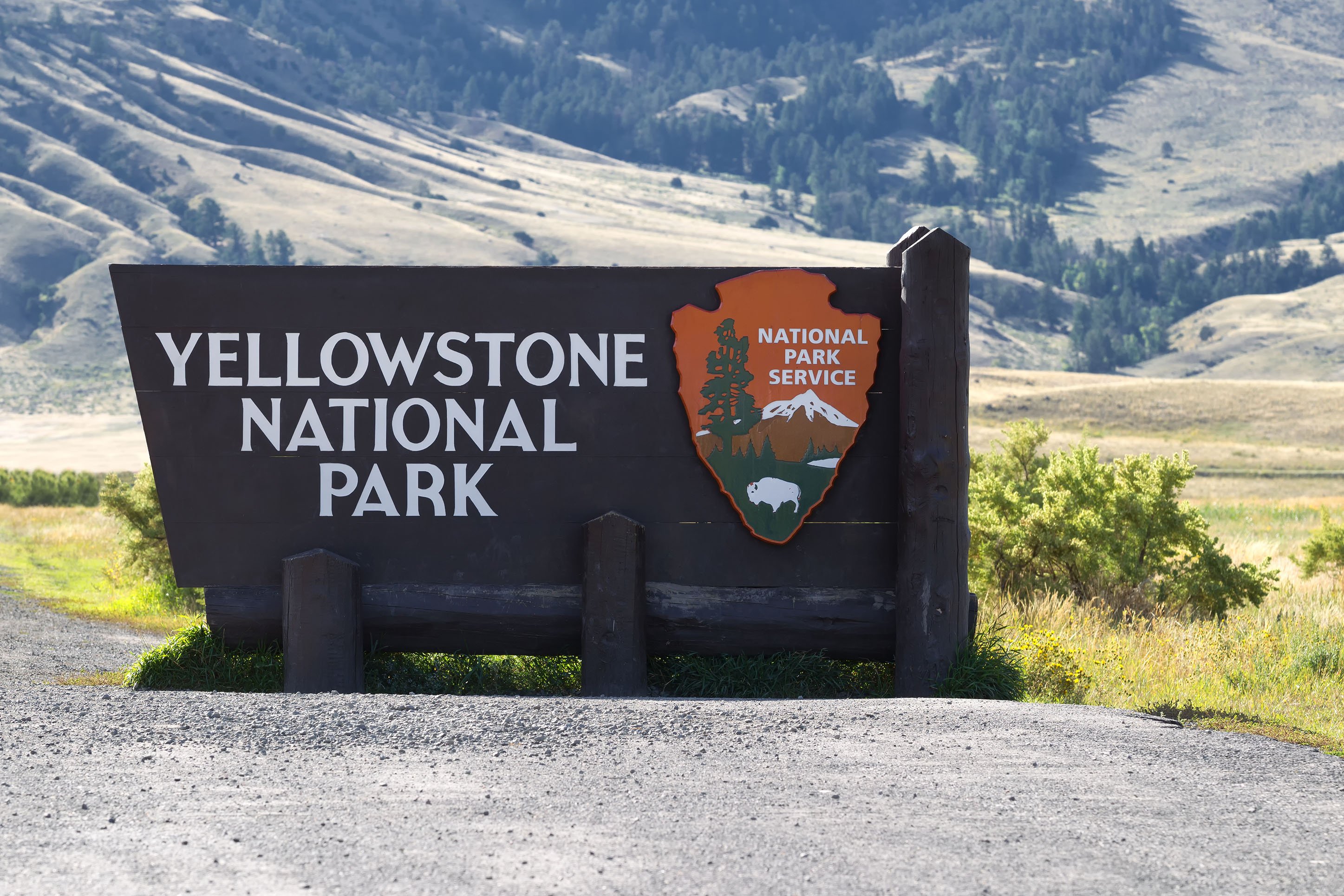
Best Time to Visit
The “best” time to visit Yellowstone from Bozeman depends on your priorities.
- Summer (June-August): Offers full access to all park roads and facilities, long daylight hours, and the warmest weather, but also the largest crowds.
- Spring (April-May): Features fewer crowds, blooming wildflowers, and excellent opportunities for wildlife viewing (especially baby animals). However, some roads may still be closed, and weather can be unpredictable.
- Fall (September-October): Provides crisp air, stunning autumn foliage, fewer visitors, and elk bugling season. Most roads are open until early November.
- Winter (November-March): A magical time for cross-country skiing, snowshoeing, and witnessing the park’s dramatic snow-covered landscapes and wildlife. Access is limited primarily to snowmobiles and snow coaches, usually via the North Entrance to Mammoth Hot Springs and the West Entrance to Old Faithful.
Understanding these seasonal nuances allows you to tailor your trip to your preferences, ensuring an unforgettable journey from Bozeman to Yellowstone.
In conclusion, the distance between Bozeman, Montana, and Yellowstone is a manageable 80-90 miles, equating to a picturesque 1.5 to 2-hour drive to either the West Entrance or North Entrance. Far more than just a convenient waypoint, Bozeman serves as an essential hub for Yellowstone adventurers. Its world-class airport, comprehensive amenities, diverse dining, and a wealth of local attractions make it the ideal starting point for a well-planned and truly immersive exploration of America’s first national park. Whether you seek geothermal wonders, abundant wildlife, or rugged Montana beauty, commencing your journey in Bozeman sets the stage for an unforgettable travel experience.
LifeOutOfTheBox is a participant in the Amazon Services LLC Associates Program, an affiliate advertising program designed to provide a means for sites to earn advertising fees by advertising and linking to Amazon.com. Amazon, the Amazon logo, AmazonSupply, and the AmazonSupply logo are trademarks of Amazon.com, Inc. or its affiliates. As an Amazon Associate we earn affiliate commissions from qualifying purchases.