
Traveling between two major U.S. cities like Chicago and Boston is a common itinerary for business travelers, tourists, and those visiting family. While the distance might seem substantial, modern air travel has significantly condensed the journey. However, understanding the “how long” question goes beyond just the time spent airborne; it encompasses the entire travel experience from door to door. This comprehensive guide will break down all aspects of flying from the Windy City to the historic hub of New England, ensuring you have a clear picture of what to expect.
The Core Flight Duration: What to Expect in the Air
When people ask “How long is the flight?”, they typically refer to the time the aircraft spends in the air. For the Chicago to Boston route, this can vary slightly depending on several factors, but a direct flight offers the most straightforward answer.
Direct Flights: The Swift Connection
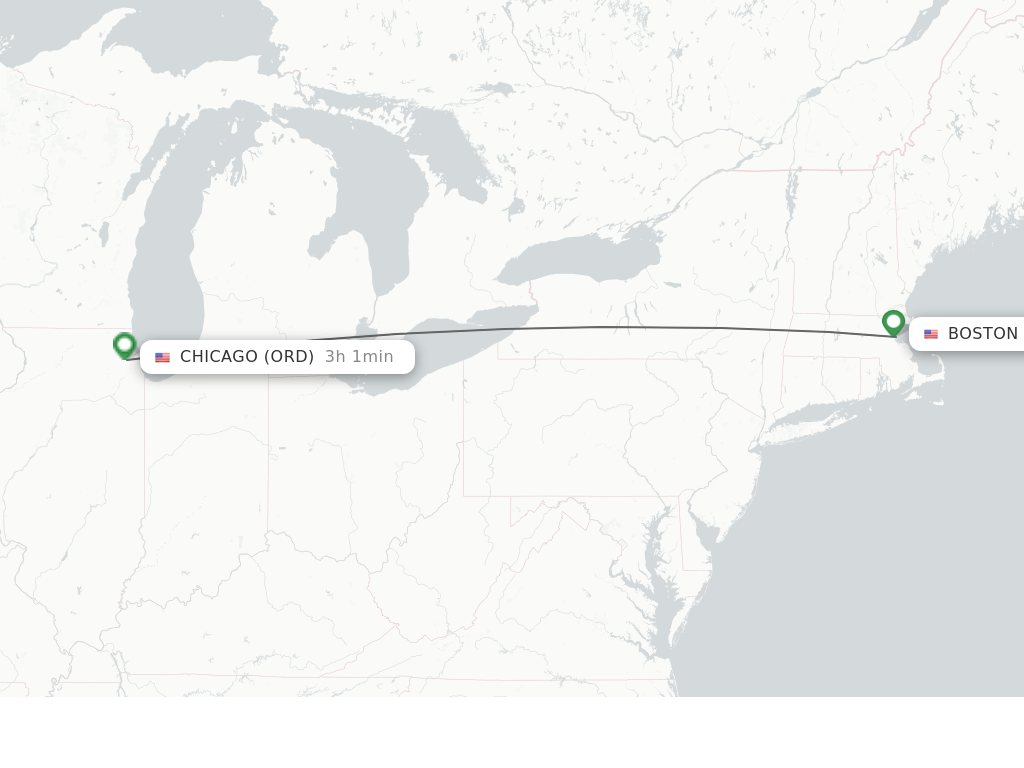
A direct, non-stop flight from Chicago (primarily from O’Hare International Airport or Midway International Airport) to Boston’s Logan International Airport typically ranges from 2 hours to 2 hours and 30 minutes. This duration covers the actual flight time from takeoff to landing, not including taxiing to and from the gate or any ground delays. The relatively short duration makes this route a popular choice for those looking to minimize travel time. Airlines such as United Airlines, American Airlines, Delta Air Lines, Southwest Airlines, and JetBlue Airways frequently operate direct services between these two cities, offering multiple daily options for travelers. The convenience of a non-stop journey cannot be overstated, especially for those on tight schedules or seeking a hassle-free experience.
Factors Influencing Flight Time: More Than Just Distance
While the geographical distance between Chicago and Boston is approximately 850 miles (about 1,370 kilometers) as the crow flies, the actual flight time can be influenced by several variables:
- Air Traffic Control (ATC) Delays: Heavy air traffic, particularly around major hubs like Chicago O’Hare or Boston Logan, can lead to holding patterns or delayed takeoffs, extending the overall journey. These delays are often unpredictable but are factored into airline scheduling to some extent.
- Weather Conditions: Strong headwind can increase flight time as the aircraft has to work harder against the airflow, while a tailwind can significantly shorten it. Severe weather events, such as thunderstorms or blizzards, can cause diversions, delays, or even cancellations, completely altering the expected duration. Pilots continuously monitor weather patterns to choose the most efficient and safest route.
- Aircraft Type: Different aircraft models have varying cruising speeds and operational efficiencies. A newer, more fuel-efficient jet might maintain a slightly faster average speed than an older model, subtly affecting the flight duration. However, for a relatively short domestic route like Chicago to Boston, this difference is usually marginal, perhaps adding or subtracting a few minutes.
- Route Optimization: Airlines and ATC constantly optimize flight paths to avoid congested airspace or adverse weather, which can lead to minor variations in the total distance covered and, consequently, the flight time.
Navigating Major Airports and Airline Choices
Your overall travel experience begins and ends with the airports. Knowing which airports serve the route and which airlines operate out of them can help you plan more effectively.
Departures from Chicago: O’Hare vs. Midway
Chicago is served by two major international airports, both offering flights to Boston:
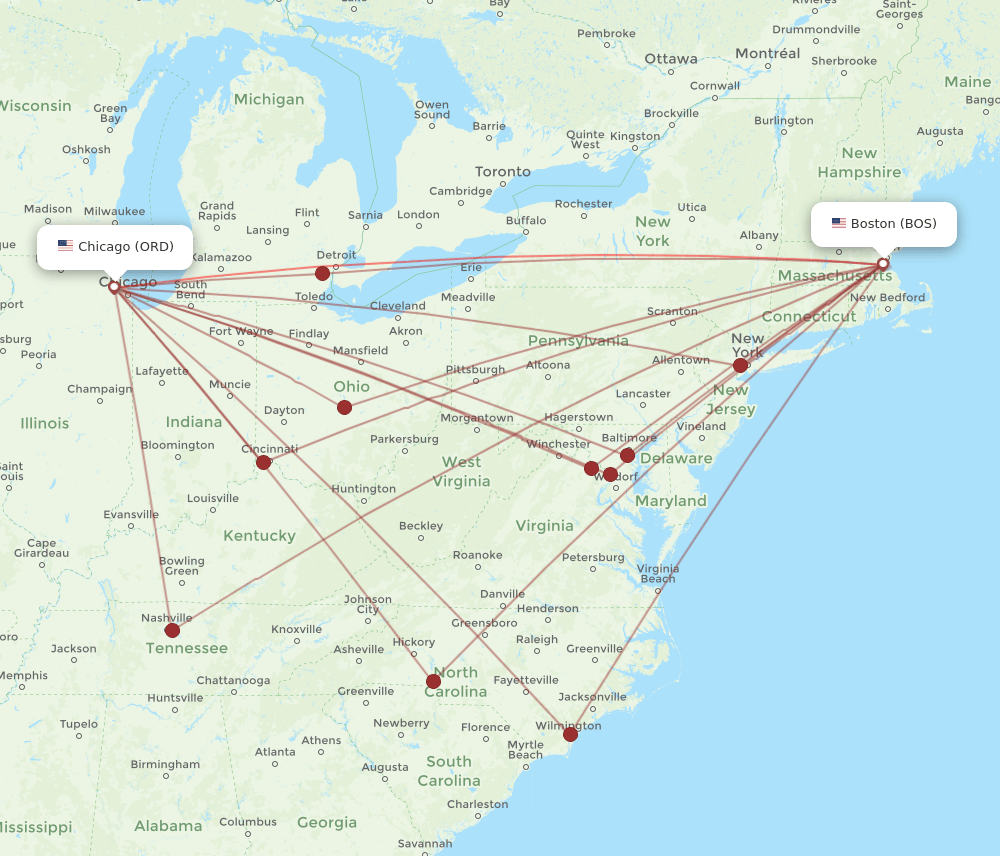
- O’Hare International Airport (ORD): As one of the busiest airports in the world, ORD is a major hub for United Airlines and American Airlines. It offers the most frequent and diverse flight options to Boston. While its size can mean longer walks between gates or more significant potential for delays, ORD is well-connected to Downtown Chicago via the CTA Blue Line, making ground transport relatively straightforward.
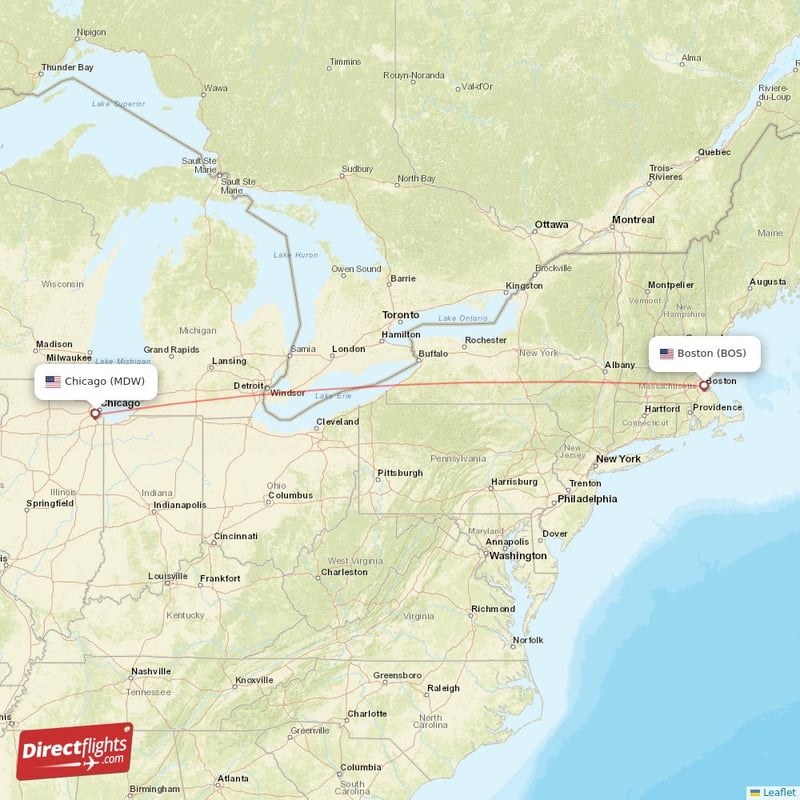
- Midway International Airport (MDW): A smaller, more compact airport, MDW is primarily a hub for Southwest Airlines. It’s often preferred by travelers seeking a less overwhelming airport experience and potentially quicker security lines. Midway is closer to Downtown Chicago and also accessible via the CTA Orange Line. Flights from MDW to Boston are frequent, especially with Southwest’s extensive network.
Choosing between ORD and MDW often comes down to your preferred airline, location within Chicago, and tolerance for airport size.
Arrivals in Boston: Logan International’s Gateway
All commercial flights from Chicago to Boston arrive at Logan International Airport (BOS). Logan is conveniently located just across Boston Harbor from Downtown Boston. It has multiple terminals, each serving specific airlines. Terminal A handles Delta Air Lines, Terminal B handles American Airlines and Southwest Airlines, Terminal C primarily handles JetBlue Airways and some United Airlines flights, and Terminal E is for international arrivals but also handles some United Airlines domestic flights. Ground transportation from Logan is plentiful, including taxis, ride-sharing services, the MBTA Silver Line (bus rapid transit connecting to the subway system), and the Logan Express bus service to suburban locations.
Key Airlines Serving the Route
The competitive nature of the Chicago to Boston route means several major carriers offer frequent service:
- United Airlines: Primarily from ORD to BOS.
- American Airlines: Also primarily from ORD to BOS.
- Delta Air Lines: Offers flights from ORD to BOS.
- Southwest Airlines: A popular choice from MDW to BOS.
- JetBlue Airways: Known for its comfortable seating and amenities, JetBlue flies from ORD to BOS.
The choice of airline often depends on factors like loyalty programs, preferred departure times, baggage policies, and fare competitiveness.
Beyond the Runway: Accounting for the Full Journey Time
Focusing solely on flight duration provides an incomplete picture. The actual time commitment for air travel involves much more than just the time spent airborne.
Pre-Flight Procedures: Check-in, Security, and Boarding
Before your plane even leaves the gate, you’ll spend a significant amount of time at the airport.
- Arrival at the Airport: For domestic flights, most airlines recommend arriving 90 minutes to 2 hours before departure. This buffer allows for unexpected delays and ensures a relaxed start to your journey.
- Check-in and Bag Drop: If you’re checking luggage or need a physical boarding pass, this process can add 15-30 minutes, especially during peak travel times. Online check-in and mobile boarding passes can expedite this step.
- Security Screening: This is often the most variable part of pre-flight. Standard security lines can range from 15 minutes to over an hour, depending on the airport, time of day, and traveler volume. Programs like TSA PreCheck or Clear can significantly reduce wait times.
- Gate Transit and Boarding: Walking to your gate, especially at large airports like O’Hare, can take time. Boarding typically begins 30-45 minutes before scheduled departure.
Factoring in these pre-flight steps, you’re looking at a minimum of 1.5 to 2.5 hours before your scheduled departure time, adding to the overall travel duration.
Layover Logistics: The Reality of Connecting Flights
While direct flights are plentiful on the Chicago to Boston route, some travelers might opt for connecting flights due to cost savings, specific airline preferences, or availability. A connecting flight will invariably extend your journey. Layovers can range from short 30-minute dashes across terminals (which carry a higher risk of missed connections) to several hours, or even an overnight stay. Each leg of a connecting flight will have its own direct flight time, plus the additional time for taxiing, deplaning, transiting between gates (and potentially terminals), and re-boarding. A typical connecting flight could easily add anywhere from 3 to 6+ hours to your total travel time.
Post-Flight Transit: From Airport to Destination
Once you’ve landed in Boston, your journey isn’t over. You still need to reach your final destination.
- Deplaning and Baggage Claim: Deplaning can take 5-15 minutes, and waiting for checked luggage can add another 20-45 minutes, particularly during busy periods.
- Ground Transportation: The time it takes to get from Logan International Airport to your specific location in Boston or the surrounding areas can vary significantly:
- Downtown Boston, Seaport, North End: 15-30 minutes by taxi/rideshare (without heavy traffic), 20-40 minutes by MBTA Silver Line to the Red Line (subway).
- Back Bay, Fenway: 20-40 minutes by taxi/rideshare, 30-50 minutes by MBTA Silver Line and subway.
- Suburban Areas: Can take 30 minutes to over an hour, depending on distance and traffic.
Considering all these factors, a typical door-to-door journey from Chicago to Boston on a direct flight could easily range from 4 to 6 hours, assuming no significant delays. For connecting flights, this could stretch to 7-12 hours or more.
Maximizing Your Travel Efficiency and Comfort
While some aspects of air travel are beyond your control, strategic planning can significantly enhance your experience and minimize potential stress.
Strategic Booking and Best Times to Fly
- Book in Advance: Generally, booking flights several weeks or months ahead can secure better fares and provide more schedule flexibility.
- Consider Off-Peak Hours: Early morning or late-night flights often have fewer delays and shorter security lines. Mid-week flights (Tuesday, Wednesday) are also typically less crowded and sometimes cheaper than weekend travel.
- Fare Comparison: Use flight comparison websites to scout for the best deals across different airlines and airports (ORD vs. MDW). Be flexible with your travel dates if possible.
Enhancing Your In-Flight Experience
- Choose Your Seat Wisely: For a relatively short flight, an aisle seat offers easy access, while a window seat provides views. Consider paying a little extra for seats with more legroom if comfort is a priority.
- Stay Hydrated and Comfortable: Air travel can be dehydrating. Bring a reusable water bottle to fill after security. Dress in comfortable layers.
- Entertainment: Most airlines offer in-flight Wi-Fi and entertainment options. Download movies, podcasts, or e-books beforehand to ensure you have content, especially if you prefer to save on Wi-Fi costs.
- Snacks: Pack some light snacks, as in-flight service on shorter domestic flights can be limited to basic beverages and small bites.
Smart Packing and Airport Navigation
- Carry-On Only (if possible): Avoiding checked luggage saves time at check-in and baggage claim, significantly streamlining your journey. Ensure your carry-on meets airline size restrictions.
- Organize Documents: Keep your ID, boarding pass, and any necessary travel documents easily accessible.
- Airport Apps: Download airport-specific apps for real-time updates on gate changes, security wait times, and terminal maps.
Arriving in Boston: Seamless Transition and Initial Impressions
Upon landing at Logan International Airport, Boston’s compact nature and efficient public transport system, the MBTA, make for a relatively smooth transition into the city. The Silver Line provides a free connection from all terminals to the MBTA Red Line at South Station, a major transportation hub. From there, the entire city and its numerous attractions, from the Freedom Trail to the Museum of Fine Arts and the vibrant North End dining scene, are readily accessible. Regardless of whether you’re visiting for business or leisure, arriving in Boston is an experience that blends historic charm with modern convenience, kicking off your visit on an inviting note. The relatively short flight time from Chicago means you can be exploring the cobblestone streets of Beacon Hill or enjoying a clam chowder in Quincy Market just hours after leaving the Midwest.
LifeOutOfTheBox is a participant in the Amazon Services LLC Associates Program, an affiliate advertising program designed to provide a means for sites to earn advertising fees by advertising and linking to Amazon.com. Amazon, the Amazon logo, AmazonSupply, and the AmazonSupply logo are trademarks of Amazon.com, Inc. or its affiliates. As an Amazon Associate we earn affiliate commissions from qualifying purchases.