
Montana, often dubbed the “Big Sky Country,” evokes images of vast open spaces, majestic mountains, and unparalleled natural beauty. For many, it represents an idyllic escape from the hustle and bustle of urban life, a place where outdoor adventures are a daily reality and community ties run deep. This allure has drawn increasing numbers of people to consider calling Montana home, from retirees seeking tranquility to remote workers craving a change of pace. However, the practical question that inevitably arises is: “Is it expensive to live in Montana?” The answer, like the landscape itself, is nuanced and complex, varying significantly depending on location, lifestyle choices, and individual priorities. This article delves into the financial realities of making a life in Montana, providing a comprehensive look at the cost of living and how it shapes the resident experience.
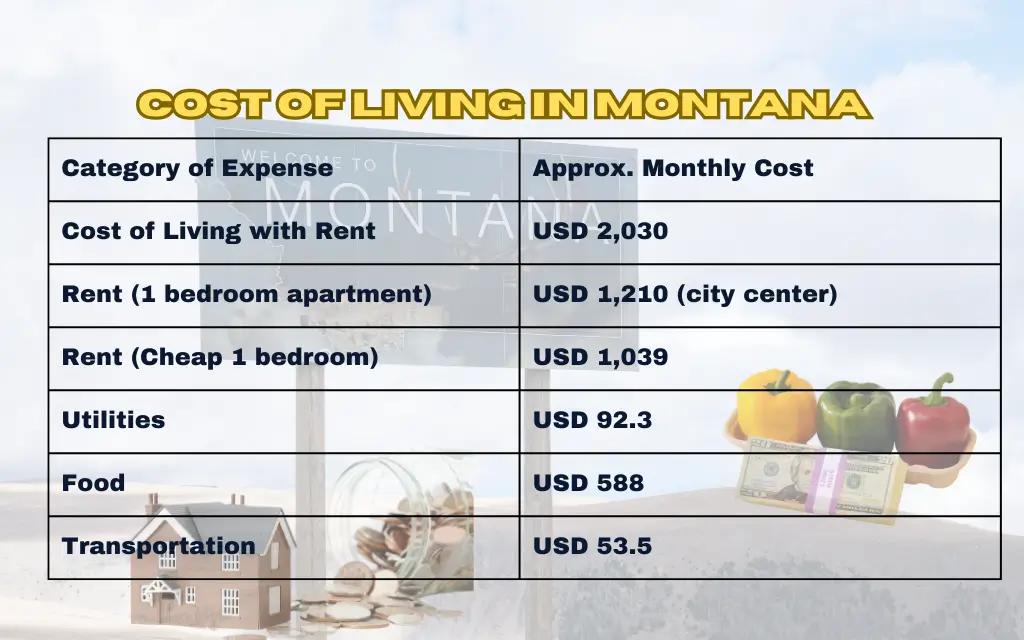
The Shifting Landscape of Montana’s Cost of Living
For decades, Montana was generally considered an affordable state, especially compared to coastal regions. Its rural character and relatively lower population density kept many costs in check. However, the last several years have ushered in a significant transformation, driven by a confluence of factors that have reshaped its economic landscape.
General Overview: A State in Transition
Historically, Montana’s overall cost of living index hovered slightly below the national average. While some expenses, particularly transportation due to vast distances, might have been higher, housing and basic services often provided a counterbalance. Today, the picture is more mixed. While certain rural areas still retain a degree of affordability, the state’s popular cities and scenic valleys have seen dramatic price increases, pushing the average cost of living upwards, often exceeding the national benchmark in key categories. This shift is particularly acute in housing, which has become the primary driver of increased expenses across the state. The appeal of Montana’s natural environment and quality of life is now directly impacting its economic accessibility.
Recent Trends and Influences: The Influx Effect
The COVID-19 pandemic accelerated a pre-existing trend of migration towards less dense, amenity-rich areas, and Montana emerged as a prime beneficiary of this movement. The rise of remote work enabled many to relocate without changing careers, bringing higher salaries from more expensive markets into Montana’s economy. This influx of new residents, often with significant purchasing power, has created intense demand for housing and services, outpacing supply in many areas. The result has been a rapid appreciation in real estate values and rental prices, particularly in sought-after communities like Bozeman, Missoula, and the Flathead Valley around Kalispell. This phenomenon has created challenges for long-time residents and those with local wages, leading to concerns about affordability and the preservation of Montana’s unique character.
Breaking Down Key Living Expenses
To understand the true cost of living in Montana, it’s essential to dissect the major expense categories that comprise a household budget. Each plays a critical role in shaping the overall financial picture for residents.
Housing: The Dominant Factor
Without a doubt, housing is the most significant and often most challenging expense for anyone considering living in Montana. The state’s housing market has experienced unprecedented growth, particularly in recent years.
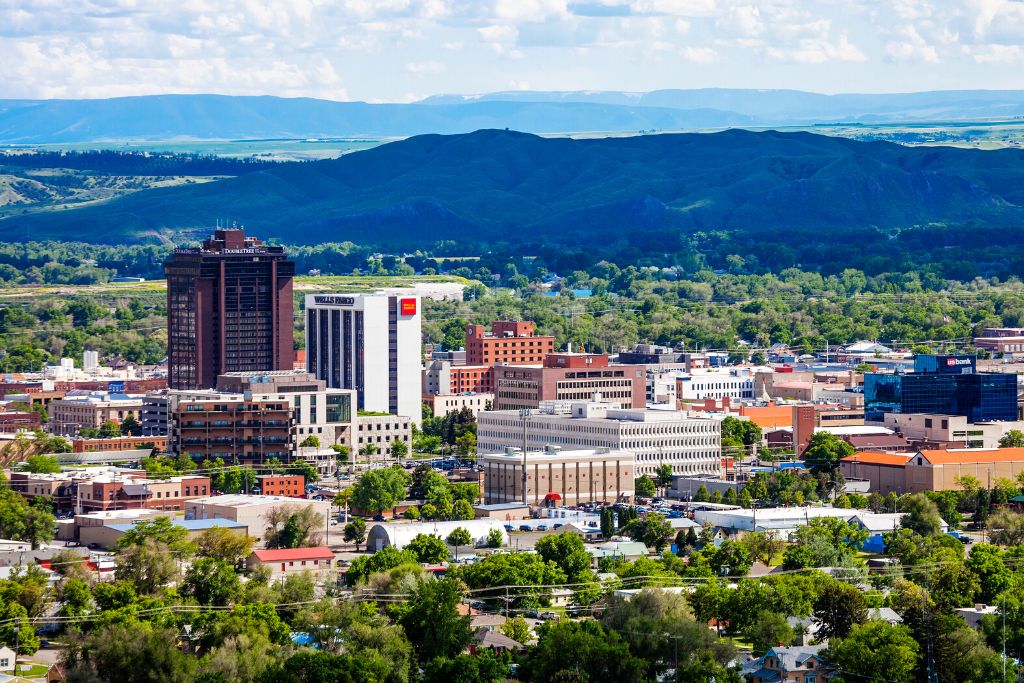
- Median Home Prices and Rent: Cities like Bozeman and Missoula now boast median home prices well above the national average, often exceeding $600,000 for single-family homes, with some areas pushing past $800,000 or even $1 million. Rental markets in these areas are equally competitive, with average rents for a one-bedroom apartment often ranging from $1,500 to over $2,000 per month, a stark contrast to a few years ago. Even the state capital, Helena, and the industrial hub of Billings have seen substantial increases, though they generally remain slightly more affordable than the resort towns and university cities. In the picturesque Flathead Valley, encompassing Kalispell and Whitefish, proximity to Glacier National Park drives up demand and prices considerably.
- Rural Areas vs. Urban Centers: While urban centers and popular tourist destinations command the highest prices, even rural areas have felt the ripple effect. Land prices have surged, making it more expensive to build or purchase property, though established homes in less accessible rural communities may still offer some relative value compared to the bustling cities. The trade-off often involves longer commutes to services and amenities.
Utilities and Groceries: Daily Essentials
Beyond housing, the day-to-day costs of utilities and groceries also factor into Montana’s living expenses.
- Utilities: Montana’s climate, characterized by cold, long winters and often warm summers, means heating and cooling costs can be significant. Electricity rates are generally on par with or slightly below the national average, but heating with natural gas, propane, or wood can add up, especially for older, less insulated homes. Water and sewer costs are typically reasonable, while internet services tend to be comparable to national rates, though options can be limited in very remote areas. Overall, a monthly utility bill for a standard household might range from $200 to $400, depending on usage and season.
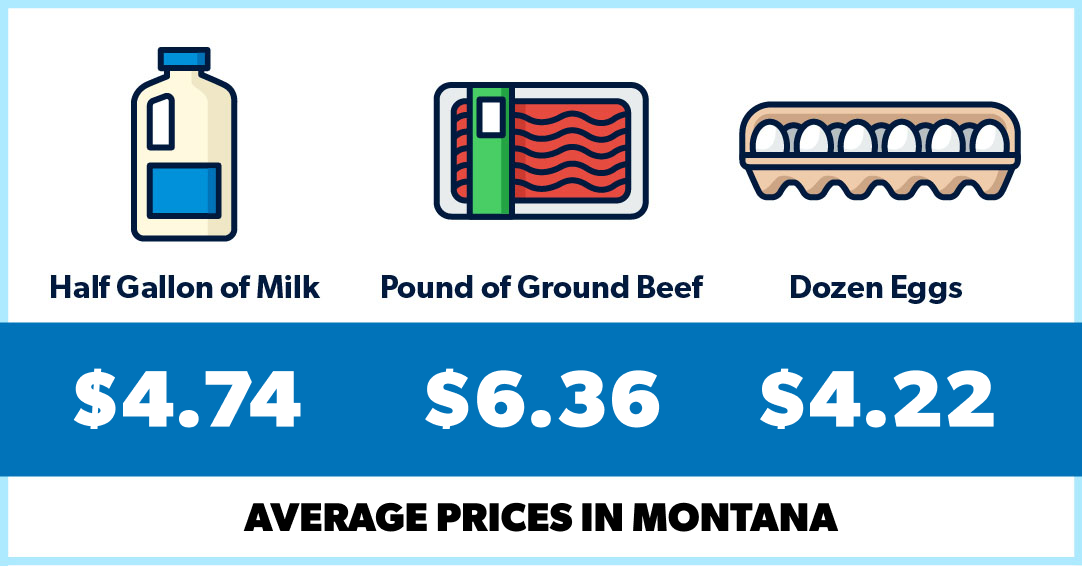
- Groceries: Grocery costs in Montana tend to be slightly higher than the national average. This is partly due to transportation costs for goods entering the landlocked state and the relative scarcity of large-scale agriculture for certain products. Residents in smaller towns and rural areas may face even higher prices or limited selection due to fewer large grocery chains. Smart shopping, utilizing local farmers’ markets when in season, and bulk purchasing can help mitigate these costs.
Transportation: A Necessity in Big Sky Country
Public transportation options in Montana are minimal outside of major cities, making personal vehicle ownership almost essential for most residents.
- Vehicle Ownership and Fuel: Owning a reliable vehicle, often a four-wheel-drive or all-wheel-drive capable of handling varied terrain and winter conditions, is a practical necessity. This means factoring in vehicle payments, insurance (which can vary but is generally moderate), and maintenance. Fuel costs are comparable to national averages, but the vast distances between towns mean that residents often drive more miles, leading to higher overall fuel expenditures. A long commute for work or even weekend trips to national parks like Glacier National Park or nearby Yellowstone National Park can significantly impact the budget.
- Limited Public Transport: While cities like Bozeman and Missoula offer some local bus services, intercity public transport is virtually non-existent, underscoring the reliance on personal vehicles.
Healthcare: Access and Expense
Healthcare costs in Montana are generally in line with national averages, though access to specialized care can be more limited in rural areas. Insurance premiums depend on the chosen plan and provider, but residents should budget for typical co-pays, deductibles, and out-of-pocket expenses. The number of medical facilities is concentrated in larger cities, meaning rural residents may need to travel for certain appointments or emergencies, adding travel time and cost to healthcare considerations.
Lifestyle Choices and Their Financial Impact
The lifestyle one chooses in Montana has a profound impact on the overall expense of living. The state offers incredible opportunities, but how one engages with them financially can vary greatly.
Recreation and Entertainment: The Montana Advantage (or Disadvantage)
One of Montana’s biggest draws is its abundant outdoor recreation. Many activities can be enjoyed affordably, while others can be quite expensive.
- Affordable Outdoors: Hiking, fishing, camping in many national forests, and scenic drives are often free or require only minimal fees (e.g., a state park pass or fishing license). Access to millions of acres of public land provides endless opportunities for budget-friendly recreation.
- Expensive Pursuits: Activities like skiing, guided hunting or fishing trips, and purchasing specialized outdoor gear (boats, ATVs, high-end camping equipment) can quickly become significant expenses. Lift tickets at popular ski resorts like Big Sky Resort or Whitefish Mountain Resort are comparable to major resorts elsewhere. Even frequent visits to national parks like Glacier National Park require entrance fees or an annual pass.
- Urban Entertainment: Dining out, attending concerts, or visiting local breweries and art galleries in cities like Bozeman or Missoula can add up, similar to other mid-sized cities. However, the overall frequency of such activities might be lower for some residents, given the strong emphasis on outdoor pursuits.
Income vs. Expenses: Earning Potential
Understanding the local job market and typical income levels is crucial for assessing affordability. While some sectors, particularly technology, healthcare, and tourism, are growing, average wages in Montana have historically lagged behind the national average.
- Median Income Levels: The median household income in Montana is generally below the national median. This creates a significant challenge, as rising living costs, especially housing, are increasingly disproportionate to local earning potential for many residents, particularly those in service industries or entry-level positions.
- Job Market Considerations: While the unemployment rate is often low, the types of jobs available and their corresponding salaries are critical. Remote workers earning salaries from higher-cost-of-living areas often find Montana more affordable, while those reliant on local wages may struggle in the current economic climate, especially in the most expensive cities. This disparity is a key factor in the overall “expensiveness” of living in Montana for different demographics.
Navigating Affordability: Strategies for Living in Montana
Despite the rising costs, living in Montana is still attainable for many, especially with strategic planning and conscious choices.
Choosing Your Location Wisely: Urban vs. Rural vs. Smaller Towns
The single most impactful decision for controlling costs is where you choose to reside within the state.
- Avoid Tourist Hotspots: While desirable, areas immediately surrounding Bozeman, Missoula, Kalispell, and popular ski resorts will inevitably be the most expensive.
- Consider Smaller Cities: Billings and Helena offer more amenities and job opportunities than very rural areas while often being more affordable than Bozeman or Missoula. They provide a balance of services and community without the steepest housing prices.
- Explore Rural Communities: For those seeking true solitude and maximum affordability, looking at smaller towns further from major population centers or national parks can yield significant savings in housing costs. This, however, comes with trade-offs in terms of access to shopping, specialized services, and diverse job markets. Commutes will also likely be longer.
Budgeting and Resourcefulness: Maximizing Your Dollar
Effective financial management is paramount for a comfortable lifestyle in Montana.
- Energy Efficiency: Given the climate, investing in energy-efficient housing or carefully managing heating and cooling can lead to substantial savings on utility bills.
- Local and Seasonal Eating: Shopping at local farmers’ markets for produce when available can be both cost-effective and a way to support local agriculture. Planning meals around seasonal ingredients can also reduce grocery expenses.
- DIY Recreation: Embrace the free and low-cost outdoor activities. Instead of expensive ski passes every weekend, explore cross-country skiing, snowshoeing, or winter hiking. Fishing, hunting (with appropriate licenses), and camping are inherently affordable ways to enjoy the state’s natural beauty.
- Community Engagement: Many Montana communities offer free or low-cost events, festivals, and volunteer opportunities that provide entertainment and foster connection without breaking the bank.
Conclusion: A Balanced Perspective on Montana Living
So, is it expensive to live in Montana? The truthful answer is: it depends. For those seeking a vibrant urban lifestyle in a prime location like Bozeman or Missoula, with a preference for modern amenities and high-end recreation, Montana can indeed be expensive, particularly when factoring in the current housing market. If one’s income doesn’t align with the high cost of living in these areas, it can present significant financial challenges.
However, for individuals and families willing to explore beyond the most popular hubs, embrace a more rural lifestyle, or prioritize the unparalleled natural beauty over urban conveniences, Montana still offers a quality of life that many find invaluable. By making conscious choices about location, managing expectations regarding local wages, and being resourceful with daily expenses and recreational pursuits, it is entirely possible to carve out an affordable and fulfilling life under the Big Sky. The true cost of living in Montana is not just a monetary figure; it’s a balance between financial outlay and the immense lifestyle benefits that this unique state offers.
LifeOutOfTheBox is a participant in the Amazon Services LLC Associates Program, an affiliate advertising program designed to provide a means for sites to earn advertising fees by advertising and linking to Amazon.com. Amazon, the Amazon logo, AmazonSupply, and the AmazonSupply logo are trademarks of Amazon.com, Inc. or its affiliates. As an Amazon Associate we earn affiliate commissions from qualifying purchases.