
The prospect of a hurricane bearing down on a desired destination can cast a shadow over even the most meticulously planned travel itineraries. For those eyeing the Sunshine State, a question frequently arises, particularly during specific times of the year: “Is there a hurricane heading to Florida?” This question isn’t just about weather; it’s about safety, travel logistics, financial investments, and the overall experience of exploring one of America’s most beloved states. Understanding the dynamics of Florida’s hurricane season and how to navigate potential threats is paramount for any traveler. This guide aims to provide a professional, insightful, and engaging perspective on how to approach travel to Florida with the ever-present, yet manageable, consideration of tropical weather.

Understanding Florida’s Hurricane Season and Current Outlook
Florida, with its extensive coastline bordering both the Atlantic Coast and the Gulf Coast, is undeniably susceptible to tropical weather systems. Being informed about these patterns is the first step in responsible travel planning.
When is Hurricane Season in Florida?
The official Atlantic hurricane season runs from June 1st to November 30th each year. Within this period, there are typically peak months for storm activity. August, September, and early October often see the highest frequency and intensity of tropical cyclones. While storms can form outside of these months, they are less common. This doesn’t mean travel during hurricane season is ill-advised; it simply means heightened awareness and preparedness are necessary. Millions visit Florida successfully during these months, often enjoying lower crowds and competitive pricing, but they do so with a solid understanding of the risks and how to mitigate them. Popular destinations like Miami, Orlando, Tampa, and Key West all fall within this risk zone.
How to Monitor Current Weather Threats
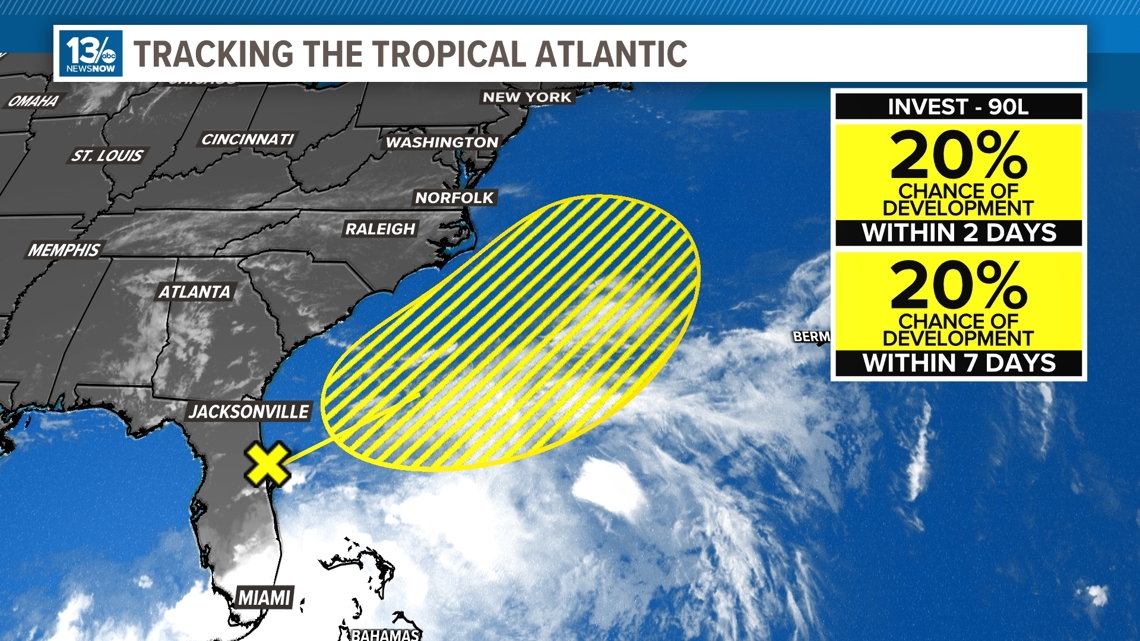
Reliable, up-to-date information is your best friend when traveling during hurricane season. The primary authority for tracking and forecasting tropical cyclones is the National Hurricane Center (NHC), a division of the National Oceanic and Atmospheric Administration (NOAA). Their website and official social media channels provide real-time updates, forecast cones, and detailed discussions about active systems. Local weather news outlets in Florida also provide region-specific information, often offering more granular detail on local impacts. It is crucial to bookmark these sources well in advance of your trip and check them regularly, especially in the days leading up to and during your stay. Relying on unofficial sources or social media speculation can lead to misinformation and unnecessary panic.
Interpreting Forecasts: Watches vs. Warnings
Understanding the terminology used by meteorologists is critical for travelers. A “Hurricane Watch” means hurricane conditions (sustained winds of 74 mph or higher) are possible within a specified area, typically within 48 hours. This is the time for travelers to finalize preparations, review evacuation plans, and consider altering travel. A “Hurricane Warning,” on the other hand, means hurricane conditions are expected within the specified area, usually within 36 hours. This signifies an immediate threat, and protective actions, including evacuation if advised by local authorities, should be completed promptly. Similarly, “Tropical Storm Watch” and “Tropical Storm Warning” indicate tropical storm conditions (sustained winds of 39-73 mph). For travelers, a Watch should trigger serious consideration of travel changes, while a Warning typically means travel to the affected area is either impossible, unsafe, or actively discouraged.
Travel Preparedness When a Hurricane Threat Looms
Proactive planning is the cornerstone of a stress-free travel experience, especially during hurricane season. Being prepared means having a clear understanding of what to do before, during, and after a potential storm.
Before You Depart: Essential Checks
Prior to even booking your trip during hurricane season, consider purchasing comprehensive travel insurance. This can be an invaluable safety net, covering non-refundable expenses like flights, hotels, and tours if your trip is interrupted or cancelled due to a named storm. Always read the policy details carefully to understand what is covered and what conditions apply. Before departure, confirm the status of your flights directly with the airline; do not rely solely on third-party apps. Many airlines offer waivers for rebooking or refunds if a hurricane threatens your destination. Contact your accommodation providers (hotels, resorts, vacation rentals) to understand their hurricane policies, including cancellation and rebooking options. For popular spots like Walt Disney World or Universal Studios Florida, check their official websites for operational updates, as they have specific protocols for severe weather.
While En Route: Staying Informed and Flexible
If you’re already traveling towards Florida and a storm develops, remain vigilant. Keep your phone charged and ensure you have access to reliable internet or cellular service. Follow official advisories from the National Hurricane Center and local emergency management agencies. Have a backup plan: identify alternative routes or destinations should your primary one become unsafe or inaccessible. Flexibility is key; be prepared to change your plans on short notice. If an evacuation order is issued for your area or planned destination, heed it immediately. Evacuation routes are typically well-marked, but traffic can be severe, so planning early is vital.
If You’re Already in Florida: Safety Protocols
Should a hurricane threat emerge while you are already enjoying your Florida vacation, your first priority is personal safety. Local authorities, often in coordination with the Federal Emergency Management Agency (FEMA), will issue guidance, including potential evacuation orders or shelter-in-place instructions. Follow these directives without hesitation. If advised to evacuate, do so promptly. If you are instructed to shelter in place, ensure you have an emergency kit with non-perishable food, water, a first-aid kit, flashlights, batteries, and any necessary medications. Your hotel or accommodation provider will likely have an emergency plan in place; familiarize yourself with it upon arrival. Staying connected with family and friends, letting them know your status, is also important.
Navigating Travel Disruptions and Cancellations
Even with the best planning, hurricanes can inevitably cause significant travel disruptions. Knowing your rights and options can significantly reduce stress and financial loss.

Airline and Transportation Policies
When a hurricane impacts a major travel hub like Miami International Airport or Orlando International Airport, airlines typically issue travel waivers. These waivers allow passengers to rebook flights without change fees or, in some cases, receive a refund if the flight is canceled. It’s essential to deal directly with your airline rather than third-party booking sites for the quickest resolution. Monitor your flight status meticulously, as cancellations can occur with little notice. For those relying on car rentals, be aware that vehicles might be in short supply before a storm, and certain areas could become inaccessible. Public transportation, including trains and buses, will also likely cease operations during a direct threat.
Hotel and Accommodation Considerations
Most reputable hotels and resorts in Florida have specific hurricane policies, often allowing for penalty-free cancellations or rebooking if a hurricane warning is issued for the area. Verify these policies when booking, and again if a storm threatens. Vacation rental platforms (like Airbnb or VRBO) have their own cancellation policies, which can vary by host, so check those terms carefully. If your trip is cancelled due to a storm, act quickly to secure any applicable refunds. If you decide to ride out a minor storm, ensure your accommodation is structurally sound and that you have access to essential services. Many hotels will offer limited services during and immediately after a storm.
Travel Insurance: Your Safety Net
Travel insurance is specifically designed for situations like hurricane-related disruptions. If you purchased a comprehensive policy, it might cover:
- Trip Cancellation: If you have to cancel your trip due to a hurricane warning at your destination.
- Trip Interruption: If a hurricane forces you to cut your trip short.
- Travel Delay: For additional expenses (like hotel stays) incurred due to covered delays.
- Emergency Medical: If you require medical attention due to an incident during the storm.
- Evacuation: For costs associated with emergency evacuation.
Remember, most standard policies have a “named storm” clause, meaning the storm must be officially named after you purchase the policy for coverage to apply. Buying insurance after a storm has formed or is being tracked is usually too late. Keep all receipts for expenses you wish to claim.
Post-Hurricane Travel: Assessing Impact and Planning Forward
Even after a hurricane passes, the effects can linger, impacting infrastructure, services, and attractions. Responsible travel in the aftermath requires patience and understanding.
Immediate Aftermath: Safety First
Following a hurricane, areas can experience significant damage. Road closures due to debris, flooding, or damaged bridges are common. Power outages can affect vast regions for days or even weeks. Water services might be compromised, leading to boil water advisories. Tourist attractions, including theme parks like Walt Disney World and beaches like South Beach, may close for damage assessment and cleanup. It is crucial not to travel to affected areas immediately after a storm. Allow emergency services to do their work, and do not put yourself or others at risk by attempting to access damaged zones. Information on recovery efforts and road conditions will be available through official state and local channels.
Rebuilding and Reopening: What to Expect
Florida’s tourism infrastructure is incredibly resilient, but recovery takes time. Major attractions and transportation hubs usually prioritize swift restoration. However, smaller businesses, local restaurants, and lesser-known attractions might take longer to reopen. Be prepared for potential changes to your itinerary, and understand that some services might be limited. Websites of specific attractions and local tourism boards will provide the most accurate information on reopening schedules. Consider supporting local businesses directly, as they often bear the brunt of economic impact.
Supporting Florida’s Recovery Through Responsible Travel
Once an area is declared safe and open for visitors, returning can be a powerful way to support Florida’s recovery. When you visit, spend your money locally: stay in local hotels, dine at local restaurants, and purchase from local shops. This infusion of tourist dollars helps communities rebuild and get back on their feet. Engage with locals respectfully, understanding that they may still be dealing with personal challenges. If voluntourism is an option and aligns with your interests, consider participating in organized relief efforts through reputable charities once the immediate crisis has passed.
Enjoying Florida Safely: Beyond Hurricane Season
While hurricane season demands extra vigilance, Florida remains an incredible travel destination year-round, offering diverse experiences from the vibrant nightlife of Miami to the magical theme parks of Orlando and the serene beauty of the Gulf Coast beaches.
Year-Round Travel Tips for Florida
Beyond hurricane preparedness, general travel safety in Florida involves being aware of strong sun, staying hydrated, and understanding local driving conditions. The shoulder seasons (spring and late fall) often offer ideal weather with fewer crowds, making them excellent times to visit. Even in winter, the southern parts of the state, particularly Key West, offer pleasant, warm escapes. Always be mindful of rip currents if swimming in the ocean, and observe warning flags on beaches.
Embracing Florida’s Resilience and Beauty
Florida is a state defined by its unique natural beauty, rich history, and vibrant culture. Its people and infrastructure have repeatedly demonstrated remarkable resilience in the face of natural challenges. Traveling to Florida, whether during or outside of hurricane season, is an opportunity to experience its enduring appeal. By staying informed, preparing diligently, and traveling responsibly, you can enjoy all that the Sunshine State has to offer, confident in your ability to navigate any potential weather-related concerns. The question “Is there a hurricane heading to Florida?” should prompt not fear, but rather a thoughtful approach to planning and an enhanced appreciation for the dynamic forces of nature.
LifeOutOfTheBox is a participant in the Amazon Services LLC Associates Program, an affiliate advertising program designed to provide a means for sites to earn advertising fees by advertising and linking to Amazon.com. Amazon, the Amazon logo, AmazonSupply, and the AmazonSupply logo are trademarks of Amazon.com, Inc. or its affiliates. As an Amazon Associate we earn affiliate commissions from qualifying purchases.