
Chicago, the “Windy City,” is renowned for its vibrant culture, stunning architecture, and world-class attractions. However, for those planning a visit, especially during the colder months, a crucial question often arises: “How much snowfall did Chicago get?” Understanding Chicago’s winter weather patterns is essential for any tourist looking to maximize their experience, whether they’re seeking a pristine winter wonderland or simply aiming to navigate the city comfortably. While specific snowfall amounts vary dramatically from year to year and even week to week, this guide delves into what visitors can typically expect, how snowfall impacts tourism, and how to best prepare for a memorable winter adventure in this dynamic metropolis.

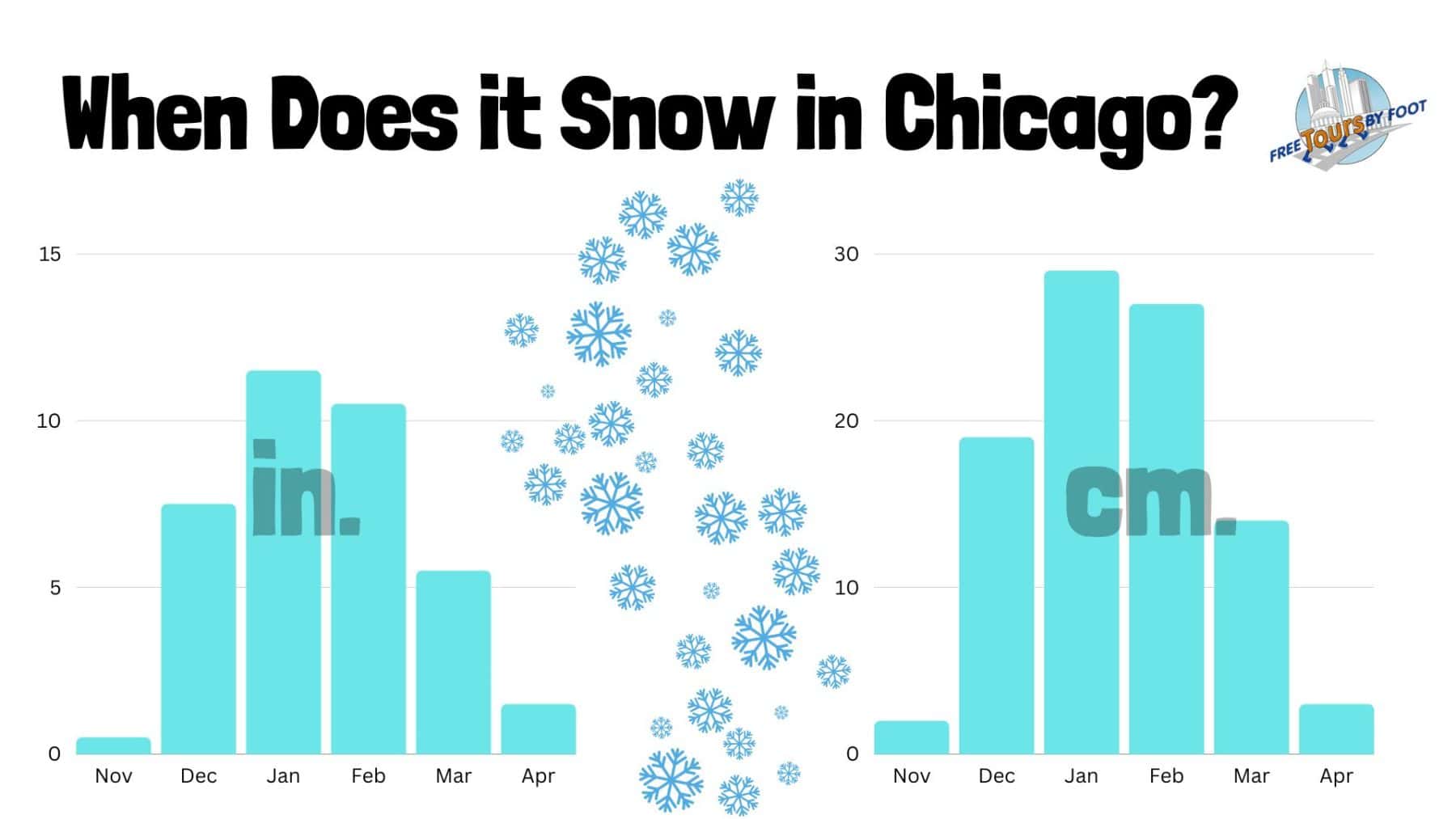
Typically, Chicago experiences an average of around 38 inches (approximately 96.5 cm) of snowfall annually, distributed throughout the winter months, primarily from December to March. However, this is an average, and individual seasons can see significant deviations. For example, a recent notable winter might have seen the city blanketed by as much as 60 inches of snow, creating an undeniably picturesque, albeit challenging, environment. Conversely, milder winters might only bring 20 inches, leading to a less pronounced winter aesthetic. The beauty and challenge of visiting Chicago in winter lie in this variability, promising a unique experience with each visit. For tourists, this means being prepared for anything from a light dusting that adds charm to the city’s skyline to a significant snow event that transforms familiar streets into glistening avenues of white.
Understanding Chicago’s Winter Weather Patterns
Chicago’s position on the southwestern shore of Lake Michigan significantly influences its winter climate, making its snowfall patterns distinctive and sometimes unpredictable. For tourists, recognizing these influences is the first step in planning an informed winter trip.
The Lake Effect Phenomenon
One of the most defining characteristics of Chicago’s winter is the “lake effect snow.” This phenomenon occurs when cold air masses, often originating from Canada, move across the relatively warmer waters of Lake Michigan. As the cold air picks up moisture and heat from the lake, it rises, condenses, and eventually precipitates as snow once it reaches the colder land on the downwind side of the lake. This can lead to localized, intense snowfall, often creating microclimates where one part of the city receives significantly more snow than another. Tourists should be aware that a forecast of light snow for the region might translate into heavier snowfall in specific lakeside neighborhoods or downtown areas, impacting visibility and ground conditions for exploration. This unpredictable nature of lake effect snow adds a layer of excitement and a need for flexibility to any winter itinerary.
Average Annual Snowfall and Variability
While the average annual snowfall hovers around 38 inches, this figure conceals the dramatic variability that can define any given winter. Some years, Chicago might experience a handful of major snowstorms, each dumping several inches, while other years might see more frequent but lighter snowfalls. For instance, a particular December could bring a single storm delivering 12 inches of snow, followed by a relatively dry January and February, totaling less than average for the season. Understanding this variability is key for tourists; it means checking forecasts regularly leading up to and during their trip. A light winter might offer easier navigation and more opportunities for outdoor activities without heavy gear, while a heavy snowfall year promises stunning photographic opportunities and a truly immersive winter experience, albeit with more logistical considerations. This dynamic weather contributes to the authentic character of a Chicago winter, offering a different narrative for every visitor.
Historic Winter Events
Chicago’s history is punctuated by legendary blizzards that serve as stark reminders of the city’s capacity for extreme winter weather. The Great Blizzard of 1967 and the Blizzard of 1979, for instance, dumped over 20 inches of snow each, paralyzing the city for days. While such extreme events are rare, they underscore the importance of preparedness. More recently, Chicago has seen significant snowstorms, such as the February 2011 blizzard, which left parts of the city under two feet of snow, creating massive drifts and disrupting transportation. For tourists, knowing about these historical events isn’t meant to instill fear but to foster respect for the elements and encourage prudent planning. While such intense blizzards are infrequent, they shape the city’s infrastructure and residents’ resilience, which in turn affects how tourism operates during challenging conditions. These historical footnotes remind visitors that a Chicago winter can be truly epic.
Snowfall’s Impact on Chicago Tourism
Snowfall, far from being a deterrent, often enhances the tourist experience in Chicago, transforming the city into a scenic wonderland and opening up unique opportunities for enjoyment.
Embracing Winter Activities and Attractions
When the snow falls, Chicago doesn’t shut down; it comes alive with specialized winter activities. Iconic landmarks like Millennium Park become centers for winter sports, with the McCormick Tribune Ice Rink offering a quintessential skating experience against the backdrop of the city skyline and The Bean. Nearby, the Maggie Daley Park ice skating ribbon provides an extended, winding path for skaters, a truly unique attraction. Many of the city’s diverse parks also offer opportunities for cross-country skiing or simply enjoying a peaceful walk through freshly fallen snow. Festivals and markets, like the Christkindlmarket, often embrace the snowy backdrop, adding to their festive charm. For adventurous tourists, a snowy day can mean exploring the city’s vast network of indoor attractions – the Art Institute of Chicago, the Field Museum, or the Shedd Aquarium – which offer a warm refuge and intellectual stimulation away from the cold. The presence of snow often leads to reduced crowds at outdoor attractions, providing a more intimate viewing experience.
Navigating Snowy Conditions: Transportation and Safety Tips
While beautiful, significant snowfall can impact travel within Chicago. The city’s extensive public transportation system, managed by the CTA (Chicago Transit Authority), generally operates well, but delays are possible during heavy storms. Buses might run slower, and elevated train lines can be affected by ice or signal issues. For tourists, planning routes in advance and allowing extra travel time is crucial. Taxis and rideshare services may also experience higher demand and surge pricing during inclement weather. Walking can be challenging on unplowed sidewalks, so sturdy, waterproof footwear with good traction is essential. Safety is paramount; visitors should be mindful of slippery surfaces, black ice, and falling snow or ice from buildings. The city’s efficient snow removal crews work diligently to clear major roads and sidewalks, but side streets and less-trafficked areas might remain snowy for longer. Staying informed through local news and transportation apps is a simple but effective safety measure.
The Aesthetic Appeal: A Winter Wonderland
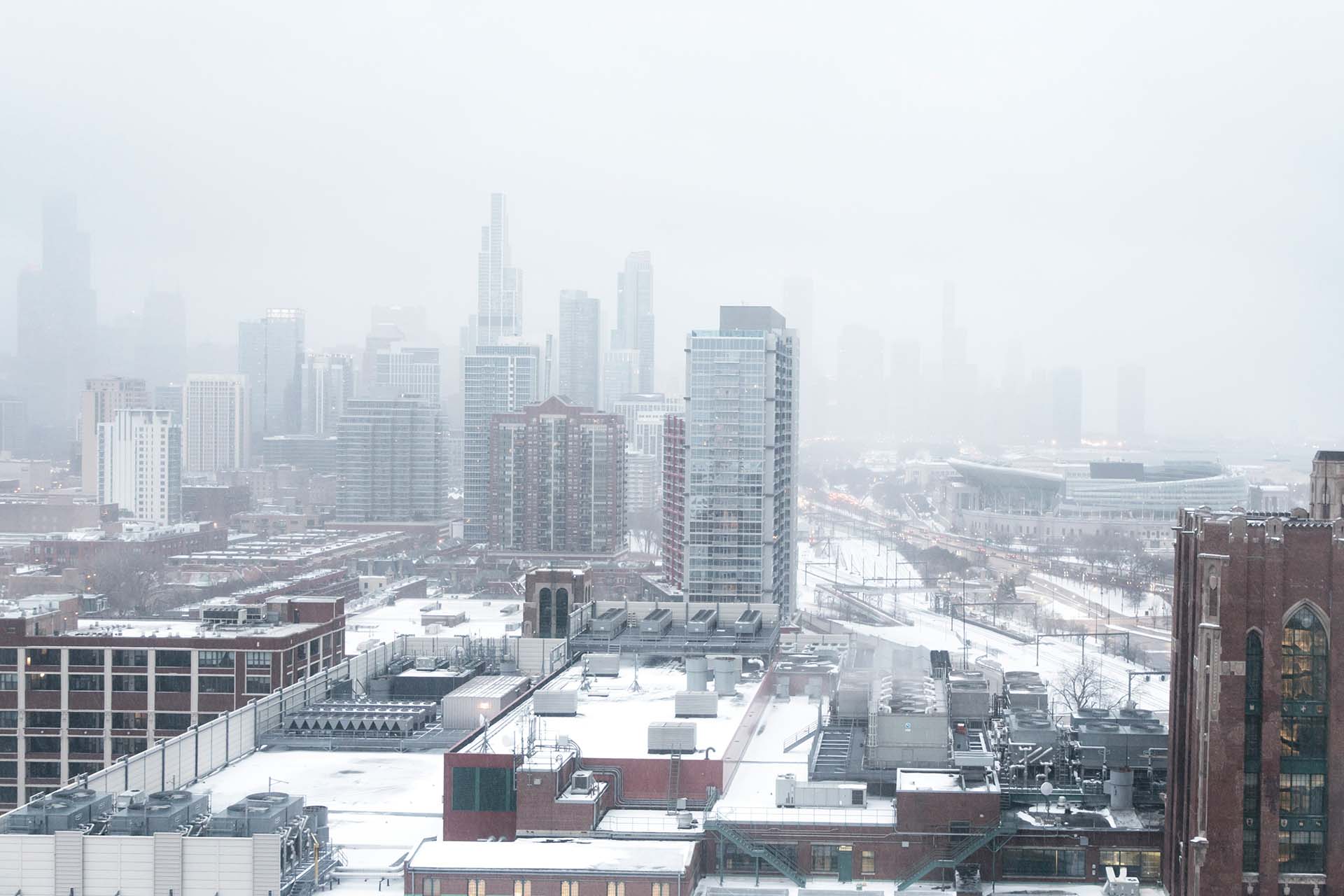
Perhaps the most compelling impact of snowfall on Chicago tourism is its transformative aesthetic. The cityscape, already celebrated for its architectural marvels, takes on a magical quality when draped in fresh snow. Buildings like the Willis Tower and the historic structures along the Magnificent Mile shimmer against a white backdrop. The bare branches of trees in Lincoln Park or Grant Park become intricate sculptures dusted with white. This visual splendor offers unparalleled photography opportunities, from dramatic skyline shots to close-ups of delicate snowflakes clinging to urban textures. The quiet hush that often accompanies a fresh snowfall creates a serene atmosphere, allowing visitors to experience a different, more contemplative side of this bustling city. For many, experiencing Chicago as a genuine winter wonderland is the primary draw, making the effort of navigating the cold entirely worthwhile.
Preparing for a Winter Visit to Chicago
A successful winter trip to Chicago hinges on effective preparation, ensuring comfort and maximizing enjoyment regardless of the snowfall.
Packing Essentials for Cold Weather
Layering is key for battling Chicago’s winter. Tourists should pack thermal underwear, warm sweaters, and a waterproof, insulated winter coat. Don’t underestimate the importance of accessories: a warm hat that covers the ears, gloves or mittens, and a scarf are absolute necessities. For footwear, waterproof boots with good insulation and non-slip soles are non-negotiable, especially for navigating snowy or icy sidewalks. Even if the forecast doesn’t predict heavy snow, sudden temperature drops and unexpected flurries are common. Consider bringing hand warmers for extended outdoor activities. A small, sturdy umbrella can also be useful for light snow or freezing rain. Remember, it’s better to be over-prepared and shed layers than to be caught unprepared in the biting cold.
Booking Accommodation and Travel during Snow Season
While winter is generally considered the off-peak season for tourism in Chicago, which can lead to more favorable rates for flights and hotels, it’s still wise to book in advance. Proximity to public transportation, especially underground CTA train stations, can be a significant advantage when snow is on the ground. Hotels like the Hyatt Regency Chicago or The Palmer House Hilton often provide excellent access to key attractions and transport links. For travel, booking flights with flexibility options is advisable, as major snowstorms can lead to flight delays or cancellations. Consider travel insurance that covers weather-related disruptions. While the chances of a paralyzing blizzard on your specific travel dates are low, having contingencies in place provides peace of mind.
Cultural Events and Indoor Attractions
Chicago’s winter calendar is surprisingly full of cultural events, making it an excellent time for tourists to explore the city’s rich artistic and intellectual scene. Major museums like the Museum of Science and Industry or the Field Museum offer hours of indoor exploration. The city’s thriving theater district presents Broadway shows and local productions, providing a cozy evening activity. Live music venues, from jazz clubs to blues halls, offer a warm escape from the cold. Many art galleries, boutique shops, and diverse restaurants also provide excellent indoor options. These indoor attractions become even more appealing during heavy snowfall, allowing tourists to seamlessly transition from outdoor scenic views to engaging cultural experiences, ensuring a full and enriching itinerary regardless of the weather.
Experiencing Chicago’s Winter Charm
Beyond mere survival, a winter visit to Chicago is about embracing its unique charm and discovering new facets of the city.
Iconic Landmarks in the Snow
Imagine the reflective surface of The Bean mirroring a snow-covered skyline, or the vast expanse of Grant Park transformed into a serene white carpet. The frozen spray from Buckingham Fountain creates stunning ice formations. A walk along the Chicago Riverwalk with its bridges dusted in snow offers a distinct perspective of the city’s iconic architecture. Navy Pier, while perhaps chillier, provides panoramic views of Lake Michigan dotted with ice floes, an awe-inspiring sight. Visiting these landmarks in the snow offers a quieter, often more intimate experience, free from the bustling summer crowds, allowing for deeper appreciation of their beauty and historical significance. The stark contrast of white snow against the dark steel and glass of skyscrapers provides a fresh visual narrative of the city.
Culinary Delights to Warm the Soul
Chicago’s culinary scene is perfectly suited for warming up after a day in the snow. Indulge in classic deep-dish pizza from Lou Malnati’s or Giordano’s. Explore cozy cafes offering artisanal coffees and hot chocolates. The city boasts an incredible array of restaurants, from Michelin-starred establishments to comforting neighborhood eateries, many with fireplaces or intimate settings ideal for a chilly evening. Don’t forget to sample local brews at one of Chicago’s numerous craft breweries, many of which offer hearty pub fare. The winter season is an ideal time to savor rich, comforting dishes that embody the spirit of the Midwest, turning every meal into a part of the warming ritual of a winter visit.
Photography Opportunities and Scenic Views
For photographers, Chicago in winter is a dream. The soft, diffused light of snowy days, the contrast of white against dark urban structures, and the unique textures created by ice and frost offer endless possibilities. Capture the holiday lights shimmering through falling snow, the steam rising from city vents against a crisp backdrop, or the intricate patterns of ice on Lake Michigan. Views from observation decks like 360 Chicago or the Skydeck at Willis Tower offer breathtaking panoramas of the snow-covered city extending to the frozen lake. Even simple street photography takes on a new dimension, capturing residents bundled up against the cold, adding a human element to the winter landscape. The serene beauty of a snowy Chicago provides a unique visual narrative, distinct from its vibrant summer persona.
Beyond the Flakes: Practical Advice for Tourists
Beyond specific snowfall amounts, knowing how to approach a Chicago winter trip with practical wisdom is paramount for a smooth and enjoyable experience.
Staying Informed with Local Forecasts
For tourists, the most valuable tool is up-to-date weather information. Consult reliable weather apps and local news outlets like WGN-TV or the Chicago Tribune for hourly and daily forecasts. Pay attention not just to snow accumulation predictions but also to wind chill advisories, which can make even moderate temperatures feel dangerously cold due to the “windy city” effect. Being aware of approaching cold fronts or potential lake effect snow bands allows for last-minute adjustments to itineraries, ensuring comfort and safety. Many apps offer push notifications for severe weather alerts, which can be invaluable when exploring an unfamiliar city during winter.
Leveraging Public Transportation
Chicago’s public transportation system, the CTA, is generally robust even in winter weather. Purchasing a Ventra card for easy access to buses and ‘L’ trains is highly recommended. Utilizing the ‘L’ trains, particularly the Red and Blue lines, can be faster and more reliable than driving or taking buses during heavy snowfall, as they operate on elevated or underground tracks, less affected by surface conditions. Use real-time tracking apps provided by CTA to monitor delays and plan routes. Many attractions are conveniently located near ‘L’ stops, making it feasible to navigate the city almost entirely via public transit, minimizing exposure to the elements.
Emergency Preparedness
While unlikely, extreme winter conditions can sometimes lead to power outages or significant travel disruptions. Tourists should ensure their phones are always charged, and consider carrying a portable power bank. Keep a small emergency kit with essentials like non-perishable snacks, water, and any necessary medications. Familiarize yourself with the location of your nearest hospital or urgent care center. When venturing out, especially for longer periods, let someone know your plans. While Chicago is well-equipped to handle winter, a small amount of personal preparedness goes a long way in ensuring a stress-free and safe visit, allowing you to fully immerse yourself in the city’s unique winter charm.
LifeOutOfTheBox is a participant in the Amazon Services LLC Associates Program, an affiliate advertising program designed to provide a means for sites to earn advertising fees by advertising and linking to Amazon.com. Amazon, the Amazon logo, AmazonSupply, and the AmazonSupply logo are trademarks of Amazon.com, Inc. or its affiliates. As an Amazon Associate we earn affiliate commissions from qualifying purchases.