
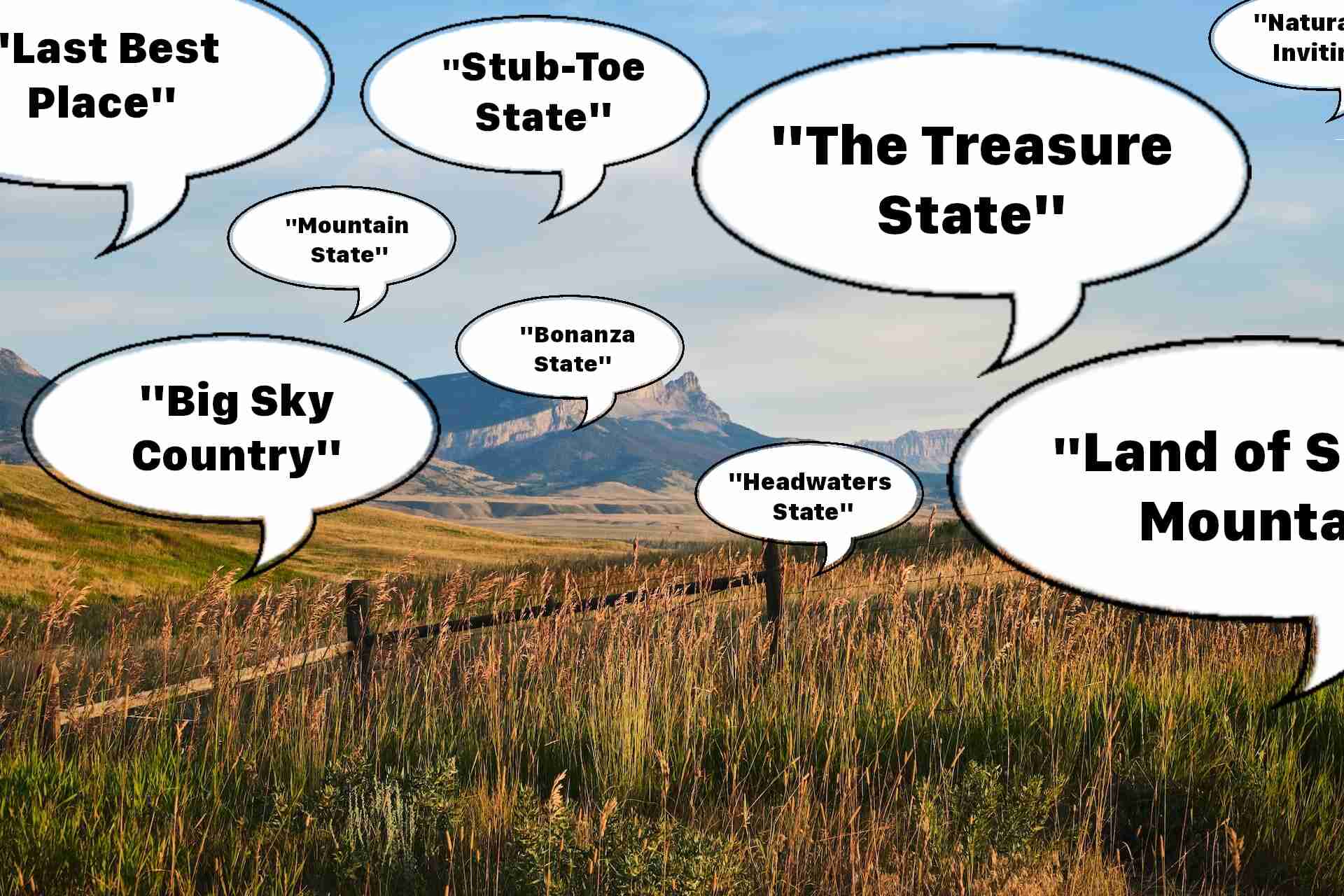
Montana, a state renowned for its majestic landscapes, vast wilderness, and rich history, captivates the imagination of anyone who ventures into its boundless expanses. For visitors and residents alike, understanding a place often begins with its identity, encapsulated in its official and unofficial monikers. These nicknames are more than just labels; they are cultural touchstones, reflecting the essence, history, and unique character of a region. When contemplating a journey to the “Treasure State,” or perhaps “Big Sky Country,” one might wonder about the origins and deeper meaning behind Montana’s enduring aliases. Delving into these names offers a richer appreciation of Montana’s local culture, its historical narrative, and the profound connection between its people and its land.
The Treasure State: An Enduring Identity Rooted in Riches
The most widely recognized official nickname for Montana is “The Treasure State.” This moniker immediately conjures images of hidden wealth and precious natural resources, and indeed, its origins are deeply embedded in the state’s geological bounty and the transformative era of the 19th-century mining boom. To understand “The Treasure State” is to understand a significant chapter in American history and the very foundation of Montana’s development.
Origins in Mineral Wealth and Mining History
The mid-1800s saw an influx of prospectors drawn to Montana by the siren call of gold. Major gold discoveries in places like Bannack, Alder Gulch, and Last Chance Gulch (which eventually became Helena, the state capital) quickly transformed the rugged territory into a bustling frontier. These initial gold rushes were soon followed by even more significant finds of silver and, crucially, copper. Cities like Butte, once a silver camp, blossomed into one of the world’s most important copper-mining districts, earning it the title “The Richest Hill on Earth.”
The vast quantities of these precious metals and minerals were truly a “treasure” that fueled industrial growth both within Montana and across the nation. The wealth extracted from Montana’s earth played a pivotal role in the state’s admission to the Union in 1889 and shaped its economic, social, and political landscape for decades. The nickname “The Treasure State” was officially adopted, appearing on license plates and state seals, a constant reminder of this foundational period of immense mineral wealth that laid the groundwork for modern Montana.
Lasting Legacy and Symbolism
Even though large-scale mining has significantly diminished from its heyday, “The Treasure State” remains profoundly relevant. It symbolizes not only the historical mineral wealth but also the enduring natural treasures that define Montana today. These treasures include its pristine forests, abundant wildlife, crystal-clear rivers, and, most notably, the awe-inspiring expanses of the Rocky Mountains. For tourists, the nickname subtly invites them to discover Montana’s riches, whether they are historical artifacts in a museum, a breathtaking vista in Glacier National Park, or the exhilaration of reeling in a trout from a blue-ribbon stream. The nickname has transcended its literal origins to represent a broader spectrum of values and assets that locals cherish and visitors seek.
Beyond the Obvious: Unofficial Monikers and Cultural Nuances
While “The Treasure State” holds official status, Montana is perhaps even more widely known by a captivating unofficial nickname that speaks directly to its sweeping natural beauty: “Big Sky Country.” This moniker, along with other historical descriptions, adds layers to the state’s cultural identity and significantly influences its tourism appeal.
Big Sky Country: A Vision of Grandeur
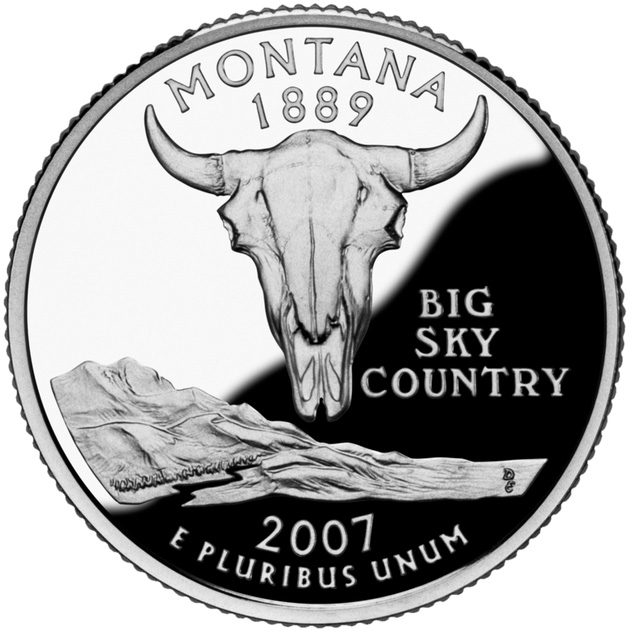
“Big Sky Country” is an evocative phrase that perfectly captures the essence of Montana’s expansive horizons, where the sky seems to stretch infinitely, often painted with dramatic clouds and vibrant sunsets. Unlike “The Treasure State,” which grounds itself in material wealth, “Big Sky Country” elevates the natural experience, focusing on the sensory grandeur of the environment. Its widespread adoption is often attributed to a highly successful tourism campaign launched by the Montana Highway Department in the 1960s, designed to entice travelers to explore the state’s unspoiled wilderness.
The campaign’s genius lay in its simplicity and its powerful imagery. It wasn’t about finding gold or silver, but about discovering an unparalleled sense of freedom and wonder under an immense, unobstructed sky. This nickname has resonated deeply with visitors seeking solace from urban life, adventure in the outdoors, or simply a connection with nature on an epic scale. It promises vastness, purity, and an escape, making it an incredibly potent marketing tool for the state’s tourism industry. Many small towns and businesses across Montana have incorporated “Big Sky” into their names, cementing its place in the popular imagination and everyday local culture.
The Land of the Shining Mountains
Before the advent of modern tourism campaigns and even before Montana became a state, another descriptor hinted at its monumental topography: “The Land of the Shining Mountains.” This poetic phrase often refers to the formidable Rocky Mountains that dominate much of western Montana, their snow-capped peaks glittering in the sunlight. The very name “Montana” is believed to derive from the Spanish word montaña, meaning “mountain” or “mountainous region,” which early explorers used to describe the landscape.
This historical context provides a deeper cultural layer, connecting to the indigenous peoples who lived amidst these peaks for millennia and the early European explorers who first charted their grandeur. While not as commonly used today as “The Treasure State” or “Big Sky Country,” “The Land of the Shining Mountains” serves as a reminder of the timeless, awe-inspiring natural features that have always defined this region and continue to draw adventurers and nature lovers. It underscores a profound and ancient appreciation for the dramatic landscape, a core aspect of Montana’s identity.

The Nickname’s Role in Montana’s Tourism and Identity
Nicknames are more than mere labels; they are powerful tools for branding, identity, and storytelling. For a state like Montana, its various monikers play a crucial role in how it presents itself to the world and how its residents perceive their home.
Marketing and Branding a State
“The Treasure State” and “Big Sky Country” are invaluable assets in Montana’s tourism and economic development strategies. “The Treasure State” appeals to those interested in history, resources, and the tangible wealth of the land, hinting at discoveries to be made beyond just minerals—think historical sites, unique geological formations, and diverse ecosystems. “Big Sky Country,” on the other hand, is a direct invitation to experience the vastness, natural beauty, and outdoor adventure that Montana offers in spades.
Together, these nicknames create a comprehensive brand image: a place rich in history and natural resources, offering boundless opportunities for exploration under an immense and pristine sky. They attract different segments of tourists, from history buffs to avid hikers, anglers, and wildlife enthusiasts. These names communicate a promise of authenticity, untamed wilderness, and profound experiences, distinguishing Montana in a competitive global tourism market.
Connecting with Local Culture and Pride
For Montanans, these nicknames are sources of immense pride. “The Treasure State” speaks to a legacy of hard work, resilience, and the bounty that the land has provided. It evokes a sense of connection to the pioneers and miners who shaped the state. “Big Sky Country” encapsulates the daily reality and cherished freedom of living in a place where nature still dominates, where urban sprawl is minimal, and where horizons stretch endlessly.
These names foster a strong sense of place and community. They are used in local businesses, school mascots, and everyday conversation, reinforcing a shared identity rooted in Montana’s’s unique environment and history. For visitors, understanding these cultural anchors helps them appreciate the local ethos, the reverence for nature, and the independent spirit that defines Montanans. Engaging with these nicknames is a way to connect more deeply with the local culture and gain insight into what makes this state so special to its inhabitants.
Experiencing Montana’s Treasures Firsthand
The nicknames of Montana are not just words; they are an invitation to experience the very qualities they describe. A trip to Montana offers countless opportunities to discover both its historical treasures and its natural grandeur.
Natural Wonders and Outdoor Activities
Living up to “Big Sky Country” and the broader interpretation of “The Treasure State,” Montana boasts an unparalleled array of natural attractions. Glacier National Park, often called the “Crown of the Continent,” offers breathtaking mountain vistas, pristine lakes, and abundant wildlife, perfect for hiking, scenic drives along the Going-to-the-Sun Road, and backcountry adventures. Portions of Yellowstone National Park also extend into Montana, allowing visitors to witness iconic geysers, hot springs, and diverse ecosystems.
Beyond the national parks, Montana is a fly-fishing paradise with renowned rivers like the Gallatin, Madison, and Missouri. Ski resorts like Big Sky Resort offer world-class winter sports, while vast national forests provide endless opportunities for camping, wildlife viewing, and hunting. These natural “treasures” provide direct, immersive experiences that bring the state’s nicknames to life.
Historical Riches and Cultural Gems
For those drawn to “The Treasure State’s” historical roots, Montana offers a compelling journey into its past. Ghost towns like Bannack and Virginia City stand as silent witnesses to the gold rush era, preserved as living museums. The city of Butte, with its historic architecture and impressive headframes, tells the story of its copper kings and industrial might. Museums across the state, such as the Montana Historical Society Museum in Helena or the World Museum of Mining in Butte, house artifacts and exhibits that illuminate Montana’s geological, pioneer, and Native American heritage.
Exploring these sites allows visitors to connect with the narratives of resourcefulness, ambition, and the harsh realities of frontier life. It provides a tangible link to the “treasures” that shaped the state, offering insights into the local culture that values independence, rugged beauty, and a deep respect for the land and its history.
In conclusion, Montana’s primary nickname is “The Treasure State,” a testament to its rich mineral past. However, “Big Sky Country” has become an equally powerful, unofficial moniker, celebrating its vast and awe-inspiring natural landscapes. Both nicknames, along with historical descriptions like “The Land of the Shining Mountains,” offer profound insights into the state’s local culture, history, and the profound beauty that defines it. For any traveler planning a visit, understanding these names is the first step toward unlocking the many treasures and expansive experiences that await in this magnificent American state.
LifeOutOfTheBox is a participant in the Amazon Services LLC Associates Program, an affiliate advertising program designed to provide a means for sites to earn advertising fees by advertising and linking to Amazon.com. Amazon, the Amazon logo, AmazonSupply, and the AmazonSupply logo are trademarks of Amazon.com, Inc. or its affiliates. As an Amazon Associate we earn affiliate commissions from qualifying purchases.