
The question “Is Florida considered East Coast?” is one frequently posed by travelers and geographers alike, inviting a deeper look into the Sunshine State’s unique position within the United States. The unequivocal answer is yes, Florida is firmly entrenched as a vibrant and integral part of the East Coast of North America. While its southern latitude and distinctive culture might occasionally prompt this query, a comprehensive examination of its geography, history, economic ties, and cultural connections reveals its undeniable East Coast identity. For travelers, understanding this classification is key to appreciating the diverse experiences Florida offers, from its bustling metropolitan centers to its serene coastal havens, all shaped by its Atlantic orientation.
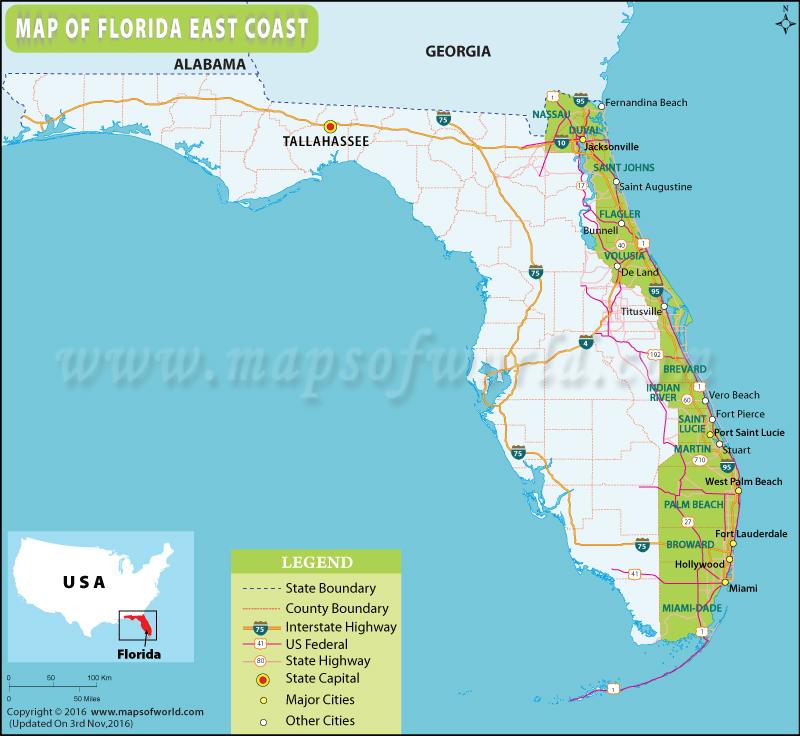
This article delves into the various facets that define Florida’s East Coast status, exploring how its geographical placement, historical development, economic linkages, and the very fabric of its tourism industry align it with its northern coastal counterparts. We will unpack the nuances of its identity, demonstrating why Florida is not just geographically positioned on the East Coast, but embodies its spirit in manifold ways.
The Geographical Truth: Unpacking Florida’s Eastern Identity
At its core, Florida’s designation as an East Coast state is primarily a matter of geography. The state’s extensive coastline along the Atlantic Ocean is its most defining characteristic in this regard, a feature that profoundly impacts its climate, ecosystems, and human settlements.
Coastline and Proximity to the Atlantic
Florida boasts one of the longest coastlines in the United States, a significant portion of which faces directly onto the Atlantic Ocean. From its northern border with Georgia down to the Florida Keys at its southernmost tip, the Atlantic seaboard defines much of the state’s eastern edge. Cities like Jacksonville, St. Augustine, Daytona Beach, Cape Canaveral, Fort Lauderdale, and Miami are iconic East Coast destinations, each with distinct offerings but united by their shared proximity to the Atlantic.
This direct access to the Atlantic Ocean is not merely a geographic detail; it is a foundational element of Florida’s identity. It dictates ocean currents, weather patterns (including its susceptibility to hurricanes), and the type of marine life found off its shores. The warm waters of the Atlantic Ocean, influenced by the Gulf Stream, contribute to Florida’s famously mild winters, making it a perennial draw for those seeking refuge from colder northern climates. While the state also has a substantial Gulf Coast facing the Gulf of Mexico, the economic, demographic, and historical weight of its Atlantic-facing regions firmly anchors it to the East Coast collective. The Atlantic side of Florida is often seen as the primary gateway for international travel from Europe and the Caribbean, further solidifying its East Coast connection.
The East Coast Megalopolis Connection
While Florida is geographically distinct from the densely populated BosWash megalopolis stretching from Boston to Washington D.C., it functions as a critical southern extension of the broader East Coast network. There’s a palpable connection, a demographic and cultural pipeline, that links Florida to its northern East Coast counterparts.
A significant portion of Florida’s population consists of transplants and seasonal residents from states like New York, New Jersey, and Pennsylvania. This demographic flow creates a continuous cultural and economic dialogue. Miami, for instance, often feels like a southern extension of New York City in terms of its fast pace, international flavor, and bustling financial sector. The East Coast of Florida shares similar architectural styles in its coastal high-rises, comparable culinary trends, and even a similar ethos of ambition and innovation found in northern urban centers. This human connection, driven by migration and tourism, ensures that Florida remains intricately woven into the larger East Coast narrative, acting as a crucial warm-weather haven and economic partner.
Beyond Geography: Cultural and Economic Ties
Florida’s East Coast identity extends beyond mere lines on a map. Its historical development, economic infrastructure, and even its cultural nuances align it closely with other states along the Atlantic seaboard.
Shared History and Development
The historical trajectory of Florida is deeply entwined with that of the East Coast. As one of the earliest areas in North America explored and settled by Europeans, cities like St. Augustine (the oldest continuously inhabited European-established settlement in the United States) bear testament to its long and rich history. This colonial past connects Florida directly to the patterns of European expansion that shaped much of the East Coast.
During the 19th and 20th centuries, Florida’s development was heavily influenced by investors and entrepreneurs from northern East Coast cities. Visionaries like Henry Flagler, a prominent industrialist and co-founder of Standard Oil, played a pivotal role in transforming Florida’s East Coast through the construction of the Florida East Coast Railway and luxurious resorts. This influx of capital and vision from the North cemented Florida’s place within the larger East Coast economic and social sphere, establishing many of its major cities as tourist destinations and agricultural hubs. This historical connection created enduring ties that continue to influence Florida’s identity today.
Economic Corridors and Trade Routes
Florida’s position on the East Coast also makes it a vital economic corridor, particularly for trade and international relations. Its major port cities, such as Miami, Port Everglades, and Jacksonville, are critical hubs for shipping and commerce, facilitating trade with the Caribbean, Central America, South America, and Europe. These ports are deeply integrated into the broader East Coast and global supply chains, connecting Florida directly to markets and industries further north.

Furthermore, Florida’s robust tourism industry, a cornerstone of its economy, draws heavily from East Coast populations. The ease of access via major interstate highways like I-95 and numerous direct flights from East Coast cities ensures a constant flow of visitors. This economic interdependence, where Florida serves as a southern leisure and business nexus for the East Coast megalopolis, further solidifies its belonging. The finance, real estate, and technology sectors, particularly in South Florida, also mirror the patterns of growth and investment seen in other major East Coast economic centers.
What Being “East Coast” Means for Travelers to Florida
For travelers, Florida’s status as an East Coast destination translates into specific types of experiences, accessibility, and cultural nuances that differentiate it from other regions.
Diverse Travel Experiences Along the Atlantic Seaboard
The East Coast of Florida presents an incredibly diverse array of travel experiences, reflecting the varied landscape and cultures found along the wider Atlantic shoreline. From the historic charm of St. Augustine, with its cobblestone streets and centuries-old architecture, to the vibrant, cosmopolitan energy of Miami, often dubbed the “Capital of Latin America,” there’s a destination for every preference.
Travelers can explore the pristine beaches of the Space Coast near Cape Canaveral, famous for rocket launches and surf breaks. Further south, the Treasure Coast and Gold Coast offer luxurious resorts, world-class golf courses, and upscale dining in cities like West Palm Beach and Fort Lauderdale. The Florida Keys, stretching into the Atlantic Ocean with their unique blend of laid-back charm and vibrant marine life, culminates in the bohemian spirit of Key West. These destinations offer everything from family-friendly beach vacations and romantic getaways to adventurous water sports and cultural immersions, all underpinned by their Atlantic context.
Accessibility and Transportation Hubs
One of the most significant advantages of Florida’s East Coast status for travelers is its exceptional accessibility. The state is served by several major international airports strategically located along its eastern seaboard, including Miami International Airport (MIA), Fort Lauderdale-Hollywood International Airport (FLL), Orlando International Airport (MCO), and Jacksonville International Airport (JAX). These hubs provide direct flights to and from virtually every major city on the East Coast of the United States, as well as extensive connections to the Caribbean, South America, and Europe.
The East Coast of Florida is also traversed by Interstate 95 (I-95), the primary north-south artery running along the entire eastern seaboard. This highway seamlessly connects Florida to Georgia, the Carolinas, and all the way up to New England, making road trips a popular option for many East Coast residents. Furthermore, Florida’s ports are departure points for numerous cruise lines, offering voyages to the Bahamas and beyond, cementing its role as a crucial transportation gateway for East Coast travelers.
Exploring Florida’s Distinct East Coast Regions
While Florida as a whole is considered East Coast, its eastern seaboard itself is a mosaic of distinct regions, each offering unique flavors and experiences for the discerning traveler.
From Miami’s Buzz to Jacksonville’s Heritage
The diversity along Florida’s East Coast is remarkable. In the south, Miami epitomizes a globalized urban experience, famous for its Art Deco architecture, vibrant nightlife, Latin American influences, and burgeoning arts scene in areas like Wynwood. It’s a city that never sleeps, with a palpable energy that resonates with other major East Coast metropolises. Just north, Fort Lauderdale, often called the “Venice of America” due to its extensive canal system, offers a more relaxed yet sophisticated atmosphere with beautiful beaches and upscale shopping.
Moving northward, the Space Coast provides a thrilling blend of science and nature, centered around Kennedy Space Center and the pristine National Seashore. Daytona Beach is synonymous with motorsports and its iconic “World’s Most Famous Beach,” while historic St. Augustine transports visitors back in time with its Spanish colonial heritage, fortresses, and charming streets. Finally, Jacksonville, the largest city by area in the contiguous United States, combines a dynamic urban core with extensive natural parks, a thriving craft beer scene, and a rich historical background, serving as the northern anchor of Florida’s East Coast corridor.

Coastal Gems and Inland Wonders
While the East Coast refers specifically to the Atlantic-facing regions, it’s important to acknowledge how conveniently positioned these areas are to some of Florida’s most famous inland attractions. From virtually any point on Florida’s East Coast, the world-renowned theme parks of Orlando, including Walt Disney World Resort and Universal Orlando Resort, are just a short drive away. This proximity means travelers can easily combine a beach vacation or a city break with the magic of central Florida’s entertainment hubs.
Similarly, the unique wilderness of Everglades National Park, a UNESCO World Heritage Site, is readily accessible from South Florida’s East Coast cities. This allows for a seamless transition from the bustling coastal environment to the serene and biodiverse wetlands, offering a comprehensive experience of Florida’s diverse natural beauty. This ability to easily integrate coastal adventures with premier inland attractions further enhances Florida’s appeal as a multifaceted East Coast travel destination.
In conclusion, the answer to “Is Florida considered East Coast?” is an emphatic yes. Its geographic orientation, deep historical roots, strong economic ties, and the very character of its popular destinations all firmly place it within the East Coast family. For travelers, this means access to a vibrant, diverse, and easily reachable destination that offers everything from historical exploration and urban excitement to serene beaches and thrilling theme parks, all infused with the distinctive spirit of the Atlantic seaboard.
LifeOutOfTheBox is a participant in the Amazon Services LLC Associates Program, an affiliate advertising program designed to provide a means for sites to earn advertising fees by advertising and linking to Amazon.com. Amazon, the Amazon logo, AmazonSupply, and the AmazonSupply logo are trademarks of Amazon.com, Inc. or its affiliates. As an Amazon Associate we earn affiliate commissions from qualifying purchases.