
The art of smoking a Boston butt, a prized cut from the pork shoulder, is a cornerstone of barbecue culture, particularly in regions like the American South. Achieving that perfect, melt-in-your-mouth tenderness, infused with smoky flavor, hinges on a delicate balance of time, temperature, and technique. While many factors contribute to a successful smoke, understanding the optimal internal temperature for your Boston butt is paramount. This guide delves into the nuances of smoking this delicious cut, exploring the ideal temperatures that unlock its full potential and ensure a crowd-pleasing result.
The Science of Smoking a Boston Butt
Smoking a Boston butt is a low-and-slow process. Unlike conventional roasting, which aims for higher temperatures to cook food quickly, smoking utilizes lower temperatures over extended periods. This gentle cooking method breaks down the connective tissues within the pork shoulder, such as collagen, into gelatin. This gelatinization is what gives smoked Boston butt its signature unctuous texture and rich flavor. The low heat also allows smoke from the wood—whether it be hickory, mesquite, or applewood—to permeate the meat, imparting a complex smoky profile.
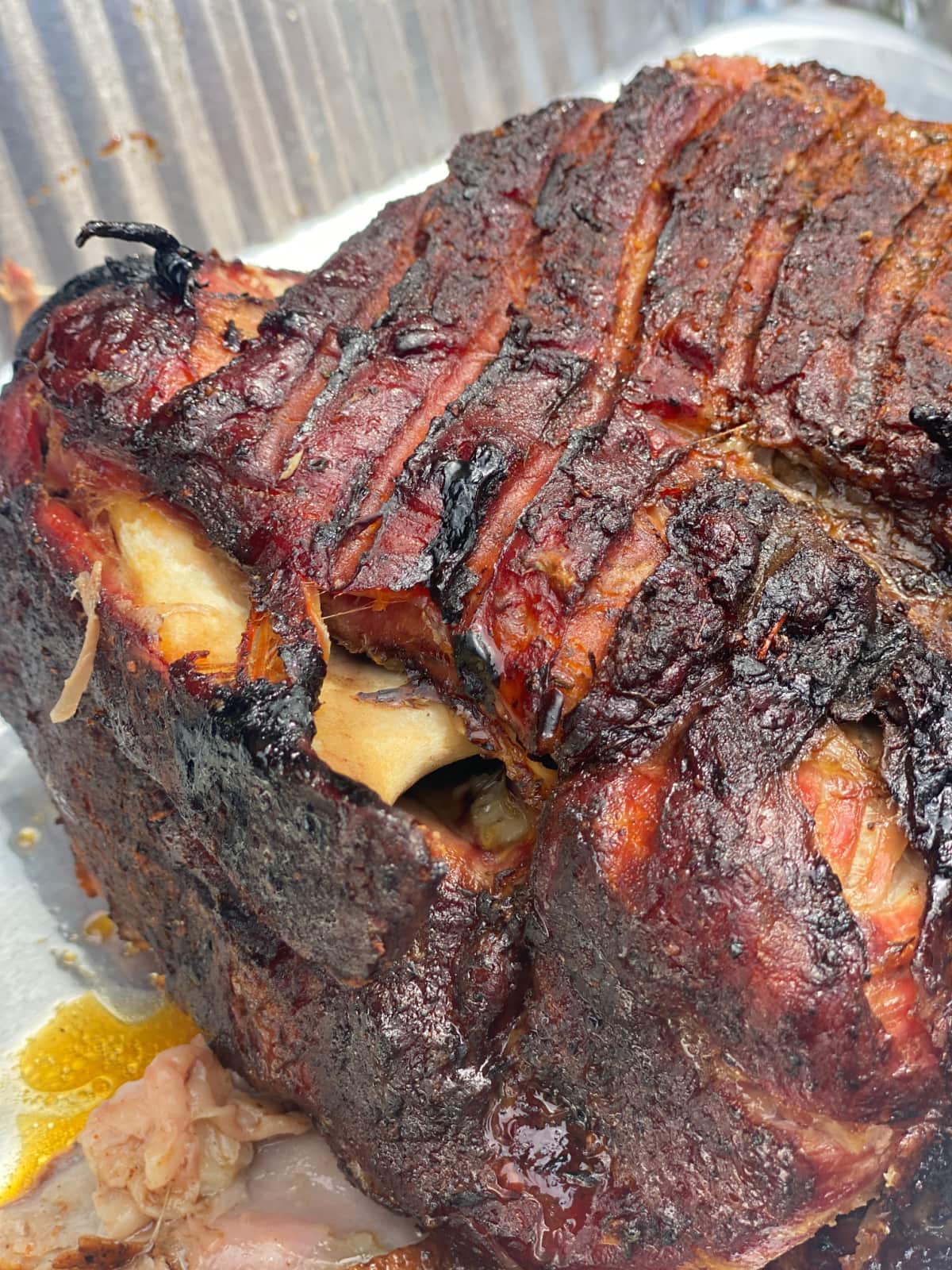
The magic happens within a specific temperature range. Too low, and the meat may not break down sufficiently, leading to a tough and chewy outcome. Too high, and you risk drying out the meat before the connective tissues have a chance to render properly. The goal is to reach a point where the muscle fibers are relaxed and the fat has rendered, basting the meat from within.
Understanding the Cut: Boston Butt vs. Pork Shoulder
It’s important to clarify what we mean by “Boston butt.” This term, along with “pork shoulder” or “pork butt,” typically refers to the upper portion of the pork shoulder. It contains both the Boston butt proper (the thicker, more muscular section) and the pork collar (a fattier, more marbled cut). This combination of muscle and fat is what makes it exceptionally forgiving and ideal for low-and-slow smoking. The fat cap, when oriented correctly during the cook, helps to self-baste the meat, preventing it from drying out. For this discussion, we will assume “Boston butt” refers to this entire upper shoulder section.
Optimal Internal Temperature for Boston Butt
The universally accepted target internal temperature for a perfectly smoked Boston butt is between 195°F and 205°F (90.5°C and 96°C). This range is not arbitrary; it’s the sweet spot where the connective tissues have maximally broken down, rendering the meat incredibly tender and shreddable.
The “Pull” or “Tender” Zone
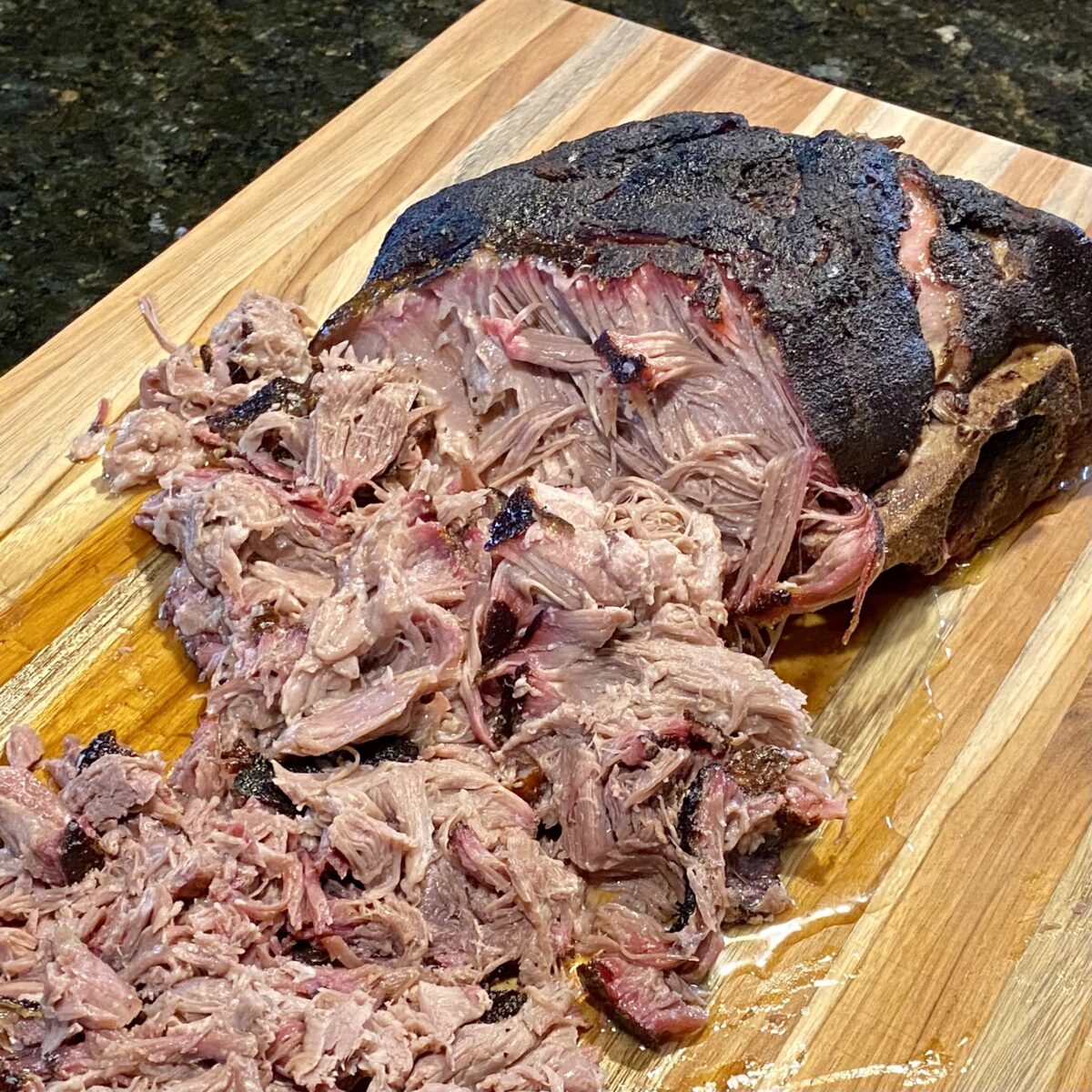
Within the 195°F to 205°F range, you’ll encounter what pitmasters often refer to as the “pull” or “tender” zone. At the lower end of this spectrum, around 195°F, the meat will be tender, but you might still feel some resistance when pulling it apart. As you approach 205°F, the collagen has fully rendered, and the meat will be exceptionally soft and easily pulled with forks.
Many pitmasters aim to hit the 203°F (95°C) mark as a benchmark, as this is often when the Boston butt reaches its peak tenderness. However, it’s crucial to understand that temperature is not the only indicator of doneness. The feel of the meat is equally, if not more, important.
Why Not Push Beyond 205°F?
While it’s tempting to continue cooking until the temperature climbs even higher, pushing much beyond 205°F can actually be detrimental. Once the internal temperature significantly exceeds this, the moisture within the meat begins to evaporate at an accelerated rate. This can lead to a dry and stringy finished product, even if the connective tissues have rendered. The goal is to reach peak tenderness without sacrificing moisture.
Factors Influencing Cooking Time and Temperature
While the target internal temperature remains consistent, the time it takes to reach that temperature can vary considerably. Several factors play a significant role:
Smoker Type and Temperature Stability
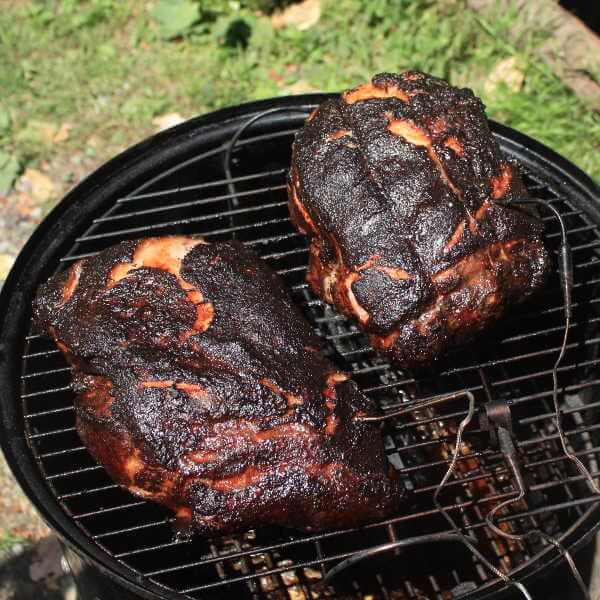
The type of smoker you use—whether it’s a Weber Smokey Mountain, a Big Green Egg, an offset smoker, or a pellet grill—will influence cooking times. More importantly, maintaining a stable pit temperature is crucial. Fluctuations in your smoker’s temperature can lead to inconsistent cooking and longer overall cook times. Aim to maintain your pit temperature between 225°F and 275°F (107°C and 135°C) for most Boston butt cooks. A common recommendation is to start at 225°F for maximum smoke penetration and then potentially increase the temperature slightly later in the cook if needed to push through a stall.
Size and Thickness of the Boston Butt
A larger or thicker Boston butt will naturally take longer to cook than a smaller, thinner one. A typical 8-10 pound Boston butt can take anywhere from 8 to 12 hours, or even longer, to reach the target internal temperature.
Ambient Temperature and Wind
Cooking outdoors, especially in colder or windier conditions, can affect your smoker’s ability to maintain a consistent temperature. Wind can cause heat to escape, requiring more fuel and potentially extending cook times. In colder weather, your smoker may struggle to stay within the desired temperature range.
The “Stall”
A common phenomenon in low-and-slow smoking is the “stall.” This occurs when the internal temperature of the meat plateaus for several hours, often between 150°F and 165°F (65.5°C and 74°C). This is due to evaporative cooling; as moisture escapes the surface of the meat, it cools the meat down. Resist the urge to crank up the heat during the stall. Patience is key. Wrapping the Boston butt in butcher paper or aluminum foil (the “Texas Crutch” method) can help push through the stall by trapping moisture and increasing the internal temperature more rapidly.
Techniques for Ensuring Optimal Doneness
Achieving that perfect internal temperature requires more than just setting your smoker and waiting. Employing a few key techniques will significantly improve your chances of success:
Accurate Temperature Monitoring
A reliable meat thermometer is your most valuable tool. Invest in a digital instant-read thermometer or a leave-in probe thermometer. Calibrate your thermometer regularly to ensure accuracy. Insert the probe into the thickest part of the Boston butt, avoiding any large pockets of fat or bone, as these can give misleading readings.
The Feel Test
While internal temperature is a critical guideline, the “feel test” is an indispensable skill for any pitmaster. Once your Boston butt approaches the 195°F mark, begin probing it in various locations. A perfectly cooked Boston butt should feel like it’s “pulling apart” with minimal resistance when you twist a fork or probe inserted into the meat. It should feel buttery soft, almost yielding. If you encounter significant resistance, it needs more time.
Resting is Crucial
Once your Boston butt reaches its target internal temperature, do not slice or pull it immediately. Resting the meat is a vital step that allows the juices to redistribute throughout the cut. Without resting, these precious juices will run out onto your cutting board, leaving you with drier meat. Wrap the Boston butt tightly in butcher paper or foil, place it in a cooler or warm oven (around 150°F), and let it rest for at least 30 minutes to an hour, or even longer for larger cuts. This resting period is crucial for maximizing moisture and flavor.
Conclusion: The Pursuit of the Perfect Boston Butt
Smoking a Boston butt is a culinary journey that rewards patience and attention to detail. While the target internal temperature of 195°F to 205°F (90.5°C to 96°C) is your primary guide, remember that it is a benchmark, not an absolute rule. The true measure of success lies in the tenderness and succulence of the finished product. By understanding the science behind low-and-slow cooking, monitoring your temperatures diligently, and employing techniques like the feel test and proper resting, you will consistently achieve barbecue perfection. So, fire up your smoker, select your favorite wood, and embark on the delicious endeavor of smoking the ultimate Boston butt, a true highlight of any backyard barbecue or culinary adventure in the heartland of barbecue.
LifeOutOfTheBox is a participant in the Amazon Services LLC Associates Program, an affiliate advertising program designed to provide a means for sites to earn advertising fees by advertising and linking to Amazon.com. Amazon, the Amazon logo, AmazonSupply, and the AmazonSupply logo are trademarks of Amazon.com, Inc. or its affiliates. As an Amazon Associate we earn affiliate commissions from qualifying purchases.