
Understanding the demographic fabric of a destination is often the first step in truly appreciating its character and planning a memorable visit. For travelers contemplating a journey to the heart of Big Sky Country, a fundamental question often arises: “What is the population of Missoula, Montana?” The answer to this seemingly simple query provides far more than a mere number; it offers profound insights into the city’s atmosphere, its amenities, its cultural scene, and the overall experience awaiting those who venture there. Missoula is not just a dot on the map; it’s a vibrant, growing community whose size directly shapes its identity as a unique travel destination. It strikes a balance that many seek: large enough to offer diverse experiences and resources, yet small enough to retain a distinct sense of community, easy accessibility to nature, and an unhurried pace that encourages exploration.

Missoula’s Demographic Landscape: A Snapshot for Travelers
To truly grasp what Missoula offers travelers, it’s essential to first establish its demographic baseline. The city’s population figures paint a picture of a dynamic urban center amidst breathtaking wilderness.
The Latest Figures and Their Context
As of recent estimates, the city of Missoula, Montana, boasts a population of approximately 75,000 to 80,000 residents within its city limits. When considering the broader Missoula County, this figure extends to over 120,000 people. These numbers position Missoula as one of the largest cities in Montana, yet it remains a mid-sized city by national standards. This “sweet spot” in population size is particularly significant for travelers. It suggests an infrastructure capable of supporting a wide array of services and attractions, from diverse dining options to well-maintained public parks and cultural institutions, without the overwhelming density and constant rush often associated with major metropolitan areas. For visitors, this translates into a destination where amenities are readily available, but the charm of a close-knit community is never lost. The relatively moderate population also impacts traffic, public transport, and the overall ease of navigating the city, making it a less stressful and more enjoyable experience for those on vacation.
Growth Trends and Their Implications for Visitors
Missoula has experienced steady growth over the past few decades, a trend that reflects its increasing appeal as a place to live, work, and visit. This growth isn’t just about more people; it signifies a flourishing economy, expanding job opportunities, and a continuous influx of new ideas and perspectives. For the traveler, this dynamic growth translates into several benefits. Firstly, it means a continually evolving culinary scene, with new restaurants, breweries, and cafes opening regularly, offering fresh and exciting flavors. Secondly, the retail landscape expands, providing more unique boutiques and local artisan shops alongside familiar brands. Thirdly, infrastructure improvements often accompany growth, from upgraded public spaces to enhanced visitor services. However, growth also implies a need for travelers to plan ahead, especially during peak seasons. While Missoula never feels overly crowded like some major tourist hubs, popular accommodations and attractions can book up, and reservations for sought-after dining experiences might be necessary. Understanding these growth trends helps travelers anticipate the vibrancy of the city while also preparing for a destination that is increasingly sought after.
The Essence of Missoula: How Population Shapes the Traveler’s Experience
The specific population of Missoula is perhaps the most defining characteristic influencing a traveler’s visit. It crafts an experience that balances urban amenities with an undeniable connection to the wild heart of Montana.
A City of Manageable Scale: Urban Comforts, Wilderness Proximity
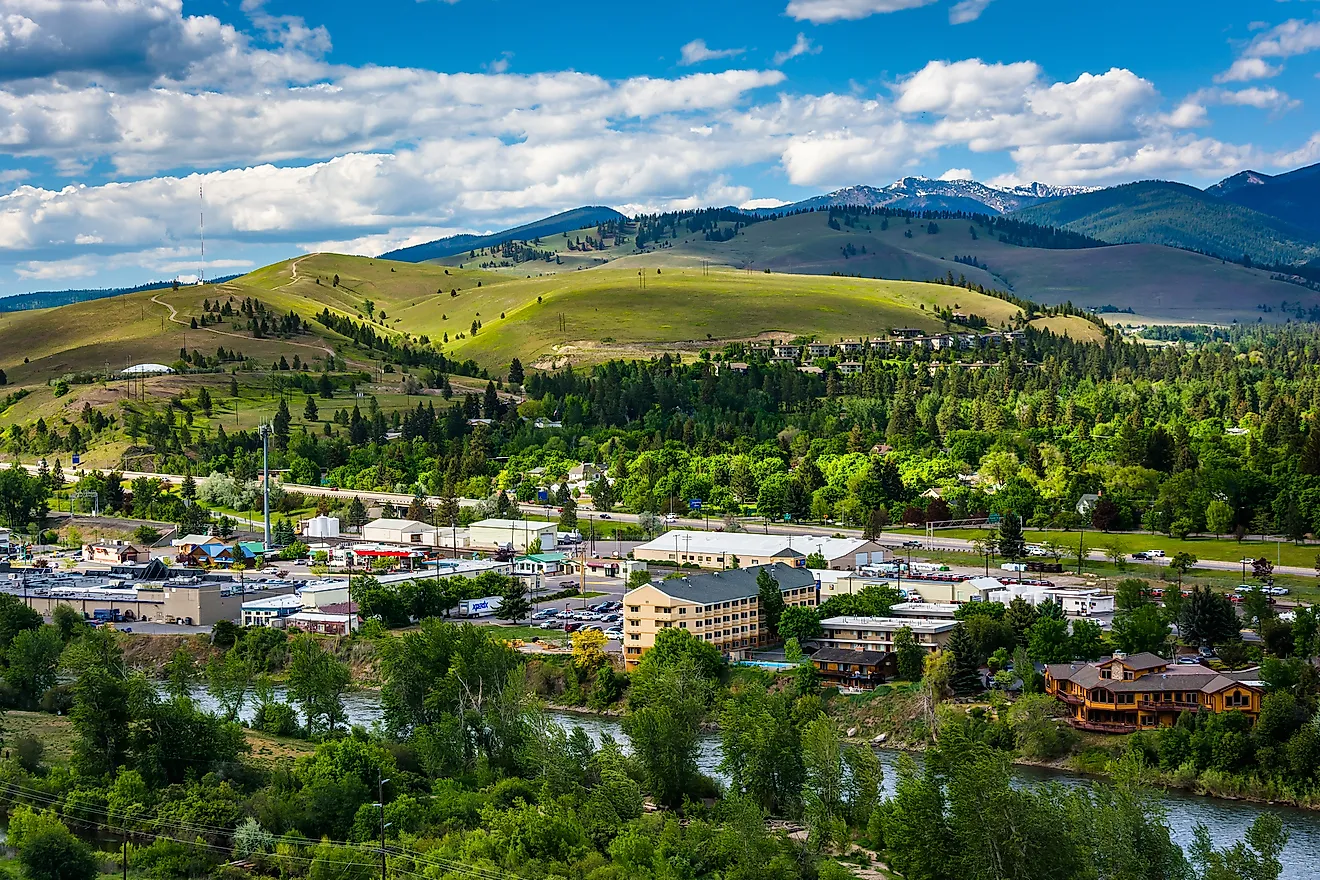
At its core, Missoula’s population size dictates its unique urban-wilderness dynamic. It’s a city large enough to boast a thriving downtown, a diverse job market, and a rich cultural scene, yet it’s intimately nestled among mountains and rivers. This manageable scale means that visitors can enjoy the comforts and conveniences of a city – gourmet coffee shops, art galleries, live music venues, and excellent dining – and within minutes, find themselves immersed in nature. The Clark Fork River flows directly through the city, offering immediate access to fishing, floating, and riverside trails. Iconic landmarks like Mount Sentinel, with its prominent “M” trail, are practically within walking distance from the city center, providing stunning panoramic views after a short, invigorating hike. This seamless transition from urban exploration to outdoor adventure is a hallmark of the Missoula experience, directly attributable to its size. Travelers don’t have to choose between a city break and a nature retreat; they can effortlessly combine both.
Community Vibe: Authenticity and Local Connection
One of the most appealing aspects of visiting a city of Missoula’s size is the strong sense of community and authenticity that pervades its atmosphere. With a population that allows for familiarity and local interaction, visitors often find themselves engaging with genuine Montanans who are proud of their home. This manifests in numerous ways: the friendly baristas at local coffee shops, the knowledgeable staff at outdoor gear stores, and the passionate vendors at the renowned Missoula Farmers’ Market. The community’s collective spirit is also evident in its support for local businesses, fostering a unique array of independent shops and eateries that offer products and experiences distinct from chain-dominated cities. Travelers looking to escape the generic tourist traps and truly connect with the local culture will find Missoula particularly welcoming. The city’s size ensures that while there’s always something new to discover, there’s also a consistent, inviting rhythm that makes visitors feel less like tourists and more like temporary residents, experiencing the true flavor of Western Montana life.
Navigating Missoula: Amenities and Infrastructure for Visitors
The population of Missoula is robust enough to support a comprehensive range of amenities and a well-developed infrastructure, ensuring a comfortable and convenient stay for all types of travelers.
Dining, Shopping, and Entertainment: The Best of a Mid-Sized City
Missoula’s population supports a surprisingly sophisticated and diverse array of dining, shopping, and entertainment options. Food enthusiasts can explore everything from farm-to-table restaurants showcasing local Montana ingredients to international cuisine, often found in charming, independently owned establishments. The craft beverage scene is particularly vibrant, with numerous microbreweries, distilleries, and wineries that reflect the state’s pioneering spirit. Shoppers will discover a blend of unique boutiques, outdoor outfitters, and local artisan shops, particularly concentrated in the historic downtown area, offering everything from handmade jewelry to specialized fishing gear. For entertainment, the city hosts a variety of venues for live music, theatrical performances, and art exhibitions, reflecting its cultural vibrancy. The Wilma Theatre, a beautifully restored historic venue, stands out as a prime example, regularly featuring national and international acts. This rich tapestry of amenities means travelers can enjoy an engaging and fulfilling urban experience without the common frustrations of larger cities, such as long waits or overwhelming choices.
Accommodation Options: From Boutique to Brands
Reflecting its status as a significant travel hub in Western Montana, Missoula’s population supports a broad spectrum of accommodation options. Travelers can choose from charming boutique hotels situated in historic buildings in the downtown core, offering personalized service and unique aesthetics, to well-known national hotel brands that provide consistent quality and amenities. For those seeking a more extended stay or a home-away-from-home feel, there are also various vacation rentals, from cozy cabins to spacious apartments. The presence of the University of Montana also contributes to a stable demand for lodging, ensuring a good range of options catering to different budgets and preferences. While the city’s growth means popular times of the year (like university events, summer festivals, or fall foliage season) can see higher occupancy, the overall selection is robust enough to accommodate most visitors. This diverse lodging landscape underscores Missoula’s capacity to welcome a wide array of travelers, from families on vacation to business professionals and adventure seekers.
Culture and Recreation: The Heartbeat of Missoula
The modest yet significant population of Missoula nurtures a dynamic cultural and recreational landscape, positioning it as a destination that perfectly blends intellectual curiosity with an insatiable appetite for the outdoors.
Artistic Flourish and Intellectual Hub: The University of Montana Influence
A considerable portion of Missoula’s unique cultural identity stems from the presence of the University of Montana. This institution, with its vibrant student body and esteemed faculty, acts as an intellectual and artistic engine for the city. Its population of students and academics contributes significantly to the city’s progressive outlook, diverse cultural events, and thriving arts scene. Visitors can often take advantage of public lectures, theatrical productions, art exhibitions at the Montana Museum of Art & Culture, and live music performances hosted by the university. The energy and youthful spirit infused by the university population enrich Missoula’s nightlife, coffee shop culture, and overall community engagement. For travelers interested in more than just scenic views, the intellectual pulse of Missoula offers opportunities for enrichment and connection with a dynamic, educated local populace.
Outdoor Playground: Leveraging Nature’s Grandeur
Perhaps the most celebrated aspect of Missoula as a travel destination, directly supported by its population’s values and its geographic positioning, is its unparalleled access to outdoor recreation. Despite being an urban center, Missoula functions as a gateway to some of Montana’s most iconic wilderness areas. The relatively small population density, compared to its vast natural surroundings, means that pristine hiking trails, blue-ribbon trout streams like the Bitterroot River and Blackfoot River, and expansive forests are just a stone’s throw away. This allows for an incredible range of activities, from fly-fishing and whitewater rafting to mountain biking and trail running, all easily accessible from the city. The local population’s passion for the outdoors is infectious, and visitors will find numerous outfitters, guides, and local experts eager to share their knowledge and facilitate adventures. The city’s population size is critical here; it’s large enough to provide the services needed for outdoor pursuits but small enough that the wilderness feels truly wild and unspoiled, not overrun.
Planning Your Missoula Getaway: What to Expect
Armed with an understanding of Missoula’s population and its implications, travelers can fine-tune their plans for an optimal experience.
Best Times to Visit and Managing Crowds
While Missoula’s population doesn’t lead to the kind of overwhelming crowds found in mega-cities, certain times of the year are more popular than others. Summer, with its warm weather and numerous festivals, naturally attracts more visitors. Fall brings stunning foliage and cooler temperatures, making it ideal for hiking. Spring offers a quieter experience before the peak season, while winter transforms the landscape into a snowy wonderland for skiing and other cold-weather sports. Knowing the city’s population growth trends, savvy travelers might consider visiting during shoulder seasons (late spring or early fall) to enjoy pleasant weather and fewer people, potentially leading to better deals on accommodations and more intimate experiences at attractions. Regardless of the season, a bit of advance planning for popular restaurants or specific tours is always a good idea.

Engaging with the Local Community
One of the most rewarding aspects of travel is connecting with the local community, and Missoula’s population size fosters an environment ripe for such interactions. Visitors are encouraged to explore the Missoula Farmers’ Market for local produce and artisan goods, attend a community event or festival, or simply strike up a conversation with a friendly local at a brewery or coffee shop. The people of Missoula are known for their welcoming nature and their deep appreciation for their unique home. By embracing these opportunities for connection, travelers can gain a richer, more authentic understanding of what makes Missoula, Montana, such a special place, far beyond its population figures alone.
LifeOutOfTheBox is a participant in the Amazon Services LLC Associates Program, an affiliate advertising program designed to provide a means for sites to earn advertising fees by advertising and linking to Amazon.com. Amazon, the Amazon logo, AmazonSupply, and the AmazonSupply logo are trademarks of Amazon.com, Inc. or its affiliates. As an Amazon Associate we earn affiliate commissions from qualifying purchases.