
Nevada, often synonymous with the glittering lights of Las Vegas and the vast, open landscapes of the American West, holds a unique allure for travelers and potential residents alike. Its reputation as a playground for entertainment, with iconic casinos and world-class shows, is well-earned. However, beyond the readily apparent attractions, there are crucial financial considerations that shape the experience of visiting or relocating to the Silver State. For many, a significant factor in their decision-making process is the presence or absence of a state income tax. This article delves into this specific aspect of Nevada’s fiscal landscape, exploring its implications for travelers, tourists, and those considering a longer stay.

Nevada’s Fiscal Framework: A Tax-Friendly Environment
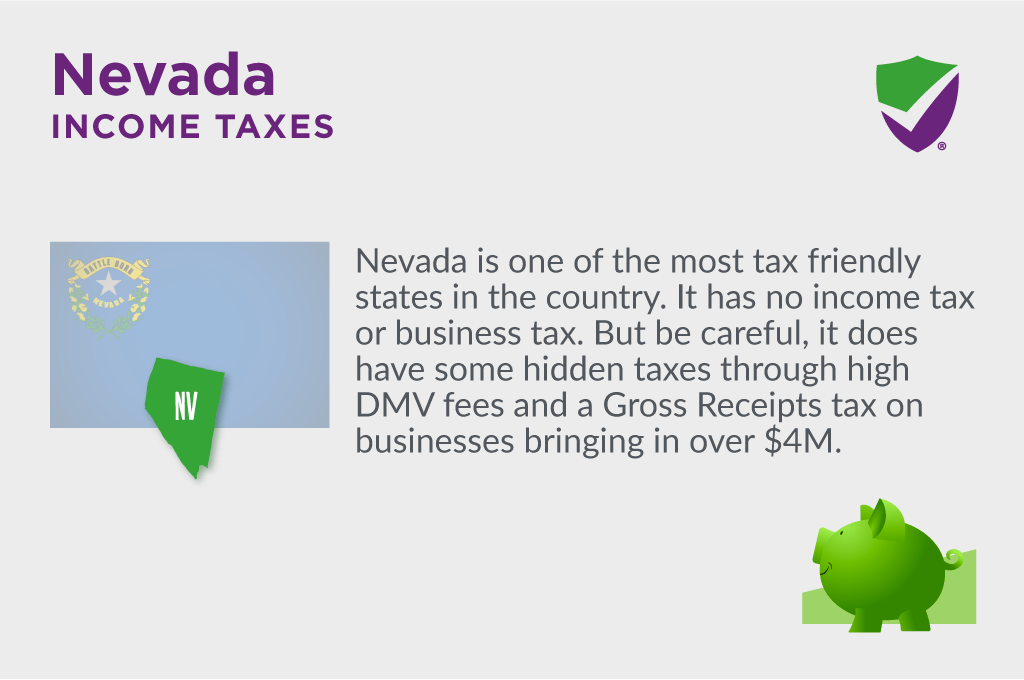
One of the most frequently cited advantages of living in or visiting Nevada is its absence of a state income tax. This has been a cornerstone of the state’s economic development strategy for decades, aiming to attract businesses and individuals by offering a more favorable financial environment compared to many other states. Understanding this tax structure is key to appreciating why Nevada has become a popular destination for both temporary enjoyment and permanent relocation.
The Allure of No State Income Tax
The primary draw for many is the direct financial benefit of not having a portion of their earnings siphoned off by the state government. This means that individuals keep a larger percentage of their income, which can significantly impact disposable income for travel, entertainment, or savings. For tourists, this can translate to more money available for gambling, dining, shopping, or experiencing the various attractions Nevada has to offer, from the vibrant Strip in Las Vegas to the serene beauty of Lake Tahoe.
How Nevada Funds Its Services
If there’s no state income tax, a natural question arises: how does Nevada fund its public services, infrastructure, and government operations? The answer lies in a robust reliance on other revenue streams, most notably sales taxes and taxes on specific industries, particularly gaming and tourism.
Sales Tax Revenue
Nevada has one of the highest statewide sales tax rates in the United States. This tax is applied to the purchase of goods and services, and it forms a significant portion of the state’s revenue. For visitors, this means that purchases, whether they are souvenirs, meals, or hotel stays, will be subject to this tax. While it’s a common revenue model, the rates in Nevada are notable and contribute substantially to the state’s coffers. Local governments also have the ability to add their own sales taxes, further increasing the overall rate in specific cities and counties.
Gaming and Tourism Taxes
The backbone of Nevada’s economy is undeniably its gaming and tourism industry. As such, these sectors are heavily taxed. Taxes on gross gaming revenue from casinos, licensing fees for gaming operations, and taxes on hotel room rates all contribute significantly to the state budget. This creates a symbiotic relationship: the state benefits financially from the success of its tourism industry, while the absence of income tax helps to fuel that very industry by making the state an attractive destination. For travelers, the taxes embedded in hotel bills and entertainment are part of the cost of experiencing the unique offerings of places like Reno or the resorts in Henderson.
Implications for Travelers and Tourists
The absence of a state income tax in Nevada has direct and indirect implications for those visiting the state. Understanding these can help in budgeting and maximizing the enjoyment of a trip.
Enhanced Disposable Income for Leisure

For vacationers, the lack of income tax means that the money they allocate for their trip is more fully available for enjoyment. This can translate into choosing a slightly more luxurious hotel suite at a place like the Bellagio Hotel & Casino, indulging in fine dining at renowned restaurants, or dedicating more funds to trying their luck at the gaming tables. The ability to retain more of one’s income is a powerful draw, making Nevada a particularly appealing destination for those looking to escape higher tax burdens elsewhere.
Understanding the True Cost of Your Stay
While income tax is absent, it’s crucial to remember that other taxes are very much present. Hotel stays, restaurant meals, and purchased goods are all subject to sales tax, and hotels also levy occupancy taxes. These taxes are often factored into the advertised price or added at the point of sale. Therefore, while you won’t see a deduction for state income tax on your vacation spending, the cumulative effect of sales and occupancy taxes can still add a significant percentage to your overall expenditure. It’s always prudent to factor these into your travel budget.
Business Travel and Deductions
For those traveling to Nevada for business, the absence of state income tax can simplify tax filings related to their trip. Expenses incurred for business purposes that might otherwise be subject to state income tax deductions in other jurisdictions are not subject to such deductions in Nevada. This can be a minor but appreciated benefit for frequent business travelers.
Considerations for Long-Term Stays and Residency
The tax structure of Nevada is not just a draw for tourists; it’s a significant factor for individuals considering establishing residency or engaging in longer-term stays, whether for leisure or work.
The Appeal of Residency
The primary driver for individuals seeking residency in Nevada is often the financial advantage of not paying state income tax. This applies to retirees, remote workers, and entrepreneurs alike. For many, the ability to keep 100% of their earned income is a compelling reason to establish a domicile in the state. This can lead to increased investment in local economies and a greater sense of community engagement from those who choose to make Nevada their permanent home.
Property Taxes and Other Fees
It’s important to note that while income tax is absent, Nevada does have property taxes. These vary by county and city and are based on the assessed value of real estate. For homeowners, this represents a significant recurring expense. Additionally, various other fees and taxes exist, such as vehicle registration fees and business license fees, which contribute to the state’s revenue. Therefore, a comprehensive understanding of all tax obligations is necessary when considering long-term residency.
Business Climate and Investment
Nevada’s business-friendly tax environment has also attracted a significant number of companies, particularly in sectors like technology, logistics, and manufacturing. The lack of corporate income tax, coupled with incentives for business development, has fostered a dynamic economic landscape. This, in turn, creates job opportunities and further fuels the state’s growth, making it an attractive location not only for individuals but also for businesses looking to expand or relocate.
Conclusion: A Calculated Financial Advantage
In conclusion, the answer to the question “Is there a state income tax in Nevada?” is a definitive no. This absence is a deliberate and impactful policy choice that significantly shapes the state’s appeal. For travelers and tourists, it translates to enhanced disposable income for leisure and entertainment, allowing for a richer experience of the state’s renowned attractions, from the casinos of Las Vegas to the natural beauty surrounding Reno. While other taxes, such as sales and occupancy taxes, are present and should be factored into budgets, the lack of income tax remains a key differentiator. For those considering longer-term stays or residency, the financial implications are even more profound, offering the potential for substantial savings and a more robust financial future. Nevada’s fiscal framework, with its emphasis on sales and industry-specific taxes, creates a unique environment that continues to draw a diverse range of individuals and businesses to its vibrant and diverse landscape.
LifeOutOfTheBox is a participant in the Amazon Services LLC Associates Program, an affiliate advertising program designed to provide a means for sites to earn advertising fees by advertising and linking to Amazon.com. Amazon, the Amazon logo, AmazonSupply, and the AmazonSupply logo are trademarks of Amazon.com, Inc. or its affiliates. As an Amazon Associate we earn affiliate commissions from qualifying purchases.