
Montana, often heralded as “Big Sky Country,” is a state renowned for its majestic landscapes, abundant wildlife, and rich natural heritage. While the towering peaks of the Rocky Mountains and the vast expanses of its prairies often steal the spotlight, the state’s avian inhabitants also contribute significantly to its ecological tapestry and cultural identity. Understanding the state bird offers a unique lens through which to appreciate Montana’s natural wonders and the conservation efforts that protect them.
The Majestic Western Meadowlark: A Symbol of the Big Sky
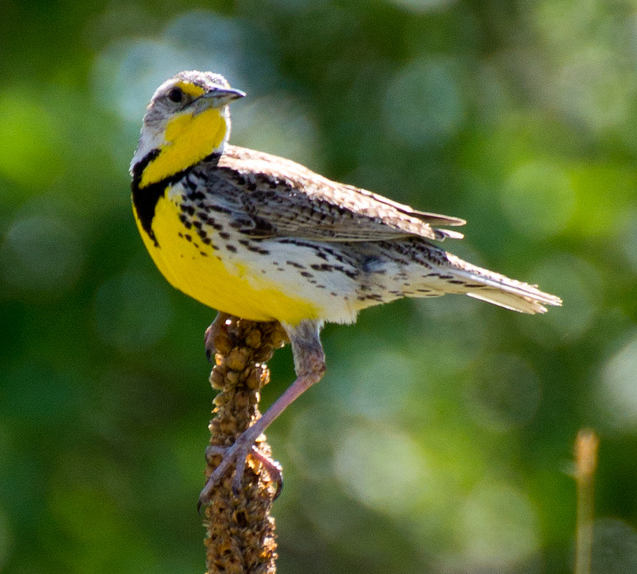
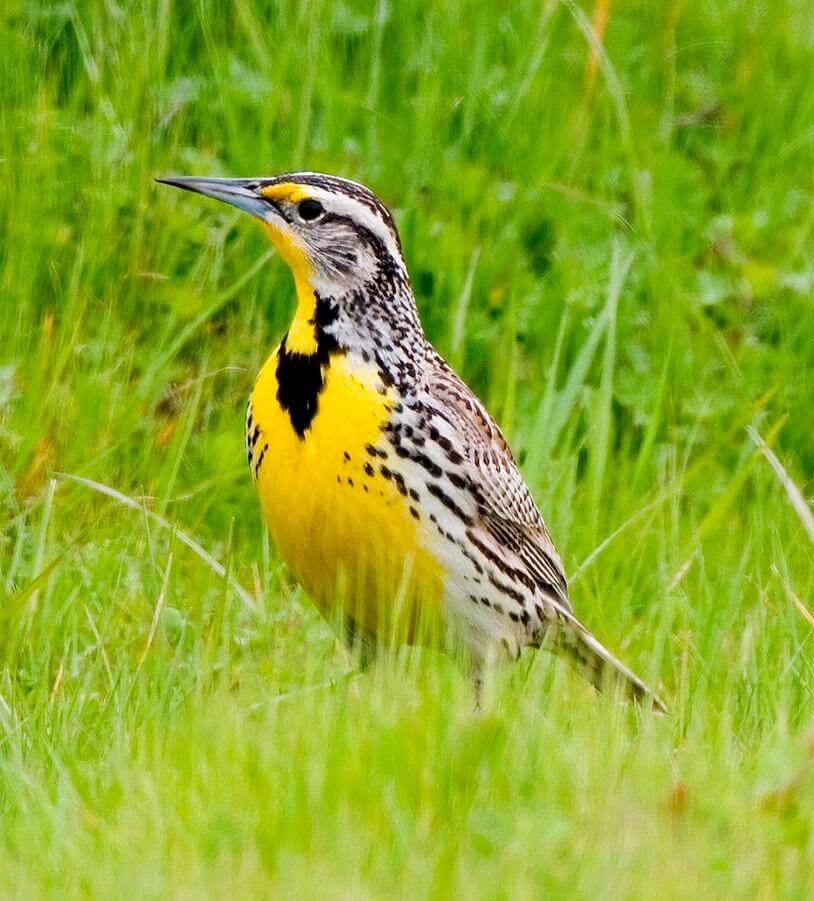
Montana’s official state bird is the Western Meadowlark (Sturnella neglecta). This charming songbird, with its distinctive yellow breast and black “V” marking, was officially designated as the state bird in 1931. Its presence is deeply intertwined with the rural character of Montana, often heard singing its melodious, flute-like song from fence posts and open fields across the state. The choice of the Western Meadowlark speaks volumes about Montana’s identity, symbolizing its open spaces, its agricultural roots, and the simple beauty of its natural environment.
Identification and Distinctive Features
The Western Meadowlark is a medium-sized passerine bird, measuring approximately 9 to 11 inches in length. Its most striking feature is its vibrant yellow breast, sharply contrasted by a prominent black “V” shaped band across its throat and upper chest. The back and wings are a mottled brown and black, providing excellent camouflage against the grassland and agricultural habitats it favors. Its legs are relatively long, adapted for walking and foraging on the ground. The bill is long and pointed, ideal for probing for insects and seeds. While males and females share similar plumage, males tend to be slightly larger and have a more intense yellow breast.
Habitat and Distribution
The Western Meadowlark is a widespread bird, found throughout much of western and central North America. In Montana, it is a common sight and sound in a variety of open country habitats. This includes prairies, grasslands, meadows, agricultural fields, pastures, and even open woodlands and suburban areas with sufficient open space. They are particularly prevalent in the eastern plains of Montana, but can also be found in suitable habitats in the western valleys and mountainous regions, especially at lower elevations. Their adaptability allows them to thrive in environments that have been shaped by both natural processes and human land use.
The Song of the Meadowlark
One of the most beloved characteristics of the Western Meadowlark is its song. It is a complex and beautiful series of clear, whistled notes, often described as rich, flute-like, and descending. Each male has a repertoire of several distinct songs, which they use to attract mates and defend their territories. The song is most frequently heard during the breeding season, from early spring through summer, filling the air with a quintessential sound of the American West. The distinctive vocalizations have made the Western Meadowlark a familiar and cherished part of the Montana soundscape, often evoking feelings of nostalgia and connection to the land.
Ecological Significance and Role in Montana’s Ecosystem
The Western Meadowlark is more than just a pretty bird with a lovely song; it plays a vital role in Montana’s diverse ecosystems. Its habits and diet contribute to the health and balance of the environments it inhabits, making it an important indicator species for the well-being of grasslands.
Diet and Foraging Habits

The diet of the Western Meadowlark is varied and changes seasonally. During the spring and summer, insects form a significant portion of their food intake. They are adept at foraging on the ground, using their sharp eyesight and long bills to find grasshoppers, crickets, beetles, ants, and other invertebrates. This insectivorous behavior is particularly beneficial in agricultural areas, where they can help control pest populations. As autumn and winter approach, their diet shifts to include more seeds and grains, making them omnivores. They can be found in fields, consuming seeds of grasses and weeds, which helps them survive the colder months.
Contribution to Biodiversity
As a common resident of open habitats, the Western Meadowlark contributes to the overall biodiversity of Montana. Its presence indicates healthy grasslands, which in turn support a wide array of other plant and animal life. By consuming insects, they are part of the food chain for larger predators, including raptors and mammals. Furthermore, their nesting habits often involve creating cup-shaped nests on the ground, concealed within dense grass. These nests, and the birds themselves, are part of the intricate web of life that characterizes the ecological richness of Montana’s natural landscapes, from the Glacier National Park to the Yellowstone National Park areas.
Indicator Species for Grassland Health
Due to their reliance on intact grassland ecosystems, Western Meadowlarks are considered an important indicator species. Declines in their populations can signal habitat degradation, such as overgrazing, invasive species, or conversion of grasslands for other uses. Conservation efforts aimed at protecting the Western Meadowlark therefore often translate into broader habitat preservation initiatives that benefit a multitude of other grassland-dependent species. Monitoring their numbers and distribution provides valuable insights into the health of Montana’s most extensive natural habitats.
Conservation Efforts and the Future of the Western Meadowlark in Montana
While the Western Meadowlark is currently not considered endangered, its populations, like many grassland birds, face ongoing challenges. Understanding these threats and the conservation efforts underway is crucial for ensuring this iconic species continues to grace the skies and fields of Montana for generations to come.
Threats to Western Meadowlark Populations
Several factors pose threats to Western Meadowlark populations. Habitat loss and degradation are primary concerns. The conversion of native grasslands to agricultural lands, urban development, and the spread of invasive plant species can reduce the availability of suitable nesting and foraging grounds. Intensive agricultural practices, such as frequent mowing and early harvesting, can destroy nests and young birds. Pesticide use in agricultural areas can also negatively impact meadowlark populations by reducing their insect food sources and through direct toxicity. Climate change, with its potential to alter weather patterns and habitat suitability, also presents a long-term challenge.
Conservation Initiatives and Best Practices
Numerous conservation organizations and government agencies are involved in efforts to protect grassland habitats and their avian inhabitants, including the Western Meadowlark. These initiatives often focus on promoting sustainable land management practices. For ranchers and farmers, this can include implementing rotational grazing, delaying mowing until after the breeding season, and maintaining hedgerows and other natural features that provide habitat. Land trusts and conservation groups work to acquire and protect critical grassland areas, ensuring they remain in a natural state. Research into the specific needs of the Western Meadowlark and other grassland birds helps inform these conservation strategies. Public awareness campaigns also play a role in fostering appreciation for these birds and the habitats they depend on, encouraging private landowners to adopt bird-friendly practices.
Appreciating Montana’s Avian Heritage
The Western Meadowlark serves as a potent reminder of Montana’s natural wealth. Its presence enriches the state’s identity, offering a connection to the wild and untamed beauty that defines “Big Sky Country.” As visitors and residents explore Montana, from the vibrant city of Billings to the remote wilderness areas, taking a moment to listen for the meadowlark’s song or catch a glimpse of its yellow breast can be a profoundly rewarding experience. By supporting conservation efforts and appreciating the ecological significance of this beloved bird, we help ensure that its song will continue to be an integral part of Montana’s natural symphony.
LifeOutOfTheBox is a participant in the Amazon Services LLC Associates Program, an affiliate advertising program designed to provide a means for sites to earn advertising fees by advertising and linking to Amazon.com. Amazon, the Amazon logo, AmazonSupply, and the AmazonSupply logo are trademarks of Amazon.com, Inc. or its affiliates. As an Amazon Associate we earn affiliate commissions from qualifying purchases.