
Florida, affectionately known as the Sunshine State, holds a unique allure for travelers seeking warmth, sun-drenched beaches, and vibrant experiences. However, the very aspect that makes it so appealing – its pervasive heat – often sparks questions among prospective visitors. Understanding Florida’s climate, specifically how hot it truly gets, is paramount for planning an enjoyable and comfortable trip. This comprehensive guide delves into the nuances of Florida’s temperatures, seasonal variations, regional differences, and offers practical advice to help you embrace its warmth and make the most of your travel adventures.
Florida’s Climate Profile: A Deep Dive into the Heat
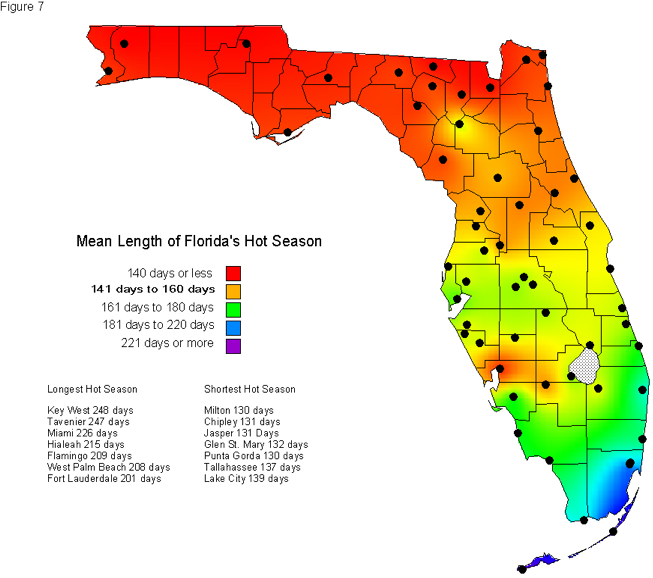
At its core, Florida’s climate is defined by its southerly latitude, flanked by the warm waters of the Atlantic Ocean to the east and the Gulf of Mexico to the west. This geographical positioning creates a predominantly subtropical environment for the majority of the state, transitioning to a truly tropical climate in its southernmost reaches.
Subtropical vs. Tropical Zones
The distinction between subtropical and tropical climates is crucial for understanding Florida’s heat. Most of Florida, from Orlando northward, experiences a subtropical climate. This means hot, humid summers and mild, relatively dry winters. While winter temperatures can occasionally dip, frost is rare, and snow is virtually unheard of. South Florida, roughly south of Palm Beach and extending through Miami to the Florida Keys, falls into the tropical category. Here, temperatures remain warm to hot year-round with no significant cool season, and rainfall is abundant. This tropical influence means that while the rest of the state might experience a slight respite in winter, South Florida generally maintains its warm embrace.
Humidity: The Unsung Hero of Florida’s Heat
When discussing “how hot” Florida is, it’s impossible to ignore humidity. High humidity levels are a signature characteristic of the Sunshine State, particularly during the summer months. Humidity makes the air feel significantly warmer than the actual temperature reading, a phenomenon known as the “real feel” or “heat index.” Even if the thermometer shows 90°F (32°C), high humidity can make it feel like 100°F (38°C) or more. This dense, moist air not only makes outdoor activities more strenuous but also means that sweat evaporates less efficiently, making it harder for the body to cool itself. Travelers should always consider both the temperature and the humidity when planning their days, as the combination dictates comfort levels and potential health risks.
Seasonal Heat: Navigating Florida’s Annual Temperature Cycle
While Florida is synonymous with warmth, the intensity and character of its heat fluctuate significantly throughout the year. Understanding these seasonal variations is key to choosing the best time for your visit.
Summer (June-August): Peak Heat and Humidity
Summer is undeniably Florida’s hottest and most humid season. Daily high temperatures typically range from the high 80s to low 90s Fahrenheit (30-34°C) across most of the state, with overnight lows rarely dropping below the mid-70s (24-26°C). Coupled with nearly constant high humidity, the heat index can frequently soar into the triple digits. Afternoon thunderstorms are a daily occurrence, often providing a brief, intense downpour that cools the air slightly before the sun returns. While the heat is intense, these months are popular for beach vacations and water-centric activities, especially for families enjoying school holidays.
Autumn (September-November): A Gradual Respite
As summer transitions to autumn, Florida begins to experience a gradual, albeit subtle, decrease in temperatures and humidity. September and early October can still feel very much like summer, with highs often in the high 80s (30-31°C). However, by late October and November, a noticeable shift occurs. Average daily highs settle into the low to mid-80s (27-29°C), and humidity levels decrease, making outdoor activities much more comfortable. This period also marks the tail end of hurricane season, which runs from June 1st to November 30th, so travelers should remain aware of weather forecasts.
Winter (December-February): The Mildest Season
Winter is Florida’s “cool” season, and for many, it’s the ideal time to visit. While northern states are buried under snow, Florida enjoys pleasant, mild weather. Average daytime temperatures range from the mid-60s to low 70s (18-23°C) in North Florida and the 70s to low 80s (21-27°C) in South Florida and the Keys. Humidity is significantly lower, making for crisp, comfortable days. While cold fronts can occasionally bring temperatures down, especially in North Florida, prolonged cold spells are rare. This season is peak time for theme parks, outdoor festivals, and snowbirds flocking south.
Spring (March-May): Warming Up for the Season
Spring in Florida offers some of the most delightful weather of the year. March and April see comfortable temperatures, typically in the 70s and low 80s (21-27°C) with relatively low humidity, making it an excellent time for outdoor exploration and beach visits. As May approaches, temperatures begin to climb, often reaching the high 80s (30-31°C), and humidity starts to increase, signaling the approach of summer. This period is popular for spring break travelers and those looking to enjoy the warmth before the intense summer heat sets in.
Regional Nuances: Heat Across the Sunshine State
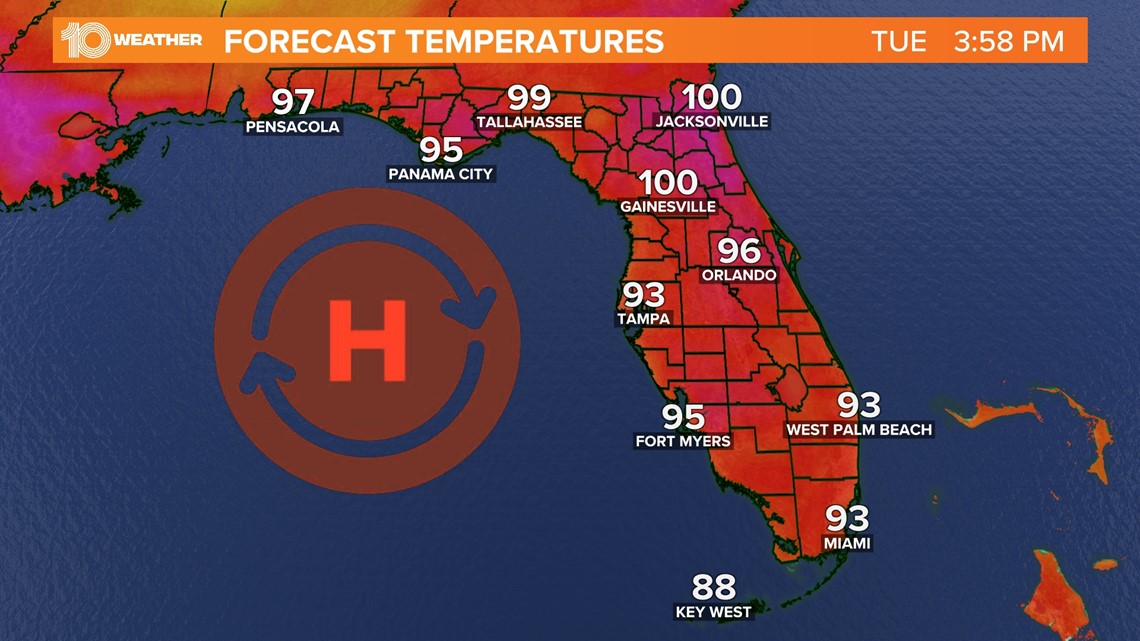
While general seasonal patterns apply statewide, the actual experience of heat can vary considerably from one region of Florida to another.
North Florida: More Defined Seasons
Cities like Jacksonville and Gainesville in North Florida experience a climate that leans closer to the humid subtropical conditions found in other Southern US states. Summers are hot and humid, similar to the rest of Florida, but winters are noticeably cooler. Occasional frosts are possible, and nighttime temperatures can drop into the 40s (4-9°C) more frequently. This region offers a more distinct four-season feel, albeit with mild winters, making its summer heat slightly less relentless than its southern counterparts, offset by cooler off-season periods.
Central Florida: Theme Park Territory Heat
The heart of Central Florida, home to major attractions like Walt Disney World and Universal Studios Florida in Orlando, endures significant heat, especially during the peak summer months. Days consistently reach the low 90s (32-34°C), and the combination of high humidity and the expansive paved surfaces of theme parks can make the “feels like” temperature exceptionally high. Evenings offer little relief, staying warm and muggy. Winter months, however, provide a welcome escape, with pleasant temperatures perfect for enjoying outdoor attractions without the oppressive heat. Cities like Tampa on the west coast share similar climate patterns but may benefit from sea breezes.
South Florida and the Keys: True Tropical Warmth
In South Florida, encompassing Miami, Fort Lauderdale, and extending down to the Florida Keys and Key West, the climate is distinctly tropical. This means hot weather is the norm year-round. Summers are intensely hot and humid, with average highs consistently in the high 80s to low 90s (31-34°C). The true difference lies in the winter, where temperatures rarely dip below the 70s (21-26°C), and frost is virtually nonexistent. This region experiences a distinct wet season (summer/fall) and dry season (winter/spring) rather than traditional temperate seasons. The consistent warmth makes it a perennial favorite for those seeking an endless summer. Even landmarks like Everglades National Park and Dry Tortugas National Park are warm to hot year-round, requiring careful planning for visits.
Embracing the Warmth: Essential Travel Tips for Florida
The heat in Florida is an inherent part of its charm and experience. Rather than fearing it, smart travelers learn to navigate and embrace it.
Hydration and Sun Protection
This is non-negotiable. Always carry a reusable water bottle and drink plenty of fluids, even if you don’t feel thirsty. Electrolyte-rich drinks can also be beneficial. Protect your skin from the intense sun by applying broad-spectrum sunscreen with a high SPF liberally and frequently. Wear a wide-brimmed hat and UV-protective sunglasses. Seek shade whenever possible, especially during the hottest parts of the day.
Strategic Planning: Timing Your Activities
To beat the heat, plan your outdoor activities for early mornings or late afternoons/evenings. For instance, visiting theme parks at opening, taking a midday break for lunch and indoor rides, and returning in the evening is a common and effective strategy. Similarly, beach time is most enjoyable before 11 AM or after 3 PM during summer. Utilize air-conditioned attractions, museums, and shopping malls during the peak heat.
Choosing the Right Attire
Lightweight, loose-fitting clothing made from breathable fabrics like cotton, linen, or moisture-wicking synthetics is ideal. Opt for light colors that reflect sunlight. Swimsuits are, of course, essential, and quick-drying fabrics will be your best friend. Comfortable, open-toed shoes or sandals are a must, but also bring a pair of closed-toe shoes if you plan extensive walking in theme parks, as hot pavement can be an issue.
Leveraging Indoor Attractions and Water Activities
Florida offers a wealth of air-conditioned indoor attractions, from world-class museums and aquariums to vibrant shopping centers. These provide excellent respite from the sun. Furthermore, embrace water activities! Whether it’s swimming in the ocean, a resort pool, exploring one of Florida’s many natural springs, or visiting a water park, getting into the water is the ultimate way to cool down and refresh.
Beyond the Thermometer: Experiencing Florida in All Its Warmth
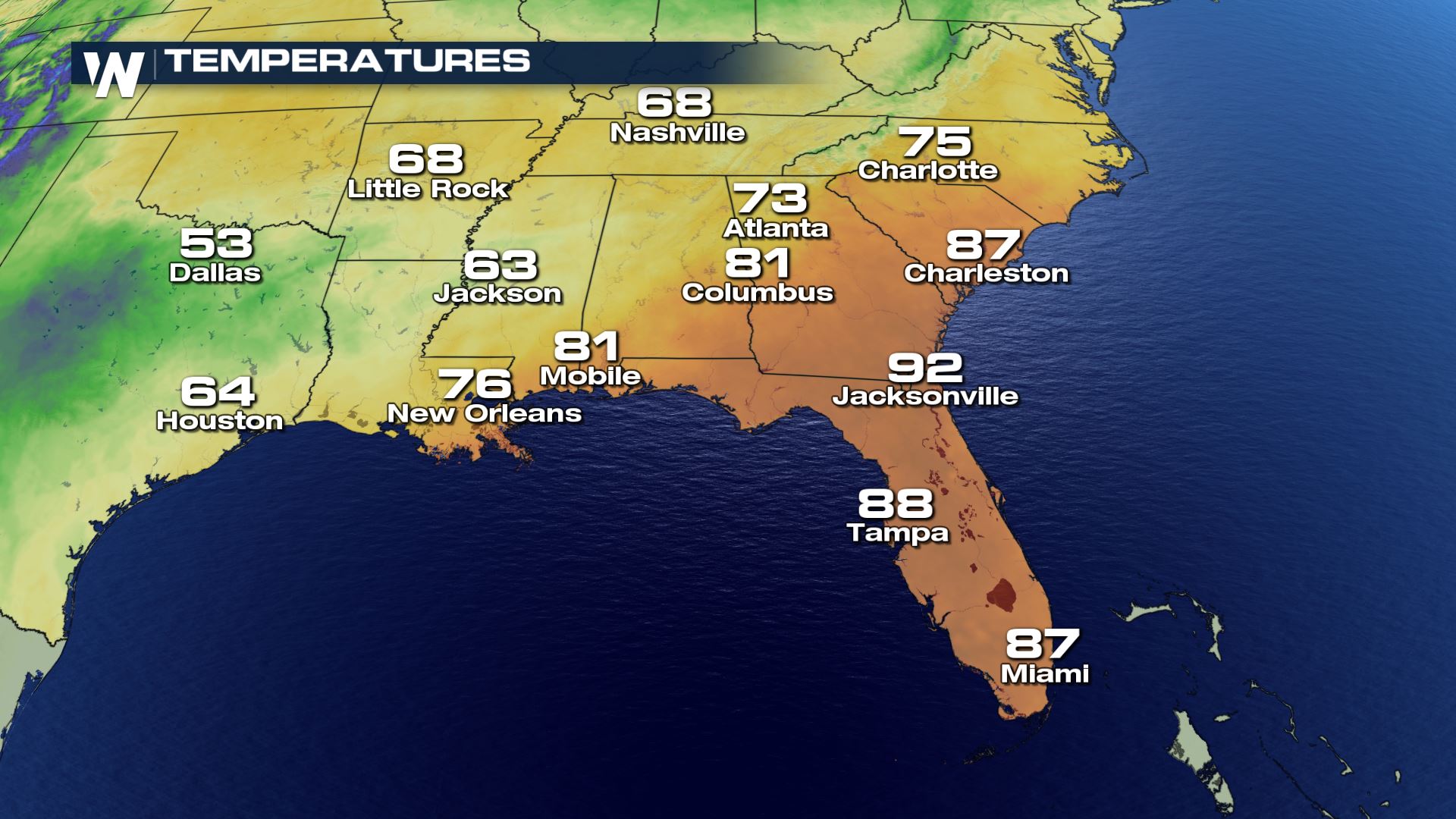
Ultimately, “how hot it is in Florida” is a question not just of degrees, but of experience. The state’s consistent warmth is what fuels its lush landscapes, draws its incredible wildlife, and dictates its relaxed, outdoor-centric lifestyle. From the balmy evenings perfect for dining al fresco in Miami to the sun-drenched days ideal for exploring the beaches of Clearwater or Siesta Key, the heat is an integral part of the Florida vacation. By understanding its characteristics and preparing accordingly, travelers can transform the challenge of the heat into an opportunity to enjoy everything the Sunshine State has to offer, making their trip memorable and comfortable, regardless of the season. So pack smart, plan wisely, and get ready to soak up the glorious Florida warmth.
LifeOutOfTheBox is a participant in the Amazon Services LLC Associates Program, an affiliate advertising program designed to provide a means for sites to earn advertising fees by advertising and linking to Amazon.com. Amazon, the Amazon logo, AmazonSupply, and the AmazonSupply logo are trademarks of Amazon.com, Inc. or its affiliates. As an Amazon Associate we earn affiliate commissions from qualifying purchases.