
Understanding the prevailing weather conditions is paramount for any traveler planning a visit to a new destination. For those considering the vibrant city of Billings Montana, knowing the typical temperatures throughout the year can significantly shape itinerary planning, packing choices, and the overall enjoyment of their trip. Billings, often referred to as “The Magic City,” experiences a diverse climate, characterized by distinct seasons that offer unique opportunities for exploration and adventure. From warm, sun-drenched summers to crisp, snow-kissed winters, the temperature in Billings Montana plays a crucial role in dictating the rhythm of daily life and the types of activities available.
Understanding Billings’ Climate: A Seasonal Overview
Billings Montana is situated in the high plains of southeastern Montana, a geographical location that contributes to its semi-arid climate. This means it experiences significant temperature fluctuations between seasons and even between day and night. The city enjoys a considerable amount of sunshine year-round, but this sunshine can bring both warmth and intense cold, depending on the time of year. Understanding these seasonal variations is key to experiencing the best of what Billings Montana has to offer.
Spring: A Gradual Thaw and Blooming Landscapes
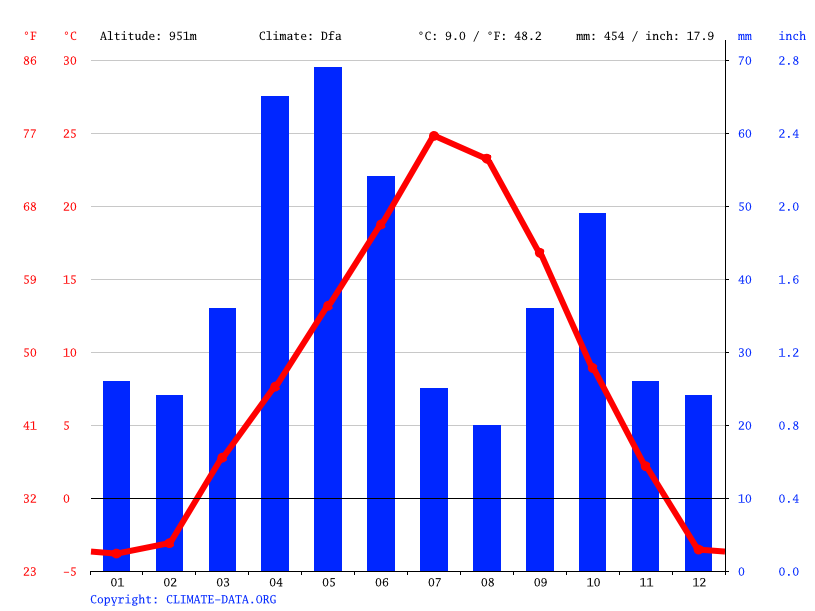
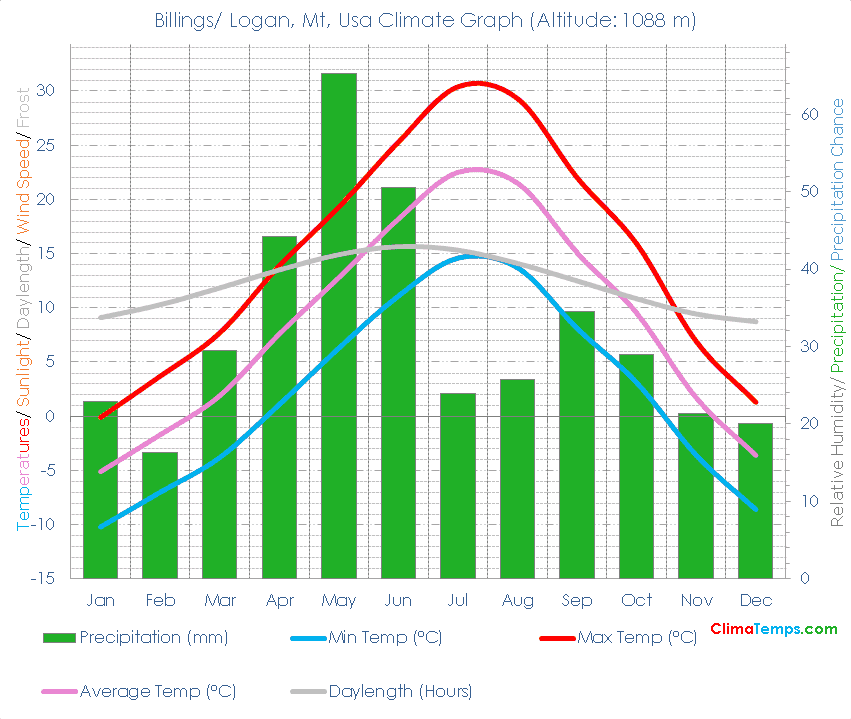
Spring in Billings Montana is a period of transition. While early spring, typically March and April, can still see winter-like conditions with lingering snow and chilly temperatures, the season gradually warms as May approaches. Average daily temperatures in March hover around the low 40s Fahrenheit (around 5°C), with nights often dipping below freezing. By April, temperatures begin to rise into the 50s Fahrenheit (around 10-15°C), and by May, they commonly reach the comfortable 60s Fahrenheit (around 15-20°C). The landscape awakens during this time, with wildflowers beginning to bloom, particularly in areas like the Pompeys Pillar National Monument and along the scenic drive through the Rimrocks. It’s a great time for outdoor enthusiasts to visit, though layering clothing is essential to adapt to the fluctuating temperatures. Rain showers are also common during spring, which helps to green the surroundings.
Summer: Warm Days and Pleasant Evenings
Summers in Billings Montana are generally warm and enjoyable, with July and August being the hottest months. Average daily temperatures during this period typically range from the mid-70s to the low 80s Fahrenheit (around 24-28°C), with daytime highs occasionally exceeding 90°F (32°C). Nights offer a welcome respite, cooling down to the comfortable 50s and 60s Fahrenheit (around 10-20°C). The long daylight hours are perfect for exploring the numerous attractions in and around the city. Visitors can take advantage of the warm weather to hike in the nearby Absaroka-Beartooth Wilderness, visit the Western Heritage Center, or enjoy outdoor dining in the downtown area. While heatwaves are possible, they are typically not prolonged, and the dry air makes the warmth feel less oppressive than in more humid climates.
Autumn: Crisp Air and Vibrant Foliage
Autumn in Billings Montana is a picturesque season, marked by crisp air and a stunning display of fall colors. September and October are generally mild, with average daily temperatures in the 50s and 60s Fahrenheit (around 10-20°C). As the season progresses into November, temperatures begin to drop, with averages falling into the 40s Fahrenheit (around 5°C) and below. The changing leaves create a breathtaking backdrop for activities like driving the scenic byways or visiting local orchards. The cooler temperatures are ideal for outdoor pursuits that might be too warm in the summer, such as exploring the trails around Pictograph Cave State Park or enjoying a round of golf. However, visitors should be prepared for potential early snowfalls, especially in late October and November, as the transition to winter can be swift.
Winter: Cold Temperatures and Snowfall
Winters in Billings Montana are typically cold and can be quite snowy. December, January, and February are the coldest months, with average daily temperatures often hovering in the 20s Fahrenheit (around -5°C) and frequently dipping into single digits or below zero Fahrenheit. Snowfall is common, creating a winter wonderland that is ideal for those who enjoy winter sports or simply the beauty of a snow-covered landscape. While daytime highs may sometimes reach into the 30s Fahrenheit (around 0°C), extended periods of sub-zero temperatures are not uncommon. Despite the cold, Billings Montana offers winter activities such as skiing at nearby resorts like Red Lodge Mountain, ice skating, and exploring the cozy downtown shops and restaurants. Warm clothing, including insulated coats, hats, gloves, and sturdy footwear, is essential for anyone visiting during these months.
Factors Influencing Billings’ Temperature
The temperature in Billings Montana is influenced by a confluence of geographical and meteorological factors. Its high-altitude plains location and proximity to mountain ranges play significant roles in shaping its climate. Understanding these influences can provide a deeper appreciation for the weather patterns experienced in the region.
Altitude and Topography
As a city situated at an elevation of approximately 3,117 feet (950 meters) above sea level, Billings Montana naturally experiences cooler temperatures than areas at lower elevations, especially during the summer months. The surrounding topography, including the prominent Rimrocks that encircle the city, also affects local weather patterns. The Rimrocks can create microclimates, influencing wind patterns and temperature variations within the city itself. Furthermore, the proximity to the Rocky Mountains to the west means that weather systems originating from the mountains can significantly impact Billings, bringing cooler air masses or contributing to precipitation.
Continental Climate and Air Masses
Billings Montana experiences a continental climate, characterized by large seasonal temperature variations. This is due to its inland location, far from the moderating influence of large bodies of water. The city is subject to the influence of various air masses. Arctic air masses from the north can bring frigid temperatures and snow during the winter, while warm, moist air masses from the Gulf of Mexico are less common but can contribute to warmer, more humid conditions during the summer. Dry air masses originating from the western deserts also play a role, contributing to the city’s generally low humidity levels year-round. This interplay of air masses leads to the dramatic shifts in temperature that characterize the climate of Billings Montana.
Preparing for Your Visit: Packing and Activities Based on Temperature
Knowing the expected temperatures for your travel dates is crucial for effective packing and for planning activities that align with the weather. Billings Montana offers a wealth of experiences throughout the year, but being prepared for the climate will ensure a more comfortable and enjoyable visit.
Seasonal Packing Essentials
Regardless of the season, it’s always wise to pack layers when visiting Billings Montana.
- Spring and Fall: Pack a mix of long-sleeved shirts, sweaters, a waterproof and windproof jacket, and comfortable walking shoes. Lighter layers for warmer days and heavier ones for cooler evenings or early mornings are recommended. Don’t forget an umbrella for potential spring showers or autumn drizzles.
- Summer: Lightweight, breathable clothing is key. Pack t-shirts, shorts, skirts, and sundresses. However, it’s also advisable to bring a light jacket or sweater for cooler evenings or air-conditioned interiors. Comfortable walking shoes are essential for exploring. Sunscreen, a hat, and sunglasses are a must due to the strong summer sun.
- Winter: Heavy, insulated clothing is paramount. This includes a warm, waterproof winter coat, thermal base layers, sweaters, waterproof pants, a warm hat that covers the ears, gloves or mittens, and insulated, waterproof boots. Scarves are also highly recommended.

Aligning Activities with Weather
The temperature in Billings Montana directly influences the best activities to pursue.
- Warm Months (Late Spring, Summer, Early Fall): These are ideal for outdoor adventures. Hiking in the Bighorn Canyon National Recreation Area, exploring the downtown area, visiting the ZooMontana, attending outdoor events like the Billings Brew Trail, or taking scenic drives are perfect during this time. The pleasant weather allows for full days of exploration.
- Cooler Months (Late Fall, Winter, Early Spring): While outdoor activities are still possible, the focus might shift. Indoor attractions such as the Yellowstone Art Museum, the Children’s Museum of Montana, or enjoying the culinary scene at local restaurants become more appealing. For the adventurous, winter sports near Red Lodge Mountain or exploring the frozen beauty of the landscape can be rewarding. Even a brisk walk through the city on a sunny winter day can be invigorating with the right attire.
By understanding the temperature trends and considering the specific weather forecasts closer to your travel dates, you can ensure that your visit to Billings Montana is a memorable and comfortable experience, no matter the season.
LifeOutOfTheBox is a participant in the Amazon Services LLC Associates Program, an affiliate advertising program designed to provide a means for sites to earn advertising fees by advertising and linking to Amazon.com. Amazon, the Amazon logo, AmazonSupply, and the AmazonSupply logo are trademarks of Amazon.com, Inc. or its affiliates. As an Amazon Associate we earn affiliate commissions from qualifying purchases.