
California, a state renowned for its stunning natural landscapes, iconic coastlines, and diverse ecosystems, is paradoxically also a region perpetually grappling with the destructive force of wildfires. These infernos, which have grown in frequency and intensity over recent decades, pose a significant threat not only to human lives and infrastructure but also to the state’s irreplaceable natural landmarks and biodiversity. Understanding the complex interplay of factors that ignite and spread these blazes is crucial for both mitigation efforts and for appreciating the delicate balance of California’s environment. The causes are multifaceted, a dangerous cocktail of natural phenomena, human activity, and the overarching influence of a changing climate. From persistent droughts and powerful winds to faulty power lines and accidental human ignitions, dissecting these elements reveals a comprehensive picture of why California finds itself at the forefront of the global wildfire crisis. This exploration delves into the primary drivers behind these devastating events, offering insights into their origins and the challenges they present to a state celebrated for its wild beauty.
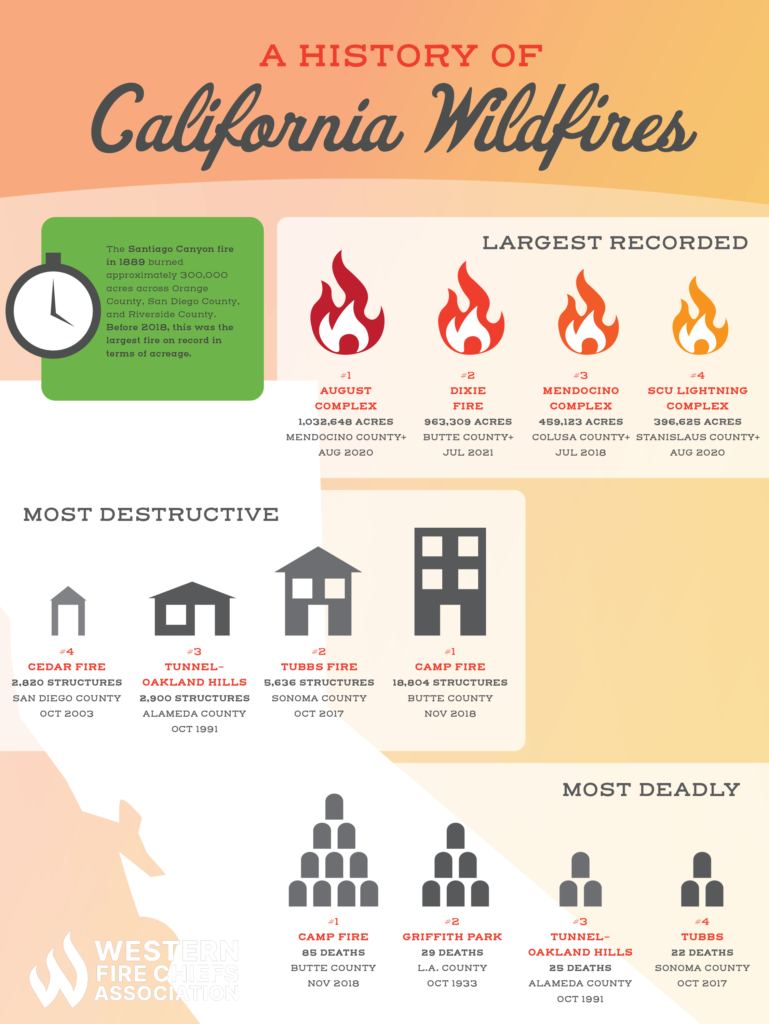
The California Wildfire Crisis: An Overview of a Recurring Challenge
The narrative of California is inextricably linked with fire. Historically, fire has been a natural, albeit destructive, component of many of California’s ecosystems, playing a role in forest regeneration and maintaining biodiversity. Indigenous communities, such as the Karuk and Yurok tribes, practiced controlled burns for millennia to manage landscapes and prevent larger, more destructive conflagrations. However, the modern era has seen a drastic shift, with wildfires becoming increasingly larger, more intense, and more frequent, challenging the state’s resources and resilience.
A Landscape Prone to Flames
California’s unique geography and Mediterranean climate create an inherent susceptibility to fire. The state features vast expanses of chaparral, dense forests, and grasslands, all of which become exceptionally dry during the long, hot summers and autumns. Many native plants, like certain species of manzanita and chamise, are highly flammable, and some even require fire for their seeds to germinate, a testament to fire’s natural role. The varied topography, from steep canyons to rolling hills, acts as a natural chimney, allowing fires to spread rapidly uphill with astounding speed, often creating their own weather systems and further complicating suppression efforts. This intrinsic flammability, combined with periods of prolonged aridity, sets the stage for a volatile environment where a single spark can quickly escalate into a catastrophic event.
The Escalating Threat to Natural Landmarks
The impact of these fires extends far beyond residential areas, profoundly altering California’s iconic natural landscapes and landmarks. Ancient groves of Giant Sequoias in Yosemite National Park and Sequoia National Park, vital habitats in the Santa Monica Mountains National Recreation Area, and the diverse ecosystems of Big Sur have all faced direct threats or suffered extensive damage from recent blazes. These natural treasures, revered for their beauty and ecological significance, are part of the state’s identity and global appeal. The destruction of old-growth forests, the loss of rare plant and animal species, and the erosion of topsoil following fires dramatically alter these environments, sometimes irreversibly. The recovery of these natural landmarks can take decades or even centuries, highlighting the immense long-term consequences of intensified fire seasons.
Natural Catalysts: When Nature Fuels the Flames
While human activity often triggers wildfires, nature itself provides critical conditions and occasional ignitions that contribute to California’s fire problem. These natural phenomena amplify the risk, turning manageable incidents into widespread disasters.
Persistent Drought and Arid Conditions
A primary natural contributor to California’s wildfire susceptibility is its Mediterranean climate, characterized by long, dry summers and often insufficient winter rainfall. Prolonged periods of drought, exacerbated by climate change, lead to exceptionally dry vegetation across the state. Trees and shrubs, starved of water, become highly combustible “fuel” for fires. The absence of moisture dries out the soil and plant matter, turning what would normally be green and resilient into brittle, tinder-like material that ignites easily and burns intensely. This desiccation effect creates a vast, interconnected fuel bed that enables fires to spread with frightening speed and intensity, making them incredibly difficult to control once started. The record-setting droughts experienced by California in recent years have dramatically increased the volume and flammability of this fuel, setting the stage for more destructive fire seasons.
The Foehn Winds: Santa Ana and Diablo
Another significant natural factor is the presence of powerful, dry downslope winds known as Foehn winds. In Southern California, these are famously known as the Santa Ana winds; in Northern California, similar strong, dry winds are called Diablo winds. These winds typically occur in the late summer and fall, originating from high-pressure systems over the inland deserts. As they descend from higher elevations, they heat up and lose moisture, arriving in coastal areas as hot, dry gusts that can reach hurricane force. When combined with extremely dry vegetation, these winds act like a bellows, rapidly fanning flames, pushing embers miles ahead of the fire front, and creating erratic fire behavior that overwhelms even the most advanced firefighting efforts. The Santa Ana and Diablo winds are notorious for turning small brush fires into fast-moving infernos, responsible for some of the state’s most devastating blazes.
Lightning Strikes: Nature’s Spark
While less common than human-caused ignitions, lightning strikes are a natural and often significant cause of wildfires, particularly in remote wilderness areas. During dry thunderstorms, lightning can strike vegetation, especially tall trees, igniting fires that can smolder undetected for days before erupting into a full-blown blaze. These “dry lightning” events are particularly problematic because they often occur in areas difficult for firefighters to access, allowing fires to grow substantially before suppression efforts can begin. A single lightning storm can spark dozens or even hundreds of fires simultaneously across a wide area, stretching firefighting resources to their limits. In many instances, the convergence of dry conditions, strong winds, and a series of lightning strikes creates a perfect storm for widespread conflagrations, highlighting nature’s own capacity to ignite devastation.
Human Footprint: Igniting Unforeseen Disasters
Despite the powerful natural factors at play, a vast majority of California wildfires are directly attributable to human activity. These ignitions, often accidental, underscore the critical role human behavior and infrastructure play in exacerbating the state’s fire crisis.
Power Line Infrastructure Failures
One of the most significant and increasingly scrutinized human-caused factors is the failure of aging electrical infrastructure. High winds, particularly the Santa Ana and Diablo winds, can cause power lines to break or sag, allowing them to make contact with dry vegetation or other infrastructure, creating sparks. Failing equipment, such as transformers or utility poles, can also serve as ignition sources. Utility companies, most notably Pacific Gas & Electric (PG&E) and Southern California Edison, have faced immense scrutiny and billions of dollars in liabilities for fires linked to their equipment. The challenge lies in maintaining vast networks of power lines spanning diverse, often remote, and fire-prone terrain. Efforts to mitigate this risk include undergrounding power lines, enhanced vegetation management around utility corridors, and implementing Public Safety Power Shutoffs (PSPS) during high-wind events, though these measures come with their own set of challenges and public inconveniences.
Accidental Ignitions: Sparks from Everyday Life
Beyond power lines, a wide array of everyday human activities inadvertently spark wildfires. These accidental ignitions account for a substantial number of fires each year. Common culprits include discarded cigarettes, sparks from vehicle exhausts or catalytic converters, poorly maintained campfires, agricultural equipment operation (e.g., grinding or welding near dry grass), backyard debris burning gone awry, and even fireworks. A moment of carelessness or a lack of awareness regarding fire danger can have devastating consequences in a landscape primed to burn. The increasing population density in wildland-urban interface (WUI) areas further heightens this risk, as more people are living, working, and recreating in fire-prone regions, increasing the statistical probability of an accidental ignition. Public awareness campaigns and stricter regulations on activities during high fire danger periods are crucial for reducing this category of fires.
Arson: Deliberate Destruction
While less frequent than accidental ignitions, arson—the deliberate setting of fires—remains a persistent and particularly insidious cause of wildfires. Motives for arson can vary widely, from malicious intent and vandalism to mental health issues or even attempts to cover up other crimes. Arson-caused fires are especially challenging to fight and prevent because they are intentionally set, often in strategic locations to maximize damage or hinder suppression. Investigations into arson cases are complex and time-consuming, requiring extensive forensic work. The devastating impact of arson underscores the need for constant vigilance, robust law enforcement, and community efforts to report suspicious activities, as deliberate acts of fire setting pose a severe threat to both natural landscapes and human communities.
The Role of Climate Change: A Macro-Factor
Underpinning many of the aforementioned causes, and undeniably amplifying their impact, is the pervasive influence of climate change. Global warming is not just contributing to California’s wildfire crisis; it is fundamentally reshaping it, creating a “new normal” of longer, more intense, and more frequent fire seasons.
Lengthening Fire Seasons
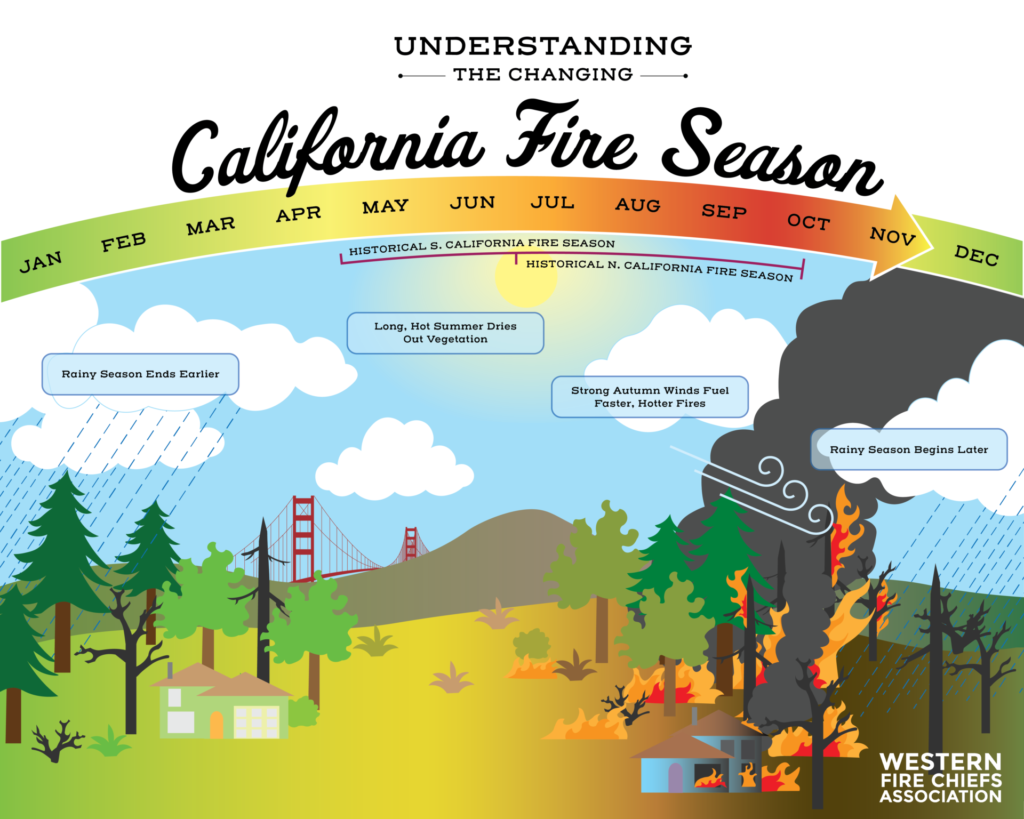
One of the most significant effects of climate change is the prolongation of California’s fire season. Historically, the fire season was concentrated in the late summer and fall. However, rising global temperatures have led to earlier snowmelt, higher average temperatures throughout the year, and later arrival of seasonal rains. This extends the period when vegetation is dry and susceptible to ignition, essentially turning fire season into a year-round threat in many parts of the state. This extended window of vulnerability places immense strain on firefighting resources, necessitating longer deployments and higher operational costs, while also increasing the likelihood of catastrophic fires occurring outside the traditional “peak” months.
Exacerbated Drought and Heatwaves
Climate change also directly contributes to more severe and frequent droughts, further drying out California’s vegetation and creating ideal conditions for fire. Warmer temperatures cause more rapid evaporation of moisture from soils and plants, intensifying aridity. Concurrent with drought, the state experiences more frequent and prolonged heatwaves, which not only directly increase the flammability of fuels but also create conditions where fires, once started, can grow and spread with unprecedented speed and intensity. The combination of parched landscapes and extreme heat transforms even small sparks into roaring infernos, making suppression exceptionally challenging. The feedback loop is clear: climate change drives hotter and drier conditions, which in turn fuels more extreme wildfires, further impacting ecosystems and exacerbating global warming through carbon emissions from the fires themselves.
Mitigation and Future Outlook: Protecting California’s Landmarks
Addressing California’s wildfire crisis requires a multi-faceted approach, integrating proactive forest management, infrastructure improvements, public education, and adaptation strategies in the face of a changing climate. The goal is not merely to fight fires but to foster a more resilient landscape and community that can coexist with fire.
Forest Management and Fuel Reduction
A critical component of mitigation involves active forest and land management. Decades of fire suppression, while protecting communities, have allowed an unnatural accumulation of dense undergrowth and dead vegetation, turning many forests into tinderboxes. Reintroducing controlled burns (prescribed fires) can safely reduce fuel loads, mimicking natural fire cycles and preventing larger, more destructive fires. Mechanical thinning, where excess vegetation is removed, also plays a vital role. These strategies aim to create defensible spaces around communities and improve the overall health and fire resistance of forests, thereby protecting both human habitations and invaluable natural landmarks from the most severe impacts of future blazes.
Infrastructure Upgrades and Public Awareness
Upgrading aging infrastructure, particularly electrical grids, is paramount. Utility companies are investing billions in strengthening power lines, installing fire-resistant poles, undergrounding cables in high-risk areas, and deploying advanced monitoring technology to detect potential ignition sources. Alongside these technological advancements, public education remains crucial. Campaigns promoting fire-safe practices, emphasizing careful campfire management, responsible equipment use, and proper disposal of flammable materials, can significantly reduce accidental ignitions. Encouraging homeowners in fire-prone areas to create “defensible space” around their properties and use fire-resistant building materials also reduces community vulnerability.

Adapting to a Fiery Future
Ultimately, California must adapt to a future where wildfires are an enduring reality. This involves long-term planning that incorporates climate change projections into land use decisions, urban planning, and emergency response strategies. Investing in cutting-edge firefighting technology, enhancing inter-agency cooperation, and developing early warning systems are all part of this adaptation. By understanding the complex web of natural and human-caused factors, and by implementing comprehensive mitigation and adaptation strategies, California can strive to protect its people, its infrastructure, and its cherished natural landmarks from the escalating threat of wildfires, preserving its unique beauty for generations to come.
LifeOutOfTheBox is a participant in the Amazon Services LLC Associates Program, an affiliate advertising program designed to provide a means for sites to earn advertising fees by advertising and linking to Amazon.com. Amazon, the Amazon logo, AmazonSupply, and the AmazonSupply logo are trademarks of Amazon.com, Inc. or its affiliates. As an Amazon Associate we earn affiliate commissions from qualifying purchases.