
The question, “Does Nebraska get tornadoes?” might arise for travelers planning a visit to the Cornhusker State, particularly during the spring and early summer months. While not as universally associated with severe weather as some other Plains states, Nebraska is, in fact, a state that experiences a significant number of tornadoes. Understanding the likelihood, timing, and preparedness for tornadoes is crucial for anyone considering travel to Nebraska, ensuring a safe and enjoyable experience. This guide delves into Nebraska’s tornado activity, offering insights for the discerning traveler.
Nebraska’s Tornado Alley Presence
Nebraska’s geographical location places it firmly within what is commonly referred to as “Tornado Alley,” a region of the central United States that experiences frequent and often violent tornadoes. While the exact boundaries of Tornado Alley are fluid and debated, the central Plains, including Nebraska, are undoubtedly a hotspot for these powerful storms.

Understanding Tornado Climatology in Nebraska
The peak tornado season in Nebraska typically spans from April through June. During these months, the atmospheric conditions are often ripe for severe weather development. Warm, moist air from the Gulf of Mexico collides with cooler, drier air from the Rocky Mountains and Canada, creating atmospheric instability. When these air masses meet, and are further influenced by jet stream dynamics, the stage is set for powerful thunderstorms, some of which can spawn tornadoes.
May is often the most active month for tornadoes in Nebraska. However, it’s important to note that tornadoes can occur outside of this peak season, including in the autumn months, though with less frequency. The intensity of tornadoes is measured on the Enhanced Fujita (EF) Scale, ranging from EF0 (weakest) to EF5 (strongest). Nebraska experiences a range of tornado intensities, with EF0 and EF1 tornadoes being the most common, but EF2, EF3, and occasionally stronger storms capable of significant damage have been recorded.
Historical Tornado Activity and Notable Events
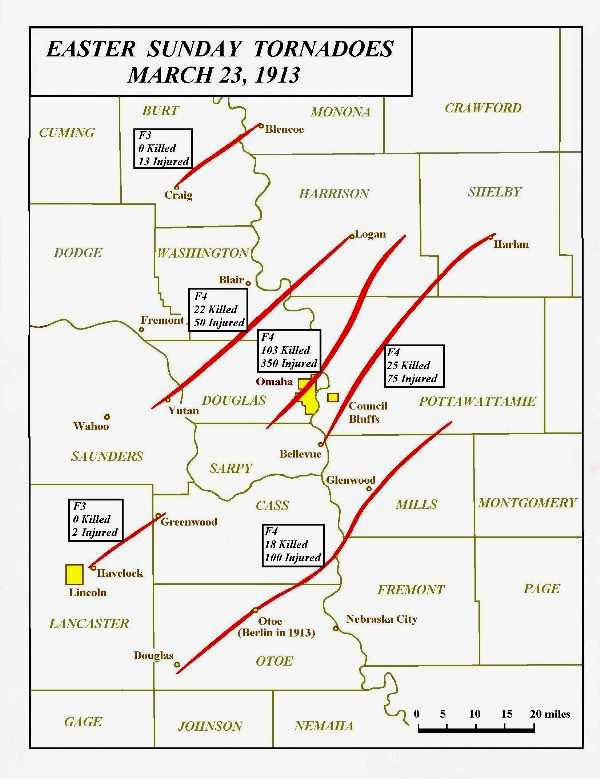
Nebraska has a history of significant tornado events that have impacted communities and shaped the state’s understanding of severe weather. While pinpointing every notable tornado is beyond the scope of this guide, recognizing that these events have occurred is important. For instance, the city of Omaha has experienced devastating tornadoes in its history, such as the Omaha Tornado of 1975, which caused widespread destruction and loss of life. More recently, central Nebraska has also seen severe tornado outbreaks.
Understanding this historical context is not about instilling fear but about fostering preparedness and respect for the power of nature. For travelers, it underscores the importance of being aware of weather forecasts and seeking reliable information when in the state during tornado season. The National Weather Service plays a critical role in issuing watches and warnings for severe weather across Nebraska.
Planning Your Nebraska Adventure with Tornado Awareness
For any traveler, including those interested in exploring the unique attractions of Nebraska, understanding tornado preparedness is a vital component of a safe trip. The state offers a wealth of experiences, from exploring the vast landscapes to experiencing its rich cultural heritage, and being informed about weather patterns enhances, rather than detracts from, the enjoyment.
Weather Preparedness for Travelers

When planning a trip to Nebraska, especially between April and June, it’s prudent to stay informed about weather forecasts. Many lodging establishments, whether they are hotels in Lincoln or resorts near Scotts Bluff National Monument, will have established protocols for severe weather. Travelers should familiarize themselves with these procedures upon arrival.
Key preparedness tips for travelers include:
- Monitor Weather Forecasts: Regularly check reliable weather sources, such as the National Weather Service website or local news channels, for severe weather watches and warnings.
- Understand Warning Systems: Be aware of how tornado watches and warnings are communicated. A tornado watch means conditions are favorable for tornadoes to develop, while a tornado warning means a tornado has been sighted or indicated by radar and is an immediate threat.
- Identify Shelter Locations: If you are staying in a hotel or rental property, ask about the designated safe rooms or basement areas. In a rental car or while exploring, be aware of sturdy buildings you can seek shelter in.
- Have a Communication Plan: Ensure your mobile phone is charged and that you have a plan to communicate with travel companions if separated.
- Know Your Route: If driving, be aware of your surroundings and have alternative routes planned in case roads are blocked by debris or flooding.
Nebraska’s Tourist Seasons and Tornado Overlap
Nebraska’s tourism draws visitors throughout the year, but the peak seasons often overlap with the prime tornado months. Spring is a beautiful time to visit, with wildflowers blooming and outdoor activities becoming more accessible. This is also the heart of tornado season. Summer offers warm weather ideal for exploring attractions like Chimney Rock National Historic Site or enjoying outdoor festivals. While tornado activity generally decreases in late summer, it can still occur.
Understanding this overlap is not meant to discourage travel, but rather to encourage informed travel planning. By being aware of the potential for severe weather and taking appropriate precautions, visitors can confidently explore the diverse offerings of Nebraska, from the rugged beauty of the Sandhills to the vibrant cultural scene in Omaha. Many popular attractions, such as the Strategic Air Command & Aerospace Museum, are well-equipped to handle severe weather events, often providing on-site shelter or guidance to visitors.
Experiencing Nebraska Safely: Beyond the Storms
While tornado awareness is an important aspect of visiting Nebraska, it’s crucial to remember that the state offers countless opportunities for enriching travel experiences. The focus on weather preparedness is a practical measure to ensure that the wonders of Nebraska can be enjoyed to their fullest, without undue risk.
Nebraska’s Diverse Attractions and Activities
Nebraska’s appeal lies in its varied landscapes and rich history. For nature enthusiasts, the Great Plains Nature Center in Wichita offers insights into the region’s flora and fauna. Outdoor adventurers can explore the hiking trails in Chadron State Park or the scenic beauty of the Niobrara River Valley.
History buffs will find much to discover, from the pioneer history at Scotts Bluff National Monument to the Durham Museum in Omaha, which chronicles the region’s past. The state’s agricultural heritage is celebrated through various festivals and roadside attractions. Whether you’re interested in the quirky roadside attractions or the sophisticated dining and entertainment options in Omaha or Lincoln, Nebraska offers a unique slice of American life.
Embracing the Cornhusker State with Confidence
By acknowledging and preparing for the possibility of tornadoes, travelers can approach their Nebraska adventure with confidence. The state’s residents are accustomed to severe weather and have developed a culture of preparedness. When you visit, you’ll find communities that are resilient and welcoming.
The key takeaway is that Nebraska does indeed get tornadoes, and understanding this fact is part of responsible travel planning for the region. By staying informed, being prepared, and respecting the power of nature, visitors can safely and fully immerse themselves in the charm and beauty of the Cornhusker State, creating lasting memories of their journey through Nebraska. From the vast prairies to the bustling cities, Nebraska awaits exploration, and with a little preparedness, your visit can be both extraordinary and secure.
LifeOutOfTheBox is a participant in the Amazon Services LLC Associates Program, an affiliate advertising program designed to provide a means for sites to earn advertising fees by advertising and linking to Amazon.com. Amazon, the Amazon logo, AmazonSupply, and the AmazonSupply logo are trademarks of Amazon.com, Inc. or its affiliates. As an Amazon Associate we earn affiliate commissions from qualifying purchases.