
The question of snowfall in Omaha, Nebraska is more than just a meteorological curiosity; it’s a vital piece of information for anyone planning a visit, considering an outdoor activity, or simply seeking to understand the unique character of this Midwestern city. Omaha’s climate is characterized by distinct seasons, and its winter weather, particularly snowfall, plays a significant role in shaping the city’s landscape, its annual events, and the daily lives of its residents. Understanding the patterns and quantities of snow that fall on Omaha provides valuable context for appreciating the city’s resilience and its ability to offer a diverse range of experiences throughout the year, even when winter asserts its presence.
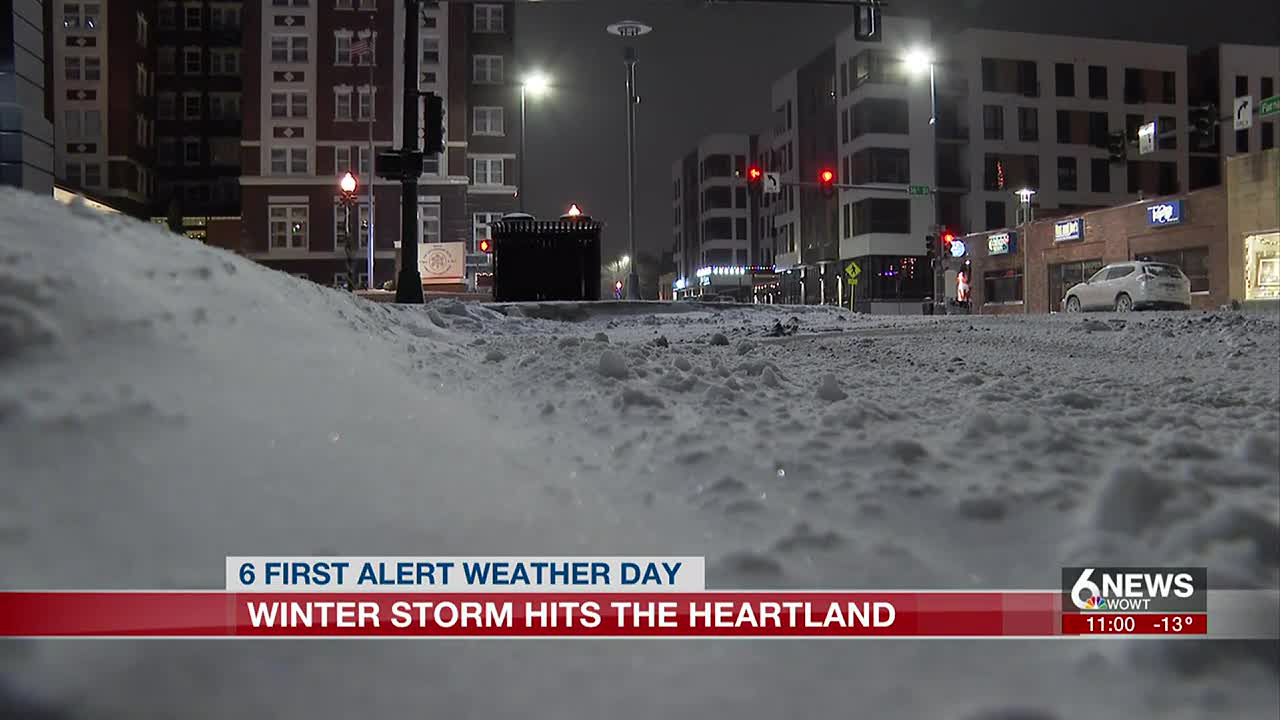
Winter’s Embrace: Understanding Omaha’s Snowfall Patterns
Omaha’s location in the Great Plains means it is susceptible to a variety of winter weather phenomena. The amount of snow received can vary dramatically from year to year, influenced by the complex interplay of atmospheric conditions, including polar air masses and moisture from the Gulf of Mexico. This variability is a key characteristic of Omaha’s winter climate, making it essential to look beyond simple averages and consider the range of possibilities when discussing snowfall.
Average Snowfall in Omaha
On average, Omaha receives approximately 30-35 inches of snow per year. This figure, however, is a broad generalization. Some winters are mild with minimal accumulation, while others can be significantly more severe, testing the city’s infrastructure and the resolve of its inhabitants. The distribution of this snowfall is also important; it rarely arrives in a single, continuous blanket but rather in a series of individual storm events throughout the winter months, typically from November through March, with the peak often occurring in January and February.
Factors Influencing Snowfall Amounts
Several meteorological factors contribute to the amount of snow Omaha receives. Proximity to storm tracks originating in the Rocky Mountains and the potential for clashing air masses from the north (cold, dry air) and the south (warm, moist air) create ideal conditions for winter storms. The specific track of a storm system is crucial. A storm that tracks just to the south of Omaha can bring significant snow, while one tracking to the north might result in less accumulation or even a wintry mix. The temperature at which precipitation falls is also critical; anything above freezing will result in rain or a mix, while temperatures consistently below freezing are necessary for accumulating snow.
Historical Snowfall: Notable Winter Events in Omaha
While the average provides a baseline, it’s the exceptional snow events that often define a winter in Omaha. These historical occurrences offer a glimpse into the city’s capacity to handle challenging weather and have left a lasting impression on the memories of residents.
Record-Breaking Snowstorms
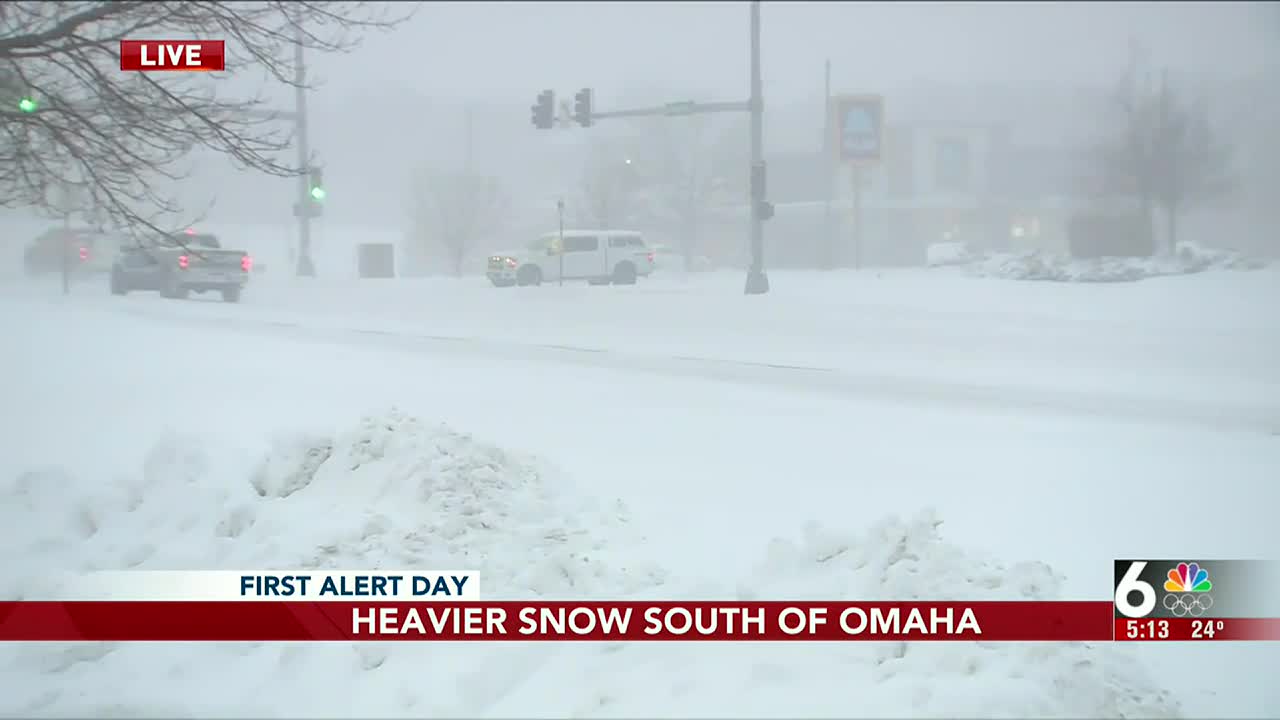
Omaha has experienced its share of record-breaking snowstorms. These events, often characterized by heavy, sustained snowfall rates and significant accumulation over a short period, can disrupt daily life profoundly. Such storms can lead to school closures, travel disruptions, and a city-wide effort to clear roads and sidewalks. Remembering these events helps to contextualize the potential impact of severe winter weather on the region. For instance, a blizzard that blankets the city in over a foot of snow can transform the urban landscape into a serene, albeit challenging, winter wonderland.
Impact of Snowfall on City Life and Infrastructure
The impact of snowfall on Omaha extends beyond mere inches on a measuring stick. Significant snow accumulation can strain the city’s resources. Public works departments are crucial during these times, deploying snowplows and salt trucks to maintain essential transportation routes. Businesses may experience altered operating hours, and residents often find themselves adapting their routines to navigate snowy streets and sidewalks. For tourists, understanding these potential disruptions is key to planning a seamless visit during the winter months. It can also present unique opportunities for winter activities, transforming familiar parks and recreational areas into winter playgrounds.
Experiencing Omaha in Winter: Tips for Visitors
For travelers considering a visit to Omaha during the winter months, understanding the potential for snow is paramount. While it might deter some, embracing the possibility of a snowy landscape can lead to a truly memorable experience, offering a different perspective on the city’s charm and its cultural offerings.
Preparing for Winter Weather
The most important aspect of visiting Omaha in winter is preparedness. This means packing appropriate clothing: warm, waterproof outer layers, insulated boots, gloves, and a hat are essential. Checking weather forecasts regularly before and during your trip is advisable. If traveling by car, ensure it is equipped for winter driving, with good tires and a full tank of gas. Be prepared for potential delays or changes in travel plans due to weather conditions.
Winter Activities and Attractions
Despite the potential for snow, Omaha offers a range of activities that can be enjoyed during the winter. The city’s vibrant cultural scene provides ample indoor options. Museums like the Joslyn Art Museum and the The Durham Museum offer warm refuge and engaging exhibits. The Omaha’s Henry Doorly Zoo and Aquarium is a world-renowned attraction that provides fascinating indoor exhibits, perfect for a snowy day. For those who enjoy the outdoors, bundling up for a walk in one of Omaha’s many parks, such as Gene Leahy Mall, can be a picturesque experience, especially with a fresh dusting of snow. If snowfall is significant, local parks can transform into impromptu sledding hills, offering a classic winter pastime. The city’s culinary scene also shines in winter, with cozy restaurants and cafes offering warm beverages and hearty meals.

Accommodation Considerations
When booking accommodation in Omaha during winter, it’s wise to consider proximity to major routes and attractions, especially if you are traveling without a car. Many hotels in the downtown area offer convenient access to restaurants, entertainment, and cultural venues, minimizing the need to navigate snowy streets. Checking the amenities offered by hotels, such as indoor pools or fitness centers, can provide added comfort during colder days. Options range from boutique hotels to larger chains, ensuring there’s something to suit every traveler’s preference and budget. Booking in advance is always recommended, particularly if a significant snow event is forecast, as it can impact travel and accommodation availability.
LifeOutOfTheBox is a participant in the Amazon Services LLC Associates Program, an affiliate advertising program designed to provide a means for sites to earn advertising fees by advertising and linking to Amazon.com. Amazon, the Amazon logo, AmazonSupply, and the AmazonSupply logo are trademarks of Amazon.com, Inc. or its affiliates. As an Amazon Associate we earn affiliate commissions from qualifying purchases.