
Navigating the vast and vibrant landscape of New York City is an adventure in itself, and understanding the intricacies of its public transportation system is paramount to unlocking the full potential of your visit. The “New York Metro,” more formally known as the Metropolitan Transportation Authority (MTA) subway, is the lifeblood of this metropolis, offering an unparalleled way to explore its diverse neighborhoods, iconic landmarks, and hidden gems. However, the question of “how much is New York Metro?” extends beyond the simple fare price. It encompasses an understanding of the various ticketing options, their cost-effectiveness for different travel needs, and how this crucial element of New York tourism can be optimized for an enriching and budget-conscious experience.
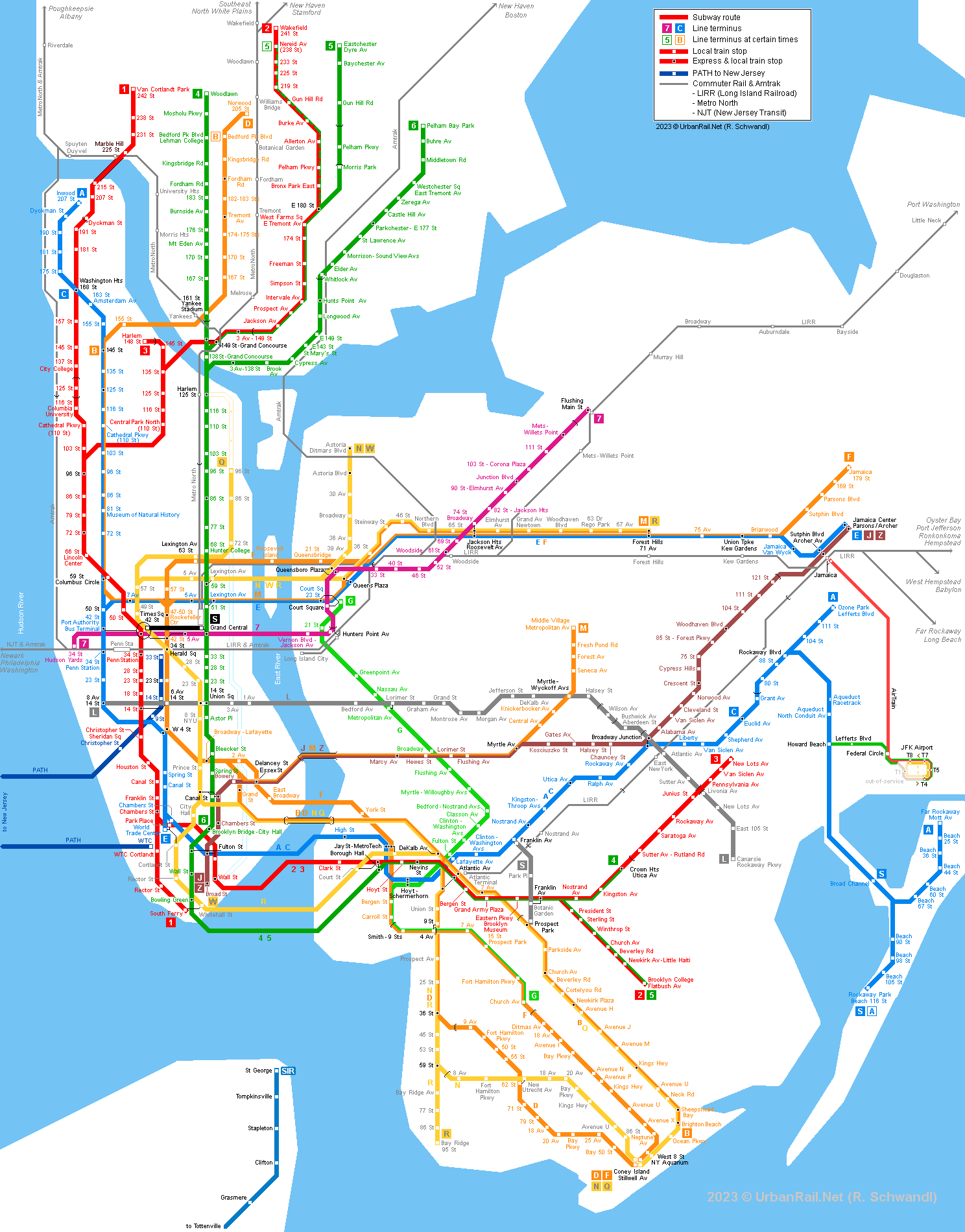
This guide delves into the financial aspects of using the MTA subway, providing insights into fare structures, available passes, and strategic tips to make your journeys as economical as they are enjoyable. Whether you’re a first-time visitor planning to hit the highlights like Times Square and the Empire State Building, or a seasoned traveler looking to delve deeper into the boroughs, mastering the metro fare will significantly enhance your New York experience.
Understanding the Basic Fare Structure and Payment Methods
The fundamental unit of cost for New York subway travel is the single ride. As of the latest updates, a single subway ride typically costs a set amount. This fare grants you unlimited transfers between subway lines within the system and also allows for free transfers between buses and subways within a two-hour window. Understanding this basic fare is the first step in budgeting for your transportation needs.
The OMNY System: A Modern Approach to Fare Payment
The MTA has been steadily implementing a new contactless fare payment system called OMNY. This system allows riders to tap their contactless credit or debit card, smartphone with a mobile wallet enabled, or a contactless OMNY card directly on the fare gate reader. This eliminates the need for physical MetroCards for many commuters and tourists. The beauty of OMNY lies in its fare capping feature. If you use the same payment method to tap in, your fares will be capped at the equivalent of a 7-day unlimited ride pass after a certain number of rides within a Monday-to-Sunday week. This is a significant benefit for visitors planning to use the subway extensively.
The Classic MetroCard: Still an Option
While OMNY is the future, the traditional MetroCard is still available for purchase at vending machines located in most subway stations. These machines accept cash and credit cards. You can purchase pay-per-ride MetroCards, which can be refilled, or unlimited ride MetroCards. For travelers who prefer to use a dedicated transit card or who may not have a contactless payment method, the MetroCard remains a reliable option. The cost of a new MetroCard itself also has a nominal fee upon purchase, which is separate from the fare value.
Exploring Unlimited Ride Options for Value and Convenience
For visitors planning to explore New York City extensively, the most cost-effective solution is often an unlimited ride pass. These passes allow for unlimited travel on the subway and local buses for a specified period, providing excellent value if you intend to hop between different attractions or neighborhoods multiple times a day.
The 7-Day Unlimited Ride MetroCard/OMNY Cap
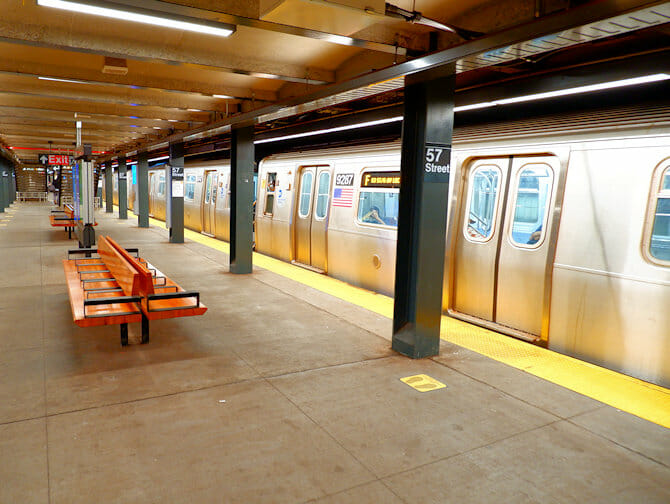
The 7-Day Unlimited Ride pass is a popular choice for tourists. For a fixed price, you can ride the subway and local buses as many times as you wish for seven consecutive days. This pass is particularly beneficial if you plan on visiting numerous attractions spread across Manhattan, Brooklyn, Queens, or The Bronx. The OMNY system automatically applies this fare cap, meaning that after you’ve paid for 12 rides within a Monday-to-Sunday week using the same contactless payment method, any subsequent rides within that week are free. This makes it incredibly convenient, as you don’t need to actively purchase a pass; it happens automatically.
Other Unlimited Ride Options (Less Common for Tourists)
While the 7-day unlimited ride is the most common for visitors, the MTA also offers a 30-Day Unlimited Ride pass. This is generally more suited for extended stays or for residents. For the average tourist, the cost-benefit analysis usually favors the 7-day option, especially considering the automatic fare capping with OMNY.
Strategic Tips for Maximizing Your Metro Budget
Understanding the fare structure is only half the battle; savvy planning can lead to significant savings and a smoother travel experience. Here are some tips to help you make the most of your New York subway budget.
Leveraging OMNY Fare Capping
As mentioned, the OMNY fare cap is your best friend for unlimited travel. Ensure you use the same contactless payment method for all your rides within a single week (Monday through Sunday). This includes using the same physical credit/debit card or the same device for mobile payments. If you have multiple people traveling with you, each person will need their own payment method to benefit from the cap. This feature effectively transforms your pay-as-you-go rides into an unlimited pass once you reach the threshold, offering maximum flexibility without the upfront commitment of purchasing a weekly pass if your travel patterns are irregular.
Planning Your Itinerary to Minimize Travel
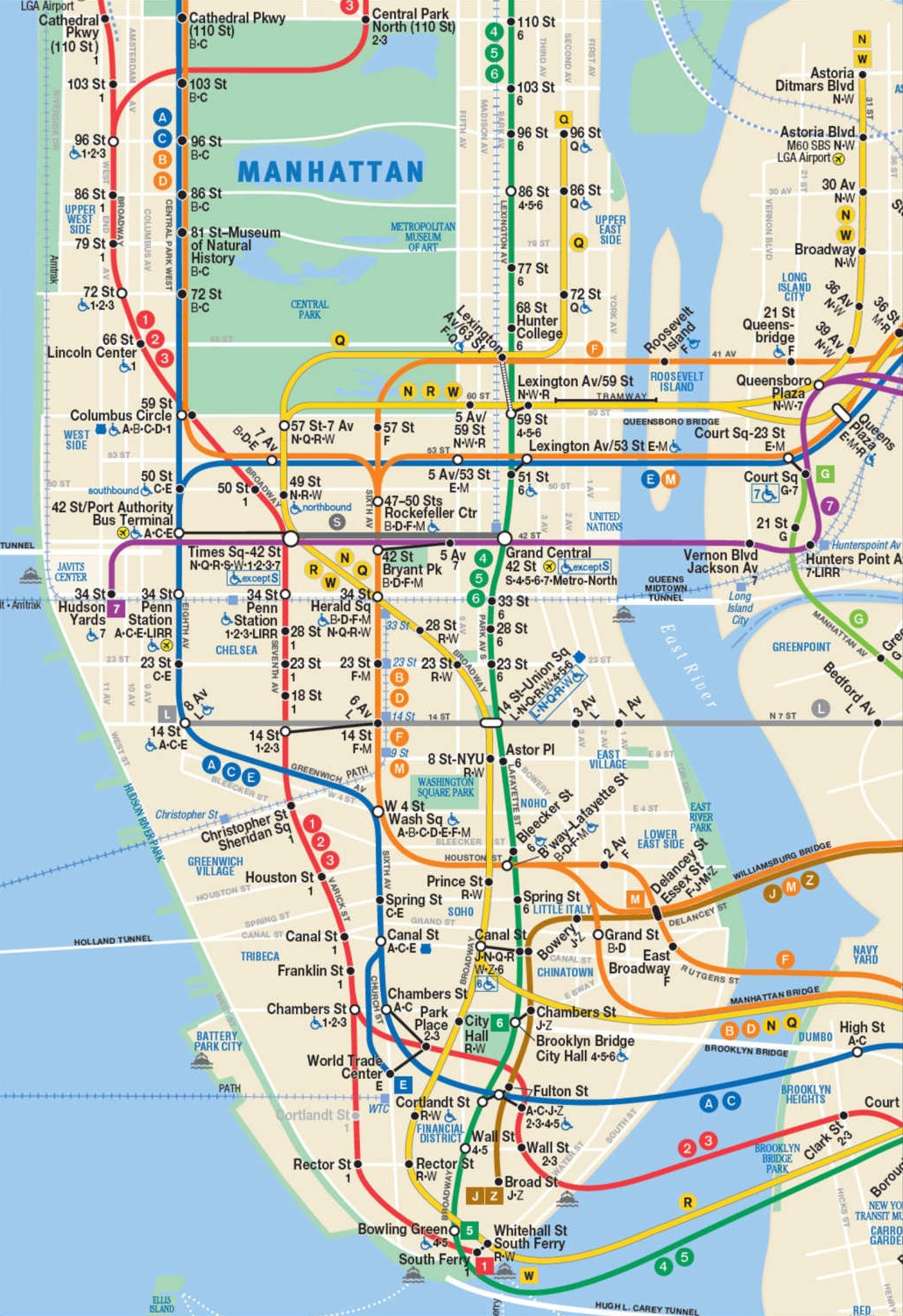
While the MTA subway is extensive, strategic itinerary planning can reduce the number of individual rides you need. Group attractions by geographical location. For example, spend a day exploring Midtown Manhattan, visiting landmarks like Rockefeller Center, St. Patrick’s Cathedral, and Grand Central Terminal. Another day could be dedicated to downtown sights such as the 9/11 Memorial & Museum and the Statue of Liberty. This approach not only saves money but also allows for a more immersive experience in each area.
Considering Travel Time and Alternative Transport
For very short distances within a neighborhood, walking might be a more enjoyable and cost-free alternative to taking the subway. Additionally, for specific routes, especially those with limited subway access or during late-night hours, buses might be a suitable option, and your subway fare or unlimited pass covers these transfers. While the subway is generally the fastest way to traverse New York City, always consider the travel time between stations and potential delays. For very specific point-to-point journeys, especially if you’re traveling with luggage or in a group, ride-sharing services or taxis might be considered, but these will significantly increase your transportation costs compared to the subway.
The New York Metro is an indispensable tool for any visitor. By understanding the fare options, particularly the benefits of the OMNY system and its fare capping, and by planning your travel wisely, you can ensure that your journeys through this incredible city are both seamless and budget-friendly, allowing you to focus on the experiences that make New York so unforgettable.
LifeOutOfTheBox is a participant in the Amazon Services LLC Associates Program, an affiliate advertising program designed to provide a means for sites to earn advertising fees by advertising and linking to Amazon.com. Amazon, the Amazon logo, AmazonSupply, and the AmazonSupply logo are trademarks of Amazon.com, Inc. or its affiliates. As an Amazon Associate we earn affiliate commissions from qualifying purchases.