
Navigating the landscape of health insurance costs can feel like traversing a desert. For residents of Nevada, understanding the average monthly premiums is crucial for budgeting and ensuring access to necessary medical care. The cost of health insurance is not a monolithic figure; it’s influenced by a complex interplay of individual circumstances, the type of plan chosen, and the prevailing market conditions within the Silver State. This comprehensive guide aims to demystify these costs, providing insights into the factors that shape monthly premiums and offering a realistic outlook for Nevadans.
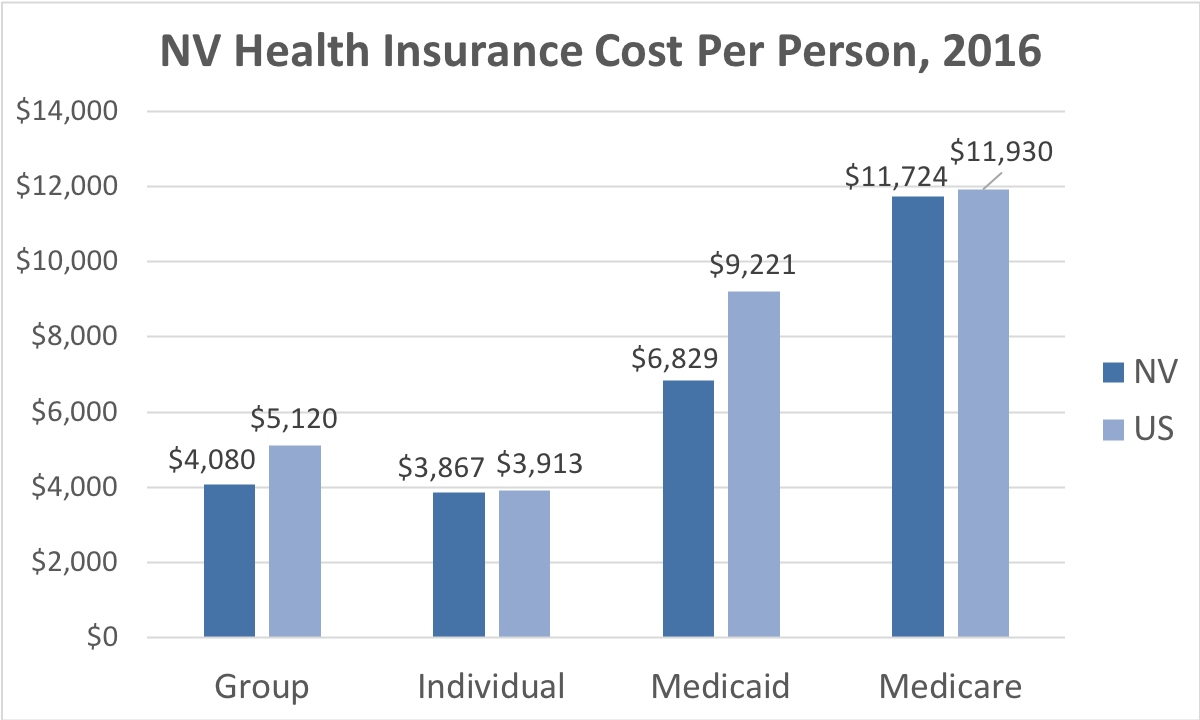
Understanding the Averages: Nevada’s Health Insurance Premiums
The cost of health insurance in Nevada can vary significantly. However, looking at average figures provides a foundational understanding. These averages are typically reported by age group, as older individuals generally face higher premiums due to increased healthcare utilization. It’s important to remember that these are just benchmarks, and your personal costs may differ.
Age as a Primary Cost Driver
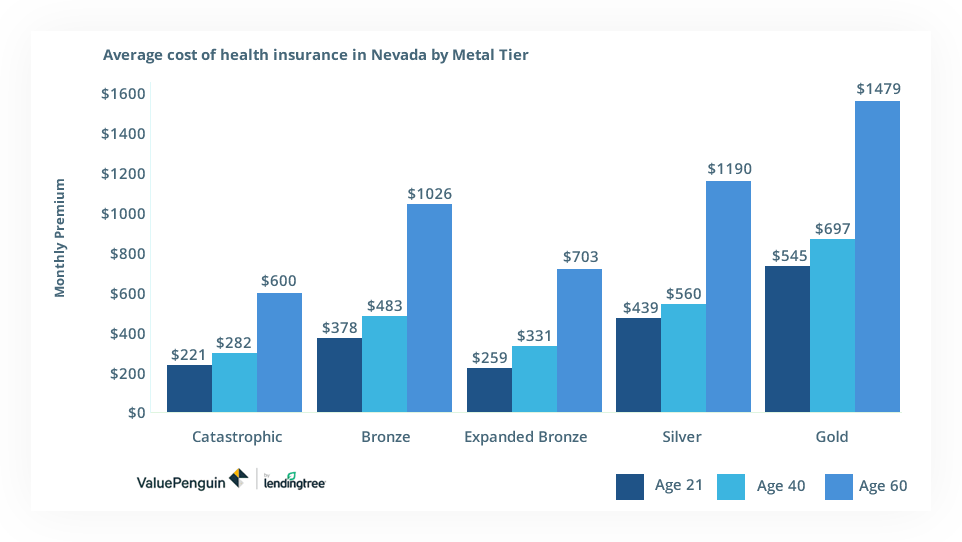
The Affordable Care Act (ACA) allows insurers to consider age when setting premiums, but limits the difference to a 3:1 ratio. This means premiums for older adults can be up to three times higher than for younger adults, but no more. For instance, a 20-year-old might pay a base premium, while a 60-year-old might pay up to three times that amount for the same plan. This age-based pricing is a fundamental component of how insurance markets are structured.
Geographic Location Within Nevada
While Nevada is a single state, there can be slight variations in health insurance costs between its major metropolitan areas and more rural regions. Insurers assess the cost of providing services in different areas, considering factors like the density of healthcare providers, the prevalence of certain health conditions, and the general cost of living. For example, premiums in Las Vegas or Reno might differ subtly from those in smaller towns. However, these geographic variations are generally less pronounced than other factors.
The Influence of Plan Type and Coverage Levels
The most significant determinant of your monthly health insurance premium, beyond age, is the type of plan you choose and the level of coverage it offers. Health insurance plans are broadly categorized into different metal tiers – Bronze, Silver, Gold, and Platinum – each offering a different balance between monthly premiums and out-of-pocket costs.
Bronze Plans: Lower Premiums, Higher Deductibles
Bronze plans are designed for individuals who are relatively healthy and don’t anticipate needing extensive medical care. They feature the lowest monthly premiums but come with the highest deductibles, copayments, and coinsurance. This means that when you do need medical services, you’ll be responsible for a larger portion of the costs until you meet your deductible. For someone seeking the most affordable monthly payment, a Bronze plan is often the starting point.
Silver Plans: A Middle Ground
Silver plans offer a balance between premium costs and out-of-pocket expenses. They have moderate monthly premiums and moderate deductibles. Importantly, Silver plans are the only tier eligible for cost-sharing reductions (CSRs), which can significantly lower deductibles, copayments, and coinsurance for individuals and families with incomes between 100% and 250% of the federal poverty level. This makes them a popular choice for many Nevadans.
Gold Plans: Higher Premiums, Lower Out-of-Pocket Costs
Gold plans come with higher monthly premiums than Bronze or Silver plans, but offer lower deductibles and out-of-pocket maximums. This means you’ll pay more each month, but you’ll pay less when you actually receive medical care. These plans are suitable for individuals or families who anticipate frequent doctor visits, need regular prescriptions, or have chronic health conditions.
Platinum Plans: The Most Comprehensive Coverage
Platinum plans have the highest monthly premiums but the lowest deductibles and out-of-pocket costs. They cover a very high percentage of healthcare expenses, making them ideal for those who expect to use a significant amount of medical services. While the monthly cost is substantial, the predictability of healthcare expenses can be appealing for some.
Factors Beyond Age and Plan Type
While age and the chosen plan tier are significant, several other elements can influence your monthly health insurance bill in Nevada. Understanding these can help you explore potential ways to manage costs.
Income and Subsidies
The ACA provides premium tax credits (subsidies) to individuals and families with incomes between 100% and 400% of the federal poverty level. These subsidies are applied directly to your monthly premium, reducing the amount you owe. The higher your income within this range, the less subsidy you receive, and the higher your premium will be. For those with incomes below 100% of the poverty level, expansion of Medicaid in Nevada might offer coverage without premiums. Eligibility for these subsidies is a crucial factor in determining the final monthly cost for many Nevadans.
Family Size and Composition
Health insurance premiums are also calculated based on the number of people covered. A policy covering a single individual will naturally cost less than a policy covering a family with multiple children. Insurers consider the ages and number of dependents when calculating the total premium. For families, exploring options like employer-sponsored plans or the Health Insurance Marketplace is essential to find the most cost-effective coverage.
Tobacco Use
Health insurance providers are permitted to charge smokers up to 50% more for their premiums than non-smokers. This surcharge is a significant incentive for individuals to quit smoking and can represent a substantial difference in monthly costs. If you are a smoker, quitting could lead to considerable savings on your health insurance premiums over time.
Navigating the Health Insurance Marketplace in Nevada
The Health Insurance Marketplace, operated by the federal government, is the primary platform for individuals and families to purchase health insurance in Nevada if they don’t have access to affordable coverage through an employer or government program like Medicare or Medicaid.
The Enrollment Process
Enrolling in a health plan through the Marketplace typically involves an annual open enrollment period. Outside of this period, you may be eligible for a special enrollment period if you experience a qualifying life event, such as losing other coverage, getting married, or having a baby. The website allows you to compare plans side-by-side, view estimated costs, and determine your eligibility for subsidies.
Popular Insurers in Nevada
Several insurance companies offer plans through the Nevada Health Insurance Marketplace. These may include well-known national providers as well as regional insurers. Some of the common carriers you might find include Anthem Blue Cross and Blue Shield, UnitedHealthcare, and Hometown Health Plan, though specific offerings can change year to year. Researching the networks and benefits offered by each insurer is vital.
Tips for Finding Affordable Coverage
To find the most affordable health insurance in Nevada, consider the following:
- Estimate Your Income Accurately: This is crucial for determining your subsidy eligibility.
- Compare All Available Plans: Don’t just look at the lowest premium. Consider deductibles, copays, and out-of-pocket maximums.
- Check Provider Networks: Ensure your preferred doctors and hospitals are in the plan’s network to avoid higher out-of-network costs.
- Utilize Enrollment Assistance: Many non-profit organizations and community groups offer free assistance to help you navigate the enrollment process and understand your options.
- Consider HSA-Eligible Plans: For those with high deductibles, a Health Savings Account (HSA) can offer tax advantages for medical expenses.
Beyond Premiums: Understanding Total Healthcare Costs
While monthly premiums are a significant part of your health insurance expense, it’s essential to look beyond this figure to understand your total potential healthcare costs. The deductible, copayments, coinsurance, and out-of-pocket maximum all contribute to the total financial responsibility you might incur.
Deductibles: The First Hurdle
The deductible is the amount you pay out-of-pocket for covered healthcare services before your insurance plan starts to pay. Plans with lower monthly premiums typically have higher deductibles, and vice versa. Understanding your deductible is key to budgeting for unexpected medical needs. For example, if you have a $5,000 deductible, you’ll pay the first $5,000 of covered medical expenses yourself before your insurance begins to contribute.
Copayments and Coinsurance: Sharing the Cost
Once you’ve met your deductible, you’ll typically share costs with your insurer through copayments (a fixed amount for specific services, like doctor visits) or coinsurance (a percentage of the cost of a covered service). For instance, a copay for a specialist visit might be $50, while coinsurance could be 20% of the cost of a procedure.
Out-of-Pocket Maximum: Your Financial Safety Net
The out-of-pocket maximum is the most you’ll have to pay for covered services in a plan year. Once you reach this limit, your health insurance plan pays 100% of the costs of covered benefits for the rest of the year. This acts as a crucial financial safety net against catastrophic healthcare expenses. Choosing a plan with an out-of-pocket maximum that you can afford is as important as considering the monthly premium.
Nevada’s Healthcare Landscape and Cost Trends
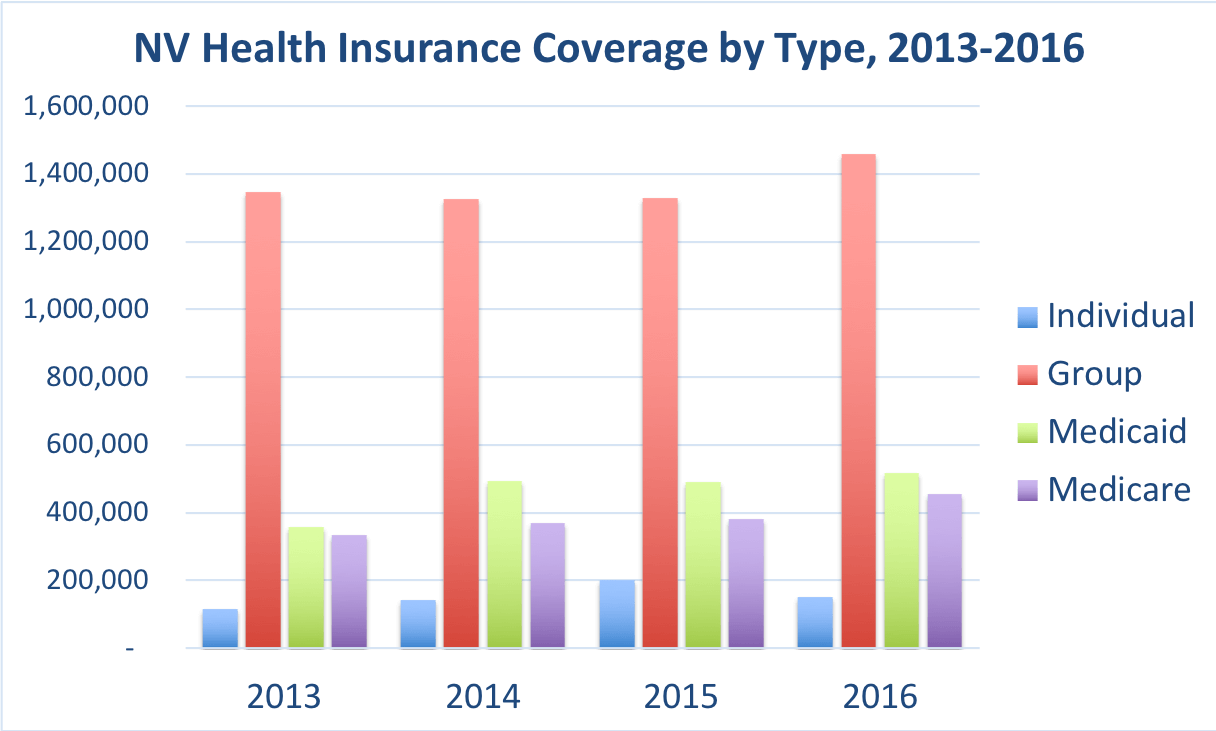
The cost of healthcare services themselves can also influence insurance premiums. Factors such as the availability of healthcare facilities, the prevalence of chronic diseases within the population, and the cost of medical technology all play a role. While Nevada has been working to expand access to care, especially in underserved areas, these underlying healthcare economics can contribute to the overall cost of insurance. Staying informed about legislative changes and market trends in Nevada’s healthcare system can provide further context for understanding insurance costs.
LifeOutOfTheBox is a participant in the Amazon Services LLC Associates Program, an affiliate advertising program designed to provide a means for sites to earn advertising fees by advertising and linking to Amazon.com. Amazon, the Amazon logo, AmazonSupply, and the AmazonSupply logo are trademarks of Amazon.com, Inc. or its affiliates. As an Amazon Associate we earn affiliate commissions from qualifying purchases.