
Traveling through the American West offers a breathtaking tapestry of diverse landscapes, from arid deserts to towering mountain peaks. For many adventurers, the journey between Utah and Colorado represents a quintessential Western experience, bridging two states renowned for their natural beauty and outdoor recreation. Understanding the distance between these two states is the first crucial step in planning an unforgettable trip, whether you’re seeking a direct route or a meandering scenic tour. While Utah and Colorado share a border, the actual travel time and mileage depend significantly on your specific starting point and destination within each state. From the bustling urban centers to the serene wilderness areas, the journey promises a rich array of sights and experiences. This guide aims to provide a comprehensive overview for navigating the expanse between these two magnificent states, ensuring a well-planned and enjoyable expedition into the heart of the American West.
Bridging the Western Divide: Understanding the Distance
The perceived distance between Utah and Colorado can be misleading. While they are adjacent states, the actual travel time and mileage vary considerably depending on which cities or natural landmarks you choose as your origin and destination. Understanding this geographical nuance is key to efficient trip planning, allowing travelers to manage expectations regarding travel durations and potential stops. The journey itself is an integral part of the Western experience, offering continuous vistas that change dramatically with every mile.
The Geographical Proximity
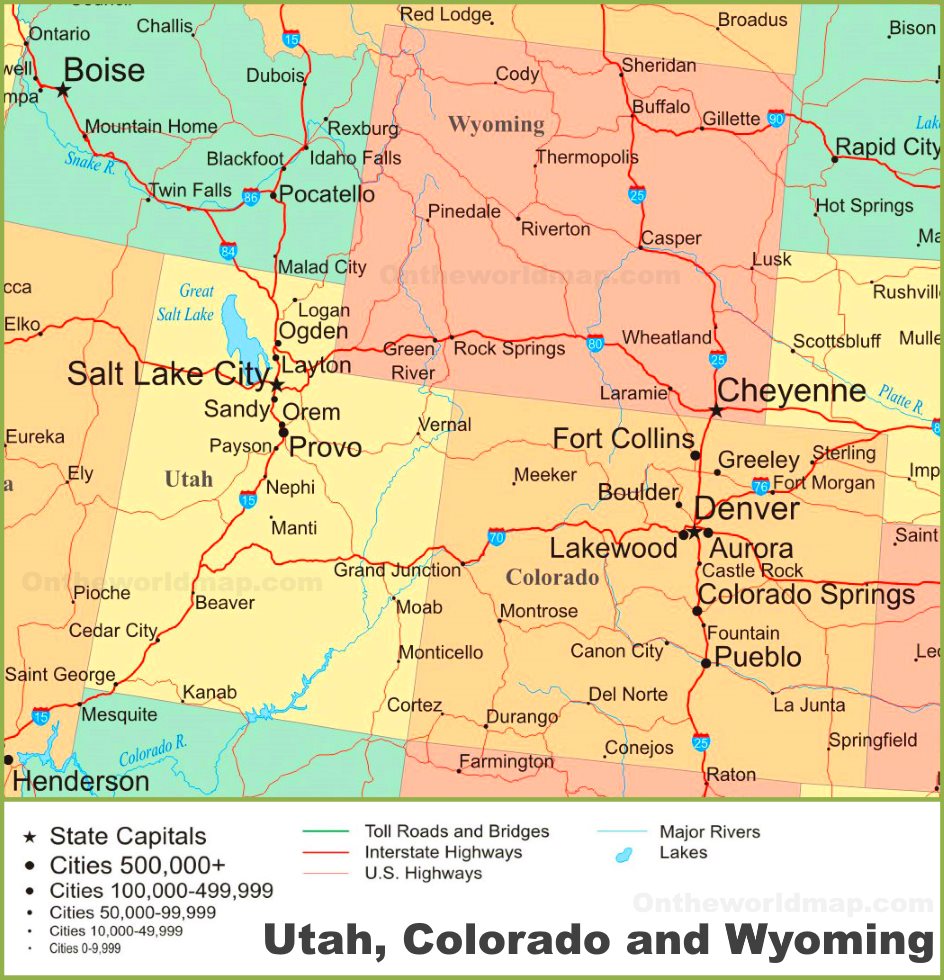
Utah and Colorado share a common border, primarily along the 109th meridian west. This shared boundary means that, at its closest points, the states are literally side-by-side. However, the vastness of the Western landscape implies that traveling from, say, Salt Lake City to Denver is a significant undertaking, traversing hundreds of miles. The most direct routes typically pass through the less populated western slope of Colorado and the eastern desert regions of Utah, offering a blend of high desert and burgeoning mountain foothills. This geographical context means that while theoretically close, practical travel involves substantial distances.
Key Entry Points and Gateway Cities
When considering travel between the states, certain cities naturally serve as primary gateways. On the Utah side, Salt Lake City is the largest urban hub and a major transportation center, often the starting or end point for many journeys. Other significant points of interest, though not large cities, include Moab, famous for its proximity to Arches National Park and Canyonlands National Park, which is relatively close to the Colorado border. In Colorado, Denver is the primary metropolis, acting as a pivotal connection point for much of the state and the surrounding region. On the western side of Colorado, Grand Junction serves as a key transit city, especially for those traveling along the Interstate 70 corridor toward Utah. These gateway cities are crucial for defining practical travel distances and times.
Driving Time and Road Conditions
The driving distance between Salt Lake City and Denver, often considered the most common inter-state route, is approximately 520-530 miles. This typically translates to an 8 to 9-hour drive without significant stops, though this can vary based on traffic, weather conditions, and construction. The main artery for this journey is Interstate 70, which offers a relatively straightforward path but also presents its own challenges, especially during winter months when mountain passes can experience heavy snow or temporary closures. Road conditions can change rapidly, particularly through the Rocky Mountains in Colorado, making it essential to check forecasts and road reports before embarking on your journey. Factor in extra time for fuel, food, and stretching breaks to ensure a safe and comfortable trip.
Navigating the Journey: Popular Routes and Road Trips
Embarking on a road trip between Utah and Colorado is an experience in itself, offering unparalleled opportunities to witness the dramatic beauty of the American West. The choice of route often depends on whether the traveler prioritizes speed and efficiency or a more scenic and leisurely exploration. Each path unveils a different facet of the region, from high-speed interstates cutting through vast plains to winding mountain roads that reveal hidden gems.
The I-70 Corridor: A Direct Path
The most common and direct route connecting Salt Lake City, Utah, with Denver, Colorado, is via Interstate 70. This major interstate highway spans approximately 520-530 miles and generally takes 8 to 9 hours of non-stop driving. Starting from Salt Lake City, travelers would typically take I-15 South briefly before connecting to I-70 East. The route then leads directly through stunning landscapes, including the San Rafael Swell in Utah and eventually through the heart of the Rocky Mountains in Colorado. Key cities along this path in Colorado include Grand Junction and Glenwood Springs, both offering amenities and potential overnight stops. While direct, the mountainous sections, particularly east of Grand Junction and through the Eisenhower Tunnel, can be challenging in winter, demanding attention to road conditions and potential delays.
Scenic Alternatives and Detours
For those with more time and a desire to immerse themselves in the natural splendor, several scenic alternatives and detours can enrich the journey. Instead of strictly following Interstate 70 through western Colorado, travelers might consider routes that delve deeper into the region’s national parks and monuments. For instance, a southern detour could lead through Moab, providing access to Arches National Park and Canyonlands National Park before heading east into Colorado via Highway 128 (a designated scenic byway along the Colorado River) or south towards Durango and Mesa Verde National Park. Another option for mountain enthusiasts involves taking smaller state highways through picturesque towns like Aspen or Telluride once across the Utah-Colorado border, adding significant mileage and time but offering unparalleled views and unique experiences. These scenic routes often involve narrower roads and higher elevations, requiring careful driving and preparation.
Preparing for Your Road Trip
A successful road trip between Utah and Colorado demands thoughtful preparation. Beyond mapping your route, it’s crucial to ensure your vehicle is in excellent condition, with checked tires, oil, and fluids. Pack an emergency kit including water, snacks, blankets, a first-aid kit, and jumper cables, as cellular service can be spotty in remote areas. Depending on the season, consider packing layers of clothing, sun protection, and appropriate gear for hiking or outdoor activities. Winter travel necessitates chains or adequate snow tires, especially for traversing Colorado’s mountain passes. Always check weather forecasts and road conditions, particularly for Interstate 70 in the Rocky Mountains, before and during your journey. Planning fuel stops in advance, especially on less-traveled routes, is also advisable.
Beyond the Drive: Other Travel Options
While driving offers the quintessential Western road trip experience, it’s not the only way to travel between Utah and Colorado. Depending on your budget, time constraints, and preference for convenience, several other transportation modes provide viable alternatives. These options can be particularly attractive for those who prefer to avoid long hours behind the wheel or wish to enjoy the scenery without the stress of navigation.
Flying Between States

For the quickest transit, flying is undoubtedly the most efficient option. The primary airports serving these regions are Denver International Airport (DIA) in Colorado and Salt Lake City International Airport (SLC) in Utah. Numerous airlines offer direct flights between these two major hubs, with flight times typically ranging from 1 hour to 1 hour and 15 minutes. This makes flying an ideal choice for business travelers, those on a tight schedule, or individuals connecting to further destinations. Smaller regional airports like Grand Junction Regional Airport in Colorado or Canyonlands Field near Moab also offer connections, though often requiring layovers. While faster, flying generally entails higher costs and the added time for airport security, check-in, and transfer to and from the city centers.
Bus and Train Services
For a more economical or scenic alternative, bus and train services offer distinct advantages. Greyhound provides bus services connecting major cities such as Salt Lake City and Denver, with several daily departures. While significantly longer than driving (often 10-12 hours or more due to stops), bus travel is budget-friendly and allows passengers to relax and enjoy the journey without the responsibility of driving.
For a unique and picturesque experience, Amtrak offers train service via its California Zephyr route, which traverses both Utah and Colorado. The route from Salt Lake City to Denver is a daytime journey that offers unparalleled views of the Rocky Mountains, passing through scenic canyons and alongside rivers. This option is not about speed but about the journey itself, providing observation cars for panoramic views and comfortable seating. While typically longer and potentially more expensive than bus travel, the Amtrak experience is a memorable way to witness the grandeur of the Western landscape.
Unveiling the West: Iconic Destinations Along the Way
The journey between Utah and Colorado is not merely about covering distance; it’s an opportunity to explore some of America’s most iconic natural wonders and vibrant towns. Incorporating stops at these destinations transforms a simple drive into an epic adventure, allowing travelers to immerse themselves in the diverse ecosystems and cultures of the American West.
Utah’s Natural Wonders
Utah is often called “Dinosaurland” and is famous for its “Mighty 5” National Parks, several of which are accessible when traveling towards Colorado. Arches National Park and Canyonlands National Park, both near Moab, are geological marvels boasting thousands of natural sandstone arches, towering pinnacles, and vast canyons. Moab itself is an adventure hub, popular for mountain biking, off-roading, and river rafting on the Colorado River. Further south, though a detour from the direct I-70 route, are Zion National Park and Bryce Canyon National Park, renowned for their breathtaking canyons and unique geological formations known as hoodoos. Capitol Reef National Park, another gem, offers a blend of canyons, domes, and bridges. Even along Interstate 70, the San Rafael Swell provides dramatic, rugged scenery and opportunities for hiking and exploration.
Colorado’s Mountain Majesty
Upon entering Colorado, the landscape dramatically shifts to the majestic Rocky Mountains. Western Colorado offers its own set of attractions. Grand Junction, the largest city on the western slope, is a gateway to the Colorado National Monument, a stunning plateau of red rock canyons. Moving further east along Interstate 70, Glenwood Springs is a popular stop, famous for its hot springs and outdoor activities. Iconic ski resorts like Vail and Aspen are within easy reach of I-70, offering world-class winter sports and vibrant summer scenes. For those venturing south, Mesa Verde National Park provides an incredible glimpse into ancient Pueblo cliff dwellings, while towns like Durango and Telluride offer charm, history, and access to spectacular wilderness areas.
Planning Your Inter-State Itinerary
To maximize your journey, consider blending direct travel with scenic detours. Allocate sufficient time for stops, especially if you plan to hike or explore national parks. For instance, a 3-day trip could involve driving from Salt Lake City to Moab on day one, exploring Arches National Park and Canyonlands National Park on day two, and then continuing to Denver on day three with a stop in Glenwood Springs. For longer trips, integrating a loop through Southern Utah’s national parks before heading east into Southern Colorado’s historic towns could create an unforgettable multi-week adventure. Researching accommodation options in advance, especially during peak seasons in popular destinations like Moab or Park City, is highly recommended.
Making the Most of Your Utah-Colorado Adventure
A journey between Utah and Colorado is more than just covering distance; it’s an opportunity for discovery, relaxation, and adventure. To truly savor the experience, careful consideration of timing, packing, and embracing local offerings will significantly enhance your trip. Planning these aspects thoughtfully can transform a good journey into an extraordinary one.
Best Times to Travel
The ideal time to travel between Utah and Colorado largely depends on your desired activities.
Spring (April-May) offers pleasant temperatures for hiking and sightseeing in Utah’s national parks before the intense summer heat, and Colorado’s mountains begin to thaw, offering beautiful wildflower displays. However, some higher mountain passes may still be closed or have snow.
Summer (June-August) is peak season, providing warm weather ideal for all outdoor activities, from rafting in Moab to hiking in the Rocky Mountains. Be prepared for larger crowds and higher prices for accommodations and attractions. Afternoon thunderstorms are common in the mountains.
Fall (September-October) is arguably the most spectacular time, especially for Colorado, with vibrant aspen foliage painting the mountains in hues of gold and crimson. Temperatures are mild, and crowds begin to thin, making it excellent for photography and scenic drives. Utah also enjoys comfortable weather.
Winter (November-March) appeals to ski and snowboard enthusiasts, with world-class resorts like Vail and Park City in full swing. However, driving conditions can be challenging with snow and ice, and some roads and park facilities may be closed.
Essential Packing Tips
Given the diverse climates and elevations, layering is key for any trip through Utah and Colorado.
- Clothing: Pack versatile layers, including moisture-wicking base layers, insulating mid-layers (fleece or down), and a waterproof/windproof outer shell. Even in summer, evenings in the mountains can be cool.
- Footwear: Sturdy hiking shoes or boots are essential if you plan to explore national parks or trails. Comfortable walking shoes are also advisable for towns and attractions.
- Sun Protection: The high altitude means stronger UV rays. Bring a wide-brimmed hat, sunglasses, and high-SPF sunscreen, even on cloudy days.
- Hydration: Always carry a reusable water bottle. Dehydration can occur quickly at higher elevations, especially in arid Utah.
- Navigation: While GPS is helpful, a physical map and compass can be lifesavers in areas with no cell service.
- Emergency Kit: A basic first-aid kit, jumper cables, flashlight, extra food and water, and blankets are crucial for road trips through remote areas.

Local Experiences and Must-Sees
Beyond the major national parks, both Utah and Colorado offer unique local experiences.
- In Utah, consider exploring the State Parks like Goblin Valley State Park for its whimsical formations, or driving a section of Scenic Byway 12, often hailed as one of America’s most beautiful roads. Experience the local culture in small towns or visit a dinosaur museum.
- In Colorado, beyond the ski resorts, delve into the historic mining towns like Ouray or Silverton, take a scenic ride on the Durango and Silverton Narrow Gauge Railroad, or explore the vibrant arts scene in cities like Boulder. Don’t forget to sample local craft beers, a Colorado specialty.
By meticulously planning your route, considering various travel modes, and embracing the wealth of natural and cultural attractions along the way, your journey from Utah to Colorado can become a truly enriching and memorable travel experience.
LifeOutOfTheBox is a participant in the Amazon Services LLC Associates Program, an affiliate advertising program designed to provide a means for sites to earn advertising fees by advertising and linking to Amazon.com. Amazon, the Amazon logo, AmazonSupply, and the AmazonSupply logo are trademarks of Amazon.com, Inc. or its affiliates. As an Amazon Associate we earn affiliate commissions from qualifying purchases.