
The question of whether Nevada operates as a one-party consent state is of significant importance, particularly for individuals who conduct business, engage in sensitive conversations, or simply wish to understand their privacy rights within its borders. This designation dictates the legal framework surrounding the recording of conversations, a crucial aspect of personal and professional interactions. While the term “one-party consent” might sound straightforward, its implications can be nuanced, and understanding its application in Nevada requires a deeper dive into the state’s statutes and legal interpretations. This article aims to demystify this legal concept and clarify its standing within the Silver State, offering insights for residents and visitors alike.
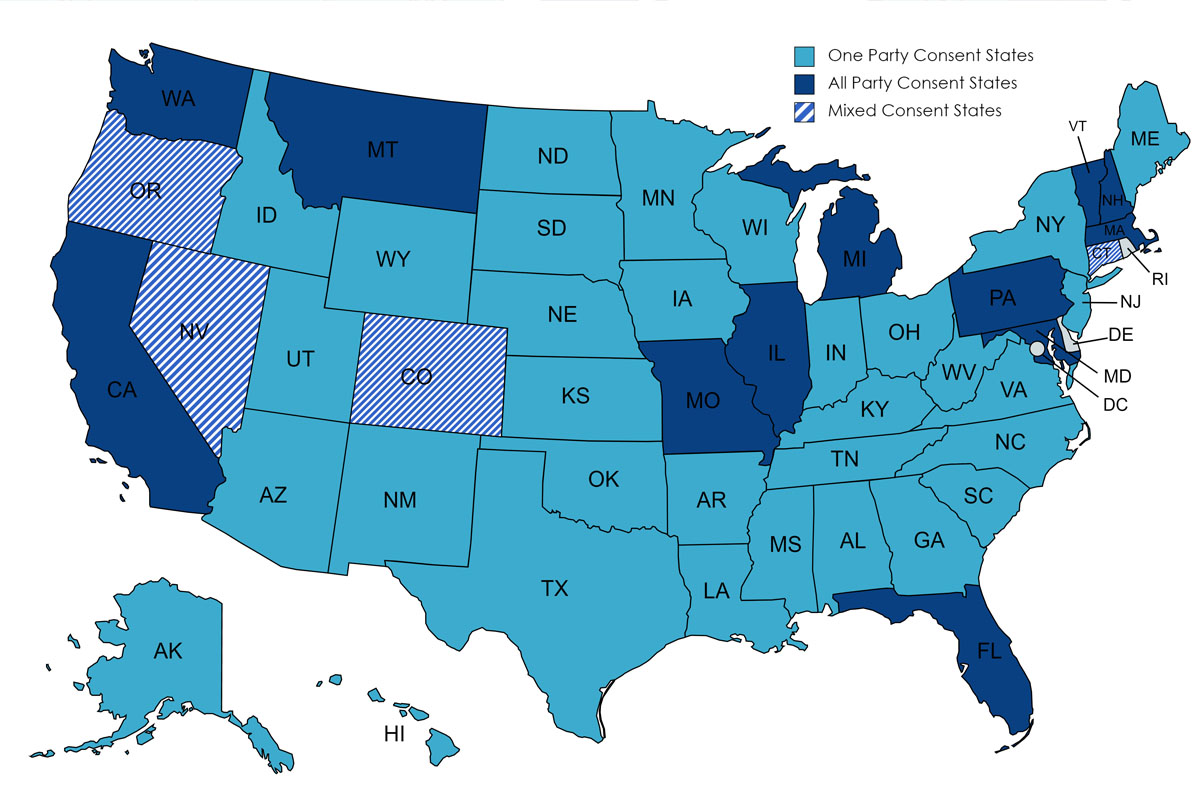
Understanding One-Party Consent in Conversation Recording
At its core, one-party consent legislation addresses the legality of recording a conversation. In jurisdictions that adhere to this principle, it is permissible for one party to a conversation to record it without the knowledge or consent of the other participants. This contrasts with “two-party” or “all-party” consent states, where every individual involved in a conversation must agree to be recorded for the recording to be considered lawful. The rationale behind one-party consent laws often centers on the idea that individuals have no reasonable expectation of privacy when engaging in conversations where they are aware that at least one participant might be documenting the exchange.
The Legal Basis for Recording Conversations
The legality of recording conversations in the United States is primarily governed by federal law and individual state laws. The federal Wiretap Act, also known as Title III of the Omnibus Crime Control and Safe Streets Act of 1968, establishes a baseline for wiretapping and electronic surveillance. This federal statute permits the recording of conversations if one party to the communication consents to the recording. However, it also specifies that if a state has more restrictive laws, those state laws will prevail. This means that even if federal law allows for one-party consent, a state that mandates two-party or all-party consent will supersede the federal allowance. Therefore, to accurately determine the legal landscape in any given state, it is essential to examine its specific statutes.
Distinguishing One-Party from All-Party Consent
The distinction between one-party and all-party consent is critical. In a one-party consent state, if you are a participant in a conversation, you can legally record it without informing the other participants. For instance, if you are having a phone call with someone, and you are in a one-party consent state, you can record that call from your end without the other person needing to know. Conversely, in an all-party consent state, every person on that call would need to explicitly agree to the recording before it could be legally made. Failure to obtain such consent in an all-party state can lead to civil liability and, in some instances, criminal penalties. This difference significantly impacts how individuals approach recorded evidence, particularly in legal proceedings or business dealings.
Nevada’s Stance on Conversation Recording
To definitively answer the question posed by the title, we must examine the specific legislation enacted in Nevada. The state’s approach to recording conversations is a matter of statutory law, which is publicly accessible and outlines the legal requirements. Understanding these statutes provides clarity on the rights and limitations of individuals regarding audio and video recordings within the state’s jurisdiction.
Nevada Revised Statutes and Interception of Communications
In Nevada, the relevant legal framework for the interception and recording of communications is primarily found within the Nevada Revised Statutes. Specifically, Nevada Revised Statutes Chapter 200.600 through 200.690 addresses the privacy of communications. These statutes prohibit the intentional interception, recording, or disclosure of any wire, oral, or electronic communication unless specific conditions are met. The critical condition for most private conversations is consent.
The “One Party” Designation for Nevada
Nevada is indeed classified as a one-party consent state. This means that it is legal to record a conversation within Nevada if at least one party to the conversation has given their consent to the recording. The consent does not need to be explicit or in writing; it can be implied by the actions of the consenting party. If you are a participant in a conversation occurring in Nevada, you have the legal right to record that conversation without the knowledge or consent of the other individuals involved. This principle applies to face-to-face conversations, telephone calls, and other forms of electronic communication originating or taking place within the state.
Implications for Travelers and Residents in Nevada
The one-party consent status in Nevada has several practical implications for both residents and visitors, particularly concerning their interactions in various settings, from casual conversations to formal business meetings. Understanding these implications can help individuals navigate their privacy expectations and ensure they are acting within legal boundaries.
Business Communications and Legal Considerations
For businesses operating in or engaging with entities in Nevada, the one-party consent law significantly impacts how client calls, internal meetings, and negotiations are handled. Sales calls, customer service interactions, and strategic planning sessions can be legally recorded by a participating employee without the need for the other party’s explicit consent. This can be invaluable for quality control, training purposes, dispute resolution, and as a record of agreements. However, it is always advisable for businesses to have clear internal policies regarding recording and to consider informing the other party of the recording as a matter of good business practice, even if not legally required. This can foster transparency and build trust. For instance, a Las Vegas casino engaging in a business deal might find this law beneficial for documenting terms.

Personal Conversations and Privacy Expectations
For individuals, the one-party consent law means that conversations held within Nevada, whether in a private residence, a public space like the Las Vegas Strip, or even during a business meeting at a resort such as Bellagio, can be recorded by another participant. This can affect one’s expectation of privacy in informal settings. While Nevada law permits such recordings, it does not eliminate the concept of privacy altogether. Individuals still have rights regarding illegal surveillance or the unauthorized disclosure of private information. The key takeaway is that if you are speaking with someone in Nevada, you should assume that your conversation might be recorded by that individual.
Recording Laws in Bordering States vs. Nevada
When considering travel to or from Nevada, it is crucial to be aware of the differing consent laws in neighboring states. For example, California, a state bordering Nevada to the west, is an all-party consent state. This means that if a conversation involves participants in both Nevada and California, the stricter law of the all-party consent state would likely apply to avoid legal repercussions. If a call is placed from Nevada to California, and the Nevada resident records the call, it could be deemed illegal in California because the Californian participant did not consent. Understanding this jurisdictional interplay is vital for anyone conducting cross-state communications or traveling between these states. Similarly, states like Arizona and Utah have their own specific laws regarding conversation recording that travelers should be mindful of.
Best Practices and Legal Ramifications
While Nevada law permits one-party consent for recording conversations, adhering to certain best practices can prevent misunderstandings and potential legal complications, especially when crossing state lines or dealing with sensitive matters. Understanding the potential ramifications of violating these laws, even unintentionally, is also important.
Transparency and Disclosure as a Prudent Measure
Even though Nevada does not legally mandate it, exercising transparency by informing individuals that a conversation is being recorded is often the best approach. This can be as simple as stating, “I’m going to record this conversation for my records,” at the beginning of the interaction. This proactive disclosure not only aligns with the spirit of privacy but also avoids potential disputes and maintains goodwill, particularly in professional contexts. In situations involving sensitive business negotiations or personal disputes, such transparency can preemptively address concerns about clandestine recordings and demonstrate a commitment to open communication. This is particularly relevant for visitors staying at a luxury resort in Reno who might be discussing business matters.
Consequences of Unlawful Recording
Recording conversations in violation of the law can lead to serious consequences. In Nevada, unlawfully intercepting or recording communications is a criminal offense, potentially resulting in fines and imprisonment. Furthermore, individuals whose conversations are unlawfully recorded may have grounds for civil lawsuits, seeking damages for invasion of privacy or other related torts. If a recording is made in Nevada and then used in a state with stricter recording laws (e.g., California), the use of that recording could be deemed unlawful in the destination state, even if it was legally obtained in Nevada. This highlights the complex legal landscape when dealing with recorded evidence across different jurisdictions.
Seeking Legal Counsel for Complex Situations
For individuals or businesses dealing with situations where conversation recording is a significant factor, especially in cross-jurisdictional contexts or high-stakes legal matters, consulting with an attorney specializing in privacy law or telecommunications law is highly recommended. An experienced legal professional can provide tailored advice based on the specific circumstances, ensuring compliance with all applicable federal, state, and local laws. They can help navigate the intricacies of one-party versus all-party consent, the admissibility of recorded evidence, and potential legal liabilities. This is especially crucial for entities planning major events or operations in Nevada, such as a large convention at the Las Vegas Convention Center.
Conclusion: Nevada’s One-Party Consent Framework
In conclusion, Nevada operates under a one-party consent framework for the recording of conversations. This means that any individual who is a participant in a conversation within Nevada can legally record that conversation without the knowledge or consent of the other parties involved. This legal standing is established through Nevada Revised Statutes and aligns with the federal Wiretap Act, provided no state has more stringent requirements.
Final Clarification for Stakeholders
For travelers, business professionals, and residents alike, the definitive answer is that Nevada is a one-party consent state. This understanding is fundamental for respecting privacy, ensuring legal compliance, and navigating the complexities of modern communication. While the law permits recording by a single consenting party, it is always prudent to consider transparency and to be acutely aware of the differing legal landscapes in neighboring states like California. By staying informed and exercising caution, individuals can effectively manage their interactions and protect their rights within Nevada and beyond. The ease of recording in Nevada allows for practical applications in various scenarios, from documenting a casual chat at Lake Tahoe to formal business dealings in downtown Reno.

The Importance of Jurisdictional Awareness
The critical takeaway is the importance of jurisdictional awareness. While Nevada grants broad recording permissions to its participants, conversations that span multiple states require careful consideration of the strictest applicable consent laws. A recording made legally in Nevada could be illegal if used or if a party is located in an all-party consent state. This underscores the need for informed decision-making, particularly for those involved in long-distance business communications or international travel that may intersect with Nevada. Understanding these nuances is paramount for maintaining legal standing and safeguarding against potential liabilities.
LifeOutOfTheBox is a participant in the Amazon Services LLC Associates Program, an affiliate advertising program designed to provide a means for sites to earn advertising fees by advertising and linking to Amazon.com. Amazon, the Amazon logo, AmazonSupply, and the AmazonSupply logo are trademarks of Amazon.com, Inc. or its affiliates. As an Amazon Associate we earn affiliate commissions from qualifying purchases.