
The question of whether Nevada leans Republican or Democratic is a complex one, defying easy categorization and evolving significantly over time. Often referred to as the “Silver State,” Nevada is a unique tapestry woven from diverse demographics, economic drivers, and historical shifts. While its political landscape has seen periods of both Republican and Democratic dominance, its true character lies in its swing state status, a testament to its dynamic and often unpredictable electorate. Understanding Nevada’s political identity requires a deep dive into its historical voting patterns, the influence of its burgeoning population centers, and the impact of its unique economic pillars.
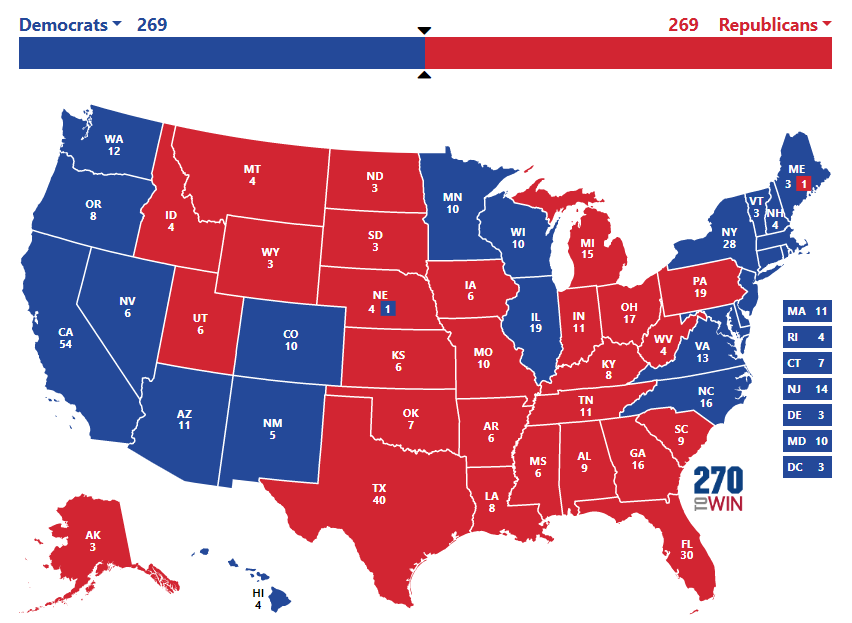
Historical Tides: Shifting Allegiances in the Silver State
Nevada’s political journey is a fascinating study in adaptation. For much of the 20th century, the state exhibited a moderate to conservative leaning, often favoring Republican candidates, particularly in presidential elections. This was largely influenced by its rural demographics and a traditionalist sentiment prevalent in many of its smaller communities. However, the latter half of the century witnessed a gradual but significant shift, with Nevada increasingly identifying as a swing state, capable of tipping the scales in national elections.
The Rise of Urban Influence
The demographic and economic transformation of Nevada has been a primary driver of its political evolution. The explosive growth of its metropolitan areas, most notably Las Vegas and Reno, has fundamentally altered the state’s voting calculus. These urban centers, characterized by a more diverse population, a growing service sector, and a younger demographic, tend to lean Democratic. The influx of residents from other states, bringing with them different political perspectives and priorities, has further contributed to this shift.
The Las Vegas Metropolis and its Electorate
Las Vegas, the state’s most populous city and a global hub for entertainment and tourism, represents a significant concentration of Democratic voters. The service industry, which forms the backbone of its economy, employs a large number of individuals who often align with Democratic platforms on issues such as labor rights, minimum wage, and social services. Furthermore, the growing diversity of Las Vegas, with substantial Hispanic and minority populations, contributes to its Democratic leanings. The city’s vibrant cultural scene and its role as a major tourist destination also foster a more progressive outlook among a segment of its residents.
The Northern Hub: Reno’s Evolving Political Landscape
Further north, Reno, often referred to as “The Biggest Little City in the World,” has also experienced substantial growth, albeit at a different pace than Las Vegas. While historically possessing a more mixed political disposition, Reno has seen an increasing Democratic influence in recent years. Its economy, diversified beyond traditional gaming to include technology and logistics, has attracted a younger, more educated workforce that often gravitates towards Democratic ideals. The presence of the University of Nevada, Reno, also plays a role in shaping the city’s progressive discourse.
Economic Pillars and Their Political Implications
Nevada’s economy is as distinctive as its political leanings, with key industries holding significant sway in shaping electoral outcomes. The state’s reliance on gaming and tourism, coupled with its burgeoning technology and logistics sectors, creates a unique set of economic interests that politicians must navigate.
The Enduring Impact of Gaming and Tourism
The iconic Las Vegas Strip and the casinos of Reno have long been synonymous with Nevada. The gaming and hospitality industries employ a vast workforce, and the political stances of these powerful entities, as well as the concerns of their employees, are crucial factors. Historically, these industries have often been pragmatic, seeking policies that foster economic growth and stability, which can sometimes align with either party depending on the specific legislative proposals. However, the rise of unions within these sectors has increasingly brought a Democratic-leaning labor perspective into play.
The Role of Gambling Revenue and Regulation
The vast revenues generated by Nevada’s casinos are a significant factor in the state’s budget and its political discourse. Debates surrounding taxation, regulation, and the expansion of gambling often become partisan battlegrounds. While Republicans may advocate for lower taxes and less regulation to encourage investment, Democrats often focus on ensuring fair labor practices and equitable distribution of wealth generated by the industry. The unique tax structure of Nevada, which famously lacks a state income tax, is another element that shapes political priorities and voter concerns.
Emerging Industries and Shifting Political Currents
Beyond gaming, Nevada has actively sought to diversify its economy, with notable success in areas such as technology, advanced manufacturing, and logistics. The establishment of companies like Tesla with its Gigafactory near Reno has brought new industries and a different set of economic priorities to the state. These emerging sectors often attract a workforce with different perspectives and demands, potentially influencing the political landscape in ways that are still unfolding.
The Tech Boom and its Democratic Leanings
The growing presence of the technology sector in Nevada, particularly around Reno and Las Vegas, has introduced a new dynamic. While the tech industry is not monolithic in its political leanings, many of its workers and companies tend to align with Democratic positions on issues like education, environmental regulations, and social progress. The influx of skilled labor and the focus on innovation can contribute to a more progressive political environment in the areas where these industries thrive.
The Swing State Phenomenon: A Perennial Balancing Act
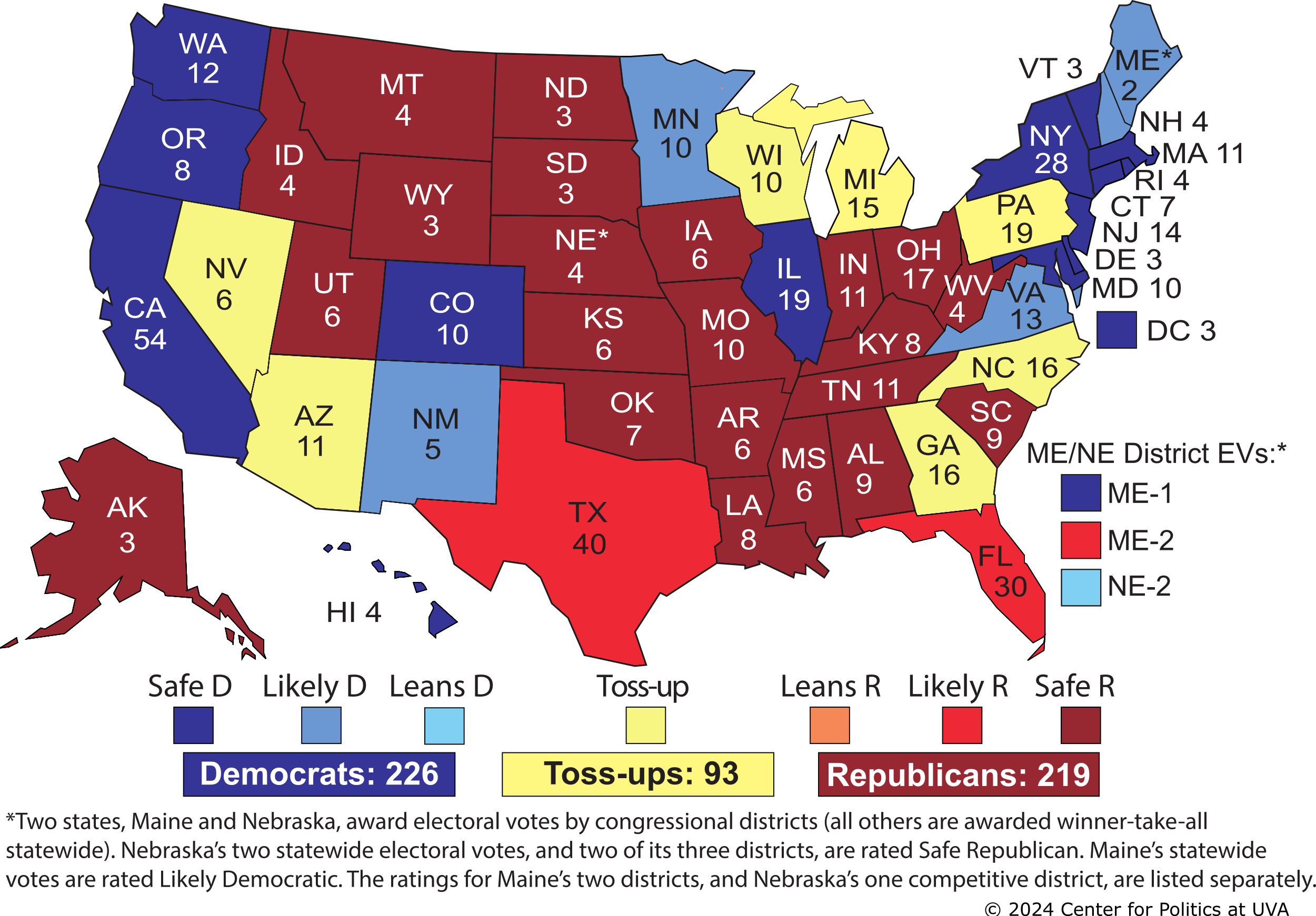
Nevada’s classification as a perennial swing state is not accidental; it is a direct consequence of its intricate political makeup and the constant interplay between its diverse demographics and economic forces. Its ability to shift allegiances from one election cycle to the next makes it a critical battleground for both major parties, demanding tailored campaign strategies and a keen understanding of its nuanced electorate.
Factors Contributing to Nevada’s Swing State Status
Several factors contribute to Nevada’s status as a swing state. Firstly, its population growth has been fueled by migration from across the country, bringing a wide array of political viewpoints. Secondly, its economy is heavily influenced by industries that can be sensitive to both Republican and Democratic policies, creating a dynamic where voters might be persuaded by different arguments depending on the prevailing economic conditions. Thirdly, the state’s electoral votes are few enough to be decisive in close national elections, making it a frequent target for presidential campaigns.
The Rural-Urban Divide
The persistent divide between Nevada’s urban centers and its rural areas plays a crucial role in its swing state identity. While Las Vegas and Reno tend to lean Democratic, the vast rural expanses of the state often maintain a more conservative, Republican-leaning sentiment. This dichotomy means that no single geographic area dominates the state’s political narrative, and candidates must appeal to a broad spectrum of interests and ideologies to secure victory. This division also highlights the importance of issues that resonate differently across these distinct regions, such as water rights in rural areas versus economic development in urban centers.

The Influence of Independent Voters
A significant portion of Nevada‘s electorate identifies as independent or unaffiliated with either major party. These voters are often the key to electoral success, as they are more likely to be swayed by individual candidates, specific policy proposals, or the overall tenor of the political climate. Their independent streak means that neither party can take Nevada for granted, and campaigns must work diligently to earn their support. The growing number of these voters underscores Nevada’s evolving political identity, moving away from strict partisan loyalties.
In conclusion, to definitively label Nevada as solely Republican or Democratic would be an oversimplification of its complex and dynamic political character. It is a state in constant flux, shaped by the migration of its people, the evolution of its economy, and the persistent balancing act between its diverse regions and their unique interests. Its swing state status is a testament to its vibrant democracy and its capacity to influence national electoral outcomes, making it a consistently fascinating state to observe in the American political arena.
LifeOutOfTheBox is a participant in the Amazon Services LLC Associates Program, an affiliate advertising program designed to provide a means for sites to earn advertising fees by advertising and linking to Amazon.com. Amazon, the Amazon logo, AmazonSupply, and the AmazonSupply logo are trademarks of Amazon.com, Inc. or its affiliates. As an Amazon Associate we earn affiliate commissions from qualifying purchases.