
Colorado — a state synonymous with breathtaking natural beauty, vibrant cities, and an unparalleled outdoor lifestyle. From the majestic peaks of the Rocky Mountains to the bustling urban centers of Denver and Boulder, it beckons to those seeking a dynamic and fulfilling way of life. Whether you dream of carving fresh powder in Vail or Aspen, enjoying the cultural scene in Denver, or simply settling into a peaceful mountain retreat, Colorado offers a compelling vision for many.
For individuals considering a significant lifestyle change, such as relocating for retirement, purchasing a second home, or establishing a long-term residence in the Centennial State, practical considerations naturally arise. Beyond the scenic vistas and recreational opportunities, understanding the financial landscape is paramount. One question that frequently surfaces for those planning their long-term financial legacy is: “Does Colorado have an estate tax?”
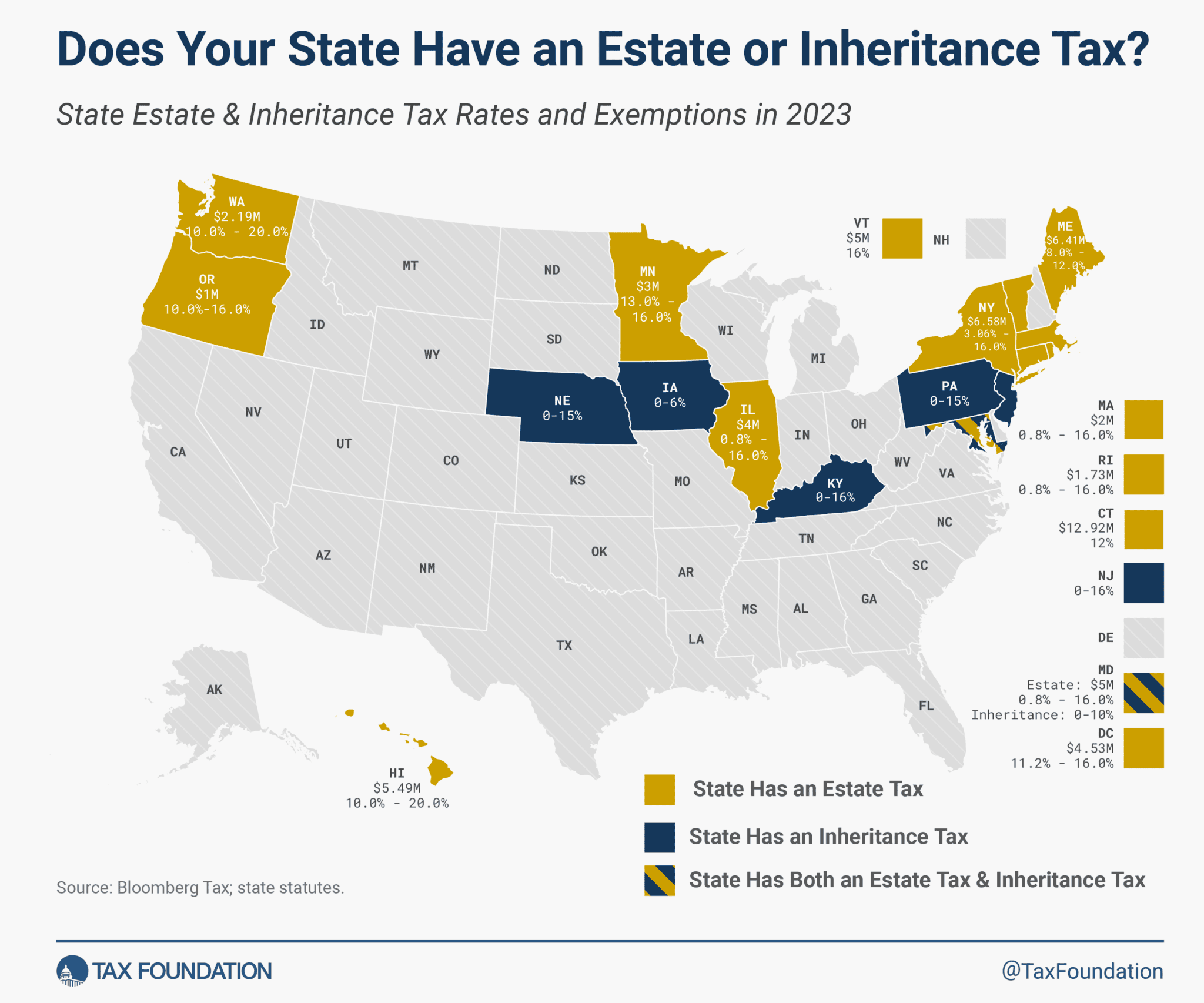
The straightforward answer, and a relief to many considering a move to this picturesque state, is no. Colorado does not impose a state-level estate tax. This fact can significantly influence the lifestyle planning decisions of high-net-worth individuals and families looking to make Colorado their home or a key part of their asset portfolio. While this simplifies a portion of estate planning, it’s crucial to understand the broader context of wealth transfer and how federal regulations still apply, alongside other vital aspects of securing your financial future within your chosen Colorado lifestyle. This article will delve into these details, providing insightful guidance for navigating your financial journey in the context of Colorado’s unique appeal.
Understanding Estate Tax in the Context of Lifestyle Planning
Embarking on a new chapter in a place like Colorado is a significant lifestyle decision. It involves imagining not just your daily life but also your long-term financial security and legacy. For many, this includes ensuring their assets can be passed on smoothly to loved ones. This is where understanding the concept of an estate tax becomes important, even in states that don’t impose one locally.
What Exactly Is an Estate Tax?
An estate tax is a levy on the transfer of assets from a deceased person’s estate to their heirs. It’s essentially a tax on the privilege of transferring property at death. This tax is applied to the total value of the deceased person’s property, including real estate, bank accounts, stocks, businesses, and other tangible and intangible assets, after certain deductions (like debts and administrative expenses) have been made. The primary purpose of an estate tax, from a governmental perspective, is to generate revenue and, in some philosophies, to reduce wealth concentration over generations.
It’s often confused with an inheritance tax, but there’s a key distinction. An estate tax is paid by the estate itself before assets are distributed to beneficiaries. An inheritance tax, conversely, is paid by the individual heir who receives the property, and the tax rate can sometimes vary depending on the heir’s relationship to the deceased (e.g., spouses and children might be exempt or pay a lower rate than distant relatives or unrelated individuals). Colorado does not have either an estate tax or an inheritance tax at the state level, making it a potentially attractive option for those prioritizing straightforward wealth transfer for their chosen lifestyle.
The Federal Estate Tax: A Universal Consideration
While Colorado might not have its own state estate tax, it’s imperative for anyone engaged in lifestyle planning involving significant assets to remember that the federal estate tax still applies across all U.S. states. This means that even if you establish your dream home or a thriving business in Colorado, your estate could still be subject to federal taxation upon your death, depending on its size.
The federal estate tax is levied on the value of an individual’s estate that exceeds a certain exemption amount. This exemption is quite generous and is adjusted annually for inflation. For instance, in 2024, the federal estate tax exemption is approximately $13.61 million per individual. This means that only estates valued above this threshold are subject to the federal estate tax. For married couples, this exemption is effectively doubled, allowing them to pass on an even larger sum without federal estate tax implications, thanks to the concept of “portability,” which allows a surviving spouse to use any unused portion of their deceased spouse’s federal estate tax exemption.
What this implies for those envisioning a Colorado lifestyle is that for the vast majority of individuals and families, the federal estate tax will not be a concern. However, for those with exceptionally large estates, integrating federal estate tax planning into their overall financial strategy for their Colorado life is crucial. This might involve various sophisticated planning techniques, such as establishing trusts or making significant lifetime gifts, all aimed at optimizing the transfer of wealth to future generations in line with their desired legacy.
Colorado’s Approach to Wealth Transfer and Lifestyle
The absence of a state estate tax in Colorado isn’t merely a minor detail; it’s a significant aspect of the state’s financial landscape that can play a role in how individuals and families plan their lives, especially when considering long-term residency, retirement, or substantial property investments. This policy reflects a particular philosophy toward wealth and economic activity, which can directly impact your lifestyle choices.
Why No State Estate Tax in Colorado?
Colorado’s decision not to implement a state estate tax or inheritance tax is a deliberate policy choice, distinguishing it from several other states that do impose such levies. While there isn’t one single, universally agreed-upon reason, the approach often aligns with a broader strategy to foster economic growth and attract residents and businesses. States without estate taxes often market themselves as more financially friendly for high-net-worth individuals, potentially encouraging them to establish residence, invest, and contribute to the local economy.
Instead of relying on estate or inheritance taxes for revenue, Colorado generates its governmental funding through other primary mechanisms. These include a flat-rate state income tax, sales taxes on goods and services, and property taxes levied by local jurisdictions. This distribution of the tax burden means that while you won’t face a state estate tax, you will still contribute to the state’s infrastructure and services through these other avenues. For those considering a Colorado lifestyle, this means simplifying one major aspect of estate planning, allowing for clearer projections regarding wealth transfer without an additional state-level percentage deduction.
Implications for Relocation and Property Ownership in Colorado
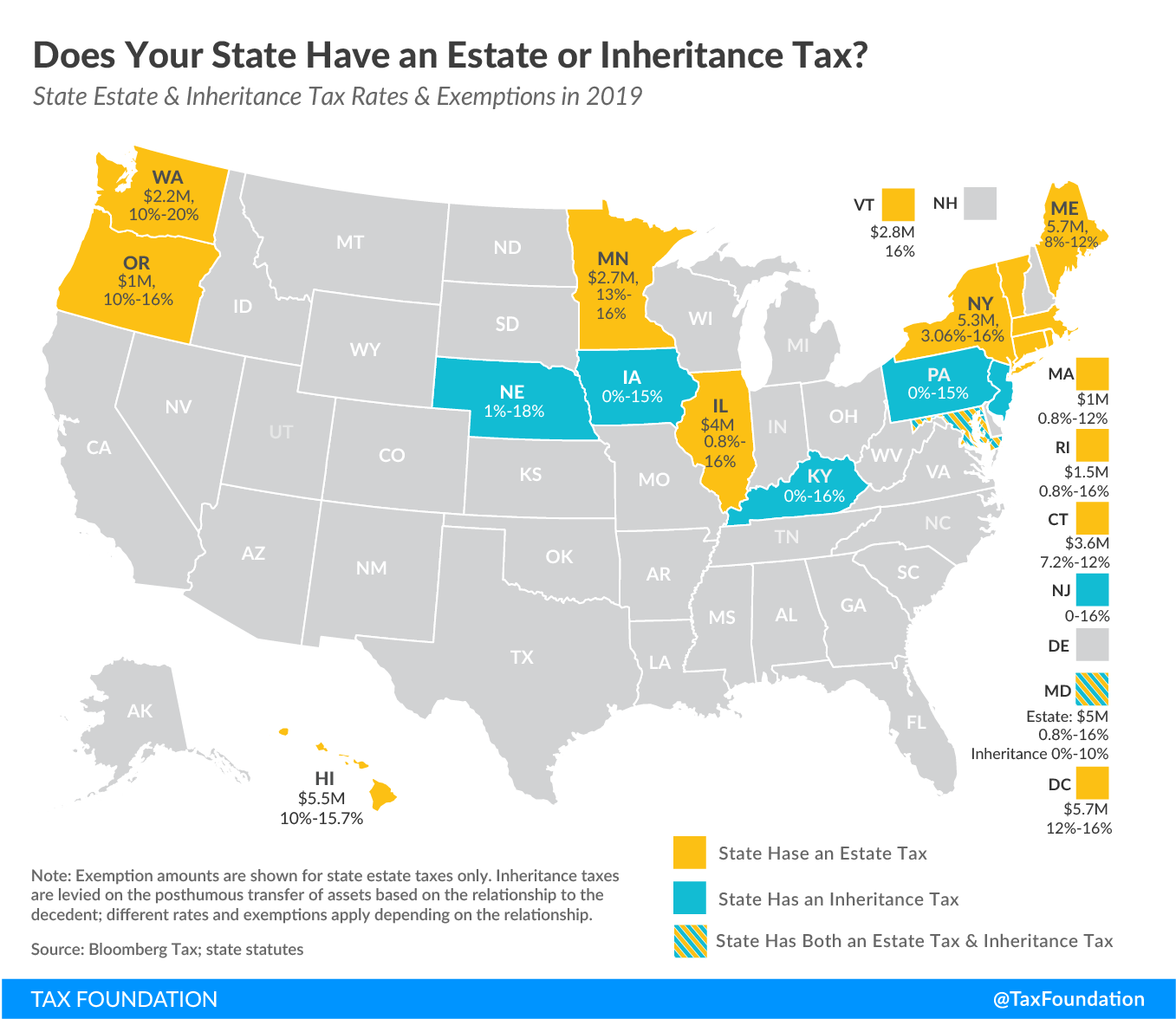
The lack of a state estate tax makes Colorado particularly appealing for certain lifestyle choices, especially for retirees and individuals with substantial assets. If your vision of retirement involves enjoying the state’s vibrant culture and outdoor activities without the added complexity of a state estate tax impacting your legacy, Colorado presents a compelling argument.
For individuals purchasing a second home, a vacation property, or investing in real estate in picturesque areas like Aspen or Vail, the absence of a state estate tax can simplify multi-state estate planning. If you reside in a state with an estate tax but own property in Colorado, the Colorado assets would not be subject to a separate state estate tax in Colorado upon your death, though they would still be part of your total estate for federal estate tax purposes and potentially for the estate tax of your primary domicile state. This clarity can be a significant advantage, reducing potential complications and administrative burdens for your heirs.
Ultimately, Colorado’s stance on estate tax can be a persuasive factor for those making significant lifestyle shifts. It offers a degree of financial predictability in wealth transfer that allows residents to focus more on enjoying the exceptional quality of life the state provides, rather than navigating complex state-specific death duties.
Essential Estate Planning for Colorado Residents (and Visitors with Property)
While the absence of a state estate tax in Colorado certainly simplifies one aspect of long-term lifestyle and financial planning, it by no means negates the need for comprehensive estate planning. Ensuring your wishes are honored, your assets are distributed as intended, and your loved ones are cared for requires a proactive approach, irrespective of state-specific taxes. This holistic planning is crucial for peace of mind, allowing you to fully embrace your Colorado lifestyle with confidence.
Beyond Estate Tax: Holistic Financial Planning for Your Colorado Lifestyle
Even without a state estate tax, a robust estate plan is a cornerstone of responsible financial management for anyone living in or owning property in Colorado. Key elements include:
- Wills and Trusts: A Last Will and Testament is fundamental, dictating how your assets will be distributed and who will care for minor children. For more complex situations, or to avoid probate, various types of trusts (e.g., living trusts, testamentary trusts) can be invaluable tools. These legal instruments ensure your legacy aligns with your intentions.
- Powers of Attorney: These documents are crucial for ensuring your affairs are managed if you become incapacitated. A Durable Power of Attorney for finances allows a trusted individual to make financial decisions on your behalf, while a Medical Power of Attorney (or Health Care Proxy) appoints someone to make healthcare decisions. These provide essential security for your personal well-being and financial stability as you enjoy your Colorado lifestyle.
- Beneficiary Designations: For assets like life insurance policies, IRAs, 401(k)s, and other retirement accounts, beneficiary designations often supersede your will. Regularly reviewing and updating these designations is critical to ensure your assets go to your intended recipients, aligning with your current life circumstances and family structure.
- Property Tax in Colorado: While free from state estate tax, property owners in Colorado will still contend with local property taxes. These can vary significantly by county and municipality, so understanding these costs is vital for budgeting and long-term financial projections, especially when purchasing real estate in desirable areas.
- Income Tax: Colorado has a flat state income tax rate. For residents, understanding how this impacts your overall income and retirement distributions is an ongoing part of financial planning.
When to Seek Professional Guidance
Navigating the complexities of estate planning, even in a state with simplified tax rules like Colorado, is often best done with professional assistance. Estate planning laws can be intricate, and a generalized approach rarely fits unique individual circumstances.
It is highly recommended to consult with experienced legal and financial advisors. An estate planning attorney specializing in Colorado law can help you draft documents that are legally sound and tailored to your specific goals. Financial planners can provide guidance on asset allocation, retirement income strategies, and how to structure your investments to meet your long-term objectives. For those with particularly large estates or complex financial situations (e.g., owning businesses, multi-state properties, or diverse investment portfolios), specialized tax professionals can offer invaluable insights into minimizing tax liabilities and optimizing wealth transfer. These experts can help you understand the interplay between federal tax laws, state property and income taxes, and your personal financial objectives, ensuring your [Colorado](https://lifeoutofthebox.com/colorado] lifestyle is supported by a robust and thoughtful plan.
Navigating Your Lifestyle Choices in Colorado with Confidence
Making the choice to embrace the Colorado lifestyle is an exciting venture, offering a blend of adventure, community, and natural splendor. For many, it represents the culmination of years of hard work and careful planning, embodying a vision of how they want to live and what legacy they wish to leave. Understanding the financial landscape, particularly concerning estate taxes, is a critical component of building this confident future.
The Big Picture: Colorado’s Appeal and Your Financial Future
Colorado’s allure extends far beyond its stunning landscapes and recreational opportunities. For individuals and families focused on long-term financial planning and wealth preservation, the absence of a state estate tax is a significant advantage. This policy position contributes to an environment where residents can enjoy a clearer path for intergenerational wealth transfer, providing an added layer of peace of mind. It positions Colorado as an attractive destination not only for its vibrant economy and quality of life but also for its favorable tax environment for estate planning.
When you factor in the robust job market in cities like Denver, the innovation hubs of Boulder, and the countless opportunities for outdoor recreation and cultural engagement across the state, the financial benefits integrate seamlessly into a holistic picture of an enviable lifestyle. Your financial future in Colorado can be characterized by both growth and stability, supported by thoughtful planning.
Making Informed Decisions About Your Colorado Dream
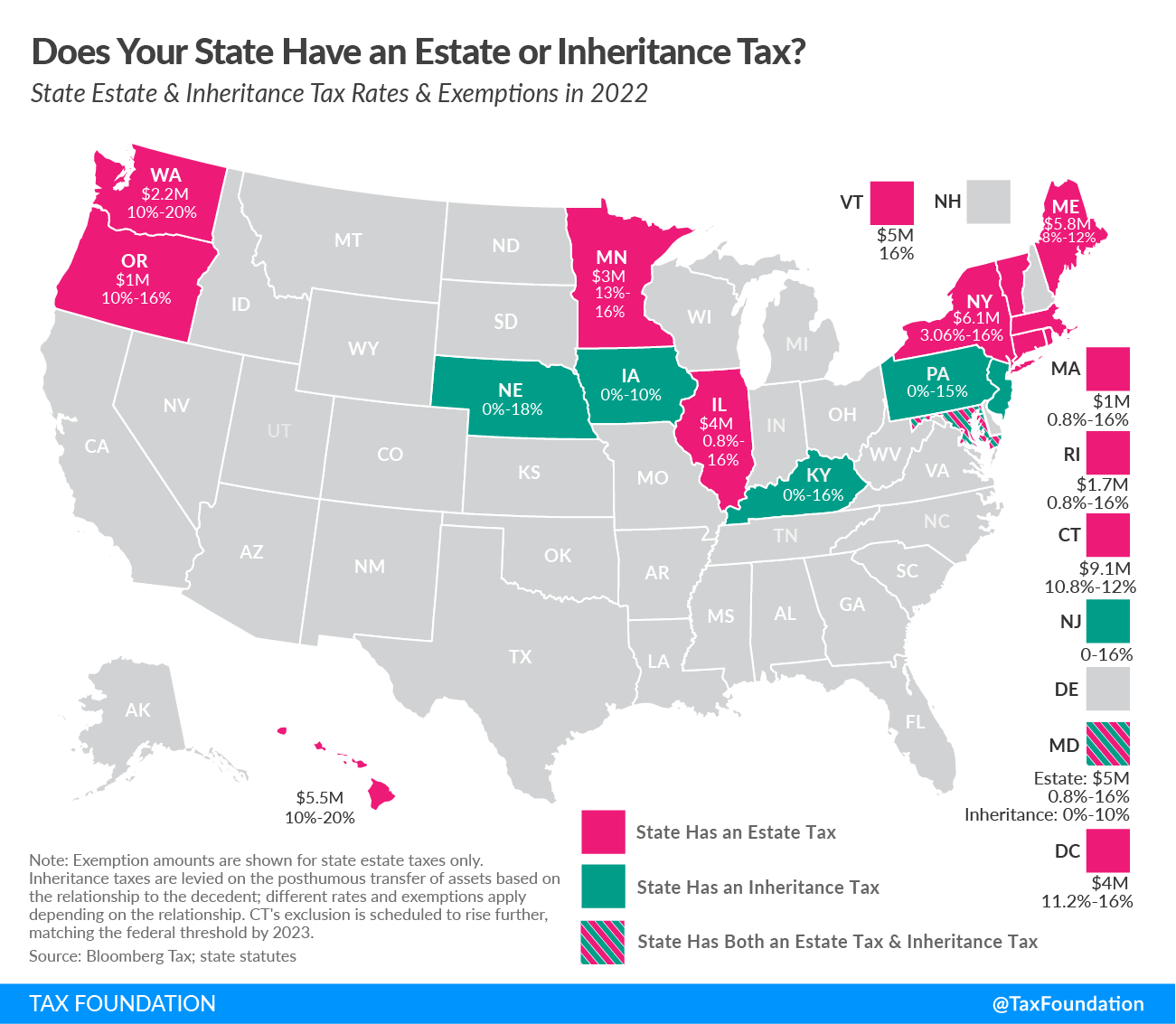
To reiterate, Colorado does not impose a state estate tax. This key piece of information simplifies estate planning for residents and property owners within the state. However, it’s crucial to remember that the federal estate tax still applies to very large estates, and comprehensive estate planning documents such as wills, trusts, and powers of attorney remain indispensable tools for everyone.
As you plan your move to, retirement in, or investment within Colorado, take a proactive approach to all aspects of your financial well-being. Engage with qualified professionals who can offer tailored advice to your specific situation. By understanding the nuances of tax laws, both federal and state-specific, and by crafting a personalized estate plan, you can ensure that your assets are protected, your wishes are respected, and your loved ones are provided for. This meticulous planning allows you to fully immerse yourself in the rich experiences and unparalleled beauty that define the Colorado lifestyle, truly living out your dream with confidence and security.
LifeOutOfTheBox is a participant in the Amazon Services LLC Associates Program, an affiliate advertising program designed to provide a means for sites to earn advertising fees by advertising and linking to Amazon.com. Amazon, the Amazon logo, AmazonSupply, and the AmazonSupply logo are trademarks of Amazon.com, Inc. or its affiliates. As an Amazon Associate we earn affiliate commissions from qualifying purchases.