
Embarking on a journey from the majestic peaks of Colorado to the bustling metropolis of New York is a quintessential American travel experience, bridging vast geographical and cultural landscapes. For many travelers, the immediate and most pressing question is, “How long will I actually be in the air?” While a direct flight offers the quickest passage, the true duration of your travel extends far beyond just the time spent soaring at cruising altitude. Understanding the nuances of flight times, the factors that influence them, and the entire travel continuum is key to a smooth and enjoyable trip.
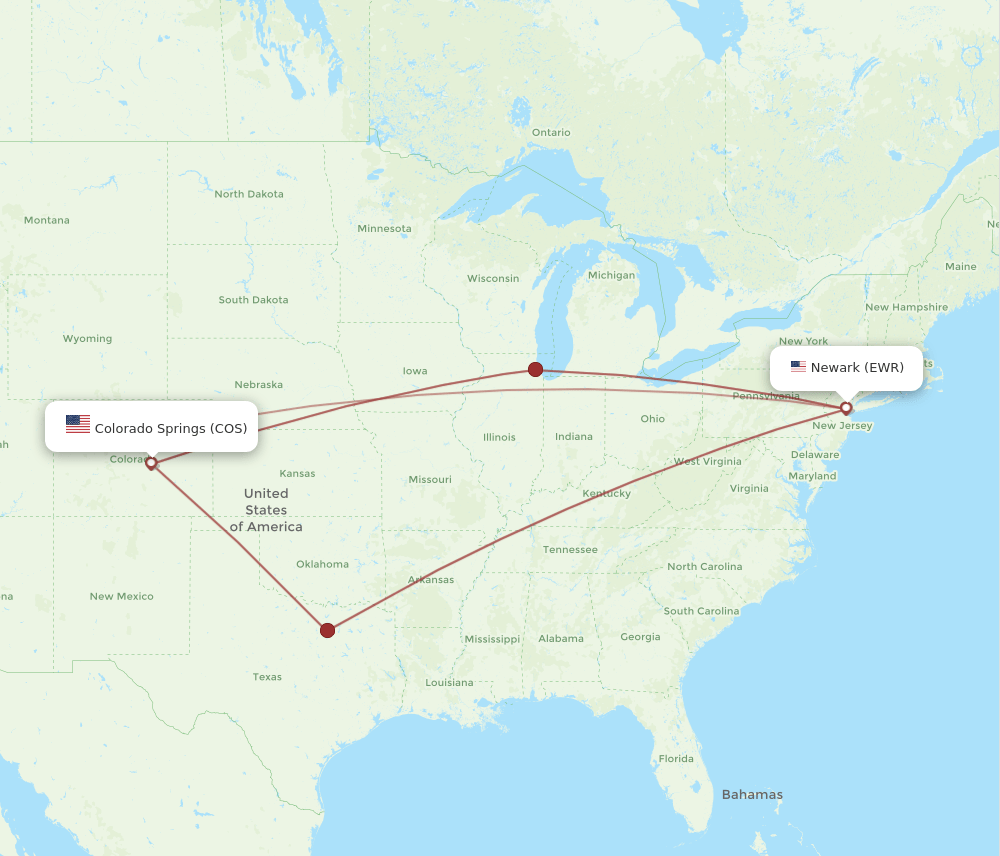
This guide delves into the specifics of flying from Colorado to New York, exploring everything from direct flight durations to the impact of connecting flights, weather, air traffic, and crucial ground considerations. By the end, you’ll have a comprehensive understanding of what to expect, allowing you to plan your journey with confidence and precision.
Understanding the Core Flight Duration
At its heart, the flight duration between Colorado and New York is a function of distance, aircraft speed, and the chosen flight path. However, this seemingly simple calculation can be influenced by a myriad of factors.
Direct Flights: The Fastest Route
For travelers prioritizing speed and convenience, direct flights are undoubtedly the optimal choice. These non-stop journeys eliminate the need for layovers, allowing you to get from point A to point B with minimal interruption.
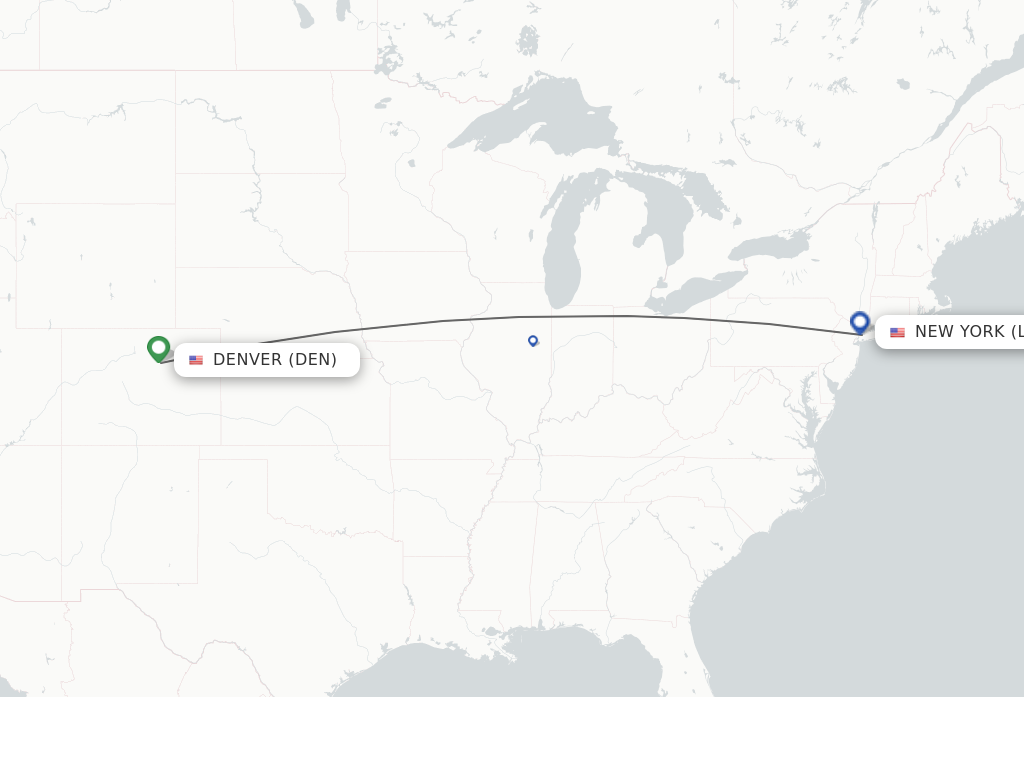
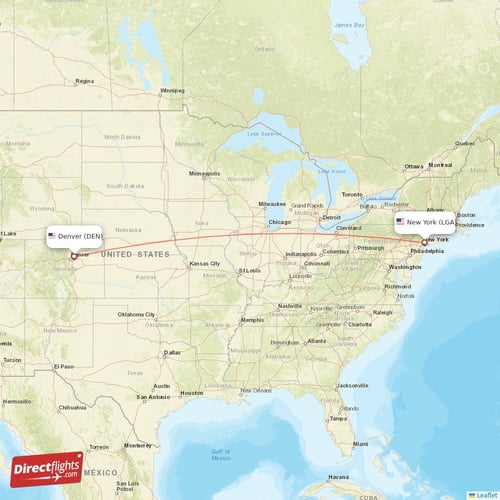
A typical direct flight from a major Colorado airport, such as Denver International Airport (DEN), to one of New York’s primary airports—John F. Kennedy International Airport (JFK), LaGuardia Airport (LGA), or Newark Liberty International Airport (EWR)—generally ranges from 3 hours and 30 minutes to 4 hours and 30 minutes.
This relatively consistent duration reflects the roughly 1,600 to 1,800 miles separating the two regions, which commercial passenger jets typically traverse at cruising speeds between 500-600 miles per hour. Airlines like United, Delta, Southwest, and American Airlines frequently offer multiple daily direct flights on this popular cross-country route, providing flexibility for various schedules. The slight variations in flight time can be attributed to specific flight paths, aircraft models, and, as we’ll explore, prevailing weather conditions.
Connecting Flights: Adding Time and Complexity
While direct flights are preferred, connecting flights are often a necessity, whether due to availability, cost, or specific travel plans. These flights involve at least one layover at an intermediary airport, significantly increasing the total travel time.
A connecting flight journey from Colorado to New York can easily range from 5 hours to 10+ hours, depending on the number and duration of layovers. Common connecting hubs for this route include major airports in cities like Chicago (ORD), Atlanta (ATL), Dallas/Fort Worth (DFW), Houston (IAH), or Charlotte (CLT).
When considering connecting flights, travelers must factor in:
- Layover Duration: This is the most variable component. Short layovers (30-60 minutes) can be risky, especially if your first flight experiences a delay, while longer layovers (2-4 hours) offer a buffer but add significantly to your total travel time. Some travelers even opt for extended layovers to explore an additional city.
- Number of Connections: Each additional connection adds not only more waiting time but also increases the chances of delays, missed connections, and baggage handling complexities.
- Airport Navigation: Large hub airports can be challenging to navigate, especially for tight connections, requiring travelers to move between terminals or concourses.
Careful planning is essential when opting for connecting flights to ensure a manageable and less stressful journey.
Factors Influencing Flight Time
Beyond the direct vs. connecting flight distinction, several dynamic factors can subtly or substantially alter the actual time you spend in the air and your overall travel duration.
Aircraft Type and Speed
The specific model of aircraft used for your flight can have a minor, yet noticeable, impact on flight duration. Different aircraft, even within the same airline’s fleet, possess varying cruising speeds and operational efficiencies.
For instance, a newer generation aircraft like a Boeing 737 MAX or an Airbus A320neo might offer slightly faster cruising speeds or more direct routing capabilities compared to older models, potentially shaving a few minutes off the journey. Wide-body aircraft, sometimes used on high-demand routes, also have distinct performance characteristics. While the difference might only be 5-15 minutes on a cross-country flight, it contributes to the overall variability.
Route and Air Traffic Control
The flight path an aircraft takes isn’t always a straight line. Air Traffic Control (ATC) manages the skies, directing thousands of flights daily to ensure safety and efficiency. This can lead to:
- Direct vs. Indirect Paths: While airlines strive for the most direct route, ATC might assign slightly altered paths to avoid adverse weather, military airspace, or congested corridors.
- Congestion: Airports like JFK and LaGuardia are among the busiest in the world. Approaching and departing from such hubs often involves holding patterns (circling in the air) or ground delays, adding to the total time. Similarly, Denver International Airport can experience congestion during peak travel times.
- Flow Control: During periods of high traffic or adverse weather, ATC may implement “flow control” initiatives, delaying flights on the ground before departure to prevent overwhelming the destination airport or specific airspace sectors.
Weather Conditions
Weather is arguably one of the most significant external factors affecting flight times. Its influence can be felt both en route and at the departure or arrival airports.
- Headwinds and Tailwinds: The most common weather-related impact comes from prevailing winds. A strong tailwind (wind blowing from behind the aircraft) can significantly reduce flight time, sometimes by 15-30 minutes on a cross-country flight. Conversely, a strong headwind (wind blowing against the aircraft’s direction of travel) will increase flight time, requiring the aircraft to exert more power and take longer to reach its destination.
- Storms and Turbulence: Severe weather systems, such as thunderstorms or blizzards, can necessitate rerouting the flight path to avoid turbulence, lightning, or icing conditions. These diversions add mileage and, consequently, time to the journey. In extreme cases, flights may be delayed on the ground or even canceled.
- Visibility: Fog, heavy rain, or snow at either the departure or arrival airport can reduce visibility, leading to slower operations, increased spacing between aircraft, and potential ground delays.
Airport Operations and Delays
Even after factoring in all airborne elements, ground operations play a crucial role in the overall travel duration.
- Taxiing Time: Both Denver International Airport and the New York area airports are vast. The time spent taxiing from the gate to the runway for takeoff, and from the runway to the gate upon arrival, can vary considerably. This can range from 10 minutes to 30 minutes or more, especially during peak hours or at sprawling airports like DEN.
- Gate Availability: Upon arrival, a flight might have to wait for an available gate, particularly at busy terminals. This “gate hold” adds to the ground time.
- Operational Issues: Unexpected mechanical issues with the aircraft, crew duty time limitations, or even minor ground incidents can lead to delays that ripple through the schedule, affecting departure and arrival times.
Beyond Flight Time: Total Travel Journey
Focusing solely on the time airborne provides an incomplete picture of the entire travel experience. A comprehensive understanding requires considering the time spent on the ground before and after your flight.
Pre-Flight Considerations
Your journey begins long before you step onto the aircraft. Planning for pre-flight activities is crucial for a stress-free departure.
- Travel to the Airport: Getting to Denver International Airport from downtown Denver or surrounding areas can take anywhere from 30 minutes to over an hour, depending on traffic and your mode of transportation (car, taxi, rideshare, RTD A-Line commuter rail). Factor in potential delays, especially during rush hour.
- Check-in and Bag Drop: While online check-in streamlines the process, if you’re checking luggage, you’ll need to allocate time for bag drop, typically 45-60 minutes before departure for domestic flights.
- Security Screening: Navigating TSA security checkpoints can be unpredictable. While services like TSA PreCheck or CLEAR can significantly speed up the process, standard lines can take 20 minutes to over an hour during peak times. Most airlines recommend arriving at least 2 hours before a domestic flight.
- Boarding Process: Once through security, you’ll need time to walk to your gate and be present for boarding, which usually commences 30-45 minutes before scheduled departure.
Post-Flight Considerations
The journey isn’t over when the wheels touch down. Getting from the aircraft to your final destination in New York City also requires planning.
- Deplaning and Baggage Claim: Disembarking the aircraft and retrieving checked luggage can take 15 minutes to an hour, particularly at large, busy airports like JFK or Newark Liberty.
- Ground Transportation in New York: Getting from JFK, LaGuardia, or Newark Liberty to Manhattan or other boroughs can be a journey in itself. Depending on traffic, time of day, and your chosen mode of transport (taxi, rideshare, AirTrain/subway, bus), this leg can take anywhere from 30 minutes to 1.5 hours or more.
- Time Zones: Don’t forget the three-hour time difference! Colorado observes Mountain Time, while New York is on Eastern Time. If you depart Denver at 9:00 AM Mountain Time, you’ll arrive in New York around 4:00 PM Eastern Time on a direct flight (9 AM MDT + 4h flight = 1 PM MDT, then + 3h time zone difference = 4 PM EDT). This eastward travel essentially “loses” three hours of your day, which can impact immediate plans upon arrival.
Optimizing Your Travel Experience
Given the numerous variables, smart planning can significantly enhance your travel experience from Colorado to New York, minimizing stress and maximizing efficiency.
Choosing the Right Flight
Making informed decisions during the booking process can set the tone for your entire trip.
- Prioritize Direct Flights for Speed: If your schedule is tight or you simply prefer the quickest journey, always opt for a direct flight. While sometimes pricier, the time savings and reduced stress are often worth the investment.
- Mind the Layover for Connecting Flights: If a direct flight isn’t an option, select connecting flights with reasonable layover durations (e.g., 1.5 to 2.5 hours). This provides enough buffer time for potential delays without making your total travel time excessively long. Avoid extremely short layovers, especially at large, unfamiliar airports.
- Book Early: Booking your flight well in advance often gives you access to a wider range of options, including preferred direct flights and better pricing. This also allows more time to plan your ground transportation.
- Consider Time of Day: Early morning flights often experience fewer delays than those later in the day, which can be affected by cumulative delays from earlier flights. However, factor in airport traffic for an early morning departure.
Essential Packing and Preparation
Thoughtful preparation extends beyond just your flight booking.
- Comfort is Key: Dress in comfortable layers and wear comfortable shoes, especially if you have a connecting flight or a long walk through the airport.
- Entertainment and Connectivity: Bring a power bank, fully charged devices, headphones, and offline entertainment. In-flight Wi-Fi is often available but can be slow or unreliable.
- Stay Hydrated and Nourished: Carry an empty reusable water bottle to fill after security, and pack snacks. While food is available for purchase, having your own ensures you have options.
- Travel Documents: Keep your ID and boarding pass easily accessible. Consider digital copies on your phone as a backup.
Managing Time and Expectations
A realistic outlook and proactive approach can mitigate the impact of unforeseen circumstances.
- Arrive Early: Always adhere to or even exceed the recommended airport arrival times. This buffer time accounts for unexpected queues, traffic, or other delays, reducing pre-flight anxiety.
- Utilize Airline Apps: Download your airline’s mobile app. It provides real-time updates on gate changes, delays, and baggage claim information, empowering you to react quickly to any changes.
- Build in Buffer Time: When planning your arrival in New York, especially if you have immediate appointments or events, build in extra time. Assume your flight might be 30-60 minutes late, and your ground transport might take longer than expected. This buffer allows for flexibility and prevents stress.
- Be Patient and Flexible: Travel can be unpredictable. Delays are a reality of air travel. Approaching your journey with patience and a flexible mindset will make any bumps along the way much easier to handle.
Conclusion
The flight from Colorado to New York is a relatively straightforward domestic journey, with direct flights typically lasting between 3.5 and 4.5 hours. However, the total travel time can stretch significantly when factoring in connecting flights, airport procedures, and external variables like weather and air traffic.
By understanding these multifaceted elements – from the type of aircraft and the whims of the wind to the crucial time spent on the ground and navigating the three-hour time zone difference between Mountain Time and Eastern Time – travelers can transform a potentially stressful cross-country hop into a well-managed and enjoyable adventure. Strategic planning, from choosing your flight to preparing for airport logistics and post-arrival ground transport in New York City, is your best tool for ensuring a smooth transition from the Rockies to the concrete jungle.
LifeOutOfTheBox is a participant in the Amazon Services LLC Associates Program, an affiliate advertising program designed to provide a means for sites to earn advertising fees by advertising and linking to Amazon.com. Amazon, the Amazon logo, AmazonSupply, and the AmazonSupply logo are trademarks of Amazon.com, Inc. or its affiliates. As an Amazon Associate we earn affiliate commissions from qualifying purchases.