
The Bellagio Hotel Las Vegas, an iconic beacon of luxury and entertainment on the Las Vegas Strip, is more than just a stunning resort; it’s a symbol of the city’s glamorous spirit. Its famous dancing fountains, exquisite art collection, and world-class dining have made it a must-visit destination for travelers from across the globe. But as you marvel at its grandeur, a question often arises: who actually owns this magnificent establishment? Understanding the ownership of a property like the Bellagio offers a glimpse into the complex world of Las Vegas tourism, real estate investment, and the evolution of the casino industry.
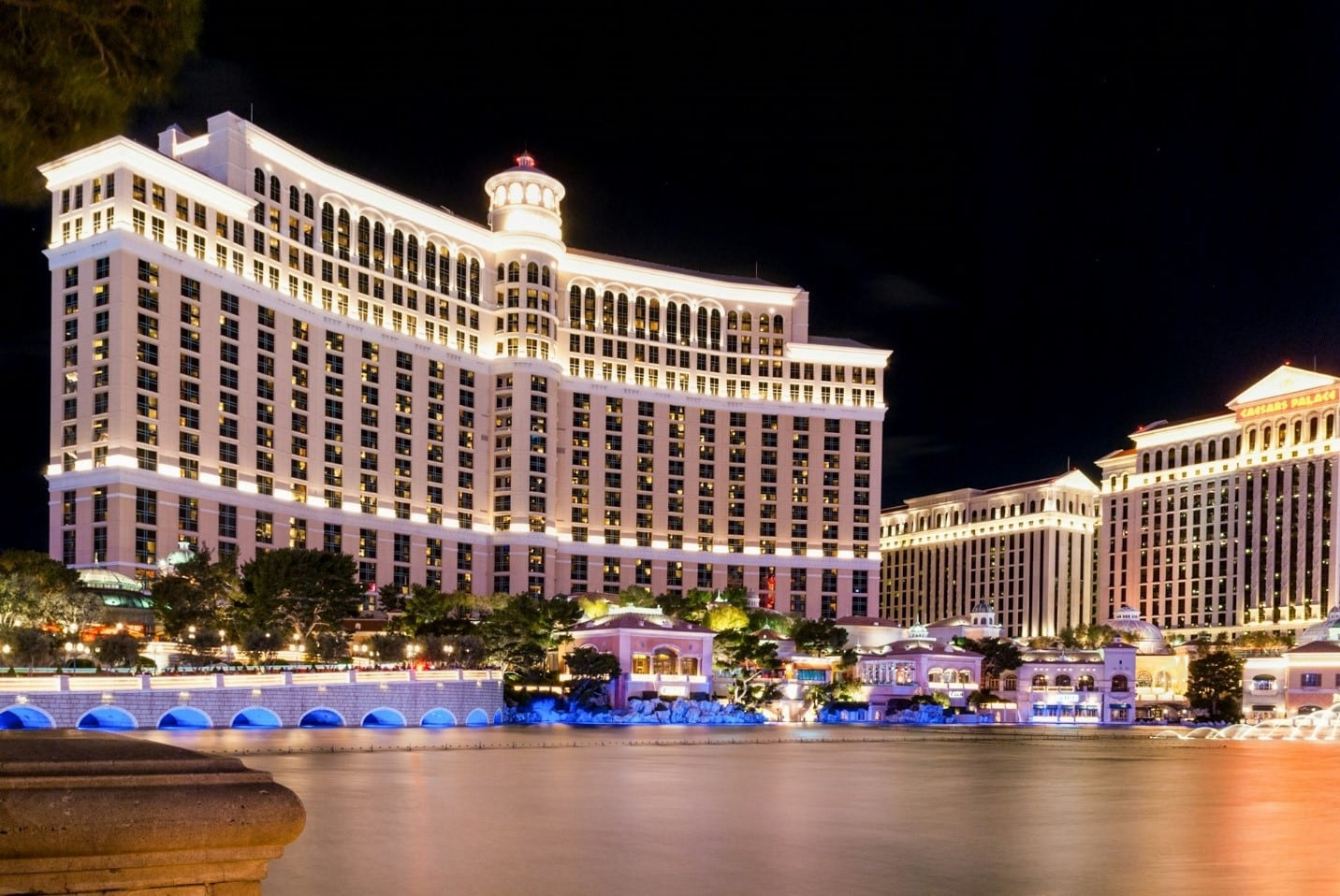
The journey of the Bellagio Hotel Las Vegas from its inception to its current ownership is a fascinating narrative that mirrors the shifting landscape of the hospitality and gaming sectors. Initially envisioned and built by the legendary casino mogul Steve Wynn, the resort opened its doors in 1998. Wynn’s vision was to create a destination that offered an unparalleled level of sophistication and artistic flair, moving away from the more boisterous themes of some earlier Las Vegas properties. He aimed to attract a clientele that appreciated fine art, gourmet cuisine, and an opulent atmosphere. The Bellagio was, and continues to be, a testament to this vision, attracting discerning travelers seeking a premium lifestyle experience.
A History of Ownership and Evolution
The story of the Bellagio’s ownership is intrinsically linked to the major players in the Las Vegas casino and hospitality industry. Ownership transitions often signify significant shifts in strategy, market focus, and the overall direction of these colossal properties. For a property as prominent as the Bellagio, these changes are not just financial transactions but also have an impact on its identity and the experiences it offers to its guests.
The Genesis: Steve Wynn’s Vision
Steve Wynn, a name synonymous with the transformation of Las Vegas into a premier global entertainment hub, was the driving force behind the creation of the Bellagio. He founded Mirage Resorts in 1978, and it was this company that developed and opened the Bellagio in October 1998. Wynn’s signature touch was evident in every aspect of the resort, from the meticulously designed interiors to the integration of high-end retail and dining. He believed that Las Vegas could offer more than just gambling; it could be a destination for culture, art, and fine living. The Bellagio, with its renowned Conservatory & Botanical Gardens, the world-class Bellagio Gallery of Fine Art, and its commitment to culinary excellence, was the embodiment of this philosophy. Wynn’s ambition was to create a resort that was not only profitable but also a work of art in itself, attracting a discerning crowd and setting new standards for luxury accommodation. The initial investment and the meticulous planning that went into its construction underscored its importance as a flagship property for Mirage Resorts. The resort quickly became a symbol of elegance and sophistication, drawing international attention and setting a new benchmark for luxury hotels in Nevada.
Transition to MGM Mirage

In 2000, a significant change occurred when Mirage Resorts was acquired by MGM Grand Inc. in a deal valued at approximately $6.4 billion. This merger created a new entity, MGM Mirage, which subsequently became one of the largest casino operators in the world. The acquisition meant that the Bellagio transitioned from being a part of Steve Wynn’s empire to becoming a crown jewel within the expanding portfolio of MGM Mirage. This was a pivotal moment, as it integrated the Bellagio’s unique brand of luxury with the vast resources and operational expertise of MGM Grand Inc. The transition was largely seamless for guests, with the resort maintaining its opulent ambiance and high standards of service. However, for the company, it represented a significant consolidation of power and market share on the Las Vegas Strip. The new company, MGM Mirage, continued to invest in the Bellagio, ensuring it remained at the forefront of Las Vegas luxury tourism. This period saw the property benefit from enhanced marketing reach and operational synergies, solidifying its position as a leading destination for both leisure and business travelers. The integration into a larger corporate structure allowed for greater efficiency in management and a broader scope for future developments and enhancements.
Under the Umbrella of MGM Resorts International
Following the acquisition of MGM Mirage by Trident and its subsequent renaming to MGM Resorts International in 2010, the Bellagio continued to operate under this new corporate umbrella. MGM Resorts International is one of the world’s leading entertainment and hospitality companies, with a vast portfolio of hotels, casinos, and resorts. The Bellagio remains one of its flagship properties, representing the pinnacle of luxury within the company’s offerings. As part of MGM Resorts International, the Bellagio benefits from the company’s extensive resources, global marketing reach, and commitment to innovation in the travel and tourism sector. This ownership structure has allowed the Bellagio to maintain its status as a premier destination, continually investing in its facilities, amenities, and guest experiences. The company’s focus on integrated resort experiences means the Bellagio is part of a larger ecosystem of entertainment, dining, and gaming options that MGM Resorts International offers across Las Vegas. This strategic positioning allows the Bellagio to cater to a diverse range of guests, from those seeking a tranquil luxury getaway to those looking for a vibrant Las Vegas experience. The ongoing commitment from MGM Resorts International ensures that the Bellagio continues to evolve, adapting to changing market trends while staying true to its core identity of elegance and sophistication.
The Current Ownership Landscape
Understanding the current ownership of the Bellagio Hotel Las Vegas requires looking at the corporate structures that manage and operate it. While the physical property might be owned by one entity, the operational management can sometimes be handled by another, creating a layered ownership model that is common in the resort industry.
The Role of Blackstone and MGM Resorts International
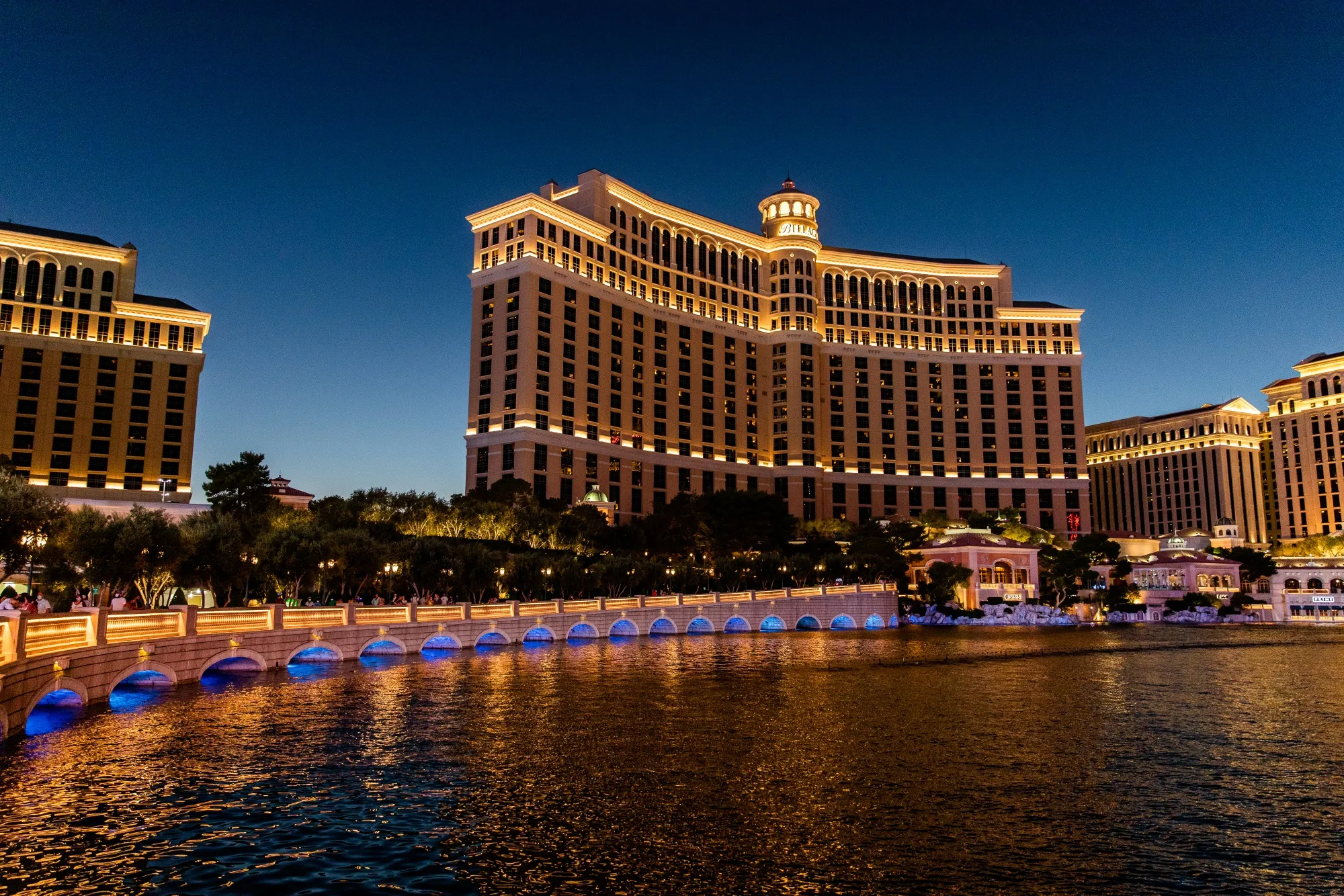
In recent years, the ownership structure of the Bellagio has seen a significant transaction that highlights the complex financial arrangements within the Las Vegas resort market. In 2019, MGM Resorts International sold the Bellagio to Blackstone Real Estate for $4.25 billion. However, this sale was structured as a sale-leaseback agreement. This means that while Blackstone now owns the physical real estate of the Bellagio, MGM Resorts International continues to operate the hotel and casino under a long-term lease agreement. This arrangement is not uncommon in the industry, allowing the operator to free up capital for other investments while still controlling the operations and guest experience of the property. Blackstone, a global investment firm, acquired the property as a strategic investment, recognizing the enduring value and iconic status of the Bellagio. This partnership ensures that the Bellagio benefits from the financial backing and real estate expertise of Blackstone while retaining the operational excellence and brand management that MGM Resorts International is known for. This dual role is crucial for maintaining the Bellagio’s position as a premier luxury destination, ensuring continued investment in its infrastructure and amenities, and offering a seamless experience for the millions of tourists who visit each year. The lease agreement ensures that MGM Resorts International remains the steward of the guest experience, managing everything from the luxurious suites and diverse restaurants to the world-famous Fountains of Bellagio and the enchanting Conservatory.
What This Means for the Guest Experience
The nuanced ownership of the Bellagio Hotel Las Vegas ultimately has minimal direct impact on the average guest’s experience, which is a testament to the successful management and operational agreements in place. Guests arriving at the Bellagio are greeted by the same opulent lobbies, sophisticated ambiance, and impeccable service that have defined the resort for decades. MGM Resorts International remains responsible for the day-to-day operations, ensuring that the standards of luxury, entertainment, and dining remain exceptionally high. This includes the management of the resort’s numerous amenities, such as its expansive casino floor, award-winning restaurants, elegant spa, and the stunning Conservatory & Botanical Gardens. The iconic Fountains of Bellagio, a beloved Las Vegas landmark, continue to perform their mesmerizing water ballet, captivating visitors and locals alike. The commitment to maintaining and enhancing the guest experience is paramount. Whether you’re staying in one of the lavish suites, enjoying a gourmet meal at one of the fine dining establishments, or simply taking in the breathtaking floral displays in the Conservatory, the operational excellence overseen by MGM Resorts International ensures a memorable visit. The investment and oversight from Blackstone as the property owner support the ongoing upkeep and potential future renovations, ensuring the Bellagio remains a cutting-edge and luxurious destination for years to come. This collaborative approach ensures that the Bellagio continues to be a crown jewel on the Las Vegas Strip, offering an unforgettable lifestyle experience that blends classic elegance with modern luxury. The focus remains on providing exceptional accommodation, world-class entertainment, and a truly immersive tourism experience, all hallmarks of the Bellagio brand.
LifeOutOfTheBox is a participant in the Amazon Services LLC Associates Program, an affiliate advertising program designed to provide a means for sites to earn advertising fees by advertising and linking to Amazon.com. Amazon, the Amazon logo, AmazonSupply, and the AmazonSupply logo are trademarks of Amazon.com, Inc. or its affiliates. As an Amazon Associate we earn affiliate commissions from qualifying purchases.