
New Hampshire, often celebrated for its picturesque landscapes and rich history, carries a unique financial distinction that is particularly appealing to travelers and residents alike: it is one of the few states in the United States that does not impose a general sales tax. This absence of sales tax significantly impacts the cost of goods and services for visitors exploring the Granite State, influencing everything from souvenir purchases to dining out and even the acquisition of larger items. For those planning a trip or considering a move, understanding this fiscal policy is paramount to maximizing their budget and enjoying all that New Hampshire has to offer.
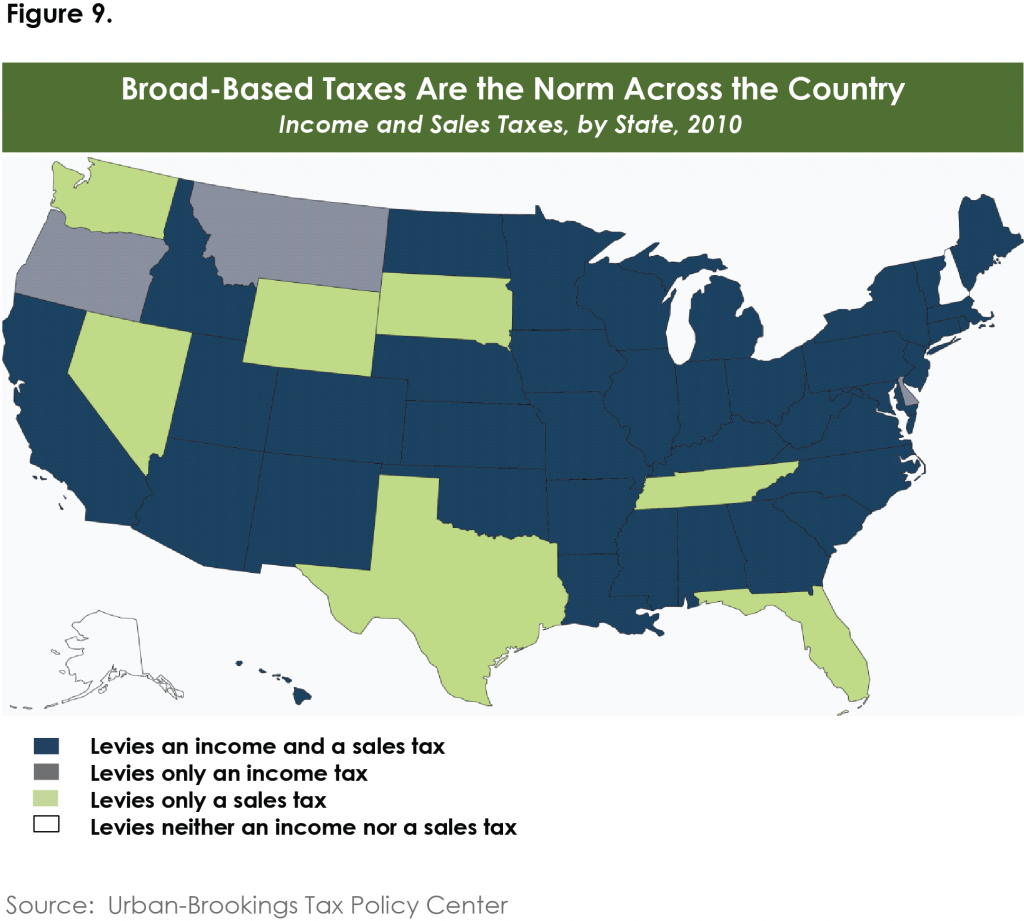
The absence of a statewide sales tax is a cornerstone of New Hampshire’s appeal. This economic characteristic fosters a business-friendly environment and can lead to noticeable savings for consumers. For travelers, this means that the prices they see on many items are the prices they will pay, without the additional percentage added at the point of sale. This can make a substantial difference, especially for those making significant purchases or planning extensive shopping excursions.
The Financial Landscape of New Hampshire
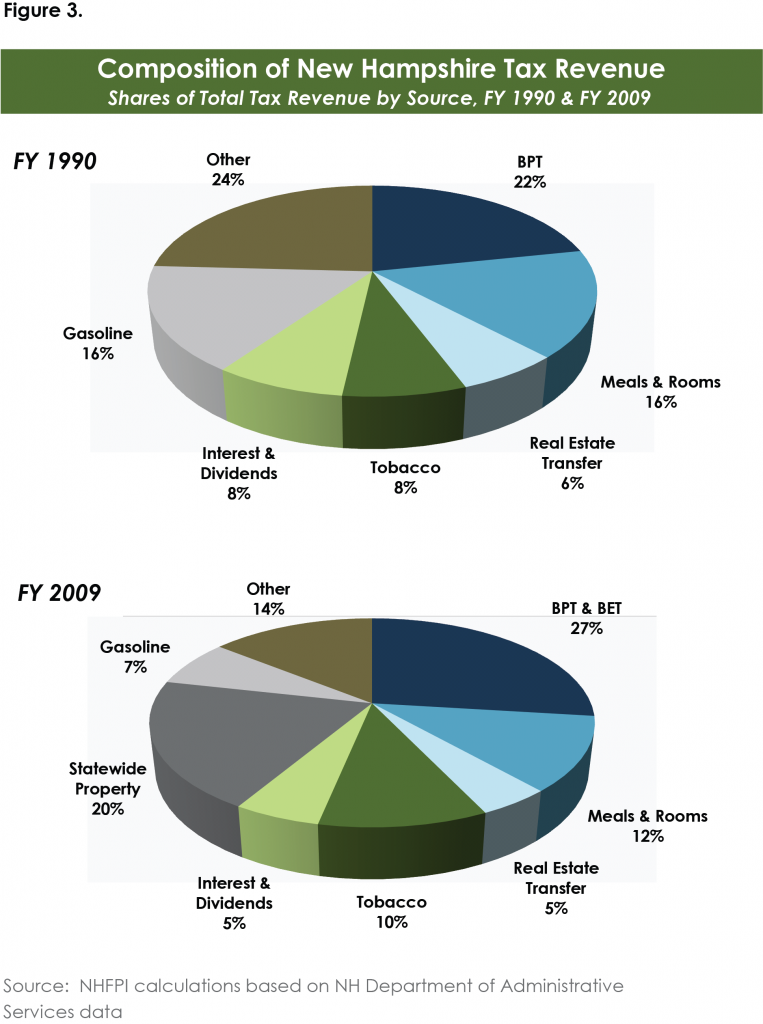
New Hampshire’s revenue streams are primarily generated through other forms of taxation, rather than a general sales tax. This approach has been a deliberate policy choice, aiming to attract commerce and consumers from neighboring states. Understanding these alternative revenue sources provides insight into how the state funds its public services and infrastructure.
Pillars of State Revenue
While the absence of a sales tax is a headline feature, it is crucial to understand how the state compensates for this lack of revenue. New Hampshire relies on a combination of business taxes, property taxes, and taxes on specific goods and services, such as meals and rooms.
Business Taxes
New Hampshire levies taxes on business profits, a significant contributor to the state’s coffers. This includes the Business Profits Tax (BPT), which applies to the net income of businesses operating within the state. For corporations, this tax is a key factor in their operational expenses. The state also has a Business Enterprise Tax (BET) for businesses with significant tangible business and intangible property. These taxes, while impacting businesses, do not directly affect the consumer at the point of sale for most goods.
Property Taxes
Local property taxes form another substantial portion of New Hampshire’s revenue, funding essential local services like schools, police, and fire departments. These taxes are levied by individual municipalities and are based on the assessed value of real estate. While this is a significant tax burden for property owners, it is distinct from a statewide sales tax and does not affect transient visitors in the same way.
The Unique Tax Structure
The intentional absence of a general sales tax has shaped New Hampshire’s economic identity. This “tax-free” shopping experience is a major draw, particularly for residents of neighboring states like Massachusetts, Vermont, and Maine, where sales taxes are in effect.
No General Sales Tax: The Primary Attraction
The most prominent aspect of New Hampshire’s tax structure for consumers is the complete absence of a statewide sales tax on most goods and services. This means that when you purchase an item in a store in places like Portsmouth or Concord, the price tag is the final price you pay, barring any specific local fees or taxes on niche items. This policy directly benefits shoppers, making New Hampshire a destination for bargain hunters and those looking to make significant purchases, such as electronics, furniture, or automobiles.
Taxes on Specific Goods and Services
While there is no general sales tax, New Hampshire does levy taxes on certain specific items and services. This is how the state generates revenue from transactions that would otherwise fall under a sales tax umbrella in other states.
The Meals and Rooms Tax
One of the most significant taxes levied in New Hampshire is the Meals and Rooms Tax. This tax applies to the purchase of prepared food and beverages served by restaurants, caterers, and similar establishments, as well as charges for lodging in hotels, motels, inns, and other similar accommodations. The current rate for this tax is 9%. This means that while you can buy a book or a piece of clothing tax-free, your restaurant bill and your hotel stay will include an additional charge. This tax is particularly relevant for tourists and travelers who will frequently engage in these activities.
Other Specific Taxes
Beyond the meals and rooms tax, New Hampshire also imposes taxes on specific items that are often taxed at a state level. These include taxes on tobacco products, alcoholic beverages, and motor fuel. These are considered excise taxes, levied on specific commodities rather than on the general sale of goods. While these are taxes, they are not part of a general sales tax system and are typically a fixed rate per unit or a percentage on specific items.
Impact on Travelers and Tourists
The absence of a general sales tax has a profound impact on the travel experience in New Hampshire. It influences purchasing decisions, enhances the value proposition of visiting the state, and can lead to significant savings for tourists.
Budgeting for Your New Hampshire Trip
Understanding the tax structure is a critical component of budgeting for any trip. In New Hampshire, this means you can allocate your funds with a clearer understanding of the upfront costs of most goods.
Savings on Purchases

The most immediate benefit for travelers is the direct savings on a wide array of purchases. For instance, if you are visiting North Conway for some outlet shopping, the prices displayed on the tags are precisely what you will pay, unlike in neighboring states. This can make a considerable difference for families on vacation or individuals looking to make larger purchases. Souvenirs, clothing, electronics, and even vehicles can be acquired without the added burden of a sales tax.
Restaurant and Accommodation Costs
While the general savings are substantial, it’s important to remember the exceptions. The 9% Meals and Rooms Tax will affect your dining and lodging expenses. When comparing accommodation options in areas like the White Mountains or along the coast in Rye, factor in this additional percentage when evaluating the total cost. Similarly, when enjoying a meal at a local eatery in Manchester or Nashua, be prepared for the tax to be added to your bill. This is a key consideration when calculating your daily expenses.
Shopping as a Tourist Activity
The tax-free aspect of New Hampshire elevates shopping from a mere necessity to a more appealing tourist activity. It encourages visitors to explore the state’s retail offerings, from quaint local boutiques to larger shopping centers.
Exploring Retail Opportunities
From the bustling shops in Dover to the unique artisan stores in the smaller towns, New Hampshire offers a diverse retail landscape. The absence of sales tax amplifies the allure of these shopping opportunities, making it a more attractive proposition for visitors who might otherwise defer purchases until they return home. This can lead to increased spending within the state, benefiting local businesses.
The Appeal of Tax-Free Shopping Destinations
New Hampshire has successfully leveraged its tax policies to become a shopping destination. Areas like the aforementioned North Conway are renowned for their outlet malls, attracting shoppers from across the region specifically for the tax-free advantage. This creates a unique economic ecosystem where tourism and retail are closely intertwined, driven in part by the state’s fiscal policies.
Navigating Specific Taxable Items
While the general rule is no sales tax, being aware of the exceptions is crucial for accurate financial planning and avoiding any surprises. The Meals and Rooms Tax, in particular, is a significant factor for most travelers.
Understanding the Meals and Rooms Tax
The 9% Meals and Rooms Tax is applied to specific categories of services that are integral to the tourist experience.
Dining Out
When you sit down for a meal at a restaurant, café, or diner in New Hampshire, the bill will reflect the price of the food and beverages plus the 9% tax. This applies whether you are enjoying fresh seafood on the coast or a hearty breakfast in a mountain town. It is important to remember this when budgeting for meals throughout your stay.
Hotel Stays and Lodging
Similarly, the cost of your accommodation will be subject to the 9% tax. This means that a hotel room in Concord, a resort in the White Mountains, or a rental property booked through a service will have this tax added to the base rate. Always inquire about the total cost, including taxes, when booking accommodation.
Other Taxable Transactions
Beyond meals and lodging, a few other specific items or transactions carry taxes, though these are generally not considered part of a general sales tax.
Tobacco and Alcohol
As is common in most states, New Hampshire levies excise taxes on tobacco products and alcoholic beverages. These taxes are typically embedded within the price of these items and are not usually itemized as a separate sales tax.
Motor Vehicle Purchases
While the purchase of a vehicle is generally exempt from sales tax, there are other fees and taxes associated with vehicle registration and titling in New Hampshire. These are separate from a sales tax and are handled by the New Hampshire Department of Motor Vehicles.
Conclusion: A Tax-Advantaged Destination
New Hampshire stands out as a state that has strategically chosen not to implement a general sales tax. This fiscal decision has significant implications for both residents and, importantly, for visitors. The absence of this tax translates into tangible savings on a vast array of goods, making the state an attractive destination for shoppers and those looking to stretch their travel budgets further.
While the allure of tax-free shopping is undeniable, it is essential for travelers to remain informed about the specific taxes that do apply, primarily the 9% Meals and Rooms Tax. Understanding these nuances allows for more accurate budgeting and a more informed travel experience. Whether you are drawn to the natural beauty of the White Mountains, the historic charm of Portsmouth, or the vibrant city life of Manchester, New Hampshire’s unique tax structure is a compelling aspect that enhances its appeal as a premier travel destination. By being aware of these financial considerations, visitors can fully enjoy all that the Granite State has to offer, maximizing both their experiences and their savings.
LifeOutOfTheBox is a participant in the Amazon Services LLC Associates Program, an affiliate advertising program designed to provide a means for sites to earn advertising fees by advertising and linking to Amazon.com. Amazon, the Amazon logo, AmazonSupply, and the AmazonSupply logo are trademarks of Amazon.com, Inc. or its affiliates. As an Amazon Associate we earn affiliate commissions from qualifying purchases.