
Navigating airline baggage policies can often feel like deciphering a complex code, leaving many travelers wondering about the specifics, especially regarding carry-on luggage. For those flying with Alaska Airlines, the good news is that, yes, they absolutely do allow carry-on bags. However, understanding the precise rules, dimensions, and allowances is crucial to ensure a smooth boarding process and avoid unexpected fees or delays. This comprehensive guide will delve into the intricacies of Alaska Airlines’ carry-on policy, equipping you with the knowledge needed for a stress-free journey.
Alaska Airlines is renowned for its customer service and extensive network, particularly across the West Coast of the United States and to Alaska. Like most major carriers, their carry-on policy is designed to balance passenger convenience with operational efficiency and safety. A proper understanding not only saves you money but also significantly enhances your travel experience, allowing you to keep essential items close and bypass the baggage claim carousel upon arrival.
Understanding Alaska Airlines’ Carry-On Policy Overview
At its core, Alaska Airlines’ policy permits each passenger to bring one carry-on bag and one personal item into the cabin. This standard allowance is a cornerstone of modern air travel, recognizing the need for passengers to have immediate access to certain belongings while in transit. The distinction between a “carry-on bag” and a “personal item” is critical, as each has its own set of rules regarding size and placement within the aircraft.
The Basic Rule: One Carry-On, One Personal Item
This fundamental allowance is consistent across most fare types, including Main Cabin and First Class tickets. The idea is to accommodate necessary items without overcrowding the overhead bins or under-seat spaces, which could otherwise pose safety hazards or inconvenience other passengers. The carry-on bag is typically stowed in the overhead compartment, while the personal item is designed to fit under the seat in front of you. This thoughtful separation ensures that vital items like medications, travel documents, or entertainment devices remain readily accessible throughout your flight.
Personal Item vs. Carry-On Bag: Key Differences
While both are allowed in the cabin, their purpose and placement differ significantly. A personal item is generally smaller and designed for daily essentials you might need during the flight. This could include a purse, a laptop bag, a small backpack, or a briefcase. Its primary requirement is that it must fit completely under the seat in front of you.
The carry-on bag, on the other hand, is larger and typically houses clothing, shoes, toiletries, and other items you prefer not to check. This bag is designated for the overhead bins. The most common types of carry-on bags are small suitcases with wheels or larger backpacks. Adhering to the size limits for each is paramount, as gate agents are well-versed in spotting oversized luggage that could disrupt boarding or even require an unplanned gate check, often incurring additional fees.
Dimensions and Weight: Navigating the Specifics
The success of bringing your carry-on aboard hinges entirely on meeting Alaska Airlines’ specific size and weight restrictions. These limits are not arbitrary; they are meticulously calculated to ensure safety, efficiency, and fairness to all passengers, given the finite space available within aircraft cabins. Ignoring these specifications can lead to unexpected costs and last-minute stress at the boarding gate.
Carry-On Bag Specifics
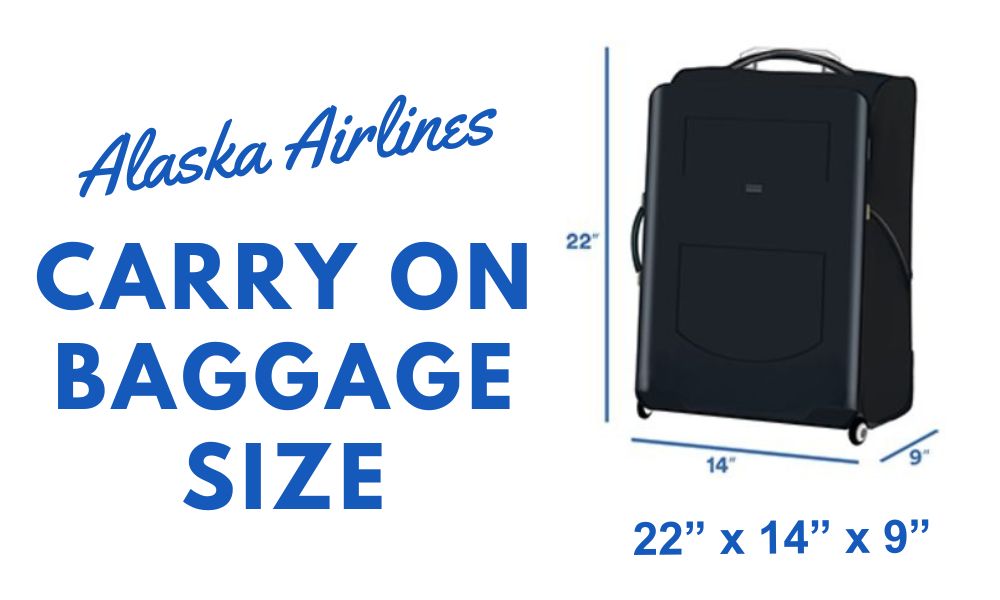
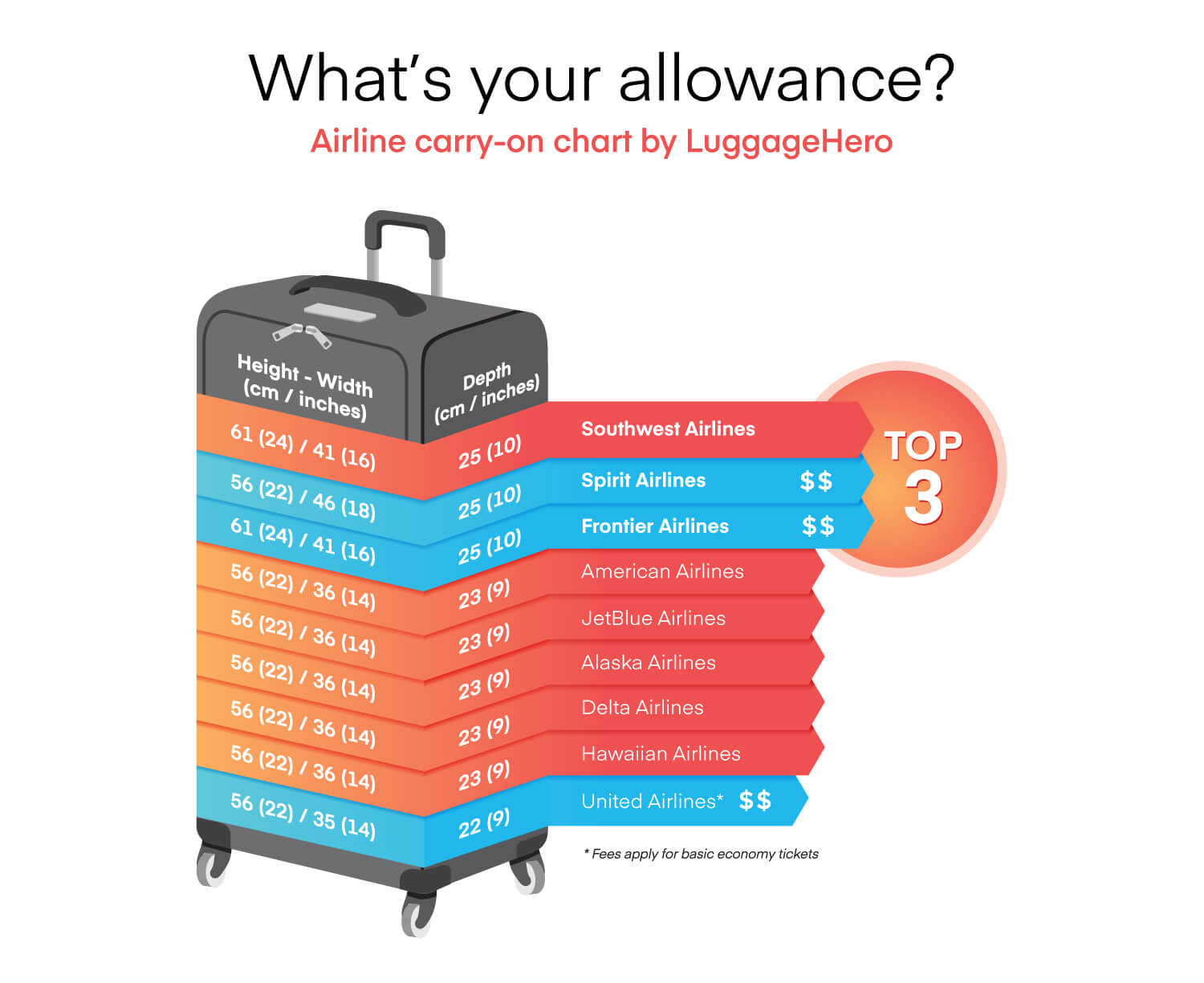
For the main carry-on bag, Alaska Airlines stipulates maximum dimensions of 22 inches long x 14 inches wide x 9 inches tall (56 x 36 x 23 cm). This includes handles and wheels. While Alaska Airlines does not explicitly state a weight limit for carry-on bags on domestic flights, it’s generally understood that the bag must be light enough for you to lift it into the overhead bin unassisted. For international flights, or codeshare flights operated by partner airlines, specific weight limits might apply, so it’s always wise to check with the operating carrier if your itinerary involves multiple airlines or international segments. The “fit-in-the-sizer” test is the ultimate determinant; if your bag cannot easily slide into the metal sizing cage found at check-in counters and boarding gates, it’s considered oversized.
Personal Item Specifics
The personal item has more lenient, but equally important, restrictions. It must be able to fit under the seat in front of you. While Alaska Airlines does not provide exact dimensions for personal items, the general guideline for under-seat storage is roughly 18 x 11 x 8 inches (45 x 28 x 20 cm). It’s crucial that your personal item can be stowed completely under the seat without impeding your legroom or protruding into the aisle, as this is a safety requirement for emergency evacuations. Common examples include a small backpack, a briefcase, a laptop bag, or a purse.
Tools for Measuring and Pre-Flight Checks
To avoid any surprises at the airport, it’s highly recommended to measure your bags before heading to Seattle-Tacoma International Airport or any other departure gate. Many luggage manufacturers list the dimensions of their products, but always measure the bag yourself, especially if it’s soft-sided and prone to bulging when fully packed. Invest in a small, portable luggage scale if you’re concerned about weight, particularly for international travel. Additionally, perform a “dry run” by ensuring your personal item fits comfortably under a standard chair at home, mimicking the under-seat space on an aircraft.
Navigating Exemptions and Special Items
While the standard carry-on and personal item rules apply to most passengers, Alaska Airlines, like other airlines, makes allowances for certain essential or special items. These exemptions are designed to accommodate specific passenger needs, ensuring accessibility and comfort for all travelers.
Medical Devices and Mobility Aids
Essential medical devices, such as CPAP machines, oxygen concentrators, or wheelchairs, are typically allowed in addition to your standard carry-on allowance, provided they meet specific safety regulations and can be stowed properly. Similarly, mobility aids like crutches or canes can be brought on board. It’s always advisable to notify Alaska Airlines in advance if you plan to travel with specialized medical equipment, as some items may require pre-approval or specific instructions for use during flight.

Child Travel Items
For passengers traveling with infants or young children, items such as car seats, strollers, and diaper bags generally do not count towards the one carry-on/one personal item limit. A diaper bag, specifically, is often considered a supplemental personal item. Strollers and car seats can usually be checked at the gate free of charge, making them accessible right up until boarding. Always confirm the latest policies on the Alaska Airlines website or with their customer service, as rules for children’s items can occasionally vary.
Musical Instruments
Traveling with musical instruments can be tricky. Small instruments, like violins or guitars, may be carried on board if they fit within the overhead bin or can be safely stowed under a seat, provided they meet the standard carry-on dimensions. Larger instruments, however, may require the purchase of an additional seat for them or may need to be checked as fragile baggage. It’s crucial to contact Alaska Airlines customer service well in advance if you plan to travel with an instrument to understand their specific requirements and avoid any last-minute complications.
Duty-Free Purchases
Any duty-free purchases made at the airport, particularly those containing liquids, gels, or aerosols, are typically allowed in addition to your carry-on and personal item, provided they are sealed in a tamper-evident bag by the retailer. This ensures compliance with Transportation Security Administration (TSA) liquid rules. However, always be mindful of overall cabin space and your ability to comfortably manage these additional items.
Tips for a Smooth Carry-On Experience
A well-planned carry-on strategy can significantly enhance your travel experience, saving you time, money, and stress. From strategic packing to navigating security, a few key practices can make all the difference.
Strategic Packing and Organization
- Roll, Don’t Fold: Rolling clothes often saves space and minimizes wrinkles.
- Utilize Packing Cubes: These can compress items and organize your belongings efficiently, making it easier to find what you need without rummaging.
- Wear Bulky Items: If you have heavy jackets or bulky shoes, wear them on the plane instead of packing them to free up valuable bag space.
- Minimize Liquids: Adhere strictly to the Transportation Security Administration (TSA) 3-1-1 rule for liquids, gels, and aerosols (containers must be 3.4 ounces or less, fit in one quart-sized bag, and be limited to one bag per passenger). Keep this bag easily accessible for security checks.
- Essential First: Pack medications, important documents, chargers, and a change of clothes in your personal item or at the very top of your carry-on for easy access.
Security Checkpoint Preparation
The Transportation Security Administration (TSA) has specific requirements for carry-on items. Ensure all electronics larger than a cell phone (laptops, tablets, cameras) are easily removable from your bag, as they often need to be placed in separate bins. Remember to remove liquids from your bag and place them in the designated bin. Wearing slip-on shoes can also expedite the process through security lines. Being prepared minimizes delays for both you and fellow travelers.
Utilizing Under-Seat Space Effectively
Remember that your personal item’s primary home is under the seat in front of you. Maximize this space by choosing a soft-sided bag that can be slightly squished to fit. This area is perfect for items you’ll want during the flight, such as snacks, a book, headphones, or a small pillow. By keeping these essentials under your seat, you avoid needing to access the overhead bin mid-flight, which can be inconvenient for you and others.
What Happens If Your Bag Exceeds Limits?
Despite best intentions, sometimes a carry-on bag might turn out to be larger or heavier than allowed. Understanding the potential consequences and procedures can help mitigate stress if this situation arises.
Gate Check Procedures
If your carry-on bag exceeds the size limits (or, in rare cases, weight limits where applicable) or if the overhead bins are full, Alaska Airlines staff will likely require you to “gate check” your bag. This means your bag will be tagged and taken by airline personnel at the boarding gate, then stored in the cargo hold. You will usually retrieve it at your destination’s baggage claim area, similar to a checked bag, or sometimes on the jet bridge upon arrival. While this isn’t ideal, it’s a common procedure, especially on fuller flights.
Associated Fees
One of the most significant reasons to adhere to carry-on rules is to avoid unexpected costs. If your bag needs to be gate-checked due to being oversized or overweight, Alaska Airlines may charge you the standard checked baggage fee. These fees can vary, but typically range from $30-$35 for the first checked bag, and more for subsequent bags or significantly overweight items. For passengers who intentionally try to bypass checked baggage fees by overstuffing a carry-on, this can result in paying more than if they had simply checked the bag at the counter initially. Furthermore, on certain fare types like Basic Economy (though less common with Alaska Airlines compared to other carriers, it’s a common industry practice), a carry-on bag might not be included, and even a compliant carry-on could incur a fee if you’re attempting to bring more than just a personal item. Always review your specific fare rules.
Avoiding Surprises
The best way to avoid surprises is through diligent preparation. Measure and weigh your bags at home. Check Alaska Airlines’ official website for the most up-to-date baggage policies, as they can occasionally change. If in doubt, err on the side of caution with smaller dimensions. Arriving at the airport with ample time also allows you to address any issues calmly, rather than in a rush at the boarding gate.
In conclusion, Alaska Airlines is very accommodating when it comes to carry-on luggage, allowing both a carry-on bag and a personal item for most passengers. By understanding and adhering to their specified dimensions, weight guidelines, and special item exemptions, you can significantly streamline your travel process. Strategic packing, pre-flight checks, and awareness of security procedures are your best allies for a smooth journey, allowing you to enjoy the convenience of keeping your essentials close at hand from departure to destination.
LifeOutOfTheBox is a participant in the Amazon Services LLC Associates Program, an affiliate advertising program designed to provide a means for sites to earn advertising fees by advertising and linking to Amazon.com. Amazon, the Amazon logo, AmazonSupply, and the AmazonSupply logo are trademarks of Amazon.com, Inc. or its affiliates. As an Amazon Associate we earn affiliate commissions from qualifying purchases.